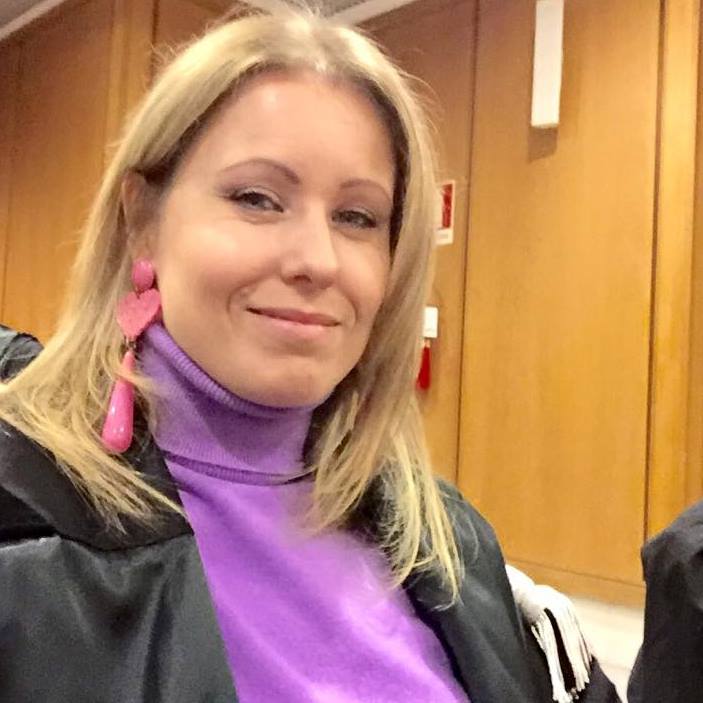
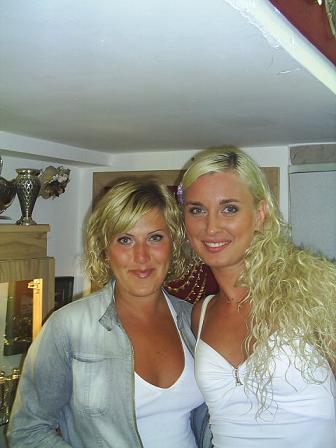
Female Scammer Li Man

E-mail:
☆☆☆☆☆ 0 ratings     
Scam Danger:
Details |
|
| First Name: | Li |
| Location [Address]: | |
| Age: | |
| Birth Date: | |
| Aliases: | |
Reports :
I am submitting this report to explain an online relationship that I now believe was part of a romance scam. This report is written from the victim’s point of view and does not include any personal names. The purpose of this statement is to describe what happened, how trust was created, how emotional pressure was used, and how the situation caused harm.
The contact began online through a social media platform, dating platform, or messaging application. At first, the conversation seemed friendly and harmless. The person approached in a polite and caring way, showing interest in daily life, personal feelings, family matters, future plans, and emotional well-being. The messages appeared warm and respectful. There was no immediate reason to believe that the relationship was dishonest or dangerous.
In the beginning, the communication felt natural. The person asked questions, responded quickly, and seemed emotionally available. The words used were kind and comforting. The person created a feeling of closeness by showing attention and concern. This made the connection feel special. Over time, trust began to grow because the person appeared sincere and consistent.
As the conversation continued, the relationship became more personal and emotional. The person started using romantic words and spoke about love, loyalty, care, and commitment. There were promises about a serious future and statements that made the relationship feel meaningful. The person made it seem like the connection was not casual but deep and genuine. Because of this, emotional attachment developed slowly.
The person gave the impression of being loving, understanding, and patient. Messages often included affection, concern, and reassurance. This created emotional comfort and made it easier to believe that the relationship was real. The communication became a part of daily life, and the emotional bond became stronger. At that point, it became difficult to doubt the person’s intentions because the connection felt personal.
After trust was built, the tone of the conversations began to change. The person started sharing personal problems, stressful situations, and urgent difficulties. These problems were explained in an emotional way. The person sounded worried, helpless, sad, or under pressure. The situation was often presented as urgent and serious. At first, it did not feel like manipulation because it sounded like someone in need of support.
The person slowly created a feeling of responsibility. The problems were described in a way that made helping seem like an act of love, loyalty, and care. It was not always a direct demand at the beginning. Instead, the person would explain the problem emotionally and wait for concern or support. This made the situation confusing because refusing help felt cruel or uncaring.
Over time, the problems became more frequent. There were different explanations involving personal emergencies, financial difficulty, travel issues, account problems, business trouble, medical concerns, family matters, or unexpected delays. Each issue seemed urgent and temporary. The person made it sound as though one small act of help would solve the problem and allow the relationship to move forward.
When questions were asked, the person often responded emotionally instead of clearly. Sometimes the response made it seem like doubt was hurtful. The person used words that created guilt, sadness, or pressure. It felt as though asking for proof or clarification meant a lack of trust. This made it difficult to think clearly. The emotional connection had already been built, so questioning the situation felt uncomfortable.
Looking back, this appears to have been a pattern of emotional manipulation. The person used affection and romantic promises to build trust, then used personal problems and emotional pressure to influence decisions. The relationship was made to feel important, and that emotional importance was used to create pressure. Love, sympathy, guilt, and urgency were mixed together in a way that made it hard to say no.
There were warning signs that became clearer later. Some details in the person’s story did not remain consistent. Certain explanations changed over time. Plans were delayed again and again. Promises were made but not fulfilled. When there was supposed to be progress, another problem appeared. When verification was requested, the person avoided giving direct and reliable proof.
The person often relied on emotional reassurance instead of clear evidence. When doubts came up, the conversation would shift back to love, trust, sadness, or urgency. Rather than answering directly, the person would use emotional language to calm concerns or create guilt. This made the situation harder to understand at the time because the words sounded caring, even though the actions raised concern.
The relationship became stressful. Instead of feeling peaceful and secure, it created worry, confusion, and emotional pressure. There were moments of affection that gave hope, followed by problems that caused anxiety. This cycle made it hard to step away. The person’s loving words made it feel like the relationship was real, while the repeated issues made it emotionally exhausting.
The emotional impact was serious. I felt confused, hurt, embarrassed, and betrayed. It is painful to realize that someone may have used romantic feelings as a tool for deception. The person appeared to care, but the behavior now seems dishonest and calculated. The situation affected trust, peace of mind, and emotional safety. It caused stress and made it difficult to judge what was true.
This was not only about requests for help or possible financial loss. The deeper harm came from emotional exploitation. The person created attachment, made promises, and encouraged belief in a future together. That emotional bond was then used to apply pressure. It felt like care and love were being used as a method of control. This made the experience deeply upsetting.
The relationship followed a suspicious pattern. First, the person made friendly contact and created comfort. Then the communication became romantic and intense. After trust was gained, personal problems and urgent needs began to appear. When doubts were raised, emotional pressure was used instead of clear answers. This pattern is consistent with romance scam behavior.
The person seemed to understand how to gain sympathy. The communication often focused on hardship, sadness, need, or fear. This created a feeling that help was necessary. The person made it seem like support would prove loyalty and care. When support was not immediately given, the emotional tone would change, creating guilt or fear that the relationship could be damaged.
There was also avoidance of proper verification. A genuine person would normally understand why clear proof is important in an online relationship. In this situation, requests for clarity were treated as distrust. Instead of providing honest confirmation, the person gave excuses, delays, or emotional reactions. This made it difficult to confirm whether anything being said was true.
The repeated delays were also concerning. Plans that should have brought clarity did not happen. Promises were postponed. Situations were explained away with new problems. This created a cycle where hope was kept alive, but nothing was properly resolved. The person continued to ask for patience while avoiding accountability.
The experience caused emotional exhaustion because it involved constant uncertainty. There was always a reason to wait, worry, or provide support. The person’s messages kept the emotional connection active while the problems continued. This made it difficult to step back and see the situation clearly. The manipulation worked because it targeted trust and compassion.
I now believe the relationship was not genuine. The pattern of fast emotional attachment, strong romantic promises, urgent problems, repeated pressure, guilt-based responses, inconsistent details, and lack of verification strongly suggests an online romance scam. The person appears to have used false affection to gain trust and exploit emotions.
I am making this report because the matter should be documented. Romance scams can cause serious emotional, mental, and financial harm. Victims may feel ashamed or afraid of being judged, which can stop them from reporting. However, the shame should not belong to the victim. The responsibility belongs to the person who used deception and manipulation.
This report should be reviewed as a suspected case of online romance fraud, emotional exploitation, and possible impersonation. Any available evidence should be considered, including chat messages, screenshots, phone numbers, email addresses, social media profiles, photographs, voice messages, video call attempts, payment records, receipts, bank details, or any other communication connected to the situation.
The evidence may help show how trust was built, how affection was used, how problems were introduced, and how emotional pressure was applied. It may also show the repeated pattern of excuses, delays, and requests. These details are important because romance scams often happen slowly and emotionally, not always through obvious threats.
I want this report to make clear that the harm was real. The relationship created emotional attachment and then used that attachment to influence decisions. The person’s words gave hope, but the actions created doubt and distress. The repeated urgent situations and lack of transparency made the relationship suspicious and harmful.
This statement is based on my honest understanding of what happened. I trusted someone who appeared caring and sincere. Over time, that trust appears to have been used against me. I now believe the situation was deceptive and manipulative. I request that this report be handled seriously and respectfully, and that the matter be reviewed properly.
The purpose of this report is to record the experience and help prevent similar harm to others. Online romance scams can deeply affect victims because they target emotions, trust, and hope. I hope this statement helps explain the situation clearly and supports appropriate action against this kind of harmful behavior.
Related Female Scammers:
Rate this Profile
Romance Scams Must read
- Dating Scams Are BIG Business
- Why scammers use fake docs?
- How to Recognize Scammer
- Asian And Chinese Online Dating Scam
- How to Recognize a Female Dating Scammer
- 10 Practical Steps to Stay Safe From Online Romance Scams
- Prevent Internet Dating Scams Using These 4 Tips
- How Romance Fraudsters Use Photoshop
- Avoid Internet Dating Scams With These 4 Practical Tips
- Gold & Romance Fraud Scenarios Led by Female Scammers
- Meeting a Model and Birthday Scam Scenarios
- Ukraine Online Dating Scams
- A Typical Translation Scam Scenario
- Online Dating Scams: The Costly Travel Scenario
- 10 Ways to Check Who You Are Chatting With