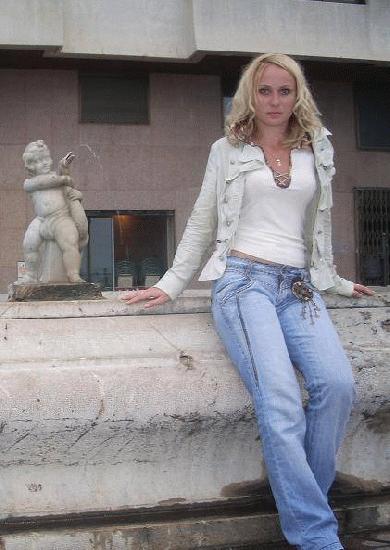
Female Scammer Hart Brakeked
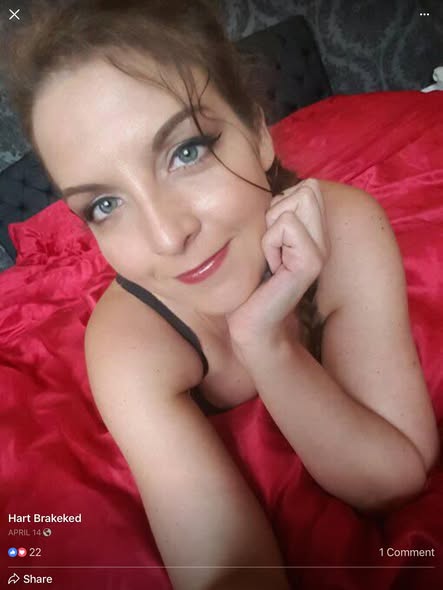
Hart Brakeked

Female Scammer Hart Brakeked


E-mail:
 0 ratings     

Scam Danger: 
88%

Details

First Name: Hart
Location [Address]:
Age:
Birth Date:
Aliases:


Reports :


I am submitting this report to explain an online relationship that I now believe was not genuine and was possibly part of a romance scam. I am writing this in my own words and from my personal point of view so that the emotional pressure, manipulation, and suspicious behavior can be clearly understood. No names are included in this report because the main purpose is to describe the experience, the pattern of communication, and the harm caused by the situation.

The contact began online through a social media platform, dating platform, or messaging application. At first, the conversation seemed friendly, respectful, and harmless. The person approached in a kind and caring way, showing interest in my life, my feelings, my routine, and my future. The communication felt normal in the beginning. There was no immediate reason to suspect that anything was wrong. The person appeared polite, emotionally available, and interested in building a meaningful connection.

As the conversations continued, the communication became more regular and personal. The person began sending warm messages, affectionate words, and emotional statements that created a sense of closeness. They asked questions that made it seem like they truly cared. They appeared to listen, understand, and respond with kindness. This attention made the connection feel special. Over time, I began to trust the person because the communication felt consistent and emotionally supportive.

The person slowly created the impression that the relationship was serious. They spoke about love, loyalty, commitment, and a future together. They made promises that sounded sincere at the time. The words used were comforting and convincing. The person made me feel valued and emotionally connected. I believed that the relationship was real because the person communicated often and seemed to show genuine care. The bond did not feel fake in the beginning because it was built gradually through daily messages and emotional conversations.

The emotional attachment became stronger as time passed. The person spoke as though there was a deep connection and used romantic language to create trust. There were discussions about meeting, staying together, supporting each other, and building a future. These conversations created hope. The person made it seem like the relationship had meaning and that patience and trust were necessary. Because of this, I became emotionally invested and wanted to believe the person was genuine.

After trust had been built, the conversation began to change. The person started sharing personal problems, stressful situations, or urgent difficulties. These problems were described in a very emotional way. The person appeared upset, worried, helpless, or under pressure. The situations were presented as serious and time-sensitive. At first, the person did not always make direct demands. Instead, they described their problems in a way that made me feel concerned and responsible.

The person gradually began to ask for help, support, or understanding. The requests were connected to emergencies, delays, travel problems, financial difficulties, family issues, account restrictions, medical concerns, business problems, or other urgent situations. Each issue was presented as something temporary that could be resolved with help. The person made it sound like they only needed support for a short time and that everything would be fixed afterward. At the time, the explanations seemed believable because I trusted the relationship.

When I hesitated or asked questions, the person responded emotionally. Sometimes they sounded hurt, disappointed, sad, or frustrated. This made me feel guilty for doubting them. The person made it seem as though questioning the situation meant I did not care or did not trust the relationship. Because I was emotionally involved, it became difficult to think clearly. I did not want to hurt the person or make them feel abandoned, so I tried to be understanding.

Looking back, I now believe this was emotional manipulation. The person used affection, trust, and sympathy to influence my decisions. They made me feel emotionally responsible for their problems. The relationship was used as a way to create pressure. The person connected love and trust with support, making it difficult to say no. Whenever I tried to step back or think carefully, emotional words were used to pull me back into the situation.

Over time, I noticed a repeated pattern. There was always another problem, another delay, or another reason why help was needed. When one issue seemed close to being solved, a new issue appeared. The person gave explanations that kept the situation going. Promises were made, but they were not fulfilled. Plans were discussed, but they were postponed. There were many reasons why things could not move forward as expected. This pattern created confusion and stress.

There were also signs that made me question the person’s honesty. Some details did not match earlier conversations. Certain parts of the story changed over time. The person avoided clear verification and gave vague answers when asked for proof. When I requested more direct information, the person often redirected the conversation back to emotions, love, trust, or urgency. Instead of providing clear and reliable proof, they used reassurance, promises, or guilt.

The person avoided situations that could have confirmed their identity or intentions. There were excuses for not providing proper verification, not meeting as planned, not completing promises, or not communicating in a more transparent way. Whenever clarity was expected, another problem appeared. At the time, I tried to be patient because I wanted to believe the relationship was real. Now I understand that these delays and excuses were warning signs.

The emotional pressure affected my judgment. I was not looking at the situation from a distance. I was emotionally involved, and that made it harder to recognize the manipulation. The person had already created trust and affection before the serious requests began. Because of that, I did not immediately see the behavior as suspicious. I believed I was helping someone I cared about, but now I feel that my trust was used against me.

This experience caused emotional harm. I felt anxious, confused, guilty, and mentally exhausted. I spent time worrying about the person’s problems and trying to understand what was true. The relationship created stress instead of peace. There were moments when I felt emotionally trapped because refusing help seemed cruel, but continuing the relationship made me feel uneasy. I felt pulled between trust and doubt.

The betrayal is painful because the person appeared caring and loving. It is difficult to accept that affection may have been used as a tool for deception. The person created emotional closeness, made promises, and spoke about a future, but the actions did not match genuine intentions. The repeated problems, pressure, and avoidance of verification now make the relationship appear dishonest and manipulative.

This situation affected my ability to trust. It made me question my judgment and feel embarrassed for believing the person. I also felt shame and sadness because I had opened up emotionally. Romance scams are harmful because they do not only target money or assistance; they target feelings, compassion, hope, and trust. The emotional damage can be just as serious as any financial loss.

I now believe the relationship followed a common romance scam pattern. First, the person created a friendly and caring connection. Then, the communication became romantic and emotionally intense. After trust was established, urgent problems began appearing. The person then used guilt, sympathy, and promises to request help or support. When doubts were raised, the person avoided direct answers and relied on emotional pressure. This repeated pattern strongly suggests manipulation.

The person’s behavior seemed planned and calculated. The relationship did not develop naturally in a healthy way. Instead, it appeared to be shaped around gaining emotional trust and using that trust for personal benefit. The person made me feel needed and responsible. They created a situation where helping seemed connected to love, loyalty, and commitment. This is why I believe the matter should be treated seriously.

I am making this report because I want the situation documented properly. I do not want the emotional manipulation to be ignored or dismissed as a simple misunderstanding. The pattern of behavior caused real harm. I believe this was not a normal online relationship. It involved suspicious communication, repeated pressure, inconsistent explanations, and possible fraudulent intent.

I request that this matter be reviewed as a suspected case of online romance fraud, emotional exploitation, and possible impersonation. Any available evidence should be considered, including chat records, screenshots, phone numbers, email addresses, social media accounts, profile details, photographs, voice messages, video call records, payment details, transaction receipts, bank information, or any other communication connected to the situation. These records may help show how the relationship developed and how pressure was applied.

The evidence may also show the repeated nature of the requests and the emotional language used. It may show how trust was built, how problems were introduced, and how doubts were handled. I believe these details are important because romance scams often rely on emotional manipulation rather than obvious threats. The person may not always force the victim directly, but they create guilt, fear, sympathy, and emotional dependency.

I also want to state that victims of romance scams may not realize what is happening immediately. When someone appears kind, affectionate, and sincere, it is natural to want to trust them. The manipulation works because it is personal and emotional. The person does not act suspicious from the beginning. They first create comfort and attachment. By the time the requests begin, the victim may already feel connected and responsible.

This experience has been deeply upsetting. I feel hurt because I believed the relationship was genuine. I feel used because the person appeared to care but may have had dishonest intentions. I feel emotionally drained because the situation involved repeated stress, uncertainty, and pressure. It has taken time to understand that the problem was not simply poor judgment, but a pattern of manipulation designed to create trust and exploit it.

I am reporting this because I do not want this type of behavior to continue unchecked. If this person has contacted others in the same way, there may be more victims. Romance scams can affect people emotionally, financially, and mentally. Many victims remain silent because they feel ashamed or afraid of being judged. I believe it is important to speak up so that the behavior can be reviewed and properly documented.

I want this report to show that the harm was real. The relationship created emotional attachment, then used that attachment to apply pressure. The person’s words created trust, but the actions raised serious concerns. The repeated urgent situations, excuses, changing details, and lack of clear proof all point toward suspicious behavior. I believe the person used romance as a method of manipulation.

This report is based on my honest understanding of the events. I am describing what I experienced and how the communication affected me. I trusted the person because they presented themselves as caring and sincere. I now believe that trust was used in a harmful way. The emotional pressure influenced my thoughts and decisions, and the situation caused distress.

I request that this report be handled respectfully and seriously. The matter should not be dismissed simply because the relationship happened online. Online relationships can still cause real emotional and financial damage when one person uses false affection to manipulate another. The pattern of communication and pressure should be reviewed carefully.

I am prepared to provide supporting information where available. I hope the report helps explain the full situation clearly. The main concern is not only one request or one conversation, but the overall pattern of emotional influence, repeated problems, vague explanations, and pressure. I believe this was a suspected romance scam and that the person’s behavior was deceptive, manipulative, and harmful.

The purpose of this report is to record what happened and to seek appropriate review. I trusted someone who seemed genuine, but the relationship now appears to have been used as a way to exploit emotions and possibly obtain support under false pretenses. I hope this report helps prevent similar harm to others and supports proper action against online romance scams.


SEARCH BY NAME :

SEARCH BY EMAIL :


Related Female Scammers:


Rate this Profile