
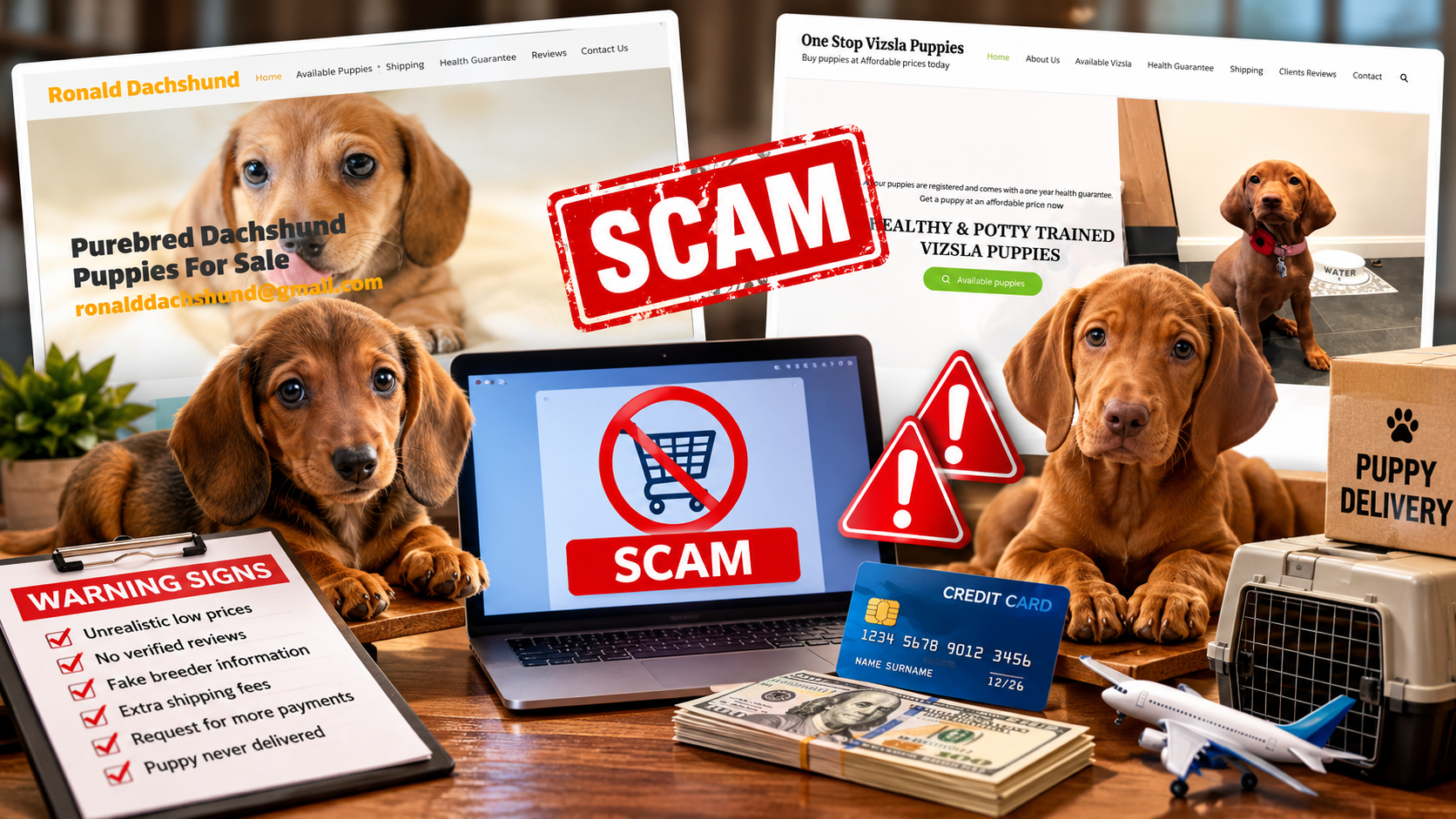
Online puppy scams continue to target people looking for healthy, affordable pets through breeder websites and online advertisements. Fraudulent pet listings may feature attractive puppy photographs, professional-looking websites, discounted prices, and promises of safe delivery to convince buyers to make payments before receiving an animal. This week’s Pet Scammers of the Week report examines two websites named in online complaints: Ronald Dachshund and One Stop Vizsla Puppies. Both have been accused of using misleading puppy advertisements and suspicious payment or delivery arrangements. These reports highlight the importance of verifying breeders, checking customer reviews, and avoiding payments to sellers whose identities and breeding operations cannot be independently confirmed. The allegations described below have not been independently verified.
Pet Scammer 1
Name : Ronald Dachshund
Full Profile :
https://www.ripandscam.com/pet-scammer-ronald-dachshund-55.php
Report :
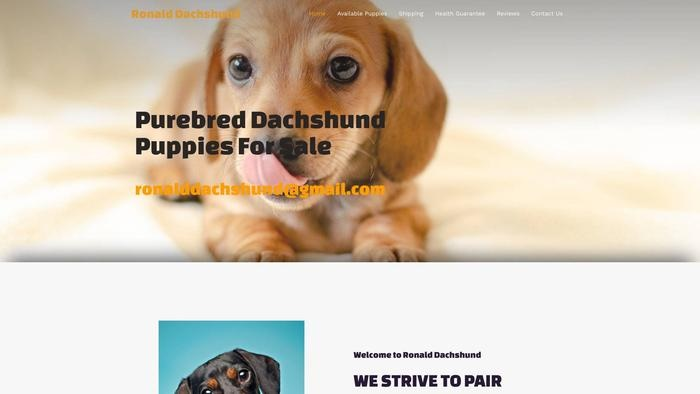
A website operating under the name Ronald Dachshund, associated with the domain www.Ronalddachshund.com, was identified in an online complaint involving suspected puppy sales fraud and misleading online pet advertisements. According to the report, the website presented itself as a business offering purebred Dachshund puppies for sale, using attractive puppy photographs and promotional information to appeal to prospective buyers searching for pets online. The complaint alleged that the operation offered unusually low prices and significant discounts that could encourage customers to make purchases without adequately verifying the breeder’s identity or the availability of the advertised puppies. The report also described concerns about promised puppy deliveries, claiming that buyers might be directed to a separate shipping or delivery company after making an initial payment. According to the allegations, such arrangements could result in additional requests for money to cover transportation, veterinary bills, medical insurance, or other unexpected charges. The complaint suggested that these delivery-related payment demands might involve websites established to support the original puppy sales operation. Additional concerns were raised about the website’s apparent lack of reliable customer reviews, unclear terms and conditions, insufficient refund information, and limited contact details. The report also questioned whether the business had appropriate registration or independently verifiable credentials. Although the website reportedly advertised Dachshund puppies, the complaint contained additional references to pet products such as beds, clothing, accessories, and food, creating uncertainty about the precise nature of the business being described. The allegations also stated that available payment methods and customer protections were unclear. However, the supplied complaint does not identify a specific buyer, document an individual financial transaction, establish that a puppy was never delivered, or independently confirm that the website operators committed fraud.
The reported concerns surrounding Ronald Dachshund demonstrate several warning signs that potential puppy buyers should recognize when considering online breeders. Fraudulent puppy advertisements can sometimes use professionally designed websites, appealing photographs, unusually low prices, and claims of immediate availability to attract customers. After an initial deposit or purchase payment, dishonest sellers may introduce unexpected shipping costs, pet insurance charges, veterinary certification fees, or other expenses that were not clearly disclosed before the transaction. In the complaint involving Ronald Dachshund, allegations concerning discounted prices, questionable delivery arrangements, unclear business information, and insufficient customer protections were important reasons for caution. Buyers should independently verify a breeder’s business identity, request a live video interaction showing the actual puppy, and confirm the animal’s availability and ownership before agreeing to a purchase. Whenever possible, prospective owners should visit the breeder or arrange an independently verifiable meeting. It is also advisable to examine veterinary records, vaccination details, breeding practices, and written purchase agreements. Shipping arrangements should be confirmed directly with a legitimate transport provider rather than relying solely on contact information supplied by the seller. Buyers should avoid untraceable payment methods and be particularly cautious when additional fees appear after an initial payment has been made. The available information does not prove that every listing or transaction associated with the reported website was fraudulent, but the complaint illustrates how misleading pet advertisements and unexpected delivery charges can expose consumers to financial risks.
Pet Scammer 2
Name : One Stop Vizsla Puppies
Full Profile :
https://www.ripandscam.com/pet-scammer-one-stop-vizsla-puppies-66.php
Report :
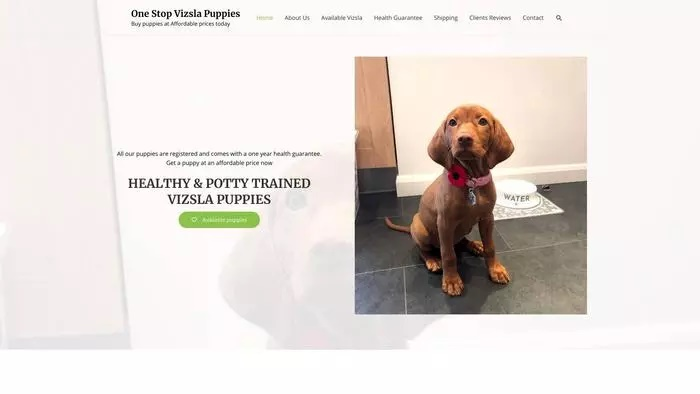
A website using the name One Stop Vizsla Puppies, associated with the domain www.Onestopvizslapuppies.com, was mentioned in an online complaint concerning suspected puppy sales fraud involving advertised Vizsla puppies and questionable payment arrangements. According to the report, the website presented itself as an online breeder offering purebred Vizsla puppies at affordable prices. The advertised content reportedly included puppy photographs, detailed descriptions, claims about health guarantees, and promises that the animals were healthy and potty trained. These promotional features were intended to make the business appear established and trustworthy to people searching for a Vizsla puppy. However, the complaint alleged that some of the puppy photographs may have been taken from other online sources and that the advertised animals might not have been available from the website operators. The report further claimed that the business used unusually low prices and attractive discounts to encourage prospective buyers to make advance payments. According to the allegations, after a buyer paid the initial amount, the seller might introduce a separate shipping company responsible for transporting the puppy. The complaint suggested that this shipping company could then request additional fees for transportation, travel arrangements, medical insurance, or other delivery-related expenses. These charges were described as potential methods of obtaining further payments after the original purchase. The report also questioned claims of free shipping and alleged that customers could be asked for additional funds despite earlier promises. Further concerns involved potentially misleading customer reviews, inaccurate breeder information, and contact or address details that had not been independently verified. The complaint suggested that these elements could create a false impression of legitimacy and encourage customers to trust the advertised puppies and payment arrangements. However, the supplied material does not identify a documented victim transaction, confirm a specific monetary loss, independently verify the authenticity of the photographs or reviews, or establish that the website operators committed criminal fraud.
The complaint involving One Stop Vizsla Puppies highlights how attractive online pet advertisements can create financial risks for buyers who cannot independently verify a breeder or confirm that an advertised animal actually exists. Suspicious puppy sales operations may use appealing photographs, promises of healthy purebred puppies, favorable customer testimonials, and unusually low prices to convince customers that a purchase is safe. In some alleged schemes, the initial price is followed by unexpected shipping payments or additional insurance, vaccination, and transportation charges, placing pressure on buyers who have already committed money to the transaction. The report concerning One Stop Vizsla Puppies specifically raised concerns about the authenticity of puppy photographs, breeder information, customer reviews, and delivery arrangements. Consumers considering similar websites should verify whether the breeder can provide genuine documentation of the puppy’s age, veterinary care, registration where applicable, and current living conditions. A live video call showing the puppy with its mother or within the breeding environment may help establish whether the seller has access to the advertised animal. Prospective buyers should also research the domain, investigate independent reviews, verify physical addresses, and confirm that any shipping company is a legitimate business. Requests for payment through wire transfers, cryptocurrency, gift cards, or other methods with limited buyer protection should be treated with caution. If a buyer suspects fraudulent activity after making a payment, contacting the payment provider promptly and retaining screenshots, receipts, emails, and delivery messages may help support a complaint. The available report does not independently prove that the named website engaged in fraud, but it illustrates the importance of careful breeder verification and secure purchasing practices when buying puppies online.