Scam Type Website Description
Scam type websites are created to help users understand different forms of online fraud and identify suspicious websites before sharing personal information, making payments, or trusting unknown online services. In today’s digital world, scams appear in many different forms, and each scam type follows a different method to trap users. Some scams target bank accounts, some target job seekers, some target online shoppers, and others use emotional pressure, fake legal threats, or fake government identities. A scam type listing page is useful because it separates different fraud categories and helps visitors quickly understand what kind of risk is connected to a particular website or domain. When scam websites are grouped by type, users can easily browse banking scams, courier scams, finance scams, pet scams, job scams, loan scams, romance scams, vehicle scams, rental scams, and many other scam categories.
Banking scam websites are among the most dangerous because they directly target bank account information, debit card details, credit card details, internet banking passwords, OTPs, PIN numbers, and mobile banking access. These websites may look like real bank login pages and may ask users to update KYC details, verify accounts, unlock blocked cards, or claim refunds. Courier scam websites pretend to be delivery or logistics companies and may show fake tracking pages, parcel status, payment links, or address update forms. These scams usually ask users to pay small delivery fees or share personal information to release a fake parcel. Finance scam websites focus on fake investment plans, trading platforms, crypto schemes, money-doubling offers, and high-return financial programs. They often show fake dashboards, fake profits, fake testimonials, and blocked withdrawal systems to collect more money from victims.
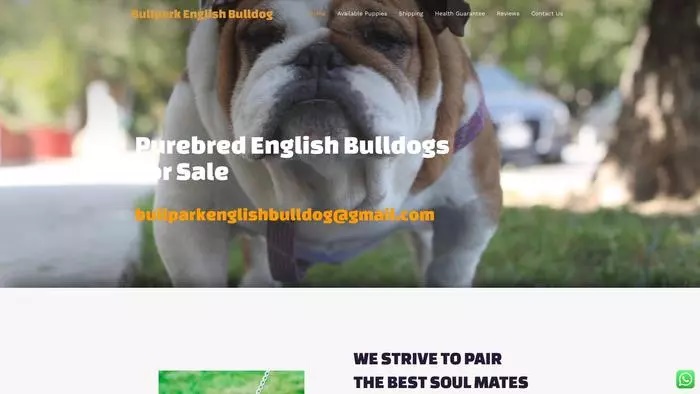
Nondelivery scam websites are usually fake shopping websites or sellers that collect payment but never deliver the product or service. These scams may use copied product images, low prices, fake reviews, and limited-time discount messages to make users buy quickly. Pet scam websites use fake pet photos and emotional stories to collect advance payment for puppies, kittens, birds, or other animals. The scammer may ask for booking charges, transport fees, vaccination charges, crate charges, or delivery insurance. General scam and other scam categories are used for suspicious websites that do not clearly fit into one specific fraud type. These websites may include fake services, copied pages, suspicious payment forms, misleading claims, fake customer support numbers, or unknown business offers.
Job scam websites target people who are searching for work from home jobs, part-time jobs, overseas jobs, freelance projects, or quick income opportunities. These websites may offer high salary, easy work, direct selection, or guaranteed placement. After creating trust, they may ask for registration fees, document verification charges, training fees, laptop charges, visa charges, or security deposits. Escrow scam websites pretend to be safe payment middleman services. They claim that money will be held safely until a buyer and seller complete the transaction, but the escrow service is fake and controlled by the scammer. Loan scam websites promise instant approval, low interest, no credit check, and fast disbursal. They ask users to pay processing fees, GST, insurance charges, document fees, or advance EMI before releasing a loan that never arrives.
Blackmoney scam websites or messages claim that hidden, foreign, inherited, or blocked money can be released if the victim pays certain charges. These scams may mention clearance fees, legal charges, tax payments, transfer fees, or document processing charges. Lawyer scam websites pretend to be legal firms, court agents, recovery officers, or legal consultants. They may threaten users with court cases, arrest, legal notices, unpaid loan issues, courier parcel cases, or cybercrime complaints. Drug scam websites may involve fake pharmacy pages, unsafe medicine sales, or fake legal threats related to illegal parcel claims. Fakeshop scam websites are fake online stores that look like e-commerce platforms but are created mainly to collect payments without delivering genuine products.
Government scam websites impersonate official departments, tax offices, police departments, immigration services, welfare programs, document verification portals, or public service pages. These websites may ask users to pay fines, update documents, verify identity, claim benefits, or avoid legal action. Lotto scam websites tell users that they have won a lottery, prize, gift, cash reward, phone, car, or international jackpot. They ask users to pay tax, courier fees, processing charges, or bank transfer fees before claiming a fake prize. Romance scam websites or fake profiles are used to build emotional relationships with victims and later request money for medical emergencies, travel costs, customs clearance, family problems, or business losses.
Vehicle scam websites use fake listings for cars, bikes, trucks, or other vehicles at attractive prices. Scammers may ask for booking fees, transport charges, insurance payments, inspection fees, or escrow deposits before the buyer sees the vehicle. Rental scam websites or fake property listings target people looking for houses, rooms, apartments, offices, hostels, shops, warehouses, or vacation rentals. These scams often use copied property photos and ask for deposits, viewing fees, key charges, or advance rent before showing the property. The not a scam category is used for websites that do not show strong scam indicators based on available data, but users should still verify details carefully because website safety can change over time.
Why Scam Type Classification Is Important
Scam type classification helps users understand the nature of a suspicious website quickly. Instead of showing all scam websites in one large list, separating them by scam type makes the information easier to use. A user who wants to check banking-related fraud can open the banking scam section. A user who wants to check fake shopping websites can open the fakeshop or nondelivery scam section. A job seeker can check job scam records, while a person searching for rental property can check rental scam data. This kind of organization improves user experience and helps visitors find relevant information faster.
A scam type page also helps search engines understand the topic of each section. When each scam type has its own page, description, and related website records, it becomes easier to create useful content for users. For example, a banking scam page can explain how fake banking websites work and list domains reported under banking scam. A courier scam page can explain fake parcel delivery messages and list courier scam websites. This gives visitors both educational content and real scam website data in one place. Such pages can be useful for awareness, research, online safety, and scam prevention.
Common Warning Signs Across Scam Websites
Even though every scam type is different, many scam websites share common warning signs. These include very low prices, unrealistic promises, urgent payment requests, poor grammar, copied content, fake reviews, missing contact details, hidden ownership, unknown payment links, suspicious domain names, and requests for sensitive information. Scammers often try to create fear, urgency, greed, or emotional pressure. They may say that an account will be blocked, a parcel will be returned, a job will be lost, a prize will expire, or legal action will happen immediately. These pressure tactics are designed to stop users from thinking clearly and verifying details.
Users should be careful when a website asks for OTPs, passwords, card details, banking information, identity proof, personal documents, or advance payments without proper verification. A genuine website usually provides clear contact information, company details, privacy policy, refund policy, secure payment methods, and transparent communication. Scam websites often avoid clear ownership and may use fake support numbers or temporary email addresses. Checking domain age, online reviews, contact details, business registration, payment methods, and website reputation can help users avoid many scams.
How Users Can Stay Safe
Users can protect themselves by verifying every website before trusting it. They should avoid clicking unknown links from SMS, WhatsApp, email, or social media messages. They should type official website addresses directly in the browser when dealing with banks, courier services, government portals, or financial platforms. They should never share OTPs, passwords, card PINs, CVV numbers, or banking login details with anyone. Before buying products, applying for jobs, investing money, booking rentals, or accepting online offers, users should check the website carefully and compare information with trusted sources.
Scam awareness is important because scammers continuously change their methods. A website that looks professional may still be fake. A secure lock symbol does not always mean that the website is trustworthy. A good design, fake reviews, and official-looking logos can also be copied. The safest approach is to verify before making any payment or sharing personal details. This scam type website helps users understand different fraud categories, compare suspicious domains, learn warning signs, and make safer online decisions. By organizing scam websites into clear categories, visitors can easily identify risks and protect themselves from financial loss, identity theft, emotional manipulation, and online fraud.