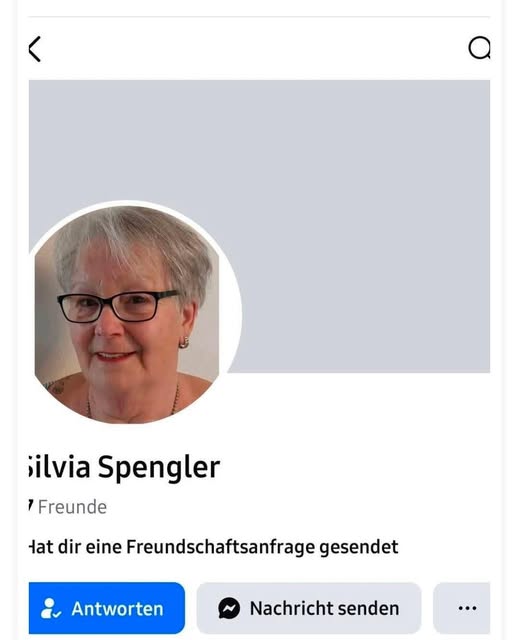
Female Scammer Silvia Spengler
E-mail:
☆☆☆☆☆ 0 ratings     
Scam Danger:
Details |
|
| First Name: | Silvia |
| Location [Address]: | |
| Age: | |
| Birth Date: | |
| Aliases: | |
Reports :
I am writing this report to explain how I was emotionally manipulated through an online romance scam. I am not mentioning any personal names in this report. The purpose of this statement is to describe what happened, how the trust was created, how the emotional pressure was used, and how the situation caused both emotional and financial harm.
The contact first began through an online platform. At the beginning, the profile appeared normal, friendly, and genuine. The messages started in a simple and polite way. There were greetings, casual questions, and friendly conversations. Nothing seemed dangerous or suspicious at first. The person behind the profile seemed kind, caring, and emotionally understanding. The communication felt respectful and natural, which made it easier to continue talking.
In the beginning, the conversation did not involve any request for money or help. It felt like two people getting to know each other. The person behind the profile asked about daily life, personal feelings, interests, and future hopes. The replies were warm and supportive. The tone of the messages created comfort and emotional closeness. The person appeared to be interested in building a serious connection.
As the communication continued, the conversations became more emotional. The person behind the profile started expressing affection, care, and romantic interest. There were messages about trust, loyalty, love, and commitment. The relationship began to feel personal and meaningful. The words used were soft, emotional, and convincing. It felt like the person truly cared and wanted a future together.
The emotional connection was built slowly. The person behind the profile shared stories about personal struggles, loneliness, family problems, work difficulties, and life challenges. These stories created sympathy and emotional concern. The person seemed vulnerable and sincere. Because of this, the relationship felt more real. The communication became part of daily life, and the emotional attachment became stronger.
Over time, the person behind the profile made many promises. There were promises about love, honesty, future plans, and meeting in person. The person often spoke about building a future together and staying committed. These words created hope and trust. The relationship felt serious because the communication was regular and emotionally intense. The person behind the profile gave the impression that the connection was genuine.
The person used affection in a way that made the relationship feel special. Messages were filled with caring words, emotional support, and reassurance. There were many statements about missing the conversation, needing emotional support, and feeling lucky to have found someone trustworthy. These words made it difficult to doubt the relationship. The connection felt personal, private, and emotionally important.
After trust was created, the situation slowly changed. The person behind the profile began talking about problems that required urgent help. At first, the problems seemed believable. They were explained as temporary difficulties that could be solved with support. The issues involved financial trouble, travel problems, account restrictions, personal emergencies, or unexpected situations. The person described these problems with sadness and urgency.
The first request for help did not feel like a scam at the time because it came after many emotional conversations. The person behind the profile had already created trust and closeness. The request was connected to a serious story, and it felt like helping someone who was important. The person promised that the situation was temporary and that everything would be settled soon.
After the first help was given, more problems started appearing. Each problem was presented as urgent and important. There were repeated explanations that only a little more help was needed. Every time one issue seemed close to being solved, another issue appeared. The person kept saying that things would be resolved soon, but the problems continued. The promises were repeated, but the situation never truly ended.
The emotional pressure became stronger with time. The person behind the profile used sadness, fear, affection, and guilt to influence decisions. Refusing to help felt difficult because the relationship had become emotionally serious. The person made it seem like helping was proof of love and trust. There were moments when it felt like not helping would cause pain or harm to someone who seemed emotionally close.
The person also used urgency to prevent careful thinking. The requests often came with pressure to act quickly. There was little time to question the situation or verify the details. The person would say that the problem needed immediate attention and that delays would make things worse. This urgency created stress and confusion. It became hard to think clearly because emotions were involved.
Whenever doubts appeared, the person behind the profile gave emotional explanations. There were excuses for why a meeting could not happen, why a video call was not possible, or why proper verification could not be provided. The explanations often involved personal emergencies, travel difficulties, poor internet, work issues, family problems, or sudden complications. These reasons sounded believable at the time because they were connected to emotional stories.
The person avoided real-life verification. There was no proper meeting, no reliable confirmation of identity, and no clear proof that the stories were true. Even when questions were asked, the answers were not fully clear. Instead of giving real proof, the person responded with emotional words, reassurance, or sadness. This made it difficult to continue questioning without feeling guilty.
The relationship became confusing because the person sounded loving but behaved in a way that created stress. The words were caring, but the actions repeatedly involved requests for help. The person continued to make promises, but those promises were not fulfilled. The person talked about love and commitment, but there was always another reason why the relationship could not move forward normally.
The emotional manipulation was very strong. The person behind the profile made the relationship feel real before asking for support. Trust was not demanded immediately; it was slowly built. Affection was used to lower doubt. Personal stories were used to create sympathy. Promises were used to keep hope alive. Urgency was used to push financial decisions. Guilt was used to prevent refusal. Excuses were used to avoid accountability.
The financial loss happened because support was given out of trust, care, and emotional attachment. At the time, the help was given with honest intentions. It felt like helping someone who was truly in need. The person behind the profile made the situation feel serious and personal. The support was not given because of carelessness. It was given because the relationship felt genuine and emotionally important.
Later, the pattern became clearer. The same type of emergency kept happening. The same kind of promises were repeated. The same emotional pressure appeared whenever help was requested. The person did not provide proper proof, did not follow through on promises, and did not create a real-world relationship. This showed that the connection was likely created for emotional and financial exploitation.
The emotional harm has been very painful. The relationship felt real, and feelings were involved. Time, trust, care, and hope were invested. It was not only a financial matter. The person behind the profile used emotional closeness to create control. Real feelings were used against trust and kindness. This caused sadness, stress, embarrassment, anxiety, and deep disappointment.
It is difficult to accept that the caring words and promises may have been part of a planned deception. The person behind the profile appeared loving and supportive for a period of time. That made the truth harder to understand. The emotional bond made it difficult to accept that the relationship may not have been genuine. The betrayal caused pain because the trust given was honest.
The situation also caused mental stress. There was worry about the money lost, fear of being judged, and emotional confusion about how the manipulation happened. It became hard to understand how something that felt so personal could be false. The experience affected peace of mind and created a loss of confidence in online communication.
There was also shame and regret after realizing what had happened. However, this situation should not be seen as simple carelessness. The person behind the profile used emotional tactics that were designed to manipulate. The relationship was created step by step. Trust was built first, then emotional dependence was encouraged, and only after that financial requests began. This shows that the situation was planned and calculated.
The person behind the profile used romance as a tool. Affection was used to create trust. Emotional stories were used to create sympathy. Promises about the future were used to maintain hope. Urgent problems were used to create pressure. Guilt was used to stop refusal. Avoidance was used when proof was requested. These actions show signs of a romance scam.
There were several warning signs that became clear later. The relationship moved emotionally fast. There were strong romantic words before any real-life meeting. There were repeated promises without action. There were excuses for not meeting or verifying identity. There were urgent requests for money or support. There were emotional reactions whenever doubts were raised. These warning signs were not easy to see at the time because the emotional connection felt strong.
The person behind the profile made the relationship feel private and special. This made it harder to discuss the situation with others. The emotional bond created a feeling of responsibility. It felt like the problems were personal and needed to be handled quietly. This isolation made the manipulation more effective because there was less outside advice or questioning.
The support was given because the relationship appeared genuine. The intention was to help someone who seemed to be in real trouble. There was no intention to take part in anything wrong. The actions were based on trust and compassion. The person behind the profile took advantage of those feelings.
This report is being submitted to document the incident clearly and honestly. No personal names are included in this statement. The matter should be treated as a suspected romance scam involving emotional manipulation and financial exploitation. The person or people behind the profile may be using similar methods to target others. It is important that the activity is reviewed and investigated.
The evidence connected to this situation may include messages, screenshots, contact details, profile information, payment records, account details, phone numbers, email addresses, wallet details, bank information, and any other communication connected to the incident. These records can help show the pattern of emotional manipulation, promises, urgent requests, and financial pressure.
The request is for proper review and appropriate action. The person behind the profile should be investigated to prevent further harm. There may be other victims who are being contacted in the same way. The same emotional stories, promises, and urgent financial requests may be used again with different people. This report is being made not only to explain the harm suffered but also to help stop similar harm from happening to others.
The emotional damage caused by this incident is serious. The situation involved trust, feelings, private conversations, and hopes for the future. The person behind the profile used these emotions to gain support. The financial damage is important, but the emotional damage is also significant. The experience has affected trust, confidence, and peace of mind.
This statement is made from the point of view of someone who believed the relationship was real. The communication felt genuine at the time. The help was given because of emotional attachment and trust. Later, the repeated excuses, lack of verification, broken promises, and continued requests showed that the situation was not honest.
The purpose of this report is to record what happened in a clear and serious manner. The relationship began online, developed through emotional conversations, and later became a situation involving financial requests and emotional pressure. The person behind the profile used trust and affection to manipulate decisions. This caused financial loss and emotional suffering.
This report is submitted with the hope that the matter will be taken seriously. The situation should be recognized as emotional manipulation through a romance scam. The request is for support, protection, investigation, and necessary action against the person or group responsible for the deception.
I want this report to show that the harm was caused by planned emotional manipulation. The person behind the profile created a false sense of love, trust, and commitment. That false connection was then used to request money and support. The experience has caused pain, confusion, and loss, but this statement is being made to document the truth and help prevent further victimization.
This report is made honestly and without mentioning any personal names. It is intended to explain the full experience, the emotional pressure involved, the financial harm caused, and the need for proper action.
Related Female Scammers:
Rate this Profile
Romance Scams Must read
- Dating Scams Are BIG Business
- Why scammers use fake docs?
- How to Recognize Scammer
- Asian And Chinese Online Dating Scam
- How to Recognize a Female Dating Scammer
- 10 Practical Steps to Stay Safe From Online Romance Scams
- Prevent Internet Dating Scams Using These 4 Tips
- How Romance Fraudsters Use Photoshop
- Avoid Internet Dating Scams With These 4 Practical Tips
- Gold & Romance Fraud Scenarios Led by Female Scammers
- Meeting a Model and Birthday Scam Scenarios
- Ukraine Online Dating Scams
- A Typical Translation Scam Scenario
- Online Dating Scams: The Costly Travel Scenario
- 10 Ways to Check Who You Are Chatting With