Female Scammer Leslie Van_Hoek
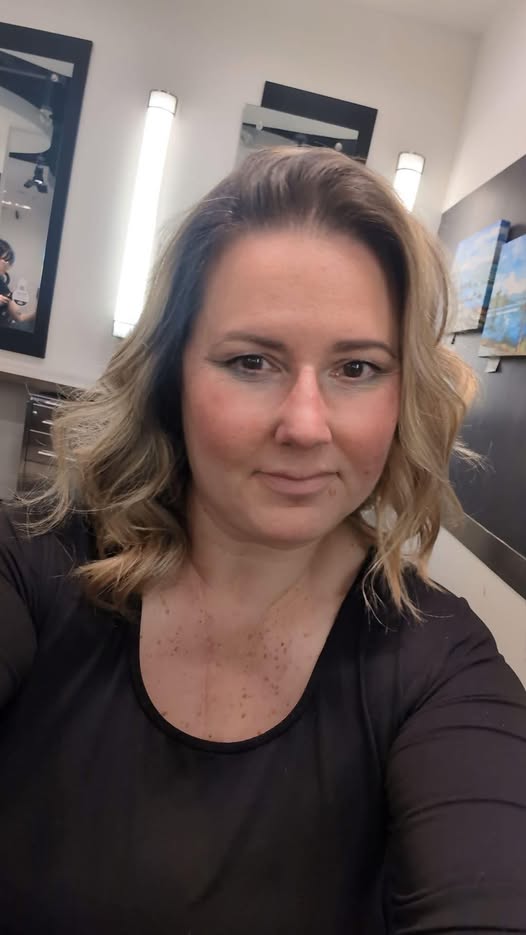
Female Scammer Leslie Van_Hoek
E-mail:
★★★★☆ 8 ratings
Scam Danger:
 |
Details |
|
| First Name: | Leslie |
| Location [Address]: | |
| Age: | |
| Birth Date: | |
| Aliases: | |
Reports :
I am submitting this report to explain my experience with an online relationship involving Leslie Van Hoek that I now believe was part of a romance scam. The situation caused emotional stress, confusion, loss of trust, and possible financial harm.
The contact began through a social media, dating, or messaging platform. At first, Leslie appeared friendly, respectful, and caring. She asked about my daily life, feelings, personal situation, and future plans, which made the communication feel genuine and trustworthy.
As the conversations continued, the relationship became more personal and emotionally intense. Leslie allegedly spoke about love, loyalty, commitment, and a future together. Her attention and affectionate messages made me believe the connection was serious and sincere.
After trust had been established, personal problems and urgent situations began to appear. These difficulties were described emotionally and sometimes involved financial or other forms of support. Because I believed the relationship was genuine, I felt responsible and wanted to help.
When I hesitated or asked questions, Leslie allegedly responded emotionally. The tone could become disappointed, hurt, anxious, or upset, which made me feel guilty for doubting the situation. This emotional pressure made it difficult to refuse requests or step away from the relationship.
Over time, new problems continued to appear, including claims involving financial difficulties, travel issues, family emergencies, account problems, or business troubles. Although the explanations changed, the pattern remained similar: an urgent problem was followed by pressure for support.
I also began noticing inconsistencies. Some details did not match earlier conversations, plans to meet were postponed, and attempts to verify Leslie’s identity or circumstances were delayed or avoided. When I requested proof, I often received excuses or emotional reassurance instead of clear answers.
The relationship gradually became stressful rather than comforting. I felt torn between wanting to believe the connection was real and becoming increasingly concerned that I was being manipulated. This uncertainty caused anxiety, sadness, and mental exhaustion.
Looking back, I now recognize a pattern commonly associated with romance scams. Trust was built through kindness and affection, romantic promises created emotional attachment, urgent problems followed, and guilt or emotional pressure was used whenever doubts were raised.
The emotional impact of this experience has been serious. I felt betrayed, used, embarrassed, and mentally exhausted. It was painful to consider that affection and promises may have been used as tools to influence my decisions and gain support.
I now believe the relationship may not have been genuine. The repeated emergencies, inconsistent explanations, avoidance of verification, emotional pressure, and promises that were not fulfilled caused serious concern.
I am submitting this report because I believe the activity connected with Leslie Van Hoek should be documented and reviewed. Romance scams can cause significant emotional and financial harm, and victims may find it difficult to report because of embarrassment or confusion.
Any available evidence, including chat messages, screenshots, phone numbers, email addresses, social media profiles, payment records, photographs, voice notes, and video call attempts, should be considered when reviewing this matter.
This report represents my personal understanding of what happened. I trusted someone who appeared genuine, but I now believe that trust was used in a harmful way. I hope documenting this experience helps others recognize similar warning signs and avoid the same type of emotional or financial harm.
Related Female Scammers:





Rate this Profile
Romance Scams Must read
- Dating Scams Are BIG Business
- Why scammers use fake docs?
- How to Recognize Scammer
- Asian And Chinese Online Dating Scam
- How to Recognize a Female Dating Scammer
- 10 Practical Steps to Stay Safe From Online Romance Scams
- Prevent Internet Dating Scams Using These 4 Tips
- How Romance Fraudsters Use Photoshop
- Avoid Internet Dating Scams With These 4 Practical Tips
- Gold & Romance Fraud Scenarios Led by Female Scammers
- Meeting a Model and Birthday Scam Scenarios
- Ukraine Online Dating Scams
- A Typical Translation Scam Scenario
- Online Dating Scams: The Costly Travel Scenario
- 10 Ways to Check Who You Are Chatting With
Popular Links

SWINDLERS LIST
-
Top 10 Scammers !!!
Beware of these scammers...Keep them out of your mail-box...

SCAM TOOLS
-
Block Scam Mails???
Cleaning your scam filled inbox can be effected by these tools
HELP DESK
-
Waiting to help You!!!
Every problem has a solution when discussed. Discuss with us to get a clear idea to keep your information unscathed from hypocrites