
Scammer Miguel Blesa
Fraudster Miguel Blesa
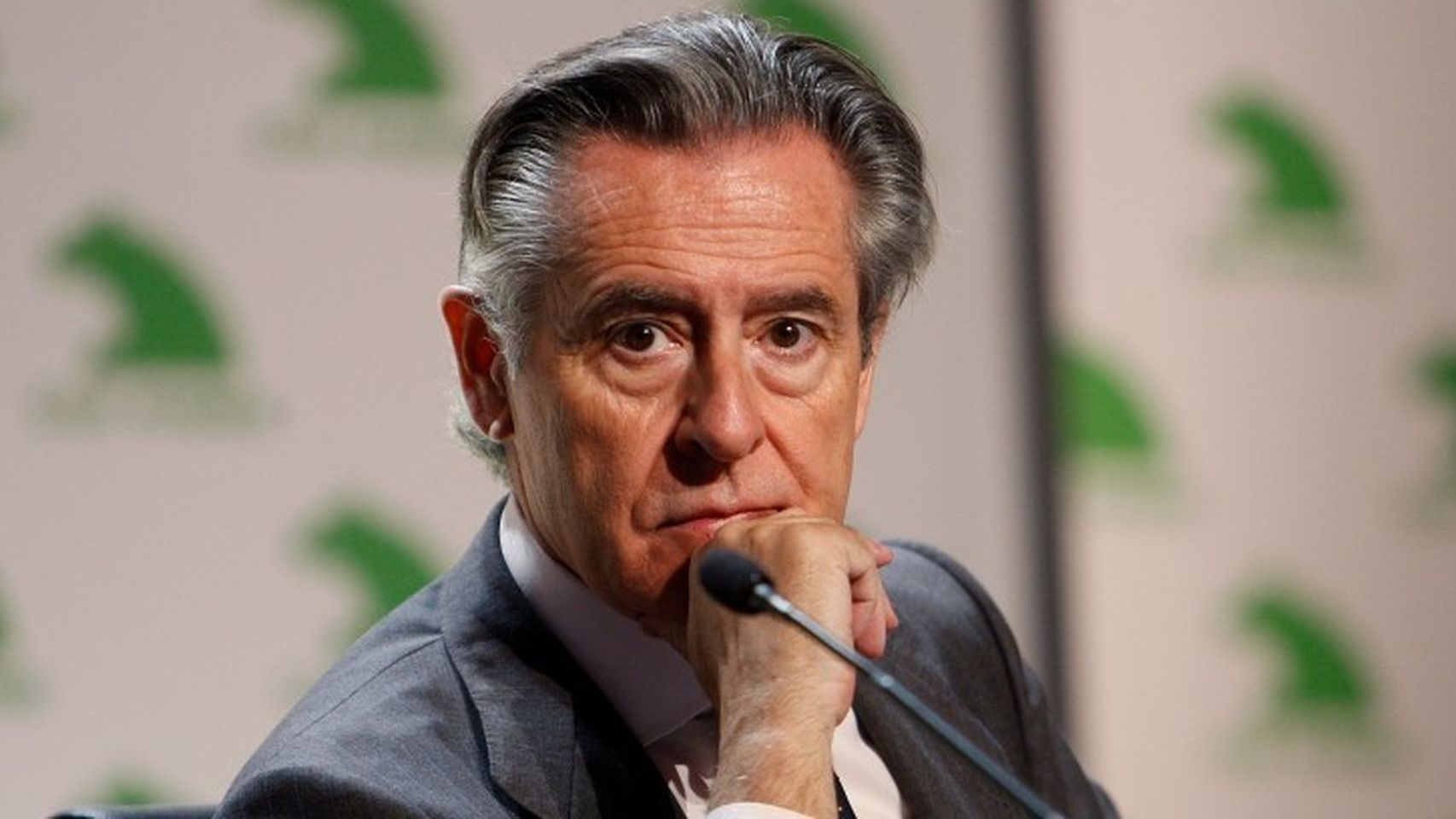
Details |
|
| Name: | Miguel Blesa |
| Other Name: | El Robin Hood |
| Born: | 1947 |
| whether Dead or Alive: | 2017 |
| Age: | 69 |
| Country: | Spanish |
| Occupation: | Banker |
| Criminal / Fraud / Scam Charges: | |
| Criminal / Fraud / Scam Penalty: | |
| Known For: | Chairman of?Caja Madrid, 1996?2010 |
Description :
The Black Credit Cards: How Spain’s Banking Elite Turned Crisis into Personal Gain
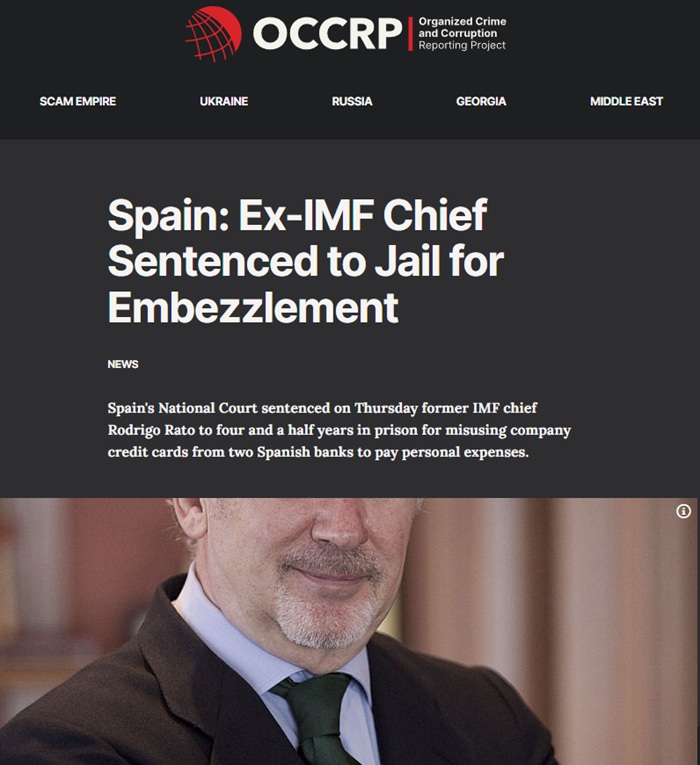
The sentencing of former International Monetary Fund chief Rodrigo Rato marked one of the most dramatic moments in Spain’s long reckoning with financial corruption. The case revolved around the misuse of secret corporate credit cards by senior executives and board members of Caja Madrid and its successor, Bankia. What made the scandal especially explosive was its timing: the abuse took place while Spain was suffering one of the worst economic crises in its modern history, a crisis that ultimately forced taxpayers to rescue the very banks whose leaders were secretly funding personal lifestyles with company money.
The Emergence of the “Black Credit Cards”
Between 2003 and 2012, executives at Caja Madrid and Bankia were issued unofficial corporate credit cards that became known as “black cards.” These cards were not part of any formal compensation package and were never declared as income to tax authorities. Holders used them freely for personal expenses, treating the funds as an invisible extension of their salaries. Over nearly a decade, 65 individuals spent more than €12 million using these cards, all without justification or disclosure.
Caja Madrid’s Political and Institutional Culture
Caja Madrid was a powerful savings bank deeply intertwined with Spain’s political system. Its board included representatives from political parties, trade unions, and business organizations, many of whom lacked banking expertise. This structure fostered an environment in which informal privileges were normalized and oversight was weak. The black card system flourished within this culture, operating openly among insiders while remaining invisible to regulators and the public.
Miguel Blesa and the Normalization of Abuse
At the center of the early years of the scheme was Miguel Blesa, chairman of Caja Madrid. Under his leadership, the use of black credit cards became widespread and routine. Blesa himself was one of the largest users of the cards, and the court later concluded that he played a key role in institutionalizing the corrupt system. His actions helped embed the practice so deeply that it survived changes in leadership rather than being dismantled.
Rodrigo Rato Takes Control
Rodrigo Rato assumed leadership of Caja Madrid in 2010, bringing with him enormous political and international prestige. A former Spanish economy minister and deputy prime minister, Rato had also served as managing director of the IMF from 2004 to 2007. Despite his experience and authority, Rato did not end the black credit card system. Instead, he allowed it to continue and later transferred it intact to Bankia after the bank’s creation in 2011.
The Creation of Bankia and the Spread of Corruption
Bankia was formed through the merger of Caja Madrid with six other savings banks, intended to stabilize Spain’s fragile financial sector. Rato became its chairman, and under his leadership, the black credit card system persisted. Executives continued using the cards for personal expenses, even as the bank’s financial health deteriorated. The court later found that Rato knowingly maintained the corrupt practice rather than reporting or correcting it.
Lavish Spending During National Hardship
The misuse of the cards included a wide range of expenses, from everyday supermarket purchases and petrol to luxury holidays, high-end fashion, jewellery, and nightclub parties. The revelation that these expenditures occurred while millions of Spaniards were losing jobs, homes, and savings intensified public outrage. The contrast between elite indulgence and public austerity made the scandal a symbol of systemic injustice.
Bankia’s Collapse and the Public Bailout
In 2012, Bankia’s true financial condition was revealed, leading to Rato’s resignation shortly before the bank was nationalized. The Spanish state injected more than €22 billion into Bankia, and the broader banking crisis forced Spain to seek assistance from the European Union. Ultimately, Spain received €41 billion in bailout funds. Hundreds of thousands of small investors suffered losses, particularly those who had been encouraged to buy Bankia shares during its 2011 stock market flotation.
The Trial of 65 Executives
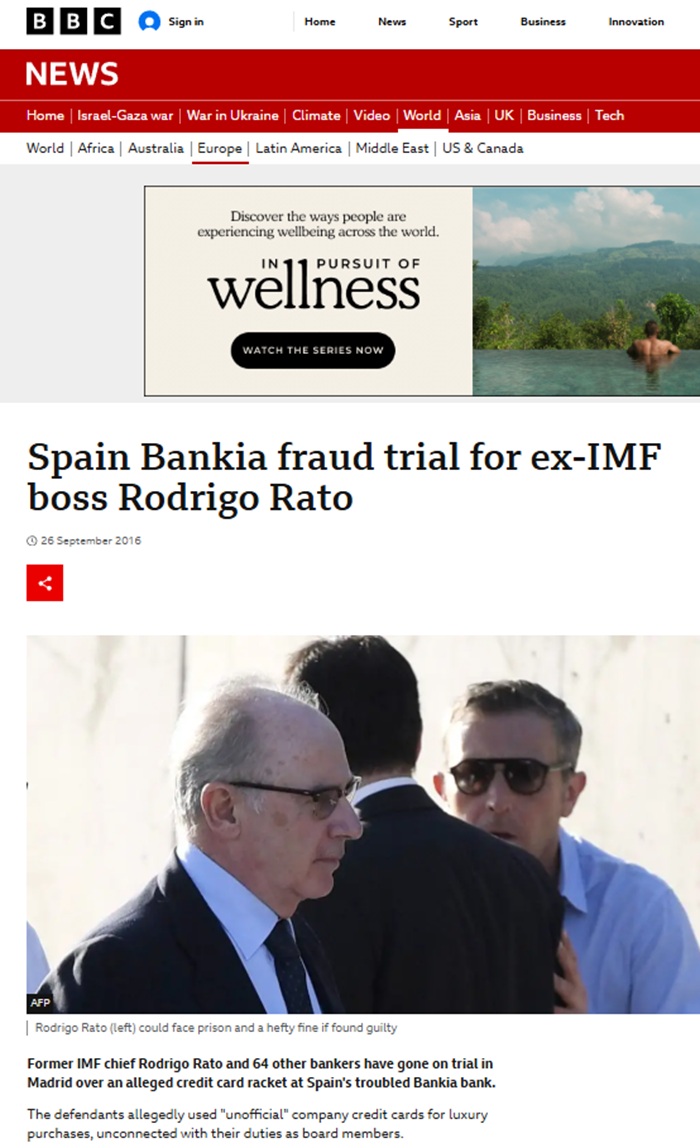
The case was brought before Spain’s National Court, which handles major corruption and financial crime cases. Prosecutors charged 65 former executives and board members with embezzlement, arguing that the black card system was deliberately concealed and systematically abused. The defendants maintained that the cards were a legitimate part of their remuneration, but the court rejected this claim, citing the lack of documentation and tax declarations.
Rodrigo Rato’s Defense and Denial
Throughout the trial, Rodrigo Rato denied wrongdoing. He insisted that the use of the cards was “completely legal” and consistent with established practice. However, prosecutors argued—and the court agreed—that legality could not be claimed for a system designed to bypass transparency and taxation. The judges emphasized that Rato’s failure to stop or disclose the system constituted active participation in embezzlement.
Sentencing and Legal Consequences
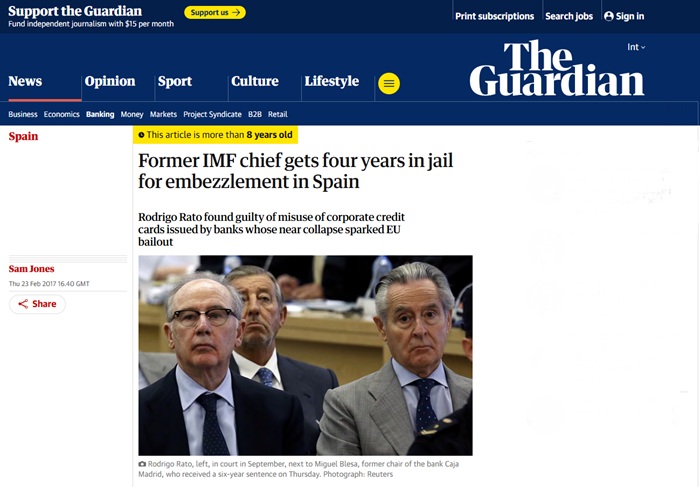
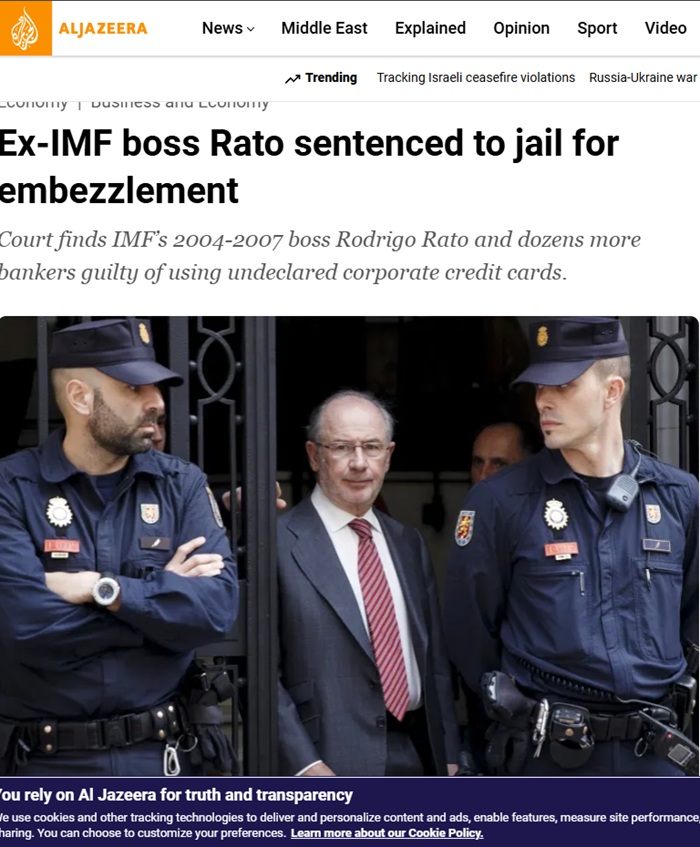
After a five-month trial, the court sentenced Rodrigo Rato to four and a half years in prison for embezzlement. Miguel Blesa received a six-year sentence. Other defendants received shorter prison terms or fines depending on their involvement. The ruling confirmed that the black credit card system was illegal and that its beneficiaries were criminally responsible.
Public Anger and Social Impact
The verdict did little to ease public anger. Many Spaniards viewed the case as proof that financial and political elites operated under a different set of rules. Protests outside the courthouse reflected widespread frustration, particularly among those who had lost savings or endured years of austerity. The scandal deepened mistrust in institutions already weakened by the crisis.
Appeals and the Perception of Elite Privilege
Despite the convictions, Rato remained free pending appeal, a legal provision that drew sharp criticism. Comparisons were made with other high-profile cases in which powerful figures avoided immediate imprisonment. For many citizens, these delays reinforced the perception that justice in Spain favored the elite.
Additional Investigations and Ongoing Scrutiny
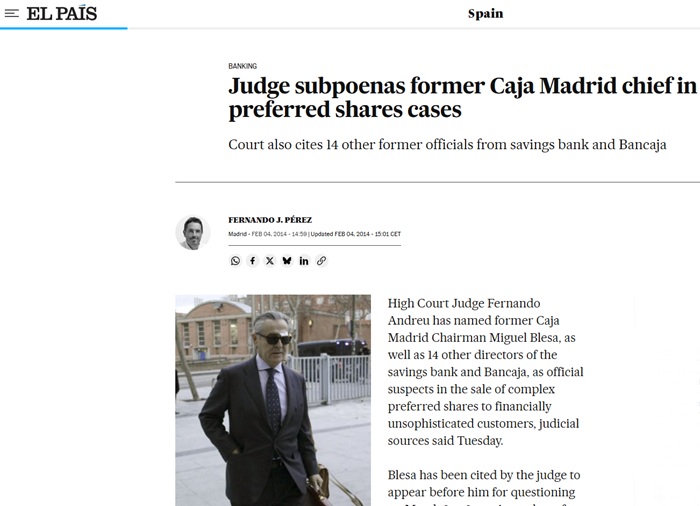
The black credit card case led to further investigations into Bankia’s conduct, including the sale of complex preferred shares to unsophisticated investors. Judicial inquiries targeted former directors, and thousands of affected customers sought compensation. Bankia established arbitration processes, acknowledging widespread harm caused by its practices.
Political Fallout and Institutional Damage
Rato’s conviction was particularly damaging to Spain’s conservative Popular Party, which was already embroiled in multiple corruption scandals. His fall from grace undermined confidence not only in national leadership but also in international financial governance, given his former role at the IMF.
A Symbol of an Era
The black credit card scandal came to symbolize a broader failure of accountability. It revealed how informal privilege, weak oversight, and political influence combined to create a culture in which corruption could thrive unchecked. The everyday nature of the expenses underscored how normalized the abuse had become.
A Reckoning Still Incomplete
Rodrigo Rato’s sentencing represented a rare moment of accountability for Spain’s financial elite. Yet the slow pace of justice and the continued perception of unequal treatment left many questioning whether the reckoning went far enough. The scandal remains a powerful reminder that transparency and accountability are not optional, especially when public trust and public money are at stake.
Related Fraudsters Scammers:





Popular Links

SWINDLERS LIST
-
Top 10 Scammers !!!
Beware of these scammers...Keep them out of your mail-box...

SCAM TOOLS
-
Block Scam Mails???
Cleaning your scam filled inbox can be effected by these tools
HELP DESK
-
Waiting to help You!!!
Every problem has a solution when discussed. Discuss with us to get a clear idea to keep your information unscathed from hypocrites