
Scammer Shin Dong-bin
Fraudster Shin Dong-bin

Details |
|
| Name: | Shin Dong-bin |
| Other Name: | |
| Born: | 1956 |
| whether Dead or Alive: | |
| Age: | 65 |
| Country: | Japan |
| Occupation: | CEO of?Lotte Corporation |
| Criminal / Fraud / Scam Charges: | |
| Criminal / Fraud / Scam Penalty: | |
| Known For: | |
Description :
From Boardroom to Courtroom: How Lotte’s Power Structure Collapsed
The unraveling of South Korea’s Lotte Group marked one of the most consequential corporate crises in the country’s modern history. What began as a bitter internal succession struggle within a powerful family-controlled conglomerate escalated into a sweeping legal, political, and geopolitical confrontation. At its center stood the Shin family, whose patriarch founded Lotte and whose descendants controlled the group through opaque governance structures typical of South Korea’s chaebol system. As prosecutors brought charges of embezzlement, breach of fiduciary duty, tax evasion, and bribery against multiple family members, Lotte also faced economic retaliation from China following its involvement in the deployment of a U.S. missile defense system. The convergence of domestic legal scrutiny, public outrage, and international pressure transformed Lotte from a symbol of economic success into a case study of the vulnerabilities and excesses of family capitalism.
The Origins of Lotte and the Rise of the Shin Dynasty
Lotte Group was founded in Tokyo in 1948 by Shin Kyuk-ho, a Korean entrepreneur who began his business career in postwar Japan before expanding aggressively into South Korea. Over the following decades, Lotte grew into a vast conglomerate with interests spanning retail, food production, hotels, chemicals, entertainment, construction, and finance. By the 2010s, it had become South Korea’s fifth-largest chaebol, with assets exceeding $90 billion and annual revenues approaching $90 billion.
From its inception, Lotte was structured as a family-controlled enterprise. Ownership and control were exercised through a complex web of subsidiaries in both South Korea and Japan, allowing the Shin family to retain decisive influence while minimizing transparency. While this structure enabled rapid expansion and centralized decision-making, it also blurred the distinction between corporate assets and personal interests. These blurred boundaries would later become central to the criminal charges brought against the family.
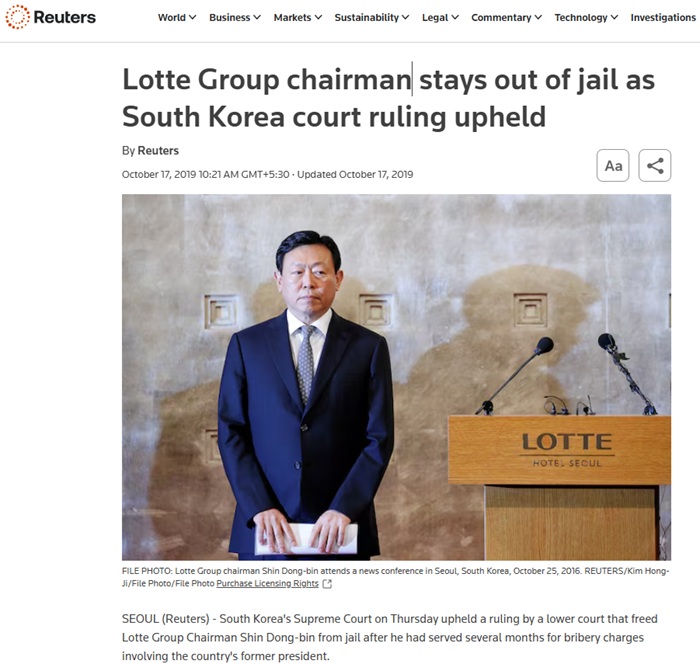
Succession Anxiety and a Public Family Feud
As Shin Kyuk-ho aged, questions about succession intensified. His declining health and reportedly diminished mental capacity created a power vacuum that his children sought to fill. The rivalry between his two sons, Shin Dong-bin and Shin Dong-joo, erupted into a highly public feud beginning in 2015. The brothers engaged in legal battles, boardroom maneuvers, and media campaigns, each accusing the other of mismanagement, ethical failures, and manipulation of their elderly father.
This conflict shocked the public not only for its intensity but also for its visibility. The feud exposed the inner workings of a chaebol that had long operated behind closed doors. For many South Koreans, the spectacle reinforced perceptions that family-run conglomerates treated corporations as personal property, immune from accountability. Although board members ultimately sided with Shin Dong-bin, the younger son and sitting chairman, the feud triggered heightened regulatory and prosecutorial scrutiny that would soon engulf the entire group.
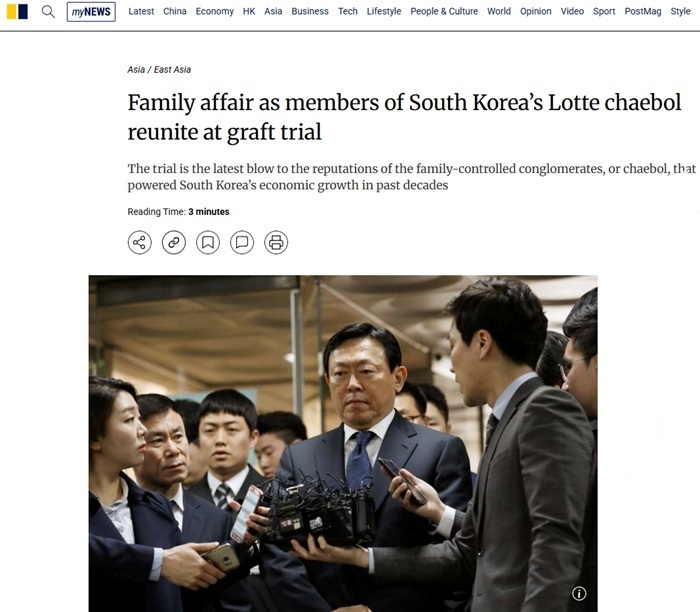
Prosecutorial Raids and the Opening of a Major Investigation
In June 2016, South Korean prosecutors launched an unprecedented investigation into Lotte Group. Nearly 200 investigators were dispatched to raid the group’s headquarters, affiliated companies, and executives’ residences. The investigation focused on allegations that Lotte had systematically engaged in embezzlement, slush fund creation, tax evasion, and breaches of fiduciary duty over many years.
Prosecutors alleged that the Shin family had forced affiliates to absorb losses, funneled profits to family-controlled entities, and paid inflated salaries to relatives who contributed little to management. The investigation also examined whether Lotte had engaged in illegal lobbying to secure government permits for major projects, including the prominent “Second Lotte World” development in Seoul. The scale of the probe underscored a broader shift in South Korea’s approach to corporate governance enforcement.
Formal Indictments and the Expansion of Charges
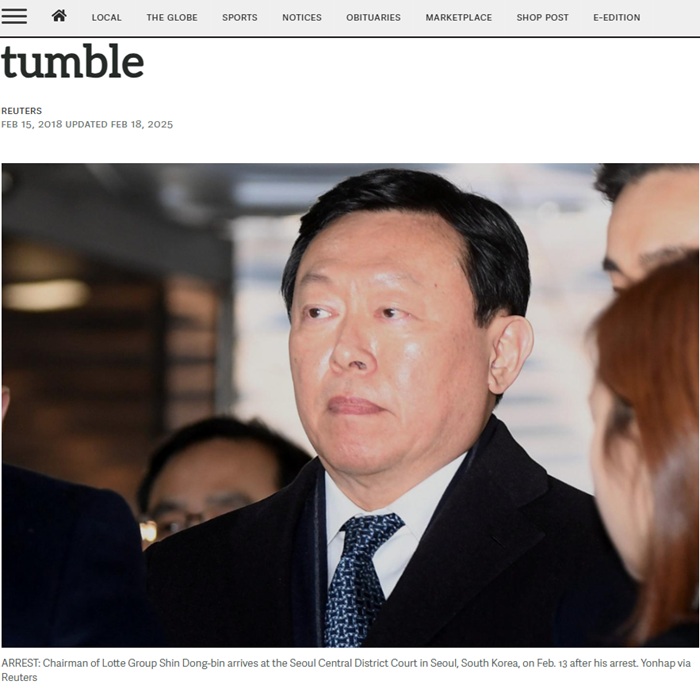
In October 2016, prosecutors formally indicted 22 Lotte Group officials, including Chairman Shin Dong-bin. He was accused of costing the company approximately 175 billion won through a series of financial irregularities. These included arranging for subsidiaries to pay salaries and consulting fees to relatives who performed little or no work, awarding contracts to family-owned companies without competitive bidding, and shifting financial losses among affiliates to mask poor performance.
Similar charges were brought against Shin Dong-bin’s older brother Shin Dong-joo, his older sister Shin Young-ja, and their father Shin Kyuk-ho. Shin Kyuk-ho’s common-law wife, Seo Mi-kyung, was also charged with embezzlement for receiving substantial compensation despite minimal involvement in management. The breadth of the indictments suggested that prosecutors viewed the alleged misconduct as systemic rather than isolated.

Courtroom Proceedings and Public Response
The trial of the Shin family began in March 2017 amid intense media scrutiny. Shin Dong-bin appeared in court, issued a brief apology to the public, and pledged to cooperate fully with the proceedings. His gesture reflected growing societal expectations that corporate leaders demonstrate humility and accountability when facing legal accusations.
Shin Kyuk-ho’s participation was limited due to his advanced age, and he was not taken into custody. Nevertheless, his inclusion in the trial symbolized the collapse of the long-standing deference afforded to chaebol founders. The proceedings were widely interpreted as a test of South Korea’s willingness to hold even its most powerful business figures accountable under the law.
Sentencing and Judicial Interpretation
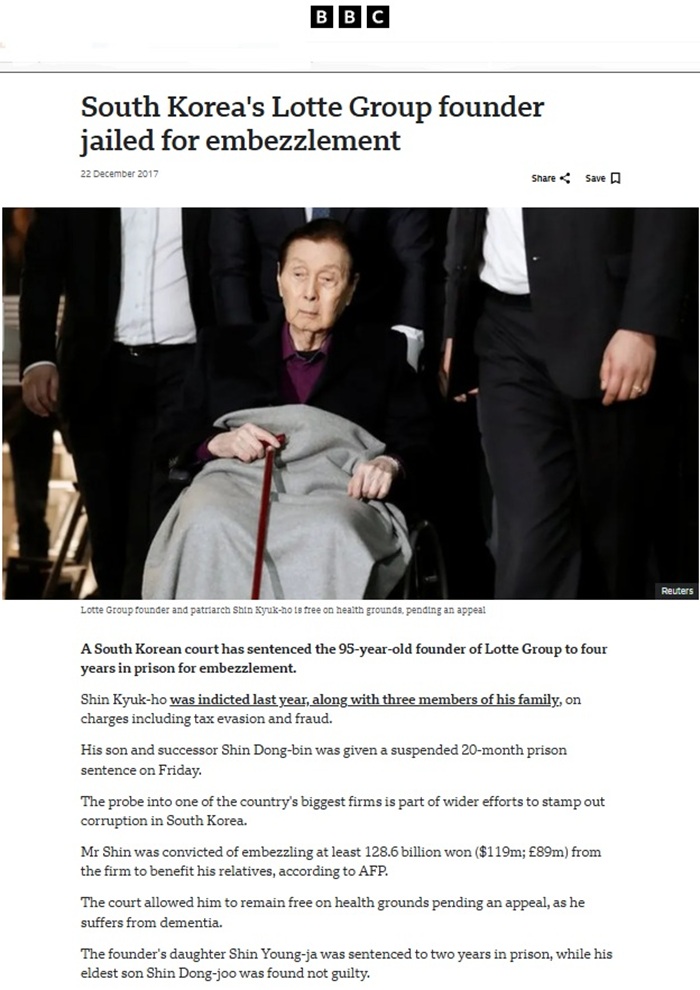
In December 2017, the Seoul Central District Court delivered its verdicts. Shin Dong-bin received a 20-month prison sentence, suspended for two years, for involvement in management improprieties and breach of fiduciary duty. Shin Kyuk-ho was sentenced to four years in prison for losses caused to Lotte Shopping, though he was not incarcerated due to his age. Shin Young-ja was sentenced to two years in prison, while Seo Mi-kyung received a suspended sentence.
In its ruling, the court described the case as a clear example of how a chaebol family had privatized corporate assets, forcing affiliates to deliver profits or payments to family members. However, the court also acquitted the defendants on several major charges, including certain allegations of fraudulent payments and tax evasion, citing insufficient evidence or expired statutes of limitations. The mixed verdict reflected both judicial caution and recognition of systemic governance failures.
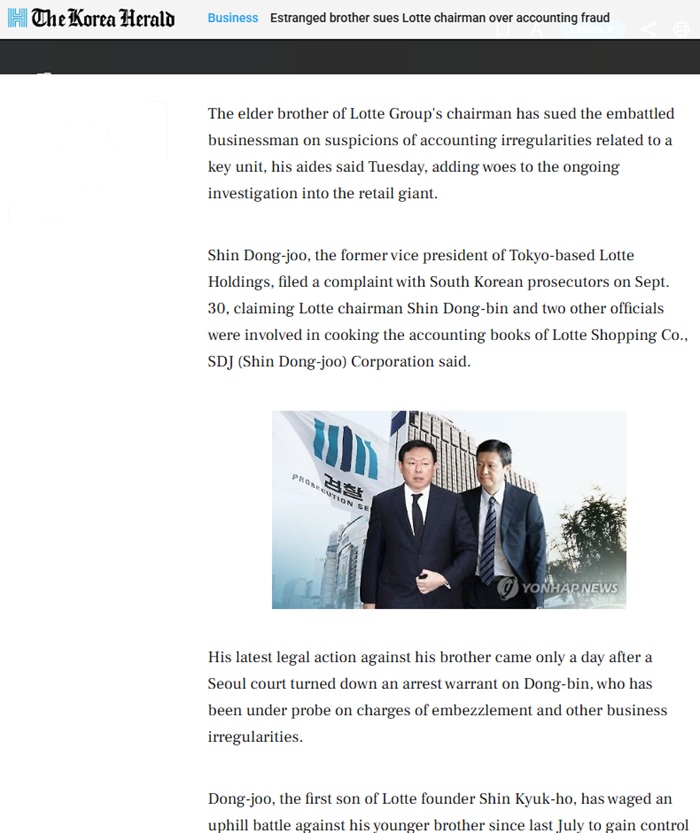
Political Bribery and the Shadow of National Scandal
Lotte’s legal troubles intersected with South Korea’s broader political crisis surrounding former President Park Geun-hye. Prosecutors accused Shin Dong-bin of providing substantial donations to foundations linked to President Park in exchange for favorable treatment related to Lotte’s duty-free store licenses. Although the Lotte case was not the primary driver of Park’s impeachment, it reinforced public perceptions of collusion between political power and corporate elites.
In a later development, a court sentenced Shin Dong-bin to additional prison time for bribery, defying expectations of leniency. His arrest sent shockwaves through financial markets, triggering declines in Lotte-affiliated stocks and raising fears of a leadership vacuum within the conglomerate.
Geopolitical Fallout: THAAD and China’s Retaliation
While facing legal challenges at home, Lotte became entangled in a major geopolitical dispute. In 2016, South Korea agreed to deploy the U.S. Terminal High Altitude Area Defense system to counter North Korean missile threats. Lotte provided land in Seongju for the deployment through a land swap with the government. China, viewing THAAD as a threat to its own security, responded with economic retaliation.
Chinese authorities ordered inspections that forced the closure of nearly 90 percent of Lotte Mart stores in China, citing safety violations. Protests targeted Lotte outlets, and consumer boycotts spread. With more than $8 billion invested in China and tens of thousands of employees, Lotte suffered severe financial losses. The episode highlighted the vulnerability of multinational corporations to geopolitical tensions beyond their control.
Investor Anxiety and Corporate Paralysis
The simultaneous legal and geopolitical crises placed Lotte in a state of prolonged uncertainty. Plans for a $4.5 billion initial public offering of Hotel Lotte were shelved, undermining efforts to improve transparency and corporate governance. Overseas expansion plans stalled, and Lotte Chemical withdrew from bidding for a U.S. chemical firm.
Investor confidence wavered as each new development unfolded. Analysts warned that prolonged leadership instability would hinder strategic decision-making. Although Lotte announced emergency management measures to stabilize operations, major investments remained on hold pending the resolution of legal appeals.
Tragedy Within the Investigation
The investigation took a tragic turn with the death of Lee In-won, one of Lotte’s most senior executives outside the Shin family. He was found dead just hours before a scheduled interrogation by prosecutors, and his death was ruled a suicide. The incident cast a somber shadow over the investigation and intensified debate over the human toll of corporate scandals and prosecutorial pressure.
A National Reckoning with Chaebol Power
The Lotte scandal unfolded amid growing public anger over inequality, corruption, and the perceived impunity of chaebol leaders. The impeachment of President Park Geun-hye had already galvanized demands for reform, and the prosecution of Lotte reinforced calls for stronger corporate governance, stricter enforcement of fiduciary duties, and greater transparency.
For many South Koreans, the case symbolized the excesses of dynastic capitalism. It raised fundamental questions about whether chaebols could continue to dominate the economy without structural reform and whether the legal system could finally impose meaningful accountability on powerful business families.
A Giant Transformed by Crisis
The trials and investigations involving the Shin family marked a defining moment in Lotte Group’s history. Although the conglomerate survived, it emerged deeply scarred, its governance practices exposed and its reputation damaged. The crisis demonstrated the risks inherent in opaque family control and the dangers of entangling corporate strategy with political power.
Whether Lotte’s ordeal will lead to lasting reform remains uncertain. What is clear, however, is that the era of unquestioned chaebol authority has ended. In its place stands a more demanding public and a legal system increasingly willing to challenge corporate dynasties once thought untouchable.
Related Fraudsters Scammers:





Popular Links

SWINDLERS LIST
-
Top 10 Scammers !!!
Beware of these scammers...Keep them out of your mail-box...

SCAM TOOLS
-
Block Scam Mails???
Cleaning your scam filled inbox can be effected by these tools
HELP DESK
-
Waiting to help You!!!
Every problem has a solution when discussed. Discuss with us to get a clear idea to keep your information unscathed from hypocrites