
Scammer Jeffrey Keith Skilling
Fraudster Jeffrey Keith Skilling
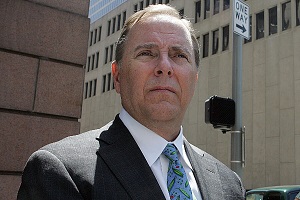
Details |
|
| Name: | Jeffrey Keith Skilling |
| Other Name: | Null |
| Born: | 1953 |
| whether Dead or Alive: | |
| Age: | 70 |
| Country: | Pittsburgh, Pennsylvania, U.S. |
| Occupation: | Former CEO of Enron, Former Partner at McKinsey & Company |
| Criminal / Fraud / Scam Charges: | Conspiracy, Securities fraud, false statement, insider trading |
| Criminal / Fraud / Scam Penalty: | 14 years in federal prison , $45 million fine |
| Known For: | Null |
Description :
Jeffrey Skilling and the Enron Scandal: The Rise and Fall of America's Most Controversial CEO
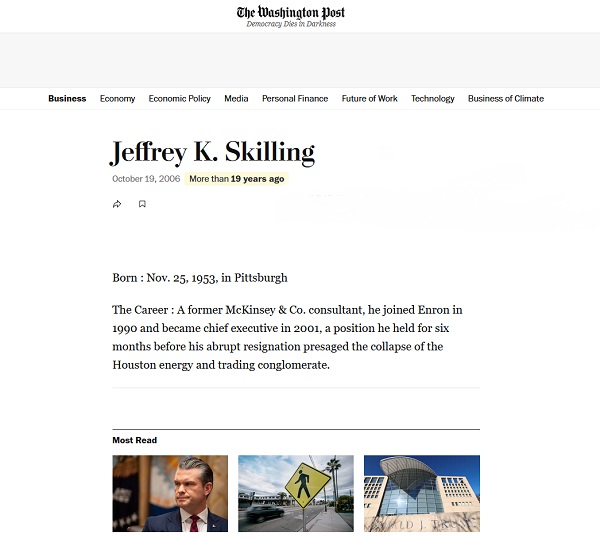
Jeffrey Keith Skilling (born November 25, 1953) is an American businessman best known for his role as the former CEO of Enron Corporation, a company once hailed as one of the most innovative and rapidly growing firms in the energy sector. His tenure at Enron coincided with its rise to global prominence as well as its notorious downfall, leading to one of the largest corporate fraud cases in U.S. history. Skilling became a central figure in the scandal, symbolizing the corporate excess, risky accounting practices, and aggressive management philosophies that ultimately destroyed the company. After being convicted on federal charges including conspiracy, securities fraud, and insider trading, he was sentenced to 24 years in prison, though he was ultimately released in 2019 after serving about half that time due to appeals and sentence reductions. His story remains a defining chapter in the history of corporate America—one that continues to shape discussions about ethics, leadership, and the responsibility of corporate executives.
Early Life and Family Background
Jeffrey Skilling was born in Pittsburgh, Pennsylvania, as one of four children in a middle-class family. His father, Thomas Ethelbert Skilling Jr., worked as a sales manager for an industrial valve company, while his mother, Betty Clarke, managed the household. The family relocated several times due to his father’s job, eventually settling in Aurora, Illinois. Skilling grew up in a household that valued education, discipline, and strong work ethics. His older brother, Tom Skilling, would later become a well-known broadcast meteorologist in Chicago, creating a family profile marked by professional success and public visibility. From an early age, Jeffrey showed signs of strong intellectual abilities, independence, and a competitive streak that often set him apart from peers. These traits shaped his worldview and would later contribute to both his meteoric rise and dramatic downfall.
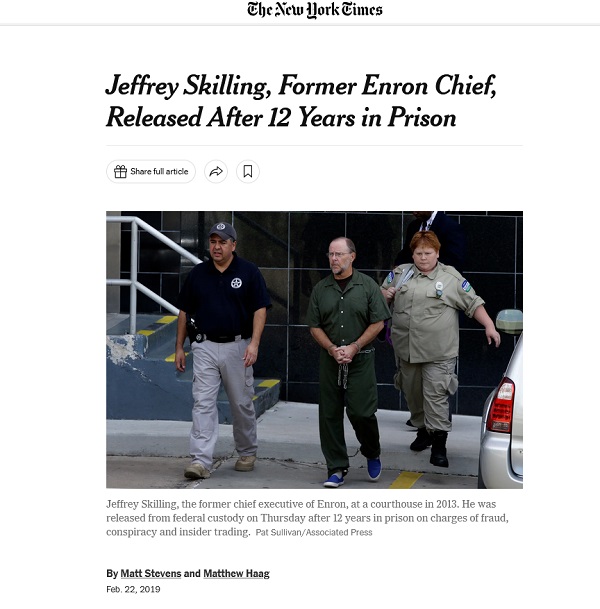
Education and Early Interests
Skilling attended West Aurora High School, where he quickly distinguished himself through his intellectual curiosity and drive for achievement. He was intensely focused on academics and displayed an early interest in economics, problem-solving, and the mechanics of business. At age 16, he took a job at a local UHF television station, WLXT-TV, gaining early exposure to the inner workings of business operations, marketing, and communications. His academic accomplishments earned him a full scholarship to Southern Methodist University (SMU) in Dallas, where he initially enrolled as an engineering student. However, he soon realized that his true interests lay in business and economics. He switched his major and thrived in SMU’s business program, eventually graduating in 1975.
After a brief period working as a corporate planner, Skilling decided to pursue graduate studies at the prestigious Harvard Business School. During his Harvard admissions interview, he famously declared, “I’m f***ing smart”—a bold statement that demonstrated the confidence, or arrogance, that would become characteristic of his public persona. Surprisingly, the remark impressed the interviewer and helped him gain admission. Skilling performed exceptionally well at Harvard and graduated in 1979 as a Baker Scholar, a distinction reserved for the top 5 percent of his graduating class.
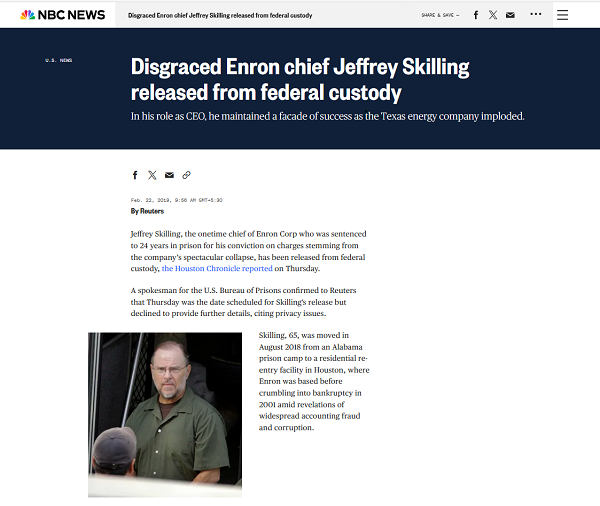
Career Beginnings at McKinsey & Company
Following his graduation from Harvard, Skilling joined McKinsey & Company, one of the world’s leading management consulting firms. He quickly became known for his sharp analytical skills, commanding presence, and relentless drive to innovate. Specializing in energy, chemical, and utility sectors, Skilling worked with numerous high-profile clients and gained deep insights into the changing nature of the American energy market. His time at McKinsey proved pivotal: not only did he become one of the youngest partners in the firm’s history, but he also developed ideas that would later transform the global energy marketplace. It was through his consulting work with Enron in the late 1980s that Skilling’s career path aligned with the company that would define his legacy.
Joining Enron and Early Leadership Roles
Enron, founded by Kenneth Lay, was in the process of redefining itself around deregulation and new markets when Skilling entered the scene. Impressed by his intellect and bold ideas, Enron recruited him in 1990 to lead Enron Finance Corporation. From the moment he arrived, Skilling pursued an ambitious vision for how energy could be traded like other commodities. His financial acumen and willingness to challenge traditional business models positioned him for rapid advancement within the company. In 1991, he became head of Enron Gas Services and later took charge of Enron Capital and Trade Resources. Skilling’s strategic innovations, including the concept of using financial contracts to hedge energy supply and demand, led Enron to embrace derivatives and complex energy trading practices. His success in these roles resulted in his promotion to president and Chief Operating Officer in 1997, making him second in command to Kenneth Lay.
.
Transforming Enron into a Trading Powerhouse
Skilling’s most enduring impact on Enron—and on global business—was his transformation of the company into a massive energy-trading hub. He sought to shift Enron’s identity from a traditional pipeline operator to a dynamic financial institution capable of trading energy, bandwidth, and a wide range of commodities. Under his direction, Enron pioneered the use of mark-to-market accounting, which allowed the company to record projected future profits as current earnings. While lauded by Wall Street for producing strong, reliable profit reports, this accounting method became one of the central mechanisms through which Enron concealed substantial financial losses and inflated its earnings.
Another major hallmark of Skilling’s management philosophy was his embrace of extreme competition within the company. Believing in a Darwinian model of corporate success, Skilling introduced a “rank-and-yank” system where employees were evaluated annually and the lowest-performing 10 percent were fired. This system created intense pressure inside Enron, fostering an environment where taking big risks—and hiding bad results—became normalized. The company appeared to flourish externally, becoming known for its innovation, financial sophistication, and aggressive expansion. But internally, the pressure to meet unrealistic profit expectations triggered unethical practices that eventually spiraled out of control.
Becoming CEO and Sudden Resignation
In February 2001, Jeffrey Skilling was named CEO of Enron, taking over the position from Kenneth Lay. For many investors and industry analysts, this promotion marked the culmination of Skilling’s influence within the company and his transformation of Enron into a high-powered financial institution. Despite his success, Skilling’s tenure as CEO lasted only six months. In August 2001, he abruptly resigned, citing personal reasons. The announcement shocked Wall Street and fueled speculation about deeper issues within the company. Within weeks of his departure, Enron began showing signs of serious financial instability. Skilling’s resignation became one of the early warning signs that Enron’s carefully constructed financial image was about to collapse. During this period, Skilling also sold a significant amount of Enron stock, which later formed part of the government’s insider trading allegations.
Collapse of Enron
Just months after Skilling’s resignation, Enron’s financial problems surfaced in full. The company's complex web of off-balance-sheet partnerships—many managed by CFO Andrew Fastow—began to unravel, revealing billions of dollars in hidden debt and fraudulent accounting practices. The inflated profits and misleading forecasts that Enron had publicized during its rise were now exposed as part of a broader scheme to deceive investors and maintain the company’s high stock valuation. As the truth emerged, Enron’s share price plummeted, and the company filed for bankruptcy in December 2001. The collapse wiped out the jobs, pensions, and savings of thousands of employees and destroyed billions of dollars in shareholder value. Enron’s downfall became a watershed moment in corporate history, prompting widespread reforms in accounting and corporate governance.
Indictment and Start of the Trial
In 2004, after years of investigations, a federal grand jury indicted Skilling on 35 counts, including conspiracy, securities fraud, insider trading, wire fraud, and making false statements. Prosecutors argued that Skilling had played a central role in deceiving investors by manipulating Enron’s accounting practices and knowingly concealing financial losses. They portrayed him as the architect of a corporate culture that rewarded deception and punished transparency. Skilling maintained that he acted in good faith, believing sincerely in Enron’s business model and future success.
The trial began in January 2006 in Houston, Texas—a city deeply affected by Enron’s collapse. Defense attorneys argued that intense media coverage and community anger made a fair trial impossible, but the court rejected attempts to relocate the case. As testimony unfolded, jurors heard from key insiders including Andrew Fastow, who claimed that top executives, including Skilling, were aware of the manipulated financial structures used to hide debt.
Conviction and Sentencing
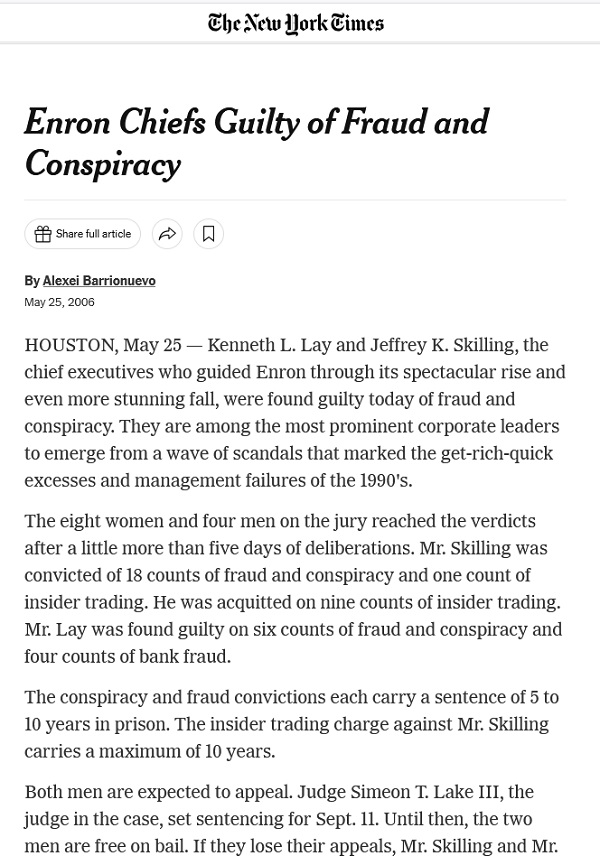
On May 25, 2006, the jury found Skilling guilty on 19 counts, including conspiracy, securities fraud, lying to auditors, and insider trading. He was acquitted on nine other counts related specifically to insider trading. The court's decision reflected the government’s argument that Skilling had knowingly participated in schemes designed to mislead investors and artificially prop up Enron’s stock price. In October 2006, he received a sentence of 24 years and four months in federal prison and was ordered to pay $45 million in restitution. His sentence was one of the harshest ever given to a corporate executive at the time, reflecting the scope and impact of Enron’s collapse. He began serving his sentence in December 2006 at a federal prison in Alabama before being transferred to facilities in Colorado.
Appeals and the Supreme Court Decision
Skilling’s legal team immediately filed appeals, challenging the fairness of the trial and the interpretation of certain fraud statutes. They argued that the “honest services fraud” law, under which he was partly convicted, was unconstitutionally vague. In 2010, the U.S. Supreme Court agreed in part, ruling that the law applied only to cases involving bribes or kickbacks, neither of which were part of the allegations against Skilling. However, the Court did not overturn his entire conviction. Instead, it sent the case back to the lower courts to determine whether the inclusion of the honest services charge had affected the overall verdict.
In 2011, the Fifth Circuit Court of Appeals upheld most of Skilling’s convictions, concluding that the jury’s decision would have been the same even without the disputed charge. These rulings preserved the majority of his sentence and left Skilling facing many more years in prison unless a settlement could be reached.
Sentence Reduction Deal and Release
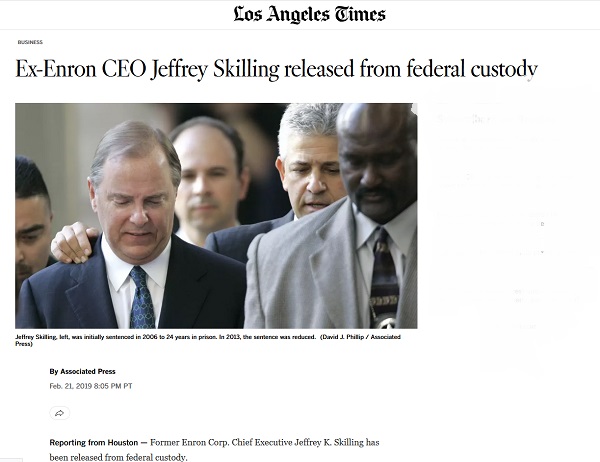
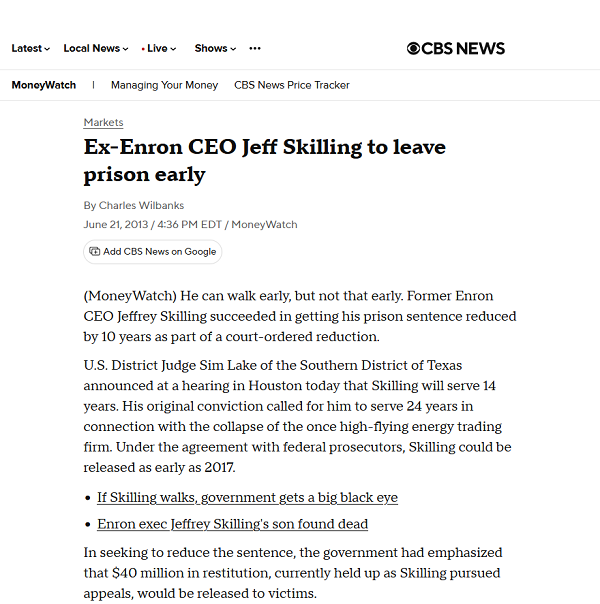
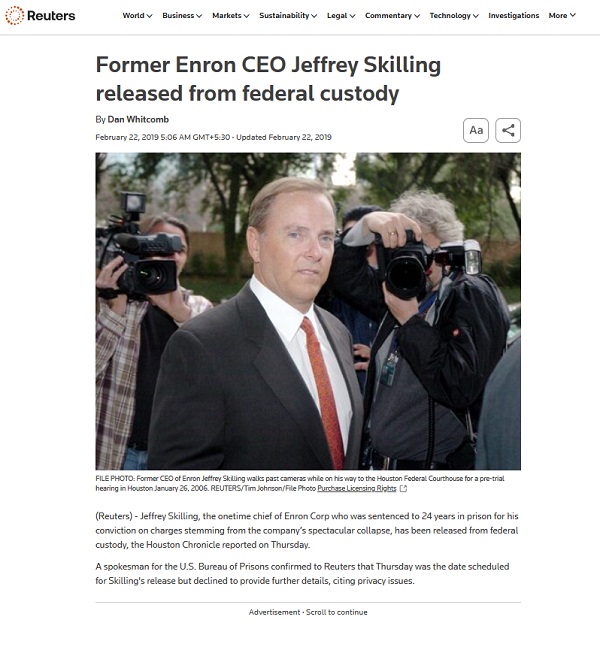
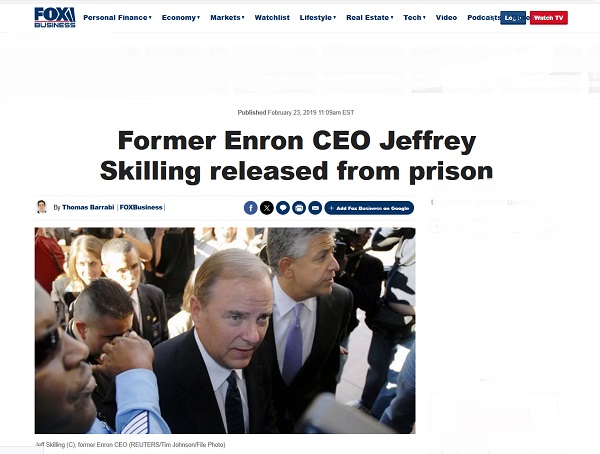
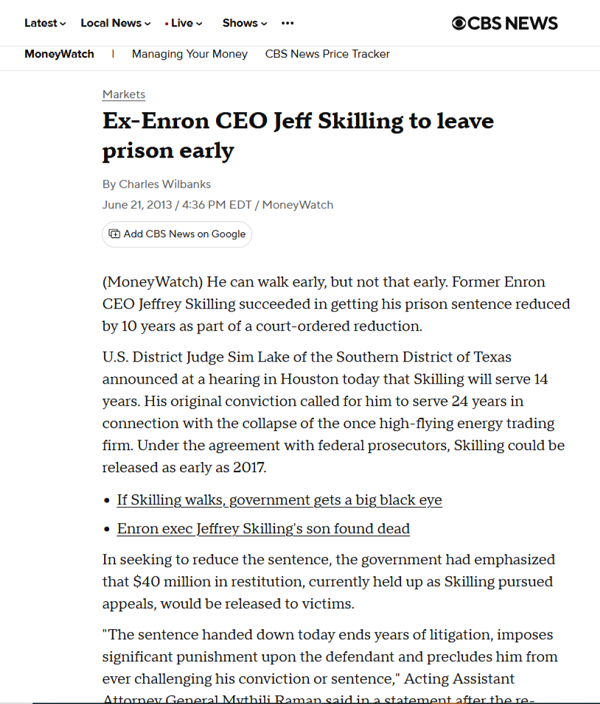
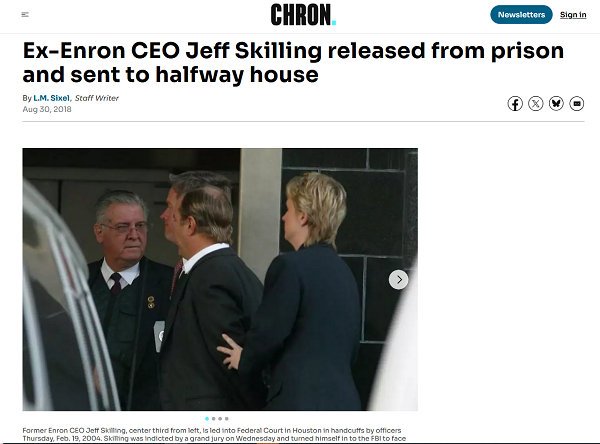
In 2013, after years of litigation, Skilling reached an agreement with the Department of Justice. Under the deal, his sentence was reduced from more than 24 years to 14 years in exchange for dropping all remaining appeals and forfeiting approximately $42 million to be used as restitution for Enron’s victims. This agreement was seen as a compromise that would provide closure for both sides while ensuring that victims received some level of compensation. Skilling was transferred to a halfway house in 2018 and was fully released from federal custody in February 2019. His release marked the end of a long legal saga that had begun nearly two decades earlier with Enron's collapse.
Philosophy and Management Style
Throughout his career, Skilling often pointed to Richard Dawkins’ book The Selfish Gene as the foundation for his competitive management philosophy. He interpreted the book as evidence that individuals, when motivated by self-interest, drive the greatest success. This interpretation underpinned his belief in creating a workplace environment governed by competition, merit, and financial incentives. Skilling believed that employees performed best when pushed to their limits and that markets operated most efficiently when allowed to self-regulate. Critics, including Dawkins himself, argued that Skilling misunderstood the book, which was intended as a scientific exploration of evolutionary biology rather than a guide for corporate ethics. Many have since argued that Skilling’s aggressive approach fostered an environment where unethical decisions became normalized in pursuit of financial rewards.
2008 Appeal Developments
During ongoing appeals in the late 2000s, Skilling’s attorneys raised concerns that prosecutors had failed to disclose inconsistencies in notes taken during FBI interviews with CFO Andrew Fastow. The defense argued that such inconsistencies might have undermined Fastow’s credibility and influenced the outcome of the trial. They also contended that prosecutors had relied too heavily on honest services fraud charges that were later narrowed by the Supreme Court. While these arguments drew media attention and fueled public debate, the courts ultimately determined that enough evidence existed independently of Fastow’s testimony to justify Skilling’s conviction. As a result, his appeals were largely rejected until the negotiated settlement in 2013.
.
SEC Civil Case and Professional Consequences
The Securities and Exchange Commission (SEC) launched a civil case against Skilling in 2004, but proceedings were halted pending the outcome of the criminal case. After his criminal appeals concluded, the SEC moved forward. In December 2015, a federal judge granted summary judgment in favor of the SEC, permanently barring Skilling from serving as an officer or director of any publicly traded company. The ruling also prohibited him from future violations of securities laws. These sanctions reflected the severity of his involvement in Enron’s collapse and ensured that he would not return to a leadership position in a publicly owned corporation. The decision was widely seen as one of the final legal consequences stemming from the Enron scandal.
Post-Prison Business Activities
After his release, Skilling maintained a low public profile but explored new business ventures. In 2020, Reuters reported that he was attempting to start a new digital energy-trading platform called Veld LLC. The company aimed to combine advanced technology with energy market insights, potentially using blockchain or algorithmic trading tools. Veld LLC was formally registered in Texas in 2021 with Rebecca Carter, Skilling’s wife, listed as manager. However, the venture was short-lived and the company withdrew its registration in August 2022. Although Skilling’s involvement in the business was widely discussed, no major public projects have been launched under his leadership since his release, suggesting that he is focusing on privacy and selective engagements rather than returning to a high-profile corporate role.
Personal Life and Family Challenges
Jeffrey Skilling married Susan Long in the 1970s, and the couple had three children. Their marriage ended in 1997 after two decades. Personal tragedy struck Skilling during his time in prison when his youngest son, John Taylor “JT” Skilling, died of a drug overdose in 2011 at the age of 20. The loss profoundly affected him and marked one of the most painful events of his life. In 2002, Skilling married Rebecca Carter, a former Enron executive who worked as vice president for board communications and corporate secretary. Carter remained loyal and supportive throughout Skilling’s lengthy legal battle and incarceration. Today, Skilling is believed to spend much of his time with his family, keeping out of the public spotlight.
Legacy and Public Perception
Jeffrey Skilling remains one of the most controversial figures in American business history. To his supporters, he was a visionary whose innovative ideas fundamentally reshaped the energy industry. They argue that he was passionate, intellectually gifted, and ahead of his time in understanding the potential of deregulated energy markets. To his critics, Skilling represents the excesses of corporate greed, the dangers of unchecked ambition, and the catastrophic consequences of prioritizing profits over responsibility. Enron’s collapse continues to be studied in business schools and is often cited as a cautionary tale about flawed leadership, toxic corporate culture, and the importance of ethical accountability. The fallout from the scandal led directly to major regulatory reforms, including the Sarbanes–Oxley Act of 2002, which imposed stricter rules on corporate governance, financial reporting, and executive accountability. Skilling’s legacy, therefore, is intertwined with both extraordinary innovation and extraordinary failure—leaving behind a complex and deeply debated impact on American corporate history.
Related Fraudsters Scammers:




Popular Links

SWINDLERS LIST
-
Top 10 Scammers !!!
Beware of these scammers...Keep them out of your mail-box...

SCAM TOOLS
-
Block Scam Mails???
Cleaning your scam filled inbox can be effected by these tools
HELP DESK
-
Waiting to help You!!!
Every problem has a solution when discussed. Discuss with us to get a clear idea to keep your information unscathed from hypocrites