Male Scammer Michael Thomas
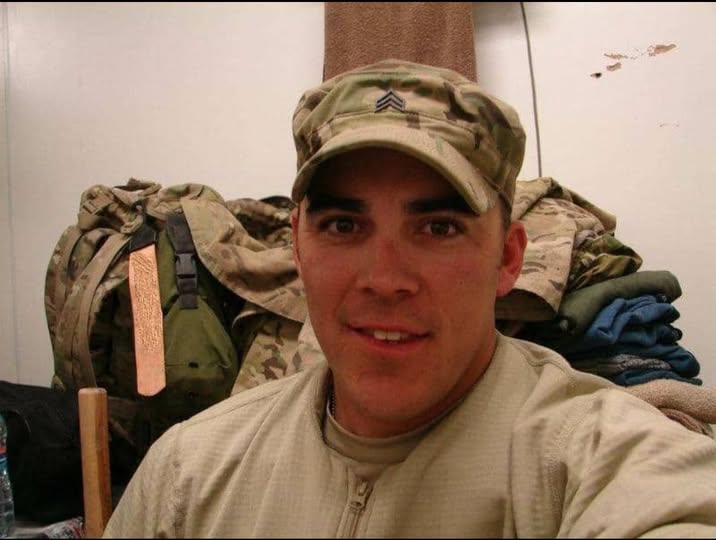
Scammer Michael Thomas
E-mail:
☆☆☆☆☆ 0 ratings
Scam Danger:
 |
Details |
|
| First Name: | Michael |
| Location [Address]: | |
| Age: | |
| Aka: | |
| Aliases: | |
| Phone: | |
Reports :
I feel it’s important to share what I recently experienced online, because situations like this can easily mislead someone who is not aware of how these scams operate. What initially seemed like a harmless interaction quickly turned into something that raised serious concerns.
It started with a Facebook profile that appeared to belong to a man serving in the military. The account looked somewhat convincing at first glance. The photos showed someone in uniform, giving the impression of authenticity and discipline. There was a sense of trust that came with that image, and I believe that is exactly what the person behind the account was relying on.
Shortly after noticing the profile, I began receiving messages. The tone was overly friendly right from the beginning, almost too personal for someone who had just made contact. The messages quickly turned into emotional conversations. There were expressions of admiration, kind words, and even poetic messages about love and connection. It felt rushed and unnatural, as if the goal was to create emotional closeness as quickly as possible.
As time went on, the story being told became more detailed. The person claimed to be deployed in Syria, describing a difficult and lonely life. There were repeated mentions of hardship, isolation, and the desire to find someone to connect with emotionally. While these kinds of stories can sound believable, something about the way they were presented felt rehearsed, almost scripted.
One of the biggest warning signs was how quickly the conversation shifted toward dependency. The messages began to include hints about needing help, asking for favors, and creating situations where I was made to feel responsible for offering support. It wasn’t direct at first, but the intention became clearer over time. The emotional pressure was subtle but persistent.
At that point, I decided to take a step back and look more closely at the account itself. That’s when the inconsistencies became impossible to ignore. The profile lacked genuine personal content. There were no real interactions from friends or family, no tagged photos, and no history that reflected a real person’s life. Everything seemed limited and controlled.
The photos, which initially seemed convincing, started to look suspicious. They appeared too perfect and disconnected from the rest of the profile. It raised the possibility that they were not original images but rather taken from somewhere else and reused to create a false identity.
Another detail that stood out was the way the person communicated. The language used in the messages did not align with the background they claimed to have. There were inconsistencies in grammar and tone, which made the entire story feel less credible. It was as if someone was trying to play a role without fully understanding how to maintain it.
Looking back, it became clear that the entire setup was designed to manipulate emotions. By presenting themselves as someone in a difficult situation—far from home, struggling, and looking for love—they were trying to gain sympathy and trust. Once that trust is built, it becomes easier for them to ask for help, whether emotional or financial.
Realizing this was not easy, but it was necessary. I understood that continuing the interaction could lead to being taken advantage of. Taking action to block and report the account felt like the right step, not just for my own safety but to help prevent others from being targeted.
What concerns me most is how convincing these situations can be. Many people may not question such profiles, especially when they appear to represent someone in the military or someone going through hardship. Scammers rely on empathy and trust, and they use those emotions to their advantage.
This experience has taught me to be more cautious and aware. It’s important to look beyond the surface and question anything that feels rushed, overly emotional, or inconsistent. Genuine connections take time, and real people have real histories that can be seen through their interactions and presence online.
I’m sharing this as a reminder to stay alert. If something feels off, it’s worth paying attention to that feeling. Taking a moment to verify, question, and observe can make a big difference. It’s better to be cautious than to risk becoming involved in something that could lead to harm.
Related Male Scammers:





Rate this Profile
Romance Scams Must read
- Dating Scams Are BIG Business
- Why scammers use fake docs?
- How to Recognize Scammer
- Asian And Chinese Online Dating Scam
- How to Recognize a Female Dating Scammer
- 10 Practical Steps to Stay Safe From Online Romance Scams
- Prevent Internet Dating Scams Using These 4 Tips
- How Romance Fraudsters Use Photoshop
- Avoid Internet Dating Scams With These 4 Practical Tips
- Gold & Romance Fraud Scenarios Led by Female Scammers
- Meeting a Model and Birthday Scam Scenarios
- Ukraine Online Dating Scams
- A Typical Translation Scam Scenario
- Online Dating Scams: The Costly Travel Scenario
- 10 Ways to Check Who You Are Chatting With
Popular Links

SWINDLERS LIST
-
Top 10 Scammers !!!
Beware of these scammers...Keep them out of your mail-box...

SCAM TOOLS
-
Block Scam Mails???
Cleaning your scam filled inbox can be effected by these tools
HELP DESK
-
Waiting to help You!!!
Every problem has a solution when discussed. Discuss with us to get a clear idea to keep your information unscathed from hypocrites