Male Scammer Jakson Mark
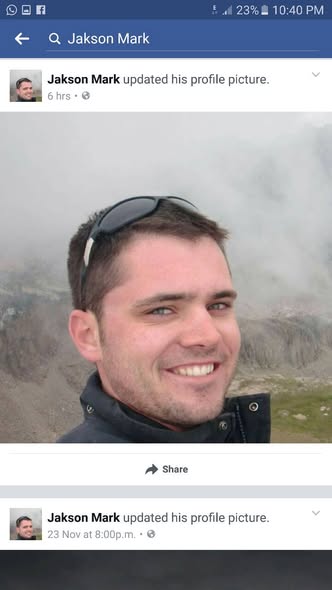
Scammer Jakson Mark
E-mail:
☆☆☆☆☆ 0 ratings
Scam Danger:
 |
Details |
|
| First Name: | Jakson |
| Location [Address]: | |
| Age: | |
| Aka: | |
| Aliases: | |
| Phone: | |
Reports :
I want to share an experience that raised serious concerns for me, in the hope that it helps others stay cautious while interacting online.
Not long ago, I noticed a new Facebook account engaging with content in a way that immediately felt unusual. The profile seemed fresh, almost too fresh, and the activity didn’t quite match what you would expect from a genuine user. At first, it appeared harmless—just another person liking posts and leaving comments—but something about it didn’t sit right.
As I paid closer attention, the inconsistencies began to stand out. The account had very little information—barely any personal details, no meaningful background, and only a few uploaded pictures. The timeline was nearly empty, which is often a sign that the account was recently created. In fact, it looked like it had been set up within the last day. That alone made me cautious.
What drew even more suspicion was the profile picture. It looked professional, almost like something taken from a website rather than a personal camera. After a bit of checking, it became clear that the image wasn’t original. It appeared to have been taken from a real estate or promotional site, suggesting that the person behind the account was using someone else’s identity to appear legitimate.
The way the account interacted also felt off. The comments were poorly written, with noticeable language errors that didn’t match the background the profile tried to present. It felt like someone pretending to be something they were not. The behavior seemed intentional—trying to blend in, gain attention, and possibly build a false sense of trust among people who might not question it.
Another major red flag was the complete lack of connections. There were no visible friends, no tagged photos, and no interactions from real people. A genuine account typically shows some level of social history—friends, conversations, shared memories—but this one had none. It felt empty, like a shell created for a specific purpose.
What concerned me the most was the way the account tried to insert itself into conversations, almost as if it was playing a role. The tone of the comments suggested an attempt to gain sympathy or appear as someone going through a situation that would make others respond emotionally. This kind of behavior is often used by scammers to manipulate people into engaging further.
After observing all of this, I felt strongly that the account was not real. It seemed to be a fake identity built using stolen images and minimal effort, likely intended to deceive and exploit. Whether the goal was financial gain, emotional manipulation, or simply trolling, it was clear that the intentions were not genuine.
Taking action felt necessary. Allowing such accounts to remain active can put others at risk, especially those who may not recognize the warning signs. Many people trust what they see online, and scammers rely on that trust to succeed. By reporting and blocking such profiles, we can reduce the chances of someone else becoming a victim.
This experience has reminded me how important it is to stay alert on social media. Not every profile represents a real person, and sometimes the smallest details—like a newly created account, stolen photos, or inconsistent behavior—can reveal the truth.
I encourage everyone to take a moment to verify before engaging. If something feels off, it probably is. Trust your instincts, and don’t hesitate to report suspicious activity. Staying informed and cautious is the best way to protect yourself and others from falling into these traps.
Related Male Scammers:






Rate this Profile
Romance Scams Must read
- Dating Scams Are BIG Business
- Why scammers use fake docs?
- How to Recognize Scammer
- Asian And Chinese Online Dating Scam
- How to Recognize a Female Dating Scammer
- 10 Practical Steps to Stay Safe From Online Romance Scams
- Prevent Internet Dating Scams Using These 4 Tips
- How Romance Fraudsters Use Photoshop
- Avoid Internet Dating Scams With These 4 Practical Tips
- Gold & Romance Fraud Scenarios Led by Female Scammers
- Meeting a Model and Birthday Scam Scenarios
- Ukraine Online Dating Scams
- A Typical Translation Scam Scenario
- Online Dating Scams: The Costly Travel Scenario
- 10 Ways to Check Who You Are Chatting With
Popular Links

SWINDLERS LIST
-
Top 10 Scammers !!!
Beware of these scammers...Keep them out of your mail-box...

SCAM TOOLS
-
Block Scam Mails???
Cleaning your scam filled inbox can be effected by these tools
HELP DESK
-
Waiting to help You!!!
Every problem has a solution when discussed. Discuss with us to get a clear idea to keep your information unscathed from hypocrites