Male Scammer Joshua Damien_Marion
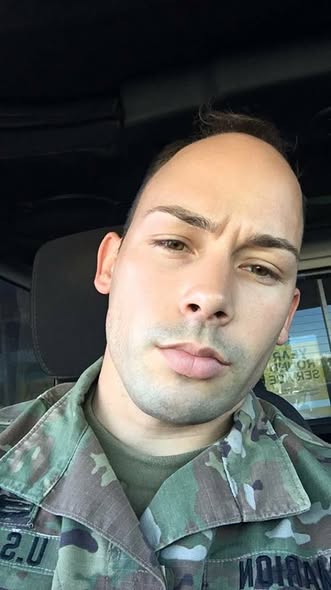
Scammer Joshua Damien_Marion
E-mail: williamsalexanderholmes_moneygram@usa.com
☆☆☆☆☆ 0 ratings
Scam Danger:
 |
Details |
|
| First Name: | Joshua |
| Location [Address]: | |
| Age: | |
| Aka: | |
| Aliases: | |
| Phone: | |
Reports :
I want to share an experience that I believe is extremely important, especially for those who may have already been through a scam or are trying to recover from one. What happened to me was not just another fake profile situation—it was something more calculated and, in many ways, even more dangerous.
It began with a message that appeared to offer help. The person claimed to be associated with the military and presented themselves as someone trustworthy and capable of assisting victims of scams. At first, this seemed reassuring. When you’ve either experienced or are aware of scams, the idea that someone can help recover losses or provide support can feel like a lifeline.
But something about the message felt off.
The account itself looked questionable. While it had a profile photo and basic details, there was very little real content behind it. The page seemed newly created, with minimal activity and no genuine interactions. It didn’t reflect the kind of history you would expect from a real person with a stable identity.
The message I received included an email address, with instructions suggesting that anyone who had been a victim of a scam should reach out to that email for assistance. It was presented in a very direct and confident way, almost as if it were an official service. However, the more I looked at it, the more it seemed suspicious.
The language used in the message was not professional. It lacked clarity and structure, which made it hard to believe that it came from someone legitimate—especially someone claiming to be in a position to help others recover from scams. It felt rushed, poorly constructed, and overly generic, as if it had been sent to many people at once.
What truly raised concern was the approach itself. Instead of providing verifiable information or directing people to official channels, the person pushed a single email contact. There were no credentials, no proof of legitimacy, and no transparency about how this “help” would actually work. It felt like a trap rather than a solution.
As I continued to observe, it became clear that this was not someone trying to help—it was someone trying to take advantage of people who had already been targeted before. This type of situation is particularly harmful because it preys on vulnerability. When someone has already been affected by a scam, they may be more willing to trust anyone offering assistance.
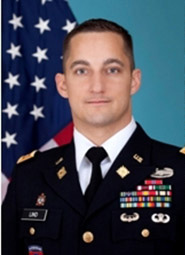
Looking deeper into the profile, more inconsistencies appeared. The information provided didn’t align well, and the overall presentation lacked authenticity. The photos used on the account seemed disconnected from the rest of the profile, suggesting that they might not belong to the person behind it. This reinforced the suspicion that the identity was fabricated.
The realization was unsettling. This was not just a simple fake account—it was what is known as a recovery scam. Instead of targeting new victims, it specifically aims at those who may already be struggling from previous experiences. The goal is to gain their trust once again, only to exploit them further.
Understanding this made it clear that action needed to be taken. Continuing any form of engagement would only create more risk. The safest decision was to block the account and report it immediately. It felt important not just to protect myself, but also to prevent others from falling into the same situation.
What makes this experience stand out is how it plays on hope. Unlike other scams that rely on building relationships or creating emotional stories, this one uses the promise of help as its main tool. It presents itself as a solution, when in reality it is just another layer of deception.
This has been a strong reminder that not all offers of help are genuine. Real assistance does not come from random messages, unverified profiles, or unofficial email addresses. Legitimate support systems are transparent, professional, and easy to verify.
I’m sharing this so others can be aware of how these scams evolve. It’s not always about obvious lies or fake identities anymore—sometimes it’s about pretending to fix a problem that was never going to be solved that way.
If there’s one thing I’ve learned, it’s to pause and question anything that feels uncertain. Even when something appears helpful, it’s important to verify it before taking any action. Being cautious can prevent further harm, especially in situations where trust has already been shaken.
Related Male Scammers:


Rate this Profile
Romance Scams Must read
- Dating Scams Are BIG Business
- Why scammers use fake docs?
- How to Recognize Scammer
- Asian And Chinese Online Dating Scam
- How to Recognize a Female Dating Scammer
- 10 Practical Steps to Stay Safe From Online Romance Scams
- Prevent Internet Dating Scams Using These 4 Tips
- How Romance Fraudsters Use Photoshop
- Avoid Internet Dating Scams With These 4 Practical Tips
- Gold & Romance Fraud Scenarios Led by Female Scammers
- Meeting a Model and Birthday Scam Scenarios
- Ukraine Online Dating Scams
- A Typical Translation Scam Scenario
- Online Dating Scams: The Costly Travel Scenario
- 10 Ways to Check Who You Are Chatting With
Popular Links
SWINDLERS LIST
-
Top 10 Scammers !!!
Beware of these scammers...Keep them out of your mail-box...

SCAM TOOLS
-
Block Scam Mails???
Cleaning your scam filled inbox can be effected by these tools
HELP DESK
-
Waiting to help You!!!
Every problem has a solution when discussed. Discuss with us to get a clear idea to keep your information unscathed from hypocrites