Male Scammer Davis Ernst
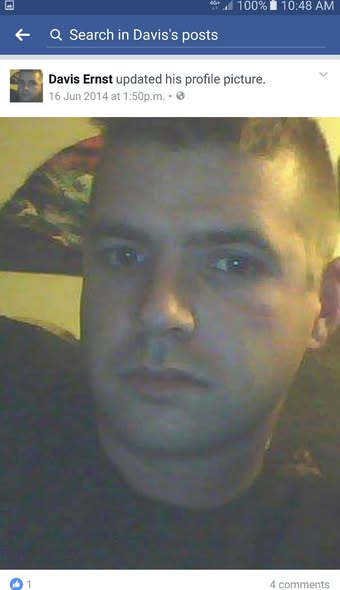
Scammer Davis Ernst
E-mail:
☆☆☆☆☆ 0 ratings
Scam Danger:
 |
Details |
|
| First Name: | Davis |
| Location [Address]: | |
| Age: | |
| Aka: | |
| Aliases: | |
| Phone: | |
Reports :
I never thought I would end up in a situation like this, but looking back, I can clearly see how everything unfolded step by step. What started as a simple online connection slowly turned into something that felt real, until the truth finally came to light.
It began with a friend request on Facebook. The profile appeared to belong to someone serving in the military. There were photos, a name, and basic details that made the account seem believable. Nothing immediately stood out as suspicious, and I accepted the request without much hesitation.
Soon after, the messages started.
At first, the conversations were casual and friendly. There was a polite tone, simple questions about daily life, and a gradual effort to get to know me. It didn’t feel unusual in the beginning. Over time, though, the communication became more frequent and more personal. The person showed a lot of interest, always responding quickly and keeping the conversation going.
What I didn’t realize at the time was how quickly the connection was being pushed forward. There was a strong emotional element introduced early on. Compliments, kind words, and expressions of care started appearing more often. It felt comforting, especially because it seemed like someone genuinely cared and was paying attention.
As the days went by, the conversations deepened. There were stories about life, work, and personal struggles. The person claimed to be in the army, often mentioning being away from home and dealing with a difficult environment. These details created a sense of sympathy and made the situation feel real. It’s easy to trust someone when they appear to be sharing their hardships.
At some point, the connection started to feel like more than just casual conversation. It began to resemble a relationship. There was talk of feelings, future plans, and a sense of emotional attachment that developed surprisingly fast. Looking back now, I can see how rushed it all was, but at the time, it felt genuine.
However, small doubts began to appear.
There were moments when the information didn’t quite match up. The profile itself had very little depth. There were no meaningful interactions with other people, no tagged photos, and no real history that showed a normal life. It felt isolated, almost like it existed only for our conversations.
The photos on the account also started to feel questionable. They looked real, but there was no context around them. No family, no friends, no memories—just standalone images. It made me wonder if they truly belonged to the person I was speaking with.
Another thing that stood out was the way the conversations were handled. Whenever I asked specific questions, the answers were often vague or avoided altogether. It felt like I was not getting clear or direct responses, which made me uneasy.
Despite these concerns, the emotional connection made it difficult to step back immediately. That’s what makes situations like this so complicated. When feelings are involved, it becomes harder to think logically and question what’s happening.
Eventually, the situation started to shift in a way that made things clearer. There were hints about needing help, subtle at first, but noticeable. The tone changed slightly, introducing the idea of support and understanding in a way that suggested something more might be asked in the future.
That was the moment I decided to stop and take a closer look at everything.
The more I analyzed the profile and the conversations, the more it became obvious that something was not right. The account lacked authenticity, the stories felt rehearsed, and the overall pattern matched what I later recognized as a common scam approach.
It was not easy to accept, but I realized that the person I had been talking to was not who they claimed to be. The identity was likely fake, built using stolen photos and false information. The intention behind the interaction was not genuine—it was designed to build trust and eventually take advantage of it.
Coming to that realization was difficult, but it was also necessary.
I chose to stop all communication, block the account, and report it. It felt like the only way to protect myself and prevent the situation from going any further.
What stays with me the most is how real it all felt at the time. The conversations, the emotions, the connection—it all seemed genuine. But in reality, it was carefully constructed to create that exact impression.
This experience has taught me to be more cautious when it comes to online interactions. It’s important to look beyond the surface and pay attention to the details. A real person will have a real presence—friends, history, interactions, and consistency. When those things are missing, it’s worth asking why.
I also learned that emotional connections should not be rushed. Genuine relationships take time to build. When something moves too quickly or feels too intense too soon, it’s important to pause and evaluate the situation.
I’m sharing this because I don’t want others to go through the same experience. These scams are designed to target trust and emotions, and anyone can be affected. It’s not about being careless—it’s about being human.
If something feels off, it’s always better to trust that instinct and take a step back. Staying aware and cautious can make a huge difference.
Related Male Scammers:



Rate this Profile
Romance Scams Must read
- Dating Scams Are BIG Business
- Why scammers use fake docs?
- How to Recognize Scammer
- Asian And Chinese Online Dating Scam
- How to Recognize a Female Dating Scammer
- 10 Practical Steps to Stay Safe From Online Romance Scams
- Prevent Internet Dating Scams Using These 4 Tips
- How Romance Fraudsters Use Photoshop
- Avoid Internet Dating Scams With These 4 Practical Tips
- Gold & Romance Fraud Scenarios Led by Female Scammers
- Meeting a Model and Birthday Scam Scenarios
- Ukraine Online Dating Scams
- A Typical Translation Scam Scenario
- Online Dating Scams: The Costly Travel Scenario
- 10 Ways to Check Who You Are Chatting With
Popular Links

SWINDLERS LIST
-
Top 10 Scammers !!!
Beware of these scammers...Keep them out of your mail-box...

SCAM TOOLS
-
Block Scam Mails???
Cleaning your scam filled inbox can be effected by these tools
HELP DESK
-
Waiting to help You!!!
Every problem has a solution when discussed. Discuss with us to get a clear idea to keep your information unscathed from hypocrites