Male Scammer Donald Lopez
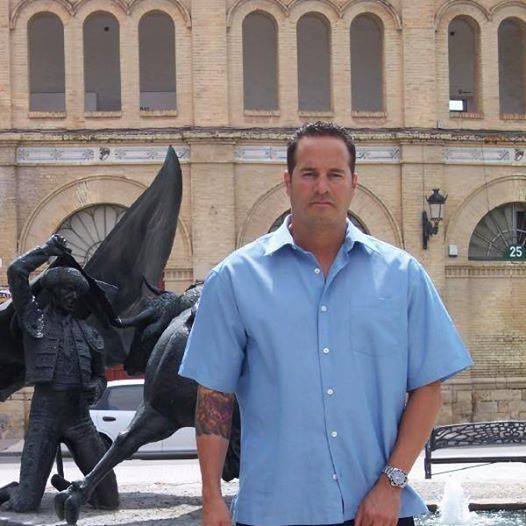
Scammer Donald Lopez
E-mail:
☆☆☆☆☆ 0 ratings
Scam Danger:
 |
Details |
|
| First Name: | Donald |
| Location [Address]: | |
| Age: | |
| Aka: | |
| Aliases: | |
| Phone: | |
Reports :
I want to share something that recently happened to me online, because it made me realize how easily someone can be misled when trust is built the wrong way.
It started with a friend request on Facebook from a profile that appeared to belong to someone in the military. At first glance, the account looked simple but believable. There was a profile picture, a few details, and just enough information to make it seem like a real person. I didn’t think much of it at the time and accepted the request.
Soon after, the messages began.
The tone was friendly and polite, but it quickly became more personal than I expected. There was an immediate attempt to build a connection—asking about my life, showing interest, and sharing small details about himself. It felt a bit fast, but not enough at the time to raise serious concern.
As the conversations continued, I started noticing certain things that didn’t quite add up. The account itself was very new and almost empty. There were no real interactions with other people, no meaningful posts, and no signs of a genuine social presence. It felt like the profile existed only for messaging.
The story being told was also something I’ve now come to recognize as a common pattern. There were claims about being in the military, being away from home, and living a difficult life. The messages were carefully worded to create sympathy and trust. It was subtle at first, but the emotional tone kept increasing over time.
What made me uncomfortable was how quickly the conversation started to feel serious. There were hints of emotional attachment, even though we barely knew each other. It felt unnatural, like the connection was being forced rather than developed naturally.
At that point, I decided to take a closer look at the profile. That’s when things became clearer. The photos seemed disconnected from the rest of the account, almost like they didn’t belong there. There was no consistency, no history, and no evidence of a real person behind the profile. It gave me the strong impression that the images might not even belong to the person I was speaking with.
Another thing that stood out was the lack of depth in the conversation. While the messages seemed friendly, they often avoided specific details or gave vague answers. It felt like I was talking to someone who was following a script rather than having a genuine conversation.
Looking back, I believe the intention was to build trust quickly and then take advantage of it. Whether it would have led to requests for money or other forms of help, I can’t say for certain—but the pattern was clearly heading in that direction.
Realizing this wasn’t easy, but it was necessary. I chose to stop engaging, block the account, and report it. It felt like the safest thing to do, not just for myself but for others who might come across the same profile.
What worries me is how convincing these accounts can be at first. They don’t always look obviously fake. Sometimes they rely on simple details and emotional tactics rather than complex setups. That’s what makes them dangerous.
This experience has taught me to be more cautious. It’s important to question things that feel rushed or too good to be true. Genuine people don’t try to form deep connections immediately, and real profiles usually have a history that reflects a real life.
I’m sharing this so others can stay alert. If something doesn’t feel right, it’s worth paying attention to that feeling. Taking a step back and looking more closely can help avoid getting caught in situations like this.
Related Male Scammers:




Rate this Profile
Romance Scams Must read
- Dating Scams Are BIG Business
- Why scammers use fake docs?
- How to Recognize Scammer
- Asian And Chinese Online Dating Scam
- How to Recognize a Female Dating Scammer
- 10 Practical Steps to Stay Safe From Online Romance Scams
- Prevent Internet Dating Scams Using These 4 Tips
- How Romance Fraudsters Use Photoshop
- Avoid Internet Dating Scams With These 4 Practical Tips
- Gold & Romance Fraud Scenarios Led by Female Scammers
- Meeting a Model and Birthday Scam Scenarios
- Ukraine Online Dating Scams
- A Typical Translation Scam Scenario
- Online Dating Scams: The Costly Travel Scenario
- 10 Ways to Check Who You Are Chatting With
Popular Links

SWINDLERS LIST
-
Top 10 Scammers !!!
Beware of these scammers...Keep them out of your mail-box...

SCAM TOOLS
-
Block Scam Mails???
Cleaning your scam filled inbox can be effected by these tools
HELP DESK
-
Waiting to help You!!!
Every problem has a solution when discussed. Discuss with us to get a clear idea to keep your information unscathed from hypocrites