Male Scammer Johnny Wiater
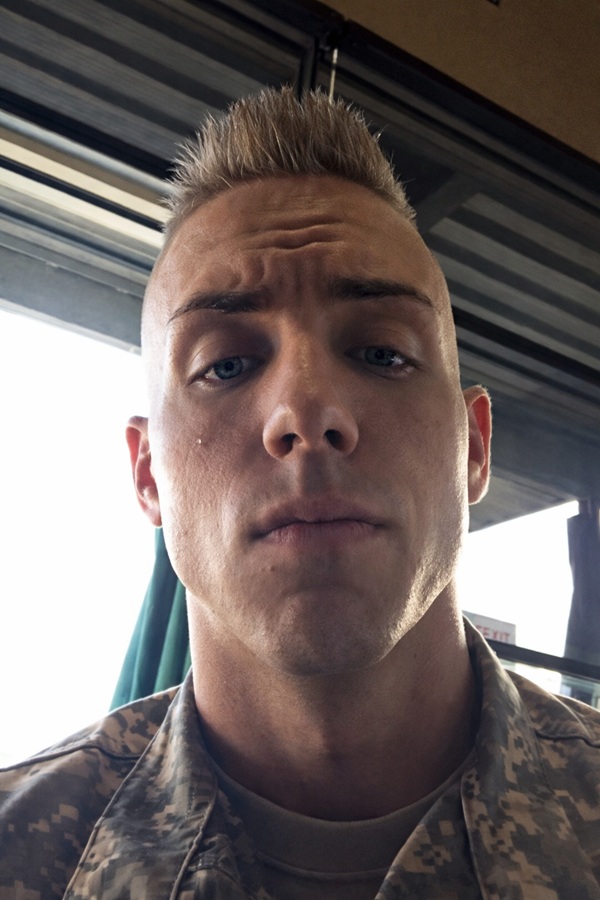
Scammer Johnny Wiater
E-mail:
☆☆☆☆☆ 0 ratings
Scam Danger:
 |
Details |
|
| First Name: | Johnny |
| Location [Address]: | |
| Age: | |
| Aka: | Johnny |
| Aliases: | |
| Phone: | |
Reports :
I'm writing this to share my experience and to warn others, because what happened to me could easily happen to anyone. It didn't start with anything dramatic—just a simple message from someone who seemed genuine, respectful, and trustworthy.
I received a friend request on Facebook from a profile that looked very convincing. The photos showed a man in a U.S. Army uniform, serious but approachable. There was nothing that immediately raised suspicion. Like many people do, I accepted the request without thinking too deeply about it.
Soon after, he sent me a message. He introduced himself as "Johnny Wiater" and said he was serving in the U.S. Army. His tone was polite, calm, and friendly. He talked about being deployed, about the challenges of his work, and how lonely it could get being far away from home. At first, everything he said sounded believable. There was no obvious reason to doubt him.
Our conversations became more frequent over time. He would message every day, sometimes multiple times a day. He asked about my life, my interests, my daily routine. He listened—at least, it felt like he did. He said things that made me feel comfortable, like I was talking to someone who genuinely cared.
Looking back, I can see how carefully everything was planned.
He didn't rush anything at the beginning. He took his time building trust. He shared stories about his life, about his supposed duties, and about how much he valued having someone to talk to. He made it seem like our connection was something special, something rare.
Then, gradually, the tone of the conversations started to change.
He began talking more about his struggles. He said he was dealing with certain problems related to his deployment. He mentioned not having access to his personal funds and being unable to handle certain situations because of where he was stationed. At first, it sounded like he just needed someone to listen.
But then the requests started.
He asked for help.
He made it seem like a temporary situation—something urgent that he couldn't resolve on his own. He said I was the only person he could trust. That kind of statement carries a lot of emotional weight, especially when you've already spent time building what feels like a genuine connection.
Still, something didn't sit right with me.
I started noticing small inconsistencies. The details in his stories didn't always match up. When I asked specific questions about his role or location, his answers were vague or changed slightly over time. It felt like he was avoiding giving any real, verifiable information.
There were moments where his responses felt scripted, like he was following a pattern rather than speaking naturally. At first, I tried to ignore these feelings, but they kept coming back.
One of the biggest turning points for me was when I started looking more closely at his profile. Despite claiming to be in the U.S. Army, there was very little real information available. The profile seemed active, but not in a genuine way. It lacked the kind of personal history you would expect from a real person.
So I decided to take a closer look.
I saved one of his photos and searched for it online. What I found was shocking. The same image appeared on other sites, linked to completely different names and identities. That was the moment everything became clear.
The photos were stolen.
The person I had been talking to was not the man in the pictures. The entire profile was fake—carefully designed to look real, to gain trust, and to manipulate people emotionally and financially.
I felt a wave of emotions all at once. Disbelief, frustration, and a sense of betrayal. Even though I had never met this person in real life, the conversations had felt real. That's what makes these scams so dangerous—they don't feel like scams while they're happening.
I immediately stopped all communication. I blocked the account and reported it. It was important to me to cut off contact completely once I understood what was going on.
Afterward, I reflected on everything that had happened. I realized how subtle the manipulation was. There were no obvious warning signs at the very beginning. It was a gradual process—building trust first, then slowly introducing emotional dependency, and finally making requests for help.
I also learned that this type of scam is more common than I thought. Scammers often pretend to be in the military because it gives them a believable reason for why they can't meet in person, why they have limited communication, and why they might need financial assistance. They use stolen photos to create a sense of authenticity, and they rely on emotional connection to lower their victim's defenses.
One important thing I want to make clear is this: real members of the military do not reach out to strangers online asking for money. They do not build relationships quickly and then place financial pressure on someone they've never met.
If something feels off, it probably is.
This experience has made me much more cautious. I no longer accept friend requests without carefully reviewing the profile. I question inconsistencies. I take my time before trusting anyone online.
Most importantly, I've learned to trust my instincts.
If I had ignored that uneasy feeling, things could have turned out very differently. I'm grateful that I recognized the signs when I did, but I know not everyone gets that chance.
That's why I'm sharing this.
These scammers rely on people staying silent. They rely on embarrassment and doubt to keep their victims from speaking out. But the more we talk about it, the more awareness we create, and the harder it becomes for them to succeed.
If you ever find yourself in a similar situation, take a step back. Look at the details. Ask questions. Verify the information. And most importantly, don't let anyone pressure you into sending money or personal information.
You are not being rude by protecting yourself. You are being smart.
What happened to me was a wake-up call. It reminded me that not everyone online is who they claim to be, no matter how convincing they appear.
Stay alert. Stay informed. And don't let anyone take advantage of your trust.
Related Male Scammers:




Rate this Profile
Romance Scams Must read
- Dating Scams Are BIG Business
- Why scammers use fake docs?
- How to Recognize Scammer
- Asian And Chinese Online Dating Scam
- How to Recognize a Female Dating Scammer
- 10 Practical Steps to Stay Safe From Online Romance Scams
- Prevent Internet Dating Scams Using These 4 Tips
- How Romance Fraudsters Use Photoshop
- Avoid Internet Dating Scams With These 4 Practical Tips
- Gold & Romance Fraud Scenarios Led by Female Scammers
- Meeting a Model and Birthday Scam Scenarios
- Ukraine Online Dating Scams
- A Typical Translation Scam Scenario
- Online Dating Scams: The Costly Travel Scenario
- 10 Ways to Check Who You Are Chatting With
Popular Links

SWINDLERS LIST
-
Top 10 Scammers !!!
Beware of these scammers...Keep them out of your mail-box...

SCAM TOOLS
-
Block Scam Mails???
Cleaning your scam filled inbox can be effected by these tools
HELP DESK
-
Waiting to help You!!!
Every problem has a solution when discussed. Discuss with us to get a clear idea to keep your information unscathed from hypocrites