Male Scammer Ibegbu Shadrach

Scammer Ibegbu Shadrach
E-mail:
☆☆☆☆☆ 0 ratings
Scam Danger:
 |
Details |
|
| First Name: | Ibegbu |
| Location [Address]: | |
| Age: | |
| Aka: | |
| Aliases: | Shadrach |
| Phone: | |
Reports :
I'm sharing this because I don't want anyone else to go through the same experience I did. What started as a simple online interaction turned into something that made me question my judgment, my trust, and how easily someone can manipulate emotions through a screen.
It began with a friend request on Facebook. At first glance, the profile looked completely normal. The photos showed a man who appeared to be in the military—confident, composed, and genuine. There was nothing obviously suspicious about it. Like many people do, I accepted the request without thinking too much about it.
Shortly after, I received a message. It was polite, respectful, and friendly. He introduced himself as someone working in the U.S. Army. He spoke about being stationed far from home, about the loneliness that came with his job, and how difficult it was to stay connected with people. At the time, it sounded believable. I didn't have any reason to doubt him right away.
Our conversations became more frequent. He was consistent—always checking in, always asking how I was doing. He made me feel seen and heard in a way that felt comforting. Over time, he started opening up more, sharing stories about his life, his work, and his supposed experiences in the military. Looking back now, I realize those stories were vague and often lacked real detail, but at the time, I didn't question them.
What really made me trust him was how quickly he created an emotional connection. He would say things that felt sincere, like how much he valued our conversations and how rare it was to find someone who understood him. It felt personal. It felt real. And that's exactly how he gained my trust.
But slowly, things began to shift.
He started talking about problems—issues that he claimed he couldn't solve on his own because of his situation overseas. At first, it sounded like he just needed someone to talk to. But then the conversations turned toward needing help. He mentioned things like not having access to his finances, needing assistance with certain "urgent" matters, and being unable to rely on anyone else.
That's when I started to feel uncomfortable.
There was a sense of pressure in the way he spoke. It wasn't aggressive, but it was persistent. He made it seem like I was the only person he could trust. That kind of emotional weight is hard to ignore, especially when you've already built what feels like a connection with someone.
Still, something didn't feel right.
I started paying closer attention. The details in his stories didn't always match up. When I asked specific questions about his role or location, the answers were either unclear or changed slightly over time. It felt like he was avoiding anything that could expose him.
One thing that stood out to me was the identity itself. There were inconsistencies that I couldn't ignore anymore. The name, the background, and the way he communicated didn't fully align with what I would expect from someone in the position he claimed to be in. At first, I tried to give him the benefit of the doubt, but the more I thought about it, the more suspicious it became.
So I decided to do some research.
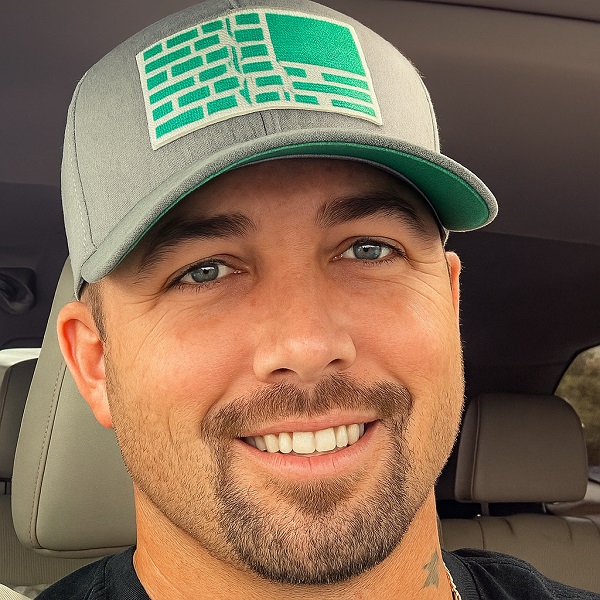
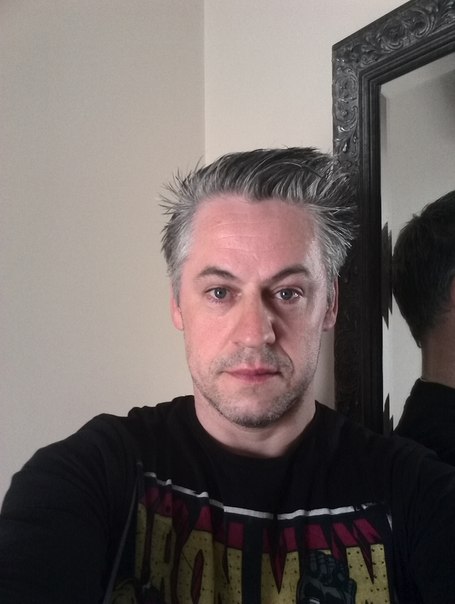
I took one of the photos from his profile and searched for it online. What I found was alarming. The same image appeared on different websites, associated with completely different names and identities. That was the moment everything changed for me.
It became clear that the photos were stolen.
The person I had been talking to was not the person in the pictures. The entire profile was fake—a carefully constructed identity designed to gain trust and manipulate people. All the conversations, the emotional connection, the stories—it was all part of a scam.
I felt a mix of emotions. Shock, disappointment, and even a bit of anger. Not just at the situation, but at myself for not seeing the signs sooner. But the truth is, these scams are designed to be convincing. They rely on human emotion, on trust, on the natural desire to connect with others.
I immediately stopped responding. I blocked the account and reported it. It was important to me to cut off all communication as soon as I understood what was happening.
What makes this experience even more concerning is how real it felt while it was happening. There were no obvious warning signs at the very beginning. It was a gradual process—building trust first, then introducing the manipulation.
I've since learned that this is a common tactic. Scammers often pretend to be in the military because it adds a layer of credibility and explains why they can't meet in person or access certain resources. They use stolen photos to make the profile look authentic. And they take their time building trust before making any requests.
This experience has taught me to be much more cautious online. Not everyone is who they claim to be, no matter how convincing they seem. It's important to verify identities, to question inconsistencies, and to trust your instincts when something feels off.
If I could give any advice to others, it would be this: don't ignore red flags, no matter how small they seem. Take your time before trusting someone online. And if anyone you've never met starts asking for money or personal help, take a step back and evaluate the situation carefully.
No real soldier will ask a stranger for money online. No genuine person will rush an emotional connection and then place you under pressure to help them financially.
I'm sharing this not out of fear, but out of awareness. These scams are real, and they happen more often than people realize. The more we talk about them, the harder it becomes for scammers to succeed.
Stay alert, trust yourself, and don't let anyone take advantage of your kindness.
Related Male Scammers:



Rate this Profile
Romance Scams Must read
- Dating Scams Are BIG Business
- Why scammers use fake docs?
- How to Recognize Scammer
- Asian And Chinese Online Dating Scam
- How to Recognize a Female Dating Scammer
- 10 Practical Steps to Stay Safe From Online Romance Scams
- Prevent Internet Dating Scams Using These 4 Tips
- How Romance Fraudsters Use Photoshop
- Avoid Internet Dating Scams With These 4 Practical Tips
- Gold & Romance Fraud Scenarios Led by Female Scammers
- Meeting a Model and Birthday Scam Scenarios
- Ukraine Online Dating Scams
- A Typical Translation Scam Scenario
- Online Dating Scams: The Costly Travel Scenario
- 10 Ways to Check Who You Are Chatting With
Popular Links

NEWS & EVENTS
The world's most prevalent social network said that to date, it has acquired lawful judgments of about $2 billion against deceitful exerci

SWINDLERS LIST
-
Top 10 Scammers !!!
Beware of these scammers...Keep them out of your mail-box...
SCAM TOOLS
-
Block Scam Mails???
Cleaning your scam filled inbox can be effected by these tools
HELP DESK
-
Waiting to help You!!!
Every problem has a solution when discussed. Discuss with us to get a clear idea to keep your information unscathed from hypocrites