Male Scammer Eric William
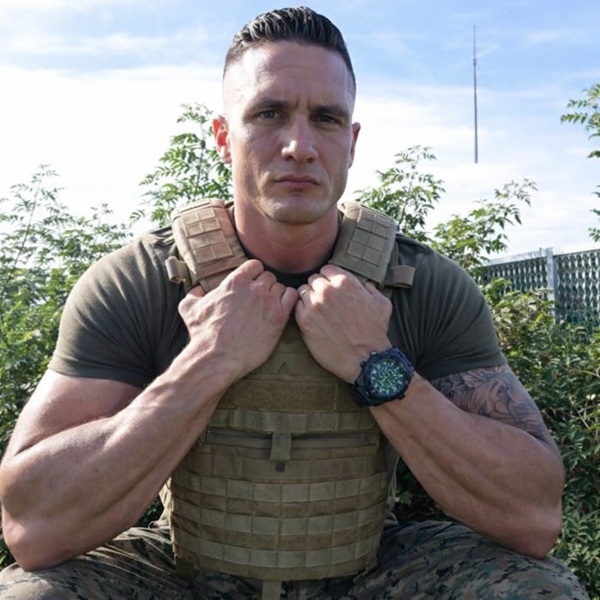
Scammer Eric William
E-mail:
★★★☆☆ 1 ratings
Scam Danger:
 |
Details |
|
| First Name: | Eric |
| Location [Address]: | |
| Age: | 34 |
| Aka: | |
| Aliases: | |
| Phone: | |
Reports :
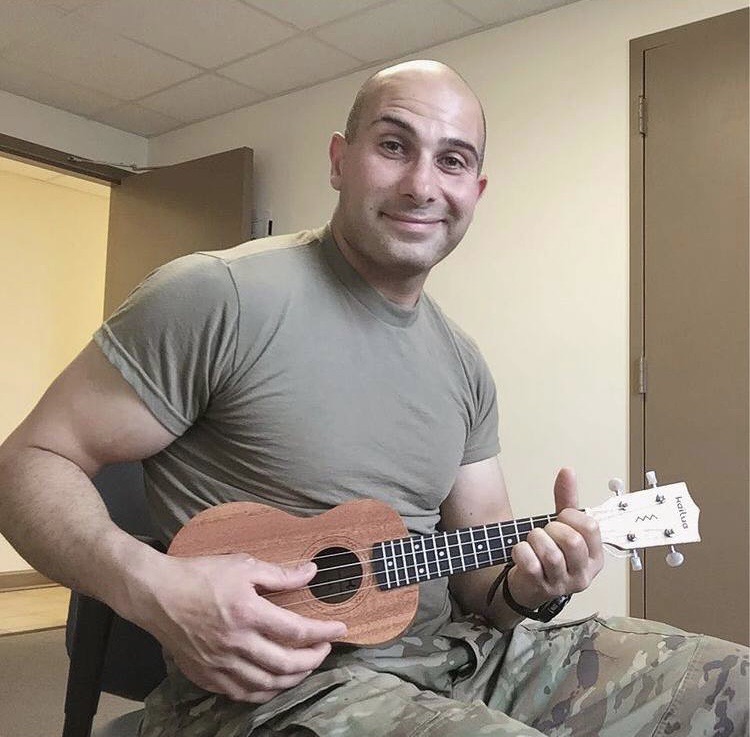
I never imagined that something as simple as accepting a friend request on Facebook could turn into such a disturbing and eye-opening experience. It all started in a very ordinary way. I received a friend request from someone named "Eric William." At first glance, nothing seemed out of place. The profile had photos of a man in military attire, someone who appeared disciplined, strong, and trustworthy. There was also another image of him in tactical gear, which reinforced the impression that he was genuinely part of the military.The profile didn't look empty or obviously fake. It had a reasonable number of friends, some photos, and just enough activity to appear real. I remember thinking that perhaps this was someone I might have crossed paths with online before, or maybe even a mutual connection through other platforms. Without overthinking it, I accepted the request.
That moment marked the beginning of an experience I wish I had never gone through.
Shortly after I accepted, I received a message. It was polite and straightforward—just a greeting and a brief introduction. There was nothing unusual about it. I responded casually, not expecting anything more than a short exchange. But the conversation didn't stop there. It continued, and over time, it became more frequent.
The person behind the profile was very engaging. He communicated in a calm, respectful manner and seemed genuinely interested in getting to know me. He asked questions about my life, my interests, and my daily routine. At the same time, he shared stories about himself—about being in the military, about being stationed far from home, and about the loneliness that came with that lifestyle.
At first, it felt like a normal interaction. It's not uncommon for people to connect online and share parts of their lives. But as the days went by, the conversations became more personal, more intense. There was a noticeable effort to build emotional closeness very quickly.
Looking back now, I realize how carefully everything was planned.
The profile itself was designed to create trust. The use of military images gave an impression of honor, discipline, and credibility. It's something many people instinctively respect. The photos looked authentic, not overly edited or suspicious. Everything about the account was structured to appear real enough to avoid immediate doubt.
But then, small details began to raise questions.
One of the first things I noticed was the lack of genuine interaction on the profile. Despite having over 200 friends, there were very few comments or meaningful engagements on posts. The friends list itself seemed random, with no clear connections or consistent relationships. It didn't feel like a real network of people who knew each other.
Then there were inconsistencies in the conversations.
Details about his location, his duties, and even his daily schedule would change slightly over time. When I asked specific questions, the answers were often vague or avoided altogether. Sometimes the responses felt scripted, as if they were carefully chosen rather than naturally spoken.
Still, I tried to give the benefit of the doubt. It's easy to assume misunderstandings in online communication. But deep down, something didn't feel right.
The turning point came when the tone of the conversation shifted.
What had started as friendly exchanges began to take on a more emotional and urgent tone. He started expressing feelings very quickly—talking about trust, connection, and even hinting at deeper emotional attachment. It felt rushed, almost forced. There was a sense that he was trying to create a bond faster than what would normally happen in a genuine relationship.
Then came the stories.
He began to talk about personal challenges—serious ones. There were mentions of financial difficulties, problems accessing funds, and unexpected situations that required immediate help. The way he described these issues was designed to evoke sympathy and concern. It was subtle at first, but gradually became more direct.
He started implying that I could help.
That was the moment everything became clear.
I realized that I was not talking to a genuine person, but to someone who was attempting to manipulate me. The entire interaction—the friendly messages, the emotional connection, the carefully crafted stories—was all part of a larger scheme.
I decided to take a step back and look at everything more critically.
I examined the profile again, this time with a more skeptical perspective. The photos, which once seemed convincing, now felt too perfect. I conducted a reverse image search and discovered that the images were not unique to this account. They were being used elsewhere, linked to different identities. That confirmed my suspicion—the photos were stolen.
The person behind the profile was not who they claimed to be.
The realization was deeply unsettling. It's hard to describe the feeling of being deceived in such a calculated way. There was a sense of betrayal, even though the connection was purely online. It made me question how easily trust can be exploited and how convincing these scams can be.
I immediately stopped all communication.
I blocked the account and reported it to Facebook, providing as much information as possible. I also reviewed my own account settings, ensuring that my personal information was secure and not accessible to strangers. Fortunately, I had not shared any sensitive details or sent any money, but the experience itself was enough to leave a lasting impact.
What troubled me the most was how methodical the entire process was.
This wasn't random. The scammer knew exactly what they were doing. They used a believable identity, carefully selected images, and consistent communication to build trust. They understood how to create emotional engagement and how to gradually introduce the idea of needing help.
It was manipulation, plain and simple.
This experience taught me lessons that I will carry with me moving forward.
First, I learned that not everything online is what it appears to be. A profile can look completely real and still be entirely fake. Photos, names, and even detailed stories can be stolen and reused to create convincing identities.
Second, I realized the importance of paying attention to small details. Lack of interaction, inconsistent information, and overly fast emotional connections are all warning signs. They may seem minor at first, but together they form a pattern that should not be ignored.
Third, I understood how important it is to protect personal boundaries. No matter how convincing someone may seem, it's essential to avoid sharing sensitive information or offering help, especially when the relationship exists only online.
I am sharing this experience not to spread fear, but to raise awareness.
There are people out there who dedicate time and effort to deceiving others. They rely on trust, kindness, and emotional vulnerability. They create identities that are designed to lower defenses and gain confidence.
The account using the name "Eric William" is not genuine. The images are stolen, the information is false, and the intentions behind it are harmful. It is a reminder that we must remain cautious, even in spaces that feel familiar and safe.
If there is one thing I hope others take from this, it is this: trust your instincts.
If something feels off, don't ignore it. Take a step back, ask questions, and verify what you can. It's better to be cautious than to become a victim of deception.
What happened to me could happen to anyone. These scams are not always obvious, and they are becoming increasingly sophisticated. But by sharing experiences and staying informed, we can reduce the chances of others going through the same situation.
I was fortunate to recognize the signs before things escalated further. But the emotional impact remains. It's not just about money—it's about trust, and how easily it can be taken advantage of.
Please stay alert, stay informed, and most importantly, stay safe.
Related Male Scammers:





Rate this Profile
Romance Scams Must read
- Dating Scams Are BIG Business
- Why scammers use fake docs?
- How to Recognize Scammer
- Asian And Chinese Online Dating Scam
- How to Recognize a Female Dating Scammer
- 10 Practical Steps to Stay Safe From Online Romance Scams
- Prevent Internet Dating Scams Using These 4 Tips
- How Romance Fraudsters Use Photoshop
- Avoid Internet Dating Scams With These 4 Practical Tips
- Gold & Romance Fraud Scenarios Led by Female Scammers
- Meeting a Model and Birthday Scam Scenarios
- Ukraine Online Dating Scams
- A Typical Translation Scam Scenario
- Online Dating Scams: The Costly Travel Scenario
- 10 Ways to Check Who You Are Chatting With
Popular Links

NEWS & EVENTS
2014-10-06
The world's most prevalent social network said that to date, it has acquired lawful judgments of about $2 billion against deceitful exerci

SWINDLERS LIST
-
Top 10 Scammers !!!
Beware of these scammers...Keep them out of your mail-box...
SCAM TOOLS
-
Block Scam Mails???
Cleaning your scam filled inbox can be effected by these tools
HELP DESK
-
Waiting to help You!!!
Every problem has a solution when discussed. Discuss with us to get a clear idea to keep your information unscathed from hypocrites