Male Scammer Robert Davenport
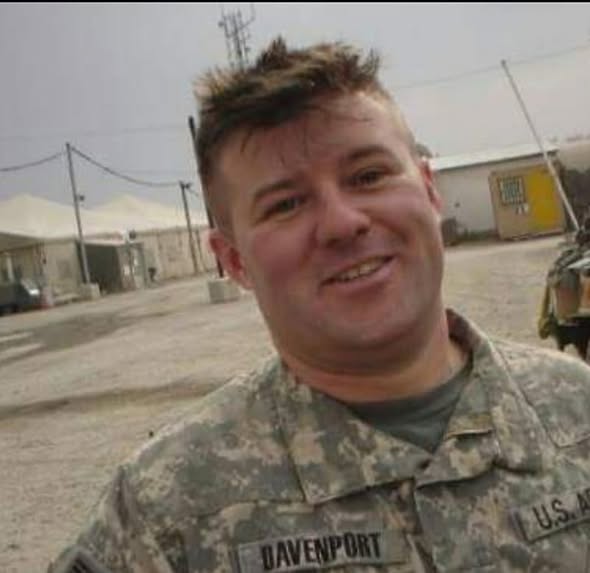
Scammer Robert Davenport
E-mail:
☆☆☆☆☆ 0 ratings
Scam Danger:
 |
Details |
|
| First Name: | Robert |
| Location [Address]: | |
| Age: | |
| Aka: | |
| Aliases: | |
| Phone: | |
Reports :
I want to share my experience as a warning to others, because what I went through started out feeling genuine but quickly turned into something deeply concerning. It began with a simple friend request on Facebook. The profile looked convincing at first glance, presenting a person with a military background, wearing a U.S. Army uniform in his photos. There was a sense of authority and trust built into the way the profile was set up, and it didn’t immediately raise suspicion since everything appeared neat and somewhat believable. After I accepted the request, he reached out almost immediately. The conversation started casually with basic introductions, friendly questions, and light conversation. He was polite, attentive, and seemed genuinely interested in getting to know me. What stood out was how quickly he established a connection, knowing exactly what to say and responding in a way that made me feel comfortable and understood.
As the conversations continued, he began to open up more about himself. He claimed to be homosexual and shared personal stories about his life, which made the interaction feel more relatable and authentic. He spoke about loneliness, trust, and wanting a meaningful connection. At the time, it felt sincere, and I didn’t question it too much. However, things started to escalate very quickly. Within a short period, he began expressing strong emotional interest. The tone shifted from casual conversation to something much deeper and more intense, talking about feelings, attachment, and even hinting at building something serious. It felt rushed, but it was presented in a way that made it seem natural, as if we had found each other for a reason.
That is when I started noticing red flags. His profile had very little real activity, and the friends list was small with minimal genuine interaction. There were no meaningful comments, no tagged photos, and no signs of a real social circle. The posts felt generic and at times seemed staged. When I asked more detailed questions about his life, especially about his military background, his answers were vague and sometimes inconsistent with what he had said before. There was a sense of avoidance when it came to specifics. For someone claiming to have a structured and disciplined life, his availability to chat at any time of the day felt unrealistic.
Another concerning aspect was how quickly he tried to build trust. He often used words that created emotional closeness, speaking about loyalty, honesty, and how important I had become in such a short time. It felt overwhelming, and looking back, it seems clear that this was a tactic to create emotional dependence. At one point, suspicion grew strong enough to look deeper into his photos. The images appeared professional and consistent, but there was no way to verify if they actually belonged to him. It became clear that scammers often use stolen photos, especially of people in uniform, to appear more credible and trustworthy.
The more I reflected on the situation, the clearer it became that this was not a real person being honest about who they were, but a carefully constructed identity designed to gain trust quickly. The emotional intensity, the lack of verifiable information, and the inconsistencies all pointed toward deception. What made the situation even more concerning was how targeted it felt. By presenting himself as homosexual and specifically reaching out to men, it showed that the approach was intentional and tailored, indicating that scammers adapt their stories depending on who they are trying to manipulate.
Fortunately, the warning signs became clear before things went further. However, it is easy to see how someone else might not recognize them in time. The approach is subtle in the beginning, and by the time doubts start to form, there may already be an emotional connection in place. This experience has been a reminder that not everything online is what it seems. Scammers are becoming more strategic, more personal, and more convincing in how they approach people. They do not rely only on obvious tricks but build stories, emotions, and connections to make their deception feel real.
I am sharing this in the hope that others will stay alert. If something feels off, it is important to pause and take a closer look. Trust should take time, and anyone trying to rush that process should be approached with caution. No one deserves to be misled or taken advantage of, and awareness remains one of the strongest protections against situations like this.
Related Male Scammers:





Rate this Profile
Romance Scams Must read
- Dating Scams Are BIG Business
- Why scammers use fake docs?
- How to Recognize Scammer
- Asian And Chinese Online Dating Scam
- How to Recognize a Female Dating Scammer
- 10 Practical Steps to Stay Safe From Online Romance Scams
- Prevent Internet Dating Scams Using These 4 Tips
- How Romance Fraudsters Use Photoshop
- Avoid Internet Dating Scams With These 4 Practical Tips
- Gold & Romance Fraud Scenarios Led by Female Scammers
- Meeting a Model and Birthday Scam Scenarios
- Ukraine Online Dating Scams
- A Typical Translation Scam Scenario
- Online Dating Scams: The Costly Travel Scenario
- 10 Ways to Check Who You Are Chatting With
Popular Links

SWINDLERS LIST
-
Top 10 Scammers !!!
Beware of these scammers...Keep them out of your mail-box...

SCAM TOOLS
-
Block Scam Mails???
Cleaning your scam filled inbox can be effected by these tools
HELP DESK
-
Waiting to help You!!!
Every problem has a solution when discussed. Discuss with us to get a clear idea to keep your information unscathed from hypocrites