Male Scammer Nigel Chikin-Chan
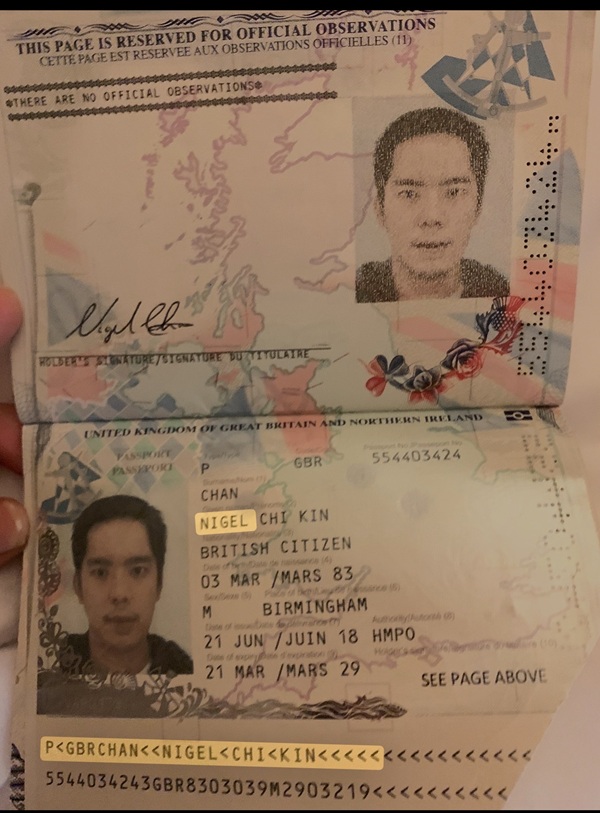
Scammer Nigel Chikin-Chan
E-mail:
☆☆☆☆☆ 0 ratings
Scam Danger:
 |
Details |
|
| First Name: | Nigel |
| Location [Address]: | |
| Age: | |
| Aka: | |
| Aliases: | |
| Phone: | |

Click to enlarge

Click to enlarge

Click to enlarge
Reports :
I never imagined I would become a victim of an online scam. It always felt like something that happened to “other people” — those who weren’t careful enough, those who ignored warning signs. But now, looking back, I understand how easily trust can be manipulated when someone knows exactly what to say and how to say it.
It started innocently enough. I came across Nigel Chikin Chan through an online platform. At first, the interaction felt completely normal. The conversations were polite, even friendly. There was nothing immediately alarming about the way things began. In fact, that was probably the most dangerous part — everything felt safe.
Over time, the communication became more frequent. Messages would come daily, sometimes multiple times a day. There was a sense of consistency that made it easier to let my guard down. It didn’t feel like talking to a stranger anymore. It felt like talking to someone who genuinely cared, someone who was interested in building a connection.
Gradually, the tone of the conversations shifted. There were mentions of financial opportunities — investments that sounded promising, safe, and well-structured. The explanations were detailed enough to sound legitimate but not overly complicated. I was reassured multiple times that there was little to no risk involved. That reassurance played a huge role in building confidence.
At first, I hesitated. Something didn’t feel entirely right, but there was no concrete reason to distrust the situation. Whenever I expressed doubt, it was quickly addressed with convincing explanations. Screenshots, numbers, and examples were shared to prove credibility. It all seemed carefully prepared.
Eventually, I was persuaded to make a small initial transaction. It didn’t feel like a big risk at the time. In fact, it felt like a test — something to “see how it works.” After the first transaction, I was shown what appeared to be returns. That was the turning point. Seeing results, even if they were fabricated, created a false sense of security.
From there, the pressure increased subtly. I was encouraged to invest more, with promises of higher returns. It wasn’t aggressive or forceful — just persistent enough to make it seem like a smart decision rather than a risky one. Every step felt voluntary, but in reality, it was carefully guided.
As more money was sent, the communication remained strong. Updates were frequent, and everything appeared to be progressing well. However, when I eventually tried to withdraw the funds, things began to change. There were delays, excuses, and new requirements — additional fees, verification steps, and unexpected conditions.
Each time I complied, believing it was just part of the process. But the goalposts kept moving. No matter what was done, there was always another reason why the withdrawal couldn’t be completed yet. That’s when the realization slowly started to set in.
The communication became less consistent. Responses were delayed, sometimes vague. The confidence and clarity that were present at the beginning started to fade. It became harder to ignore the pattern — this wasn’t a legitimate process anymore. It was a trap.
By the time it became clear that it was a scam, the financial loss had already happened. But beyond the money, there was a deeper impact — the feeling of being deceived, manipulated, and taken advantage of. It’s not just about what was lost financially, but the trust that was broken.
Looking back, there were warning signs. The promises that sounded too good, the pressure to act quickly, the complicated withdrawal process — all of these were indicators. But when you’re in the middle of it, those signs don’t always stand out as clearly as they should.
This experience has changed the way I approach online interactions. There’s a stronger sense of caution now, a need to verify everything independently rather than relying on what is presented. Trust is no longer given easily, especially in situations involving money or personal information.
Sharing this experience is not about dwelling on the mistake, but about raising awareness. Scammers rely on psychology — patience, trust-building, and gradual persuasion. It’s not always obvious, and that’s what makes it dangerous.
If there’s one thing to take away from this, it’s to always question situations that involve financial decisions, especially when they come from online interactions. No matter how convincing something may seem, it’s important to step back, verify, and never rush into decisions under pressure.
What happened cannot be undone, but it can serve as a reminder — not just for me, but for anyone who might find themselves in a similar situation.
Related Male Scammers:






Rate this Profile
Romance Scams Must read
- Dating Scams Are BIG Business
- Why scammers use fake docs?
- How to Recognize Scammer
- Asian And Chinese Online Dating Scam
- How to Recognize a Female Dating Scammer
- 10 Practical Steps to Stay Safe From Online Romance Scams
- Prevent Internet Dating Scams Using These 4 Tips
- How Romance Fraudsters Use Photoshop
- Avoid Internet Dating Scams With These 4 Practical Tips
- Gold & Romance Fraud Scenarios Led by Female Scammers
- Meeting a Model and Birthday Scam Scenarios
- Ukraine Online Dating Scams
- A Typical Translation Scam Scenario
- Online Dating Scams: The Costly Travel Scenario
- 10 Ways to Check Who You Are Chatting With
Popular Links

NEWS & EVENTS
The world's most prevalent social network said that to date, it has acquired lawful judgments of about $2 billion against deceitful exerci

SWINDLERS LIST
-
Top 10 Scammers !!!
Beware of these scammers...Keep them out of your mail-box...
SCAM TOOLS
-
Block Scam Mails???
Cleaning your scam filled inbox can be effected by these tools
HELP DESK
-
Waiting to help You!!!
Every problem has a solution when discussed. Discuss with us to get a clear idea to keep your information unscathed from hypocrites