Male Scammer Lim Yew_Khin
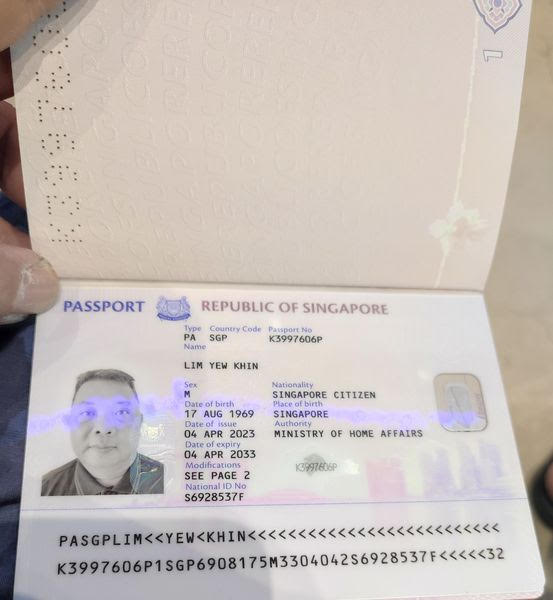
Scammer Lim Yew_Khin
E-mail: yewkhinlim@gmail.com
☆☆☆☆☆ 0 ratings
Scam Danger:
 |
Details |
|
| First Name: | Lim |
| Location [Address]: | |
| Age: | |
| Aka: | |
| Aliases: | |
| Phone: | |
Reports :
I became involved in a deeply stressful and emotionally disturbing situation after receiving a suspicious communication from an individual identifying himself as “Lim.” At first, the message appeared professional and convincing, which made it difficult to immediately determine whether the communication was legitimate or part of a fraudulent scheme. The sender claimed to be associated with a financial arrangement involving the clearance of an alleged debt through a certified bank draft. Along with the message, a copy of an international passport was attached as supposed proof of identity and credibility.
Initially, I was uncertain about how to react because the message was carefully written in a way that appeared formal and trustworthy. The sender stated that they were “not what you think we are,” which seemed intended to reassure me and reduce any suspicion I might have had. The inclusion of an international passport added to the appearance of legitimacy, making the situation even more confusing. At that moment, I found myself questioning whether the communication could actually be genuine.
However, as I continued reviewing the message, I began noticing several concerning details that raised doubts and caused emotional discomfort. The sender requested confirmation of my bank account details, claiming that the information was needed so a financier could issue a certified bank draft on my behalf. This request immediately alarmed me because it involved sensitive personal financial information. Even though the message attempted to appear professional, I became increasingly worried that I could be the target of a financial scam or identity theft attempt.
The emotional impact of receiving such a request was significant. I felt anxious, confused, and uncertain about the sender’s true intentions. The fact that someone I did not personally know was requesting my financial details under the promise of clearing a debt created a strong sense of vulnerability. I began to fear that sharing any personal or banking information could expose me to fraud, financial loss, or misuse of my identity.
What made the situation more troubling was the psychological pressure created by the wording of the message. The sender implied urgency and professionalism while attempting to gain my trust through the attached passport copy. This made me feel emotionally manipulated because the communication seemed designed to convince me that the transaction was safe and legitimate. I later realized that presenting identification documents in such situations can be a tactic used to lower suspicion and encourage victims to cooperate without fully verifying the authenticity of the claims.
As I thought more carefully about the situation, I became increasingly concerned about the possibility of being deceived. I had no prior relationship with the sender, no verified agreement regarding any financial debt clearance, and no official confirmation from any recognized institution regarding the proposed bank draft. The lack of independent verification made the entire arrangement appear suspicious despite the formal tone used in the communication.
The request for my account details caused me serious emotional distress because financial information is highly sensitive and personal. I understood that if such information fell into the wrong hands, it could lead to unauthorized transactions, identity theft, or other forms of financial exploitation. The realization that someone might be attempting to obtain my banking information under false pretenses left me feeling unsafe and mentally overwhelmed.
I also experienced confusion because the message referenced a “financier” and a “certified bank draft” without providing clear documentation, official banking procedures, or verifiable institutional references. Instead of receiving transparent information, I was being asked to trust an unfamiliar individual based primarily on a written message and a passport attachment. This created strong doubts in my mind regarding the legitimacy of the transaction.
Another disturbing aspect of the situation was the possibility that the attached passport itself could have been fraudulent, stolen, or misused. I had no way of independently confirming whether the identification document genuinely belonged to the sender or whether it had been used merely as a tool to gain credibility. This realization increased my anxiety because it suggested the possibility of organized fraudulent activity involving false identities or impersonation.
The situation affected my emotional well-being more than I initially expected. I found myself constantly thinking about the risks involved and worrying about what might happen if I responded incorrectly. Even though I had not shared any financial information, the communication alone created fear and uncertainty. I began questioning how the sender obtained my contact information and whether I had been specifically targeted as part of a broader scam operation.
The emotional stress became worse because the message was written in a way that appeared polite and convincing. Fraudulent communications are often dangerous precisely because they imitate legitimate business language. In this case, the sender attempted to sound cooperative, respectful, and professional while simultaneously requesting confidential information. This combination made the interaction psychologically difficult because it blurred the line between legitimate communication and possible deception.
I also became concerned about the broader implications of the situation. If the sender was attempting to collect banking information from me, it was possible that similar messages had been sent to other individuals as well. The thought that innocent people could potentially become victims of financial fraud through carefully worded communications was deeply troubling.
As the situation continued to weigh on my mind, I realized how easily trust can be exploited through online and international communications. The use of formal language, official-sounding financial terminology, and attached identification documents created an appearance of authenticity that could easily mislead someone unfamiliar with fraud tactics. This experience opened my eyes to how sophisticated and emotionally manipulative such schemes can become.
I also felt emotionally violated because the sender attempted to create a sense of obligation and urgency around the request for my account details. The implication that financial benefits or debt clearance depended on my immediate cooperation placed psychological pressure on me during a moment of uncertainty. This pressure increased my emotional discomfort and reinforced my fears about becoming the victim of financial exploitation.
The incident left me feeling cautious and distrustful of unsolicited financial communications. Before this experience, I never fully appreciated how convincing fraudulent messages could appear. The situation demonstrated how criminals or dishonest individuals may attempt to manipulate trust by presenting documents, financial promises, and formal communication styles to gain access to sensitive personal information.
Throughout the ordeal, I experienced ongoing fear regarding the security of my identity and finances. Even without directly providing my banking details, the mere fact that I was contacted in such a manner created concern about whether my information was circulating among unknown individuals or organizations. This uncertainty caused emotional exhaustion and disrupted my sense of security.
The situation also highlighted the importance of verifying financial claims independently before responding to requests involving sensitive information. I realized that legitimate financial institutions and lawful transactions generally involve transparent procedures, official documentation, and verifiable channels of communication rather than vague promises and urgent requests sent through informal correspondence.
Emotionally, the experience left a lasting impression on me because it forced me to confront the reality of online fraud and identity manipulation. It is unsettling to realize how easily a person can become the target of suspicious financial schemes without warning. The combination of emotional pressure, uncertainty, and fear created a stressful experience that affected my peace of mind significantly.
I now understand how vulnerable individuals can feel when approached with messages involving financial promises, legal claims, or requests for confidential information. Even when no money is immediately lost, the emotional impact of such encounters can be severe. Fear of identity theft, financial fraud, and personal exploitation can create long-term anxiety and distrust.
Looking back on the experience, I believe the communication was carefully designed to establish credibility while attempting to gain access to sensitive financial information. The attached passport copy, formal language, and references to financiers and certified bank drafts appeared intended to reduce suspicion and encourage cooperation. However, the lack of transparency and the request for personal banking details ultimately raised serious concerns about the sender’s intentions.
This incident served as an important reminder of the need for caution when dealing with unsolicited financial communications, especially those involving promises of money transfers, debt clearances, or confidential banking requests. While the message initially appeared convincing, the emotional distress and uncertainty it created demonstrated the serious psychological impact such situations can have on individuals targeted by potentially fraudulent schemes.
Although I avoided sharing sensitive information, the experience itself was emotionally draining and deeply unsettling. It forced me to become more cautious, more aware of online fraud tactics, and more protective of my personal and financial information. Even now, the situation remains a troubling reminder of how easily trust can be manipulated through carefully crafted communications designed to appear legitimate while concealing harmful intentions.
Related Male Scammers:





Rate this Profile
Romance Scams Must read
- Dating Scams Are BIG Business
- Why scammers use fake docs?
- How to Recognize Scammer
- Asian And Chinese Online Dating Scam
- How to Recognize a Female Dating Scammer
- 10 Practical Steps to Stay Safe From Online Romance Scams
- Prevent Internet Dating Scams Using These 4 Tips
- How Romance Fraudsters Use Photoshop
- Avoid Internet Dating Scams With These 4 Practical Tips
- Gold & Romance Fraud Scenarios Led by Female Scammers
- Meeting a Model and Birthday Scam Scenarios
- Ukraine Online Dating Scams
- A Typical Translation Scam Scenario
- Online Dating Scams: The Costly Travel Scenario
- 10 Ways to Check Who You Are Chatting With
Popular Links
SWINDLERS LIST
-
Top 10 Scammers !!!
Beware of these scammers...Keep them out of your mail-box...

SCAM TOOLS
-
Block Scam Mails???
Cleaning your scam filled inbox can be effected by these tools
HELP DESK
-
Waiting to help You!!!
Every problem has a solution when discussed. Discuss with us to get a clear idea to keep your information unscathed from hypocrites