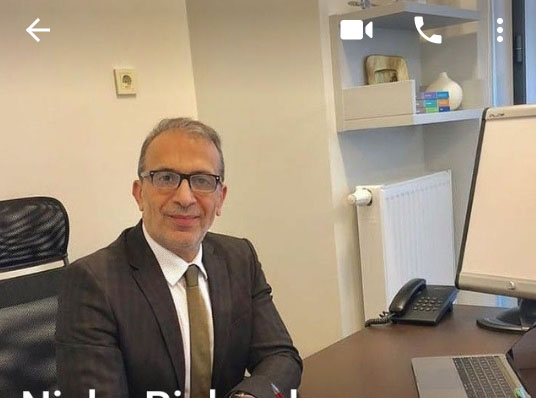
Male Scammer James Marshall_Sri

Scammer James Marshall_Sri
E-mail:
★★★★☆ 1 ratings
Scam Danger:
 |
Details |
|
| First Name: | James |
| Location [Address]: | |
| Age: | 35 |
| Aka: | |
| Aliases: | |
| Phone: | |
Reports :
It started like any other ordinary day online. I wasn't expecting anything unusual—just scrolling through social media, occasionally checking messages, and interacting in groups and pages like I normally would. That's when I received a message from someone who appeared friendly, confident, and genuinely interested in having a conversation. At first glance, nothing seemed suspicious. The profile looked real enough, with photos that appeared natural and a presence that didn't immediately raise any concerns.
The conversation began casually. There were polite greetings, small talk, and a gradual exchange of personal interests. It felt easy to talk, and the person seemed attentive, replying consistently and asking thoughtful questions. That kind of attention can make anyone feel noticed, and slowly, a sense of familiarity started to build. There was no rush in the beginning, just a steady flow of communication that felt comfortable.
As time went on, the interaction became more personal. He began sharing stories about his life—about his work, his experiences, and the struggles he claimed to have faced. These stories were detailed enough to feel believable, and they created an emotional connection. It felt like he was opening up, trusting me with personal aspects of his life. Naturally, I started to open up as well. That's how trust begins—through shared vulnerability.
But looking back now, I can see how carefully everything was constructed.
The emotional connection developed very quickly. Within a short period of time, he began expressing feelings that felt too strong for the stage we were at. Words about trust, care, and even deeper emotions were introduced early on. At the time, it felt flattering. It made the connection seem special, almost rare. But in reality, it was part of a pattern—a way to create emotional attachment before any doubts could form.
There were also subtle signs that something wasn't quite right. Certain details about his life didn't always remain consistent. Small changes in his stories would appear over time. When I asked questions to clarify, the answers were often vague or redirected. Instead of addressing the inconsistencies directly, he would shift the focus back to emotions—how much he cared, how important the connection was, and how he valued honesty. This made it difficult to question him without feeling like I was being unfair.
Another thing that stood out was the way he avoided verification. Whenever I suggested a video call or any form of real-time interaction, there was always an excuse. Sometimes it was work-related, other times it was technical issues. Each excuse on its own seemed reasonable, but together, they formed a pattern of avoidance that I didn't fully recognize at the time.
The turning point came gradually.
The conversations began to shift toward personal struggles. He started mentioning financial difficulties and unexpected problems. At first, it seemed like he was just sharing his concerns, which is normal in any growing connection. But then the tone changed. The problems he described began to involve urgent situations—ones that required immediate attention.
Soon after, the requests started.
They were not direct demands at first. They were framed as temporary help, as something he would repay once his situation improved. The way he asked made it difficult to say no. He reminded me of the connection we had built, of the trust between us, and how much it meant to him. It didn't feel like a transaction—it felt like helping someone who cared about me.
But something inside me started to feel uneasy.
I began to step back and look at everything more carefully. The rapid emotional attachment, the avoidance of video calls, the inconsistencies in his stories, and now the financial requests—all of these things started to connect. It became clear that this was not a genuine relationship. It was a carefully constructed situation designed to gain trust and eventually exploit it.
When I confronted the situation, everything changed.
The tone of the messages shifted completely. The kindness and warmth disappeared, replaced by pressure and manipulation. There were attempts to make me feel guilty, to make me question my own judgment. And then came the most disturbing part—the threats.
He began to threaten me with the misuse of personal information and images. The same person who once spoke about trust and care was now using fear as a tool. It was shocking and deeply unsettling. It created a sense of panic that is hard to describe. No one expects a conversation to take such a dark turn.
What made it even worse was the persistence.
Even after cutting off communication, the messages didn't stop. He would reach out using different accounts, different numbers, and sometimes even through others claiming to be connected to him. It felt like there was no clear way to completely block him out. Each new attempt brought back the same fear and anxiety.
At that point, it was clear that this was not just a misunderstanding or a one-time incident. It was a deliberate pattern of behavior—one that likely involved multiple victims. The realization was difficult to process. It's hard to accept that someone can build a connection purely for the purpose of manipulation.
Taking action became necessary.
I gathered all the information I had—the messages, the accounts, the numbers—and reported everything to the appropriate authorities. It wasn't easy to relive those conversations while documenting them, but it was important. It was a step toward protecting myself and potentially preventing the same thing from happening to someone else.
Even after reporting, the emotional impact remained. Experiences like this don't simply disappear. There is a lingering sense of caution, a hesitation when interacting with new people online. Trust becomes something that needs to be rebuilt carefully.
Looking back, the warning signs were there from the beginning. The fast emotional connection, the avoidance of real verification, the inconsistencies, and the shift toward financial requests—all of these were indicators of a scam. But when you are in the middle of it, it's not always easy to see things clearly. Emotions can cloud judgment, especially when someone appears genuine.
This experience has changed the way I approach online interactions. It has made me more aware, more cautious, and more mindful of the risks involved. It has also reinforced the importance of boundaries—of not sharing personal or financial information without proper trust and verification.
Most importantly, it has shown me how important it is to speak up.
There are many people out there who may be going through similar situations, feeling confused or unsure about what to do. Sharing experiences like this can help create awareness and prevent others from falling into the same trap. It's not about fear—it's about understanding the reality of these situations and being prepared.
No one deserves to go through something like this. It starts with something simple—a conversation, a connection—but it can quickly turn into something harmful. That's why it's important to stay alert, to trust instincts, and to take action when something doesn't feel right.
In the end, this experience, while difficult, has become a lesson. A reminder to stay cautious, to value personal safety, and to never ignore red flags. Moving forward, the focus is on awareness, strength, and ensuring that such a situation never happens again.
Related Male Scammers:





Rate this Profile
Romance Scams Must read
- Dating Scams Are BIG Business
- Why scammers use fake docs?
- How to Recognize Scammer
- Asian And Chinese Online Dating Scam
- How to Recognize a Female Dating Scammer
- 10 Practical Steps to Stay Safe From Online Romance Scams
- Prevent Internet Dating Scams Using These 4 Tips
- How Romance Fraudsters Use Photoshop
- Avoid Internet Dating Scams With These 4 Practical Tips
- Gold & Romance Fraud Scenarios Led by Female Scammers
- Meeting a Model and Birthday Scam Scenarios
- Ukraine Online Dating Scams
- A Typical Translation Scam Scenario
- Online Dating Scams: The Costly Travel Scenario
- 10 Ways to Check Who You Are Chatting With
Popular Links

SWINDLERS LIST
-
Top 10 Scammers !!!
Beware of these scammers...Keep them out of your mail-box...

SCAM TOOLS
-
Block Scam Mails???
Cleaning your scam filled inbox can be effected by these tools
HELP DESK
-
Waiting to help You!!!
Every problem has a solution when discussed. Discuss with us to get a clear idea to keep your information unscathed from hypocrites