Male Scammer Imbrahim Umar_Barde

Scammer Imbrahim Umar_Barde
E-mail:
★★★☆☆ 2 ratings
Scam Danger:
 |
Details |
|
| First Name: | Imbrahim |
| Location [Address]: | |
| Age: | 42 |
| Aka: | |
| Aliases: | |
| Phone: | |
Reports :
I never imagined that something like this could happen to me. I always believed I was careful, observant, and capable of spotting red flags. But what started as a simple, harmless interaction on social media slowly turned into an emotional and psychological trap that I didn't see coming until it was too late.
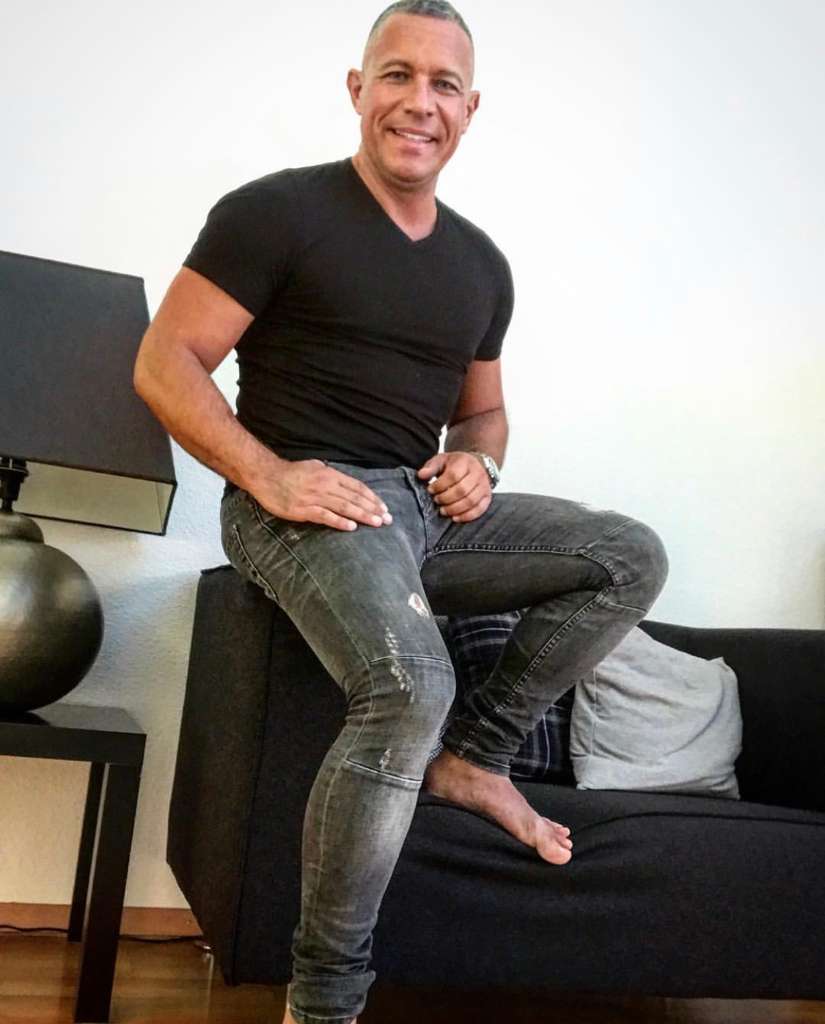
It began with a friend request from a profile that looked completely normal at first glance. The profile picture showed a well-dressed, approachable man with a warm smile. His account appeared genuine—there were photos, basic personal details, and even a few interests listed. Nothing seemed out of place. I hesitated for a moment before accepting, but curiosity got the better of me.
Shortly after I accepted the request, he messaged me. The conversation started politely—simple greetings, casual questions about how I was doing. There was nothing alarming about it. In fact, he came across as kind, respectful, and genuinely interested in getting to know me. Over the next few days, we spoke regularly. He shared stories about his life, claiming he was widowed and living abroad due to work. He said he had ties to the United States but was currently based elsewhere. His story felt detailed enough to seem believable, yet not overly complicated.
As time went on, the conversations became more personal. He asked about my daily life, my interests, my struggles, and my dreams. He listened—at least it felt like he did. He responded with empathy, encouragement, and kindness. Slowly, I started to trust him. That trust didn't happen overnight; it built gradually through consistent communication and emotional connection.
Looking back, I realize how carefully everything was crafted. He knew exactly what to say and when to say it. He would check in on me regularly, making me feel valued and important. If I didn't reply immediately, he would follow up, expressing concern. It felt like someone genuinely cared.
Then came the deeper emotional layer. He began sharing more about his "past," talking about loneliness, loss, and his desire to find companionship again. He made it seem like we had a connection that was rare and meaningful. I started to believe that maybe this was more than just a random online interaction.
But subtle inconsistencies began to appear. At first, I brushed them off. Small details didn't quite add up—locations seemed confusing, timelines didn't always align, and certain responses felt rehearsed. Whenever I questioned something, he had an explanation ready. He would turn things around emotionally, making me feel like I was overthinking or doubting unnecessarily.
Then came the turning point.
He began hinting at financial difficulties. It wasn't direct at first—just small mentions of challenges, unexpected expenses, or issues with accessing funds due to being overseas. He never immediately asked for money. Instead, he built the situation slowly, making it seem like he was struggling but trying to handle it on his own.
Eventually, the request came.
He asked for help—framing it as temporary, urgent, and something he would repay as soon as possible. By that point, I was emotionally invested. I felt sympathy. I felt responsibility. And most of all, I didn't want to believe that someone I had trusted could be lying to me.
That's how the manipulation works.
It doesn't start with a scam. It starts with trust.
Something didn't sit right with me, though. I decided to take a step back and look at everything more critically. I revisited our conversations, noticed repeated patterns, and paid attention to the inconsistencies I had previously ignored. I also tried to verify his identity independently—and that's when everything began to fall apart.
The photos he used didn't belong to him.
They were stolen images—likely taken from someone else's social media or public profile. The story he told didn't match any verifiable facts. The locations he mentioned didn't align logically. It became painfully clear that the person I had been speaking to wasn't who he claimed to be.
I felt a mix of emotions—shock, anger, embarrassment, and disappointment. It's a strange feeling to realize that the person you've been talking to doesn't exist in the way you believed. It makes you question your judgment, your trust, and even your own awareness.
But the truth is, these scams are designed to be convincing.
The profile was carefully constructed. The communication style was intentional. The emotional manipulation was subtle but effective. This wasn't random—it was calculated.
What disturbed me the most was the realization that I might not have been the only target. Scammers like this often reach out to multiple people at once, using the same script, the same images, and the same tactics. They rely on emotional vulnerability and human connection to exploit their victims.
I'm sharing this experience not out of fear, but out of awareness.
There are clear warning signs that I now recognize:
* Profiles with attractive or professional-looking photos but limited genuine activity
* Stories that involve being widowed, working abroad, or facing constant travel restrictions
* Quick emotional attachment and expressions of deep interest early on
* Inconsistencies in personal details and timelines
* Gradual introduction of financial problems followed by requests for help
At the time, these signs were easy to overlook because they were hidden beneath layers of kindness and attention.
I've learned that trust online should always be approached with caution. Not everyone is who they claim to be, and appearances can be deceiving. It's important to verify identities, question inconsistencies, and never feel pressured into providing financial assistance—especially to someone you've never met in person.
This experience has changed the way I view online interactions. I'm more cautious now, more observant, and more aware of how easily situations like this can escalate.
Most importantly, I've realized that falling into such a situation doesn't mean someone is naive or careless. It means they are human. These scams are built on human emotions—trust, empathy, loneliness, and hope.
And that's exactly why they work.
I hope that by sharing this, others can recognize the signs earlier than I did and protect themselves from similar situations.
Related Male Scammers:
.JPG
"FranciscoJavier")




Rate this Profile
Romance Scams Must read
- Dating Scams Are BIG Business
- Why scammers use fake docs?
- How to Recognize Scammer
- Asian And Chinese Online Dating Scam
- How to Recognize a Female Dating Scammer
- 10 Practical Steps to Stay Safe From Online Romance Scams
- Prevent Internet Dating Scams Using These 4 Tips
- How Romance Fraudsters Use Photoshop
- Avoid Internet Dating Scams With These 4 Practical Tips
- Gold & Romance Fraud Scenarios Led by Female Scammers
- Meeting a Model and Birthday Scam Scenarios
- Ukraine Online Dating Scams
- A Typical Translation Scam Scenario
- Online Dating Scams: The Costly Travel Scenario
- 10 Ways to Check Who You Are Chatting With
Popular Links

SWINDLERS LIST
-
Top 10 Scammers !!!
Beware of these scammers...Keep them out of your mail-box...

SCAM TOOLS
-
Block Scam Mails???
Cleaning your scam filled inbox can be effected by these tools
HELP DESK
-
Waiting to help You!!!
Every problem has a solution when discussed. Discuss with us to get a clear idea to keep your information unscathed from hypocrites