Male Scammer Franklin Michael
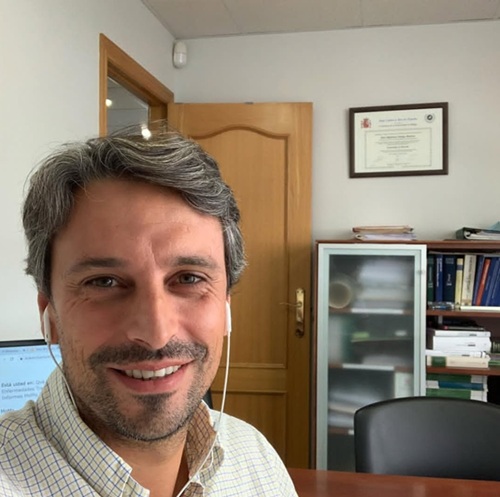
Scammer Franklin Michael
E-mail:
☆☆☆☆☆ 0 ratings
Scam Danger:
 |
Details |
|
| First Name: | Franklin |
| Location [Address]: | |
| Age: | |
| Aka: | |
| Aliases: | |
| Phone: | |
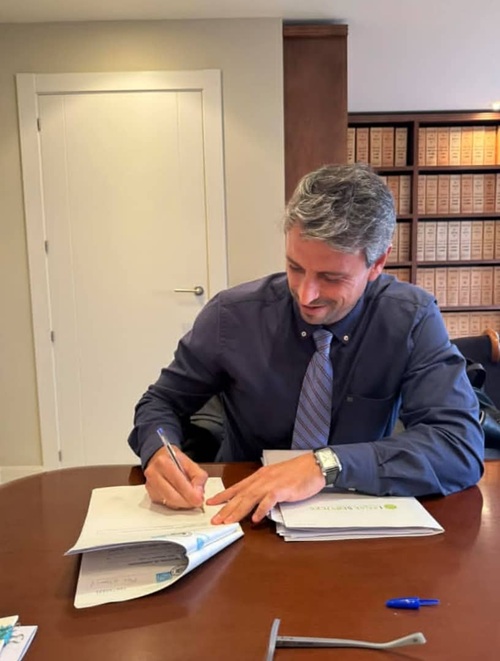
Click to enlarge
Reports :
I never thought I would find myself writing something like this. It’s difficult to admit that I was deceived, especially in a way that felt so personal and convincing at the time. What started as a normal interaction quickly turned into a situation that left me feeling confused, emotionally drained, and financially impacted.
I first came across the individual using the name “Franklin Michael” through an online platform. At first, everything seemed completely normal. The conversations were polite, respectful, and even reassuring. There was nothing that immediately raised suspicion. In fact, the communication felt genuine, which is probably why I let my guard down.
Over time, the conversations became more frequent. There was a sense of familiarity that developed quickly. The person knew how to communicate in a way that felt thoughtful and engaging. It didn’t feel rushed or aggressive. Instead, it felt like a natural connection building over time. That’s what made it harder to recognize what was really happening.
At some point, the tone of the conversation began to shift. Subtle mentions of financial difficulty started to appear. At first, it was presented as temporary setbacks or unexpected situations. The requests were not immediate or forceful. They were introduced gradually, almost as if testing whether I would be willing to help.
Looking back, I can see how carefully everything was planned. The trust had already been built before any request was made. By the time the financial aspect came into the conversation, it didn’t feel like a red flag. It felt like helping someone I had come to know and trust.
The first request was relatively small. It was explained in a way that made it seem urgent but reasonable. I hesitated, but I also felt empathy. I didn’t want to assume the worst about someone who had been kind and consistent in communication. So I agreed to help.
After that, the pattern continued. Each request came with a new explanation, always convincing, always urgent. There was always a reason why the situation couldn’t wait. I started to feel a sense of responsibility, as if I was the only one who could help resolve the situation.
It didn’t happen all at once. It was a gradual process. That’s what made it so effective. If everything had been rushed or overly dramatic, I might have questioned it sooner. But the slow buildup made it feel real.
There were moments when I started to feel uncertain. Small inconsistencies began to appear. Some details didn’t quite match up. When I asked questions, the answers were often vague or redirected. Still, I wanted to believe there was a reasonable explanation.
Eventually, the requests became more frequent and more demanding. That’s when the situation started to feel overwhelming. I began to realize that something wasn’t right. The communication that once felt warm and genuine started to feel scripted and repetitive.
I tried to verify some of the information I had been given. That’s when the truth started to come into focus. I found inconsistencies that couldn’t be explained away. The realization was difficult to accept, but it became clear that I had been misled.
When I confronted the situation, the response was defensive and dismissive. There was no real effort to clarify or resolve the concerns. Instead, the communication became less consistent, and eventually, it stopped altogether.
That silence confirmed what I had been afraid to admit. The person I had been speaking to was not who they claimed to be. The connection I thought was real was part of a scheme designed to gain trust and exploit it.
The emotional impact of this experience has been significant. It’s not just about the financial loss. It’s about the trust that was broken. It’s about questioning my own judgment and wondering how I didn’t see the signs sooner.
There’s also a sense of embarrassment that comes with being in this situation. It’s difficult to talk about, even more difficult to write down. But I believe it’s important to share this experience so that others can be more aware.
Scammers like this rely on creating a sense of connection and urgency. They take advantage of empathy and trust. They know how to present themselves in a way that feels believable. That’s what makes these situations so dangerous.
If there’s anything I’ve learned from this, it’s the importance of being cautious, even when something feels genuine. It’s okay to take a step back and question things. It’s okay to verify information before making decisions, especially when it involves money.
No one expects to be in this position. It doesn’t mean you’re careless or naive. It means someone took the time to manipulate the situation in a way that was convincing.
I’m sharing this not just as a record of what happened, but as a reminder that these situations can happen to anyone. The best way to protect ourselves is to stay aware, ask questions, and trust our instincts when something doesn’t feel right.
Related Male Scammers:





Rate this Profile
Romance Scams Must read
- Dating Scams Are BIG Business
- Why scammers use fake docs?
- How to Recognize Scammer
- Asian And Chinese Online Dating Scam
- How to Recognize a Female Dating Scammer
- 10 Practical Steps to Stay Safe From Online Romance Scams
- Prevent Internet Dating Scams Using These 4 Tips
- How Romance Fraudsters Use Photoshop
- Avoid Internet Dating Scams With These 4 Practical Tips
- Gold & Romance Fraud Scenarios Led by Female Scammers
- Meeting a Model and Birthday Scam Scenarios
- Ukraine Online Dating Scams
- A Typical Translation Scam Scenario
- Online Dating Scams: The Costly Travel Scenario
- 10 Ways to Check Who You Are Chatting With
Popular Links

NEWS & EVENTS
The world's most prevalent social network said that to date, it has acquired lawful judgments of about $2 billion against deceitful exerci

SWINDLERS LIST
-
Top 10 Scammers !!!
Beware of these scammers...Keep them out of your mail-box...
SCAM TOOLS
-
Block Scam Mails???
Cleaning your scam filled inbox can be effected by these tools
HELP DESK
-
Waiting to help You!!!
Every problem has a solution when discussed. Discuss with us to get a clear idea to keep your information unscathed from hypocrites