Female Scammer Erin Johnson
Female Scammer Erin Johnson
E-mail:
★★★★☆ 8 ratings
Scam Danger:
 |
Details |
|
| First Name: | Erin |
| Location [Address]: | Syria |
| Age: | |
| Birth Date: | |
| Aliases: | |
Reports :
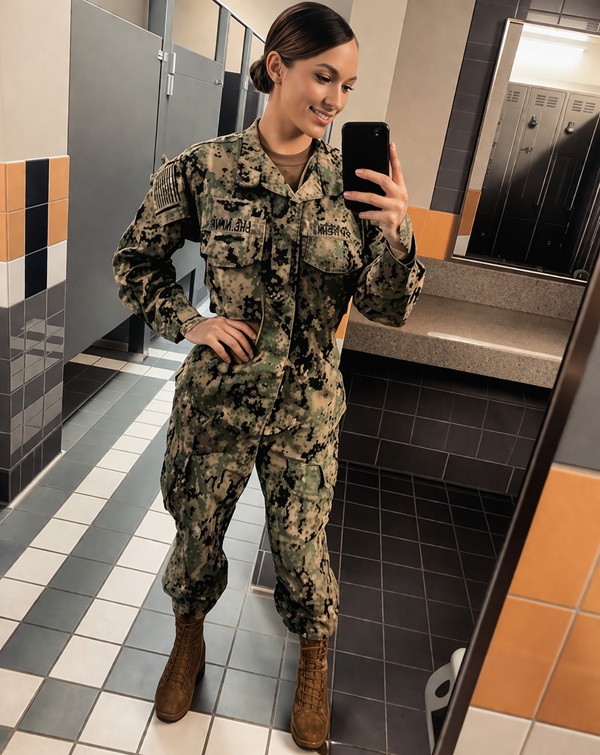
I never expected something like this to happen to me. It started so simply—just another interaction online that seemed harmless at first. The profile looked real, the photos were convincing, and the story felt believable. It was an account claiming to belong to a woman serving in the U.S. military, supposedly stationed in Syria. There was nothing at the beginning that made me question it.
The conversations began casually. The person behind the account was friendly, attentive, and seemed genuinely interested in getting to know me. Over time, the messages became more frequent and more personal. I was told stories about life in the military, the challenges of being deployed, and how difficult it was to stay connected with people back home. It all sounded detailed enough to feel authentic.
Gradually, trust started to build. I didn't realize it at the time, but that was exactly what they were trying to achieve.
After some time, the tone of the conversation shifted. The person began talking about needing help. They claimed that being deployed made it hard to access basic necessities, especially "female personal items," and said they didn't have proper access to money or payment services. Then came the request—to send money through CashApp.
At first, it felt a bit unusual, but they explained it in a way that made it sound urgent and reasonable. They said they couldn't use their own account due to military restrictions and needed assistance from someone they trusted. Looking back, that was the first major red flag.
The requests didn't stop there. There were repeated mentions of needing funds, always with emotional explanations attached—stress, isolation, and promises of returning home soon. I was told they would be back in July, and that everything would be different then. It created a false sense of hope and urgency, making it easier to overlook inconsistencies.
But eventually, things didn't add up.
The photos on the profile looked professional—almost too perfect. Something felt off, so I decided to look deeper. I discovered that the images were not original. They had been used elsewhere, likely stolen from a real person. That realization was a turning point. It became clear that the identity I had been interacting with was fake.
Even more concerning was the pattern of behavior. The account wasn't just targeting me—it appeared to be part of a broader scam, likely reaching out to multiple people with the same story. The mention of needing money for vague reasons, the inability to access funds independently, and the emotional manipulation were all classic signs of a scam.
At that point, I understood that the person behind the account was not who they claimed to be. In fact, it's very likely that the individual wasn't even a woman, despite the profile suggesting otherwise. The entire identity had been fabricated to gain trust and exploit it for financial gain.
This experience was unsettling. It's not just about the money—it's about the deception. The way trust is built slowly, the way emotions are used as a tool, and how convincing it can all seem until you step back and look at it objectively.
I'm sharing this because others need to be aware. Scammers are becoming more sophisticated. They use real-looking profiles, stolen images, and believable stories. They rely on patience, building connections over time rather than rushing immediately. That makes it harder to recognize what's happening until you're already involved.
There are a few important lessons I've taken from this:
Anyone asking for money online, especially under emotional or urgent circumstances, should be treated with extreme caution.
Claims about being in the military or overseas are commonly used in scams because they provide a built-in excuse for unusual behavior.
Photos alone are not proof of identity—they can easily be stolen or reused.
If something feels off, it probably is. Trusting that instinct is important.
This situation could have gone much worse if I hadn't stopped to question it. I now understand how easily someone can be drawn into something like this, especially when the scammer takes time to build trust.
I hope that by sharing this experience, others can recognize the warning signs sooner than I did. No one deserves to be manipulated or taken advantage of like this. Awareness is the first step in preventing it from happening again.
Related Female Scammers:





Rate this Profile
Romance Scams Must read
- Dating Scams Are BIG Business
- Why scammers use fake docs?
- How to Recognize Scammer
- Asian And Chinese Online Dating Scam
- How to Recognize a Female Dating Scammer
- 10 Practical Steps to Stay Safe From Online Romance Scams
- Prevent Internet Dating Scams Using These 4 Tips
- How Romance Fraudsters Use Photoshop
- Avoid Internet Dating Scams With These 4 Practical Tips
- Gold & Romance Fraud Scenarios Led by Female Scammers
- Meeting a Model and Birthday Scam Scenarios
- Ukraine Online Dating Scams
- A Typical Translation Scam Scenario
- Online Dating Scams: The Costly Travel Scenario
- 10 Ways to Check Who You Are Chatting With
Popular Links

NEWS & EVENTS
2014-10-06
The world's most prevalent social network said that to date, it has acquired lawful judgments of about $2 billion against deceitful exerci

SWINDLERS LIST
-
Top 10 Scammers !!!
Beware of these scammers...Keep them out of your mail-box...
SCAM TOOLS
-
Block Scam Mails???
Cleaning your scam filled inbox can be effected by these tools
HELP DESK
-
Waiting to help You!!!
Every problem has a solution when discussed. Discuss with us to get a clear idea to keep your information unscathed from hypocrites