Female Scammer Eliana
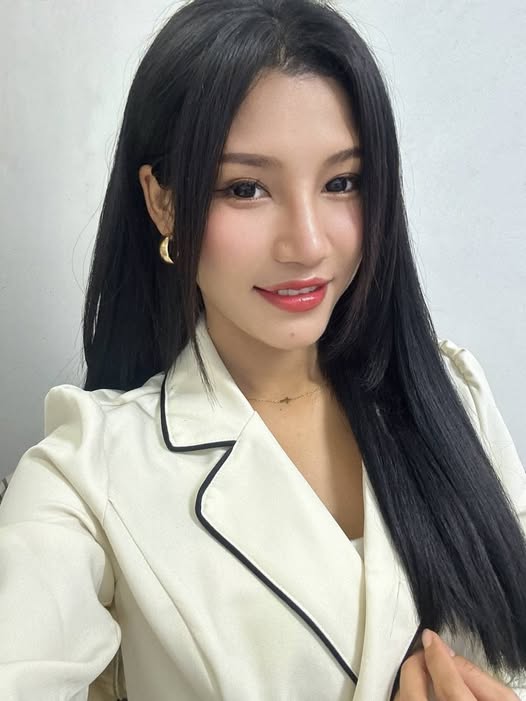
Female Scammer Eliana
E-mail:
★★★★☆ 8 ratings
Scam Danger:
 |
Details |
|
| First Name: | Eliana |
| Location [Address]: | |
| Age: | |
| Birth Date: | |
| Aliases: | |
Reports :
I am writing this report to explain my experience of an online romance scam. This statement is being made from my personal point of view so that the emotional, financial, and psychological impact of the situation can be clearly understood. I entered the communication with honest intentions and believed that I was forming a genuine emotional connection. Unfortunately, I later came to understand that the relationship was not sincere and that my trust, emotions, and kindness were used against me.
The communication began in a friendly and ordinary way. At first, there was nothing that made me feel alarmed or suspicious. The woman I communicated with appeared polite, caring, and emotionally open. She showed interest in my life, my daily routine, my feelings, and my future. The conversations slowly became more personal, and I began to feel that there was a real bond forming. I believed the communication was natural and honest because she spoke in a way that made me feel understood and valued.
Over time, the conversation became more affectionate. She used emotional words and made me feel that I was important to her. She spoke about trust, love, care, loyalty, and the possibility of a future relationship. Her messages made it seem like she had genuine feelings. She would ask about my day, show concern when I was stressed, and speak as if she truly cared about my well-being. Because of this, I began to trust her more deeply.
The emotional connection did not happen all at once. It was built slowly through regular conversations, kind words, and personal sharing. She made me feel that I was not just another person online, but someone meaningful in her life. She would say things that made me believe she was serious about the relationship. At that time, I did not realize that these emotional conversations could be part of a planned manipulation. I thought I was speaking with someone who was sincere.
As the relationship developed, she began to share personal problems and difficult situations. She described hardships in a way that made me feel sorry for her and concerned about her safety or well-being. Since I had already started trusting her emotionally, I felt a responsibility to support her. I believed that helping her was a way of showing care and commitment. I did not understand that the emotional closeness had been created to make me more willing to help.
The first requests for help did not feel like a scam. They were presented as urgent personal problems. She made the situations sound serious and temporary. I was told that help was needed only for a short time and that everything would be settled later. The requests were surrounded by emotional explanations, promises, and reassurance. Because I believed in the relationship, I did not immediately question her intentions. I wanted to believe that she was honest and that the problems she described were real.
Whenever I hesitated, she responded emotionally. She would make me feel that doubting her meant I did not trust her or care about her. She used affection and emotional pressure together. One moment she would speak lovingly, and another moment she would make me feel guilty for not helping quickly enough. This created confusion in my mind. I did not want to hurt someone I believed cared for me, and I did not want to be the reason she suffered.
The emotional pressure became stronger with time. There were repeated urgent situations, and each one came with a reason why immediate help was needed. The explanations changed, but the pattern stayed the same. There was always a problem, always a delay, and always a promise that things would become better soon. She made me believe that once the issue was solved, the relationship would move forward normally. I kept hoping that the situation would improve and that the relationship would become real in the way she had promised.
Looking back, I now realize that my emotions were being used to control my decisions. I was not thinking clearly because I had become emotionally attached. I was responding from care, concern, and hope. The scam was not obvious to me at the time because it was hidden behind affectionate words and personal stories. The person did not approach me directly as someone asking for money. Instead, she first created trust and emotional closeness, then used that trust to make requests.
There were many promises made during the communication. She promised loyalty, love, repayment, future plans, and a serious relationship. These promises made me continue believing even when doubts started to appear. Whenever something did not make sense, I wanted to give her the benefit of the doubt because I had already invested my feelings. I thought that if I remained patient and supportive, everything would eventually become clear.
However, the problems did not end. New issues continued to appear. Whenever one situation seemed close to being resolved, another difficulty came up. The relationship never moved forward in a real or normal way. There were always excuses, delays, and reasons why things could not happen as promised. When I asked for clarity, proof, or honesty, the answers were often emotional rather than direct. Instead of giving clear explanations, she would shift the conversation back to trust, love, or hardship.
This caused a lot of stress and confusion. I began to feel trapped between my feelings and my doubts. Part of me wanted to believe her because I cared about her and had trusted her words. Another part of me started to recognize that something was wrong. This conflict was mentally exhausting. I felt anxious, worried, and emotionally drained. I kept trying to understand whether I was helping someone in need or being deceived.
The realization that I may have been scammed was extremely painful. It was hard to accept that the emotional bond I believed in may have been created only for manipulation. I felt betrayed because I had trusted someone with my emotions and personal thoughts. I felt ashamed because I wondered how I allowed myself to believe the promises. I also felt hurt because my kindness was treated as an opportunity for exploitation.
This experience affected me deeply. It damaged my peace of mind and made it difficult for me to trust people. I felt embarrassed to talk about what happened because romance scams carry emotional shame. Victims often fear being judged or blamed. I worried that others would say I should have known better. But while the scam was happening, it did not feel simple or obvious. It felt like a real relationship with real emotions. That is what made it so powerful and harmful.
The person used emotional manipulation in a way that made me feel responsible for her problems. She made me believe that helping her was proof of love and trust. She made me feel guilty when I questioned things. She used affection to keep me emotionally connected and used hardship to create urgency. This combination made it very difficult to step back and see the situation clearly.
I now understand that romance scams are designed to target emotions first. The scammer studies how the victim responds, what the victim cares about, and what words will create trust. The scam does not begin with obvious demands. It begins with attention, affection, and emotional connection. Once the victim feels attached, the requests become easier to make. In my case, the emotional bond was used as a tool to influence my decisions.
The financial impact was also serious. Any money or support given was provided because I believed the relationship was genuine and because I was made to believe there was an urgent need. I did not provide help as part of a business agreement or normal transaction. I provided help because I was emotionally misled. The support was given under false trust and false promises. If I had known the relationship was not genuine, I would not have acted in the same way.
The emotional impact has been just as painful as the financial loss. I experienced sadness, stress, disappointment, and loss of confidence. I questioned my judgment and blamed myself for trusting too much. I felt used and disrespected. It is painful to realize that someone may have pretended to care only to take advantage of my feelings. The damage goes beyond money because it affects the way a person sees relationships, trust, and honesty.
There were several warning signs that became clear only after I looked back at the full situation. The relationship became emotionally intense without enough real-life proof. There were repeated emergencies. The requests for help continued. Promises were made but not fulfilled. Clear answers were avoided. Doubts were answered with emotional pressure. Excuses were given whenever real progress was expected. At the time, each issue seemed separate, but now I see that they formed a pattern.
I believe this matter should be taken seriously because the actions appear intentional and deceptive. The person gained emotional trust, created a romantic connection, introduced personal hardship, requested help, and continued the cycle through promises and excuses. This behavior caused harm to me emotionally and financially. I do not believe this was a misunderstanding. I believe my trust was deliberately used against me.
I am making this report because I want the truth to be recorded. I want it to be understood that I acted honestly and in good faith. I believed I was communicating with someone who cared for me. I believed the promises and emotional words. I believed the requests were connected to genuine problems. I did not realize at the time that I was being manipulated through affection and sympathy.
This report is also important because victims of romance scams often stay silent. Shame, fear, and embarrassment can stop people from reporting what happened. But silence allows this kind of behavior to continue. I want to speak about the experience clearly so that the emotional manipulation, repeated requests, false promises, and harm caused are properly understood.
I request that the communication, promises, requests, and pattern of behavior be reviewed carefully. The situation should not be seen as a simple personal disagreement. It involved emotional influence, trust-building, repeated pressure, and financial or personal harm. The person responsible used romantic interest as a way to gain support and control the situation. This caused real damage.
I also request that appropriate action be taken based on the facts. I want the matter to be investigated and documented. I want the responsible person to be held accountable for the harm caused. I also hope that reporting this can help prevent others from becoming victims of the same type of deception.
This experience has been painful and difficult to accept. I trusted someone who appeared caring, affectionate, and sincere. I believed in the connection and acted from kindness. That trust was abused. The relationship I believed in was used to create emotional pressure and obtain support under false pretenses. I now believe I was the victim of an online romance scam.
I am submitting this statement to clearly explain what happened from my perspective. I was emotionally manipulated, misled through false affection, and pressured through repeated stories of hardship. I acted with honesty, but my honesty was exploited. The harm caused has affected my emotional well-being, confidence, and financial stability. I hope this report is treated with seriousness, fairness, and understanding.
Related Female Scammers:



Rate this Profile
Romance Scams Must read
- Dating Scams Are BIG Business
- Why scammers use fake docs?
- How to Recognize Scammer
- Asian And Chinese Online Dating Scam
- How to Recognize a Female Dating Scammer
- 10 Practical Steps to Stay Safe From Online Romance Scams
- Prevent Internet Dating Scams Using These 4 Tips
- How Romance Fraudsters Use Photoshop
- Avoid Internet Dating Scams With These 4 Practical Tips
- Gold & Romance Fraud Scenarios Led by Female Scammers
- Meeting a Model and Birthday Scam Scenarios
- Ukraine Online Dating Scams
- A Typical Translation Scam Scenario
- Online Dating Scams: The Costly Travel Scenario
- 10 Ways to Check Who You Are Chatting With
Popular Links

SWINDLERS LIST
-
Top 10 Scammers !!!
Beware of these scammers...Keep them out of your mail-box...

SCAM TOOLS
-
Block Scam Mails???
Cleaning your scam filled inbox can be effected by these tools
HELP DESK
-
Waiting to help You!!!
Every problem has a solution when discussed. Discuss with us to get a clear idea to keep your information unscathed from hypocrites