Female Scammer Conner Rianna
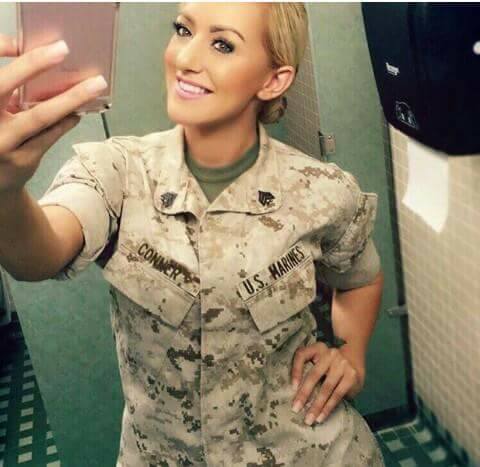
Female Scammer Conner Rianna
E-mail:
★★★★☆ 8 ratings
Scam Danger:
 |
Details |
|
| First Name: | Conner |
| Location [Address]: | |
| Age: | |
| Birth Date: | |
| Aliases: | |
Reports :
I never imagined I would find myself in this situation, writing about something so personal and unsettling. What started as a simple online interaction quickly turned into an emotional and financial nightmare that I am still trying to process.
It began when I was contacted on social media by someone who introduced herself as “Rianna Conner.” Her profile appeared convincing at first glance. She claimed to be a member of the U.S. Marine Corps, originally from Dallas, Texas, and currently living in Columbus, Ohio. Her photos showed a confident woman in military uniform, and her posts seemed to reflect a disciplined, hardworking lifestyle. There was nothing obviously suspicious in the beginning, and I had no reason to doubt her identity.
She reached out in a friendly and respectful way, expressing interest in getting to know me better. At the time, I was open to meeting someone new, and her approach felt genuine. We started chatting regularly. Her messages were consistent, engaging, and often deeply personal. She shared stories about her supposed life in the military, her struggles with loneliness, and her desire to find a meaningful relationship.
Over time, I began to trust her. She knew how to communicate in a way that felt real. She remembered details about my life, asked thoughtful questions, and showed what seemed like genuine care and affection. It didn’t feel rushed or forced. Instead, it gradually built into something that felt emotionally significant.
Looking back now, I realize how carefully everything was orchestrated.
She often mentioned how difficult it was being in the military, especially being stationed away from family and having limited access to communication. She used this to explain inconsistencies—like why she couldn’t always video call or why her responses were sometimes delayed. At the time, those explanations made sense to me. I wanted to believe her.
As our conversations deepened, she began expressing stronger emotions. She talked about wanting a future together, about trust, and about how rare it was for her to connect with someone like me. Hearing those things made me feel valued and important. It created a sense of emotional attachment that I didn’t question.
Then came the turning point.
She began to introduce problems—situations where she needed help. At first, it was small things. She mentioned issues with accessing her funds due to being deployed or needing help with certain “military-related” expenses. The requests didn’t come immediately; they were spaced out and wrapped in emotional context. She would express hesitation, almost as if she didn’t want to ask, which made it feel more believable.
I remember feeling conflicted. Part of me was unsure, but another part of me wanted to help someone I believed cared about me. The emotional connection made it difficult to think objectively. I told myself that this was someone I trusted, someone who had been there for me emotionally.
So I helped.
What started as a small gesture turned into repeated requests. Each time, there was a new reason—urgent, emotional, and seemingly legitimate. She always promised it would be the last time, that things would get better soon, that we would finally meet in person and put all of this behind us.
But that moment never came.
Eventually, I started noticing inconsistencies that I could no longer ignore. Details didn’t line up. The excuses became more frequent and less convincing. Attempts to verify her identity were met with avoidance or vague explanations. When I questioned things more directly, the tone of the conversation would shift—sometimes defensive, sometimes emotionally manipulative.
That’s when the reality began to sink in.
I started doing my own research, including reverse image searches and looking into common online scams. What I found was devastating. The photos she had been using were not hers. They were stolen images, likely taken from someone else’s legitimate profile. The identity she presented was fabricated.
The person I had been talking to—the person I had trusted—was not real.
Coming to terms with that truth was incredibly difficult. It wasn’t just about the financial loss, although that was significant. It was the emotional impact that hit the hardest. I felt betrayed, embarrassed, and deeply disappointed in myself for not seeing the signs sooner.
But I’ve come to understand that these scams are designed to manipulate emotions. They are carefully planned, psychologically targeted, and incredibly convincing. Anyone can fall victim under the right circumstances.
This experience has changed the way I view online interactions. It has made me more cautious, more aware, and more determined to speak out so others don’t go through the same thing.
If there’s one thing I want people to understand, it’s this: not everything online is what it seems. Even the most convincing stories can be built on lies. If something feels off, it’s important to pause, verify, and not let emotions override judgment.
I am sharing this not for sympathy, but as a warning. No one deserves to be manipulated, deceived, or taken advantage of in this way. And while I cannot undo what has happened, I hope that by speaking up, I can help prevent someone else from experiencing the same pain.
This was not just a scam—it was a calculated act of emotional and financial exploitation. And it needs to be recognized for what it is.
Related Female Scammers:






Rate this Profile
Romance Scams Must read
- Dating Scams Are BIG Business
- Why scammers use fake docs?
- How to Recognize Scammer
- Asian And Chinese Online Dating Scam
- How to Recognize a Female Dating Scammer
- 10 Practical Steps to Stay Safe From Online Romance Scams
- Prevent Internet Dating Scams Using These 4 Tips
- How Romance Fraudsters Use Photoshop
- Avoid Internet Dating Scams With These 4 Practical Tips
- Gold & Romance Fraud Scenarios Led by Female Scammers
- Meeting a Model and Birthday Scam Scenarios
- Ukraine Online Dating Scams
- A Typical Translation Scam Scenario
- Online Dating Scams: The Costly Travel Scenario
- 10 Ways to Check Who You Are Chatting With
Popular Links

NEWS & EVENTS
The world's most prevalent social network said that to date, it has acquired lawful judgments of about $2 billion against deceitful exerci

SWINDLERS LIST
-
Top 10 Scammers !!!
Beware of these scammers...Keep them out of your mail-box...
SCAM TOOLS
-
Block Scam Mails???
Cleaning your scam filled inbox can be effected by these tools
HELP DESK
-
Waiting to help You!!!
Every problem has a solution when discussed. Discuss with us to get a clear idea to keep your information unscathed from hypocrites