
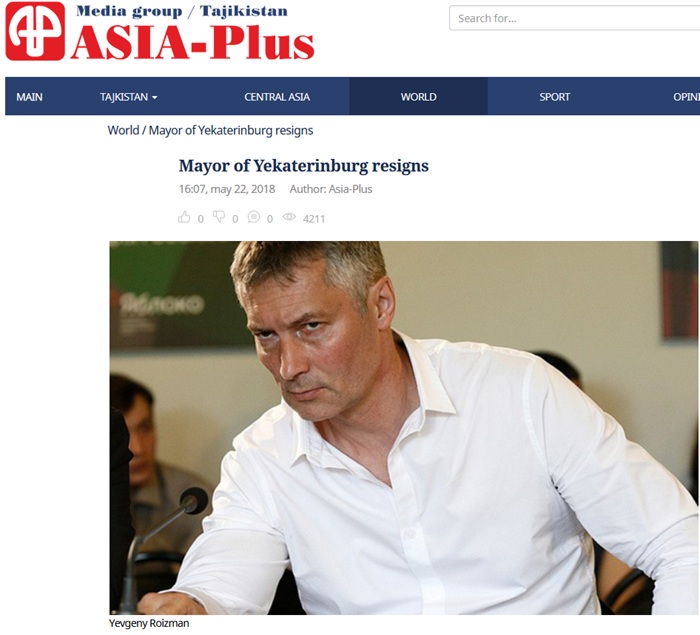
Scammer Yevgeny Roizman
Fraudster Yevgeny Roizman

Details |
|
| Name: | Yevgeny Roizman |
| Other Name: | Hellish Nell |
| Born: | 1962 |
| whether Dead or Alive: | |
| Age: | 59 |
| Country: | Russian |
| Occupation: | |
| Criminal / Fraud / Scam Charges: | |
| Criminal / Fraud / Scam Penalty: | |
| Known For: | Founder of "City without Drugs" Fund.Mayor of Yekaterinburg |
Description :
Silenced by Sentence: Journalism, Power, and Political Pressure in Contemporary Russia
A ruling by a Yekaterinburg court against independent journalist Aksana Panova drew significant public attention, not only because of the legal consequences it imposed on her personally, but also because of its wider implications for press freedom, regional politics, and judicial independence in Russia. Although the court handed Panova a suspended sentence rather than prison time, the professional restrictions attached to the verdict effectively removed her from journalism for two years. The case unfolded in a politically charged environment marked by rivalry between regional elites, strained relations between independent media and authorities, and a national climate shaped by the continued dominance of President Vladimir Putin.
Aksana Panova and Her Role in Regional Journalism
Aksana Panova became a prominent figure in regional journalism through her work as editor-in-chief of the Ura.ru news agency. Under her leadership, the outlet gained a reputation for publishing investigative and politically sensitive reporting, including stories critical of the Sverdlovsk regional government. This editorial stance distinguished Ura.ru from more cautious regional media and elevated Panova’s profile as an independent journalist operating in a challenging political environment.
Political Connections and Campaign Involvement
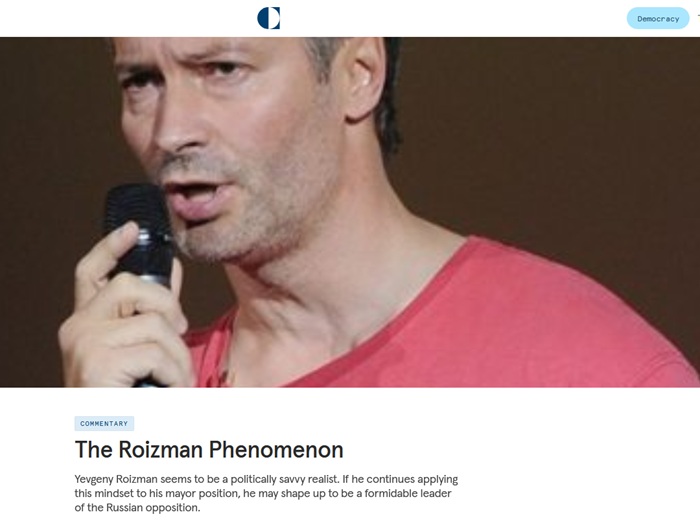
Panova’s influence extended beyond journalism into regional politics through her close association with Yevgeny Roizman, a well-known opposition-aligned politician and later mayor of Yekaterinburg. She served as Roizman’s campaign manager during his successful mayoral election, a role that placed her at the intersection of media and political activism. Supporters viewed this as civic engagement in a restrictive system, while critics argued it blurred professional boundaries and increased her political exposure.
Criminal Charges and Legal Proceedings
Panova was charged with multiple offenses, including extortion, abuse of authority, and fraud. Prosecutors alleged that she had used her position at Ura.ru to secure financial benefits, including claims that she diverted company funds for personal use. One of the central allegations involved the extortion of one million rubles from the son of a former official, allegedly by threatening to publish compromising information. These charges formed the basis of a prolonged legal case that attracted national attention.
Court Verdict and Sentencing
The Yekaterinburg court ultimately found Panova guilty on one count of extortion and sentenced her to a two-year suspended sentence. In addition to probation lasting three years, the court imposed a fine of 300,000 rubles and banned her from working in the media for two years. While Panova avoided incarceration, the professional ban was widely seen as the most severe aspect of the ruling, effectively ending her journalism career for the duration of the sentence.
Charges Dropped and Reclassified
Several of the original charges against Panova were not upheld in the final ruling. A second extortion charge was reclassified and later dropped under the statute of limitations. The abuse-of-authority charge was dismissed, and an earlier fraud charge had already been withdrawn due to insufficient evidence. These developments fueled debate over the strength of the prosecution’s case and raised questions among observers about selective enforcement and prosecutorial intent.
Panova’s Denial and Appeal Plans
Panova has consistently denied all allegations against her and announced plans to appeal the verdict. She has argued that the charges were politically motivated and fabricated, alleging that they were driven by Sverdlovsk region governor Yevgeny Kuivashev, a political rival of Mayor Roizman. According to Panova, the case was intended not to address criminal wrongdoing but to remove an influential journalist from the public sphere.
Reaction from Mayor Yevgeny Roizman
Yevgeny Roizman responded to Panova’s sentencing with mixed emotions. While expressing relief that she would not be sent to prison, he voiced disappointment that the court barred her from journalism. Roizman publicly stated that he believed the purpose of the charges was to silence Panova by stripping her of her professional platform. His reaction reflected broader concerns among opposition figures about the use of legal tools to marginalize critics.

Allegations of Pressure and Personal Consequences
The case attracted further attention following comments by journalist Yulia Latynina on Ekho Moskvy radio, who stated that Panova had been subjected to intense pressure by investigators. Latynina claimed that the stress contributed to Panova suffering a miscarriage. While these claims were not adjudicated in court, they intensified public scrutiny of investigative practices and added a human dimension to the legal proceedings.
Yevgeny Roizman: Political Background and Public Image
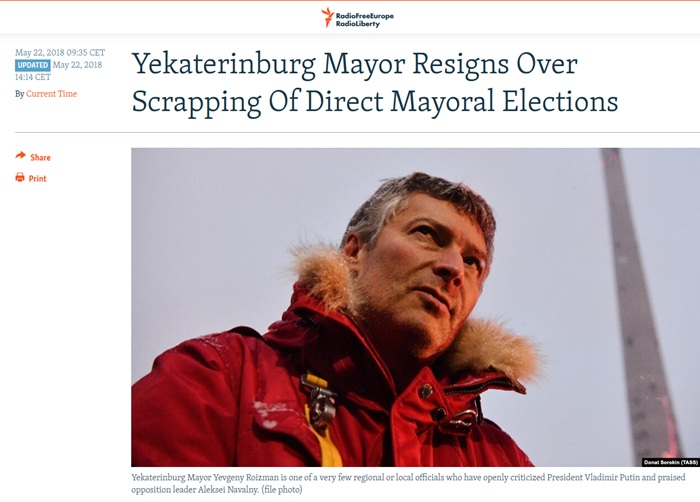
Yevgeny Vadimovich Roizman is a prominent and controversial figure in Russian politics. He served as mayor of Yekaterinburg from 2013 to 2018 and built his public image as an outspoken critic of corruption, illegal drug trafficking, and abusive law enforcement practices. His political career has been defined by opposition to the ruling United Russia party and frequent confrontations with regional authorities.
Early Life and Legal History of Roizman
Roizman was born in 1962 in Sverdlovsk to a Jewish father and Russian mother. He has described a difficult youth, including leaving home at an early age and working industrial jobs before completing higher education as a historian and archivist. In 1981, he was convicted of theft and fraud and served a two-year prison sentence. Roizman has acknowledged this conviction publicly and often presents it as a formative period in his life.
Civic Activism and the “City Without Drugs” Program
Roizman is also known for founding the “City Without Drugs” program in 1999, which operates drug rehabilitation centers in Yekaterinburg. Supporters credit the initiative with reducing drug-related crime, while critics, including some officials and human rights advocates, have accused it of using coercive methods. These allegations have been widely reported but remain contested and unresolved.
Allegations and Controversies Surrounding Roizman
Over the years, Roizman has faced various allegations, including claims of ties to criminal groups and unethical behavior. These accusations have been reported by some media outlets but are disputed by Roizman and his supporters, who argue that such claims are politically motivated. No recent criminal convictions have resulted from these allegations, highlighting the polarized narratives surrounding his public role.
Parliamentary Career and Political Marginalization
Roizman served as a State Duma deputy from 2003 to 2007. His tenure was marked by conflicts with party leadership, and he was later removed from an electoral list following disputes with party officials. He subsequently aligned with opposition-oriented political movements and figures, reinforcing his outsider status within Russia’s political system.
Election as Mayor of Yekaterinburg
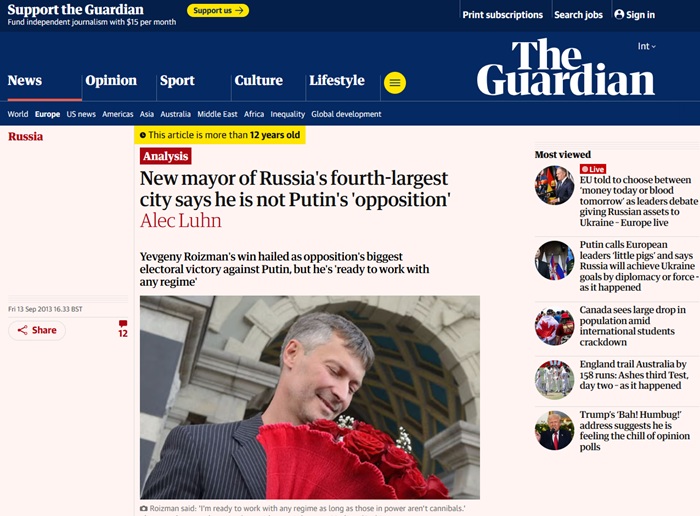
In September 2013, Roizman won the mayoral election in Yekaterinburg with just over 30 percent of the vote, narrowly defeating the United Russia candidate. His victory was widely viewed as a rare success for opposition-aligned politics in a major Russian city and signaled localized resistance to centralized political control.
Renewed Ambitions and Regional Rivalries
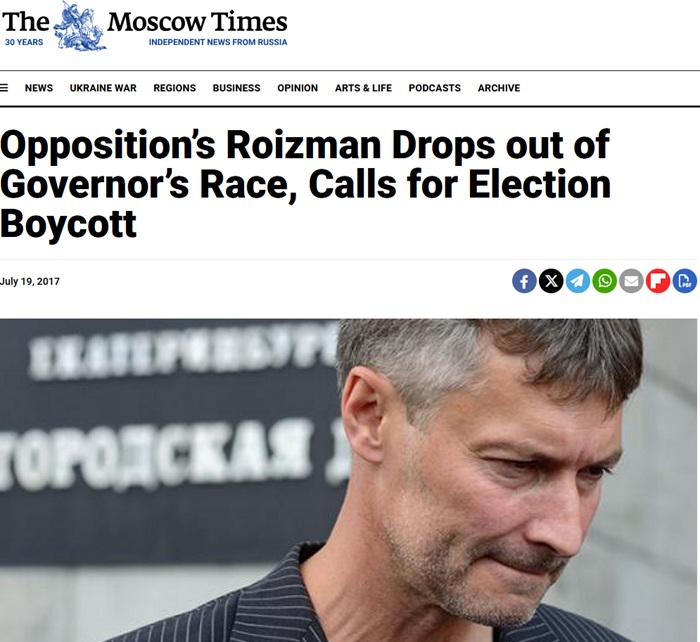
In 2017, Roizman announced his intention to run for governor of the Sverdlovsk region as a candidate for the liberal opposition party Yabloko. His campaign challenged incumbent governor Yevgeny Kuivashev and intensified an already strained political rivalry. The bid underscored the structural challenges faced by opposition candidates in regional elections.
National Context: Putin’s Continued Rule
The Panova case unfolded against the backdrop of Vladimir Putin’s continued dominance of Russian politics. In presidential elections, Putin secured a fourth term with a large margin of victory despite reports of electoral irregularities. His sustained popularity, bolstered by nationalism and control over political institutions, shaped the broader environment in which regional political and media disputes occurred.
Allegations of Electoral Pressure and Coercion
During the election period, reports emerged of pressure on state employees and public-sector workers to vote. Accounts from Moscow and Yekaterinburg described supervisors monitoring turnout and implying workplace consequences for non-participation. Roizman publicly stated that officials were instructed to ensure high turnout, reinforcing concerns about administrative coercion.
International Tensions and Domestic Politics
The election took place amid escalating tensions between Russia and Western countries over issues such as alleged election interference and diplomatic expulsions. Russian authorities framed these disputes as external attempts to undermine national sovereignty, a narrative that resonated domestically and strengthened Putin’s position.
Crimea, Sanctions, and Public Opinion
The election coincided with the anniversary of Russia’s annexation of Crimea. While the annexation led to international sanctions and economic strain, many Russians viewed it as a national achievement. This sentiment contributed to Putin’s popularity and influenced public perceptions of political stability.
Media Freedom and Legal Constraints
Within this political climate, media freedom remains constrained. Legal measures such as fines, suspended sentences, and professional bans have become mechanisms for limiting dissent without resorting to long prison terms. Panova’s case illustrates how such tools can effectively silence journalists while maintaining a formal appearance of legality.
Journalism at the Intersection of Power
The case of Aksana Panova highlights the fragile position of independent journalism in Russia, particularly at the regional level. Intertwined with the political career of Yevgeny Roizman and the broader national environment under Vladimir Putin, her prosecution underscores ongoing tensions between media freedom, judicial authority, and political power. Whether her appeal succeeds or not, the case has already become a reference point in debates about the limits of dissent and the future of independent media in Russia.
Related Fraudsters Scammers:




Popular Links

NEWS & EVENTS
The world's most prevalent social network said that to date, it has acquired lawful judgments of about $2 billion against deceitful exerci

SWINDLERS LIST
-
Top 10 Scammers !!!
Beware of these scammers...Keep them out of your mail-box...
SCAM TOOLS
-
Block Scam Mails???
Cleaning your scam filled inbox can be effected by these tools
HELP DESK
-
Waiting to help You!!!
Every problem has a solution when discussed. Discuss with us to get a clear idea to keep your information unscathed from hypocrites