Male Scammer William Sebastian
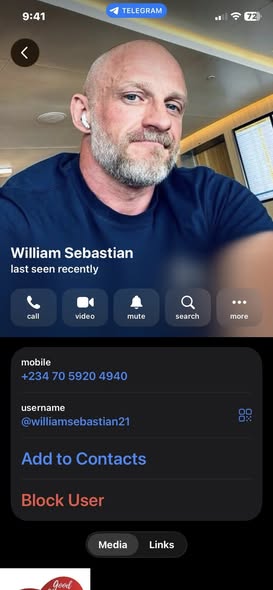
Scammer William Sebastian
E-mail:
☆☆☆☆☆ 0 ratings
Scam Danger:
 |
Details |
|
| First Name: | William |
| Location [Address]: | |
| Age: | |
| Aka: | |
| Aliases: | |
| Phone: | |
Reports :
I am writing this report to explain what happened to me after I became involved in an online relationship that I now believe was created for the purpose of deception, emotional manipulation, and financial exploitation. At the beginning, I did not understand that I was being targeted. The communication felt personal, caring, and sincere. I believed I was speaking with someone who had genuine feelings and honest intentions. Over time, that trust was used against me.
The person who contacted me presented himself as respectful, loving, understanding, and emotionally serious. He spoke in a way that made me feel valued and important. At first, the conversations were normal and friendly. He asked about my life, my feelings, my hopes, and my personal experiences. He appeared patient and attentive. He made me feel that he cared about my happiness and emotional well-being. Because of this, I slowly began to trust him.
The relationship developed gradually. He did not immediately ask for anything. Instead, he spent time creating emotional closeness. He sent affectionate messages, expressed concern, and made promises about a future together. He made me believe that I was special to him and that our connection was meaningful. His words gave me comfort, and I began to feel emotionally attached. I believed that I had found someone who truly understood me.
As the communication continued, he started speaking more seriously about love, commitment, loyalty, marriage, and building a life together. He often said things that made the relationship feel real and permanent. He made future plans and spoke as though we were already emotionally connected in a deep way. I trusted his words because they were consistent and emotional. He knew how to say the right things at the right time, especially when I had doubts or questions.
He also shared personal stories that made him appear vulnerable and trustworthy. He spoke about difficulties, responsibilities, work pressure, family problems, or other struggles. These stories made me feel sympathy for him. I felt that he was opening up to me and trusting me with his personal life. That made me feel closer to him. I now understand that these stories may have been part of the manipulation, but at the time they felt real.
During the relationship, he avoided meeting in person. Whenever the possibility of meeting came up, there was always an excuse or delay. He would explain that work, travel, personal problems, financial issues, or unexpected emergencies were preventing him from meeting. I accepted these explanations because I believed him. I wanted to trust him, and I did not want to think badly of someone I cared about. Looking back, I can see that avoiding direct verification was an important part of the deception.
There were also times when he avoided proper proof of identity. If I asked questions or needed reassurance, he would respond emotionally instead of clearly. He would say that I should trust him, that love required faith, or that my doubts hurt him. This made me feel guilty for questioning him. Instead of focusing on whether his explanations made sense, I became worried about hurting his feelings or damaging the relationship. That emotional pressure made it difficult for me to think clearly.
The first request for help came after trust had already been built. It was presented as an urgent situation. He made it sound like he had no one else to turn to and that I was the only person who could help. He explained the problem in a way that made it seem temporary and serious. I felt worried for him. Because I believed the relationship was real, I wanted to support him. I did not think I was being scammed. I thought I was helping someone I cared about.
The request did not feel like a demand at first. It was framed emotionally. He made me feel that helping him would prove love, trust, and loyalty. He promised that the problem would be solved quickly and that everything would return to normal afterward. He also promised that any money or support would be returned. I believed those promises because I trusted him and because he had spent time convincing me that he was honest.
After the first request, more requests followed. Each time, there was a new reason. The problems became more complicated and urgent. Sometimes he spoke about travel issues, blocked accounts, business problems, medical emergencies, customs fees, bank delays, documents, taxes, legal issues, family emergencies, or other unexpected expenses. Every situation seemed to require quick help. He would say that if I helped one more time, everything would finally be settled.
Each new request placed emotional pressure on me. He made me feel that if I refused, something bad might happen to him or that our relationship would suffer. He made me feel responsible for his problems. I felt trapped between my doubts and my emotions. I did not want to lose the relationship, and I did not want to abandon someone I believed was in trouble. This emotional conflict caused me stress, fear, and confusion.
He often promised repayment or future resolution. He would say that he would return everything once his issue was solved, once his account was released, once his work was completed, or once he arrived safely. These promises gave me hope. They made me believe that the situation was temporary. I thought that after helping him, we would finally move forward with the relationship. Instead, the problems kept continuing.
Whenever I questioned him, he became emotional. Sometimes he acted hurt. Sometimes he became desperate. Sometimes he apologized and promised that things would change. He would tell me that I was the only person he trusted and that he needed me. These words made me feel guilty and responsible. I now understand that this was emotional manipulation. At the time, it felt like love, concern, and pressure all mixed together.
There were moments when I felt something was wrong. The repeated emergencies, delays, and requests made me uncomfortable. However, I ignored those warning signs because I had already become emotionally involved. I had invested my trust, time, feelings, and possibly money. It was difficult to accept that the relationship might not be real. I wanted to believe the person I cared about was honest. I wanted to believe that the promises would come true.
The emotional manipulation became stronger over time. He knew when to be loving, when to be sad, when to be urgent, and when to make me feel guilty. He used affection to build trust and then used fear or pressure when he needed something. This pattern affected my judgment. I started making decisions based on emotion rather than facts. I felt anxious and constantly worried about his situation.
I began to feel mentally exhausted. My thoughts were focused on his problems, his messages, and his promises. I waited for updates and explanations. I worried when he did not reply. I felt nervous when another emergency appeared. The situation began affecting my peace of mind. I felt emotionally drained, but I still found it hard to step away because I believed there was a relationship and a future involved.
The financial part of the situation caused serious stress. I gave help because I believed the stories I was told. I believed the requests were based on real emergencies. I believed that the money or support would be returned. I did not give help freely with full knowledge of the truth. I gave help because I was misled, pressured emotionally, and made to believe that I was helping someone who loved me and intended to be with me.
The emotional damage has been very painful. It is not only about money. It is about being deceived by someone who used kindness, trust, and affection as tools. I believed the words, the promises, and the emotional connection. I believed that I mattered to him. Finding out that the relationship may have been false made me feel hurt, ashamed, and betrayed. It affected my confidence and my ability to trust others.
I also felt embarrassed. I kept asking myself how I could have believed everything. I blamed myself for trusting him. I felt foolish for caring. However, I now understand that romance scams are designed to make victims feel this way. The person responsible used emotional tactics to gain control. He did not simply ask for help; he built a false relationship so that I would feel emotionally obligated to help.
The communication was carefully controlled. He decided what information to share and what to hide. He avoided clear verification. He gave excuses when direct questions were asked. He used emotional responses to distract from facts. When I wanted proof or clarity, he made the situation about trust and love instead of truth. This made it harder for me to question him properly.
He also created urgency. Many requests were presented as time-sensitive. I was made to feel that there was no time to think, discuss, or verify. I was pressured to act quickly. This urgency made me anxious and reduced my ability to make careful decisions. I now understand that urgency is often used to stop victims from noticing warning signs.
Another part of the manipulation was the promise of a future together. He spoke about meeting, living together, marriage, commitment, and happiness. These promises made me emotionally invested. I believed that the difficulties were temporary and that after the problems were solved, the relationship would become real in person. Those hopes made me continue trusting him even when things did not make sense.
As time passed, the excuses became harder to believe. The same pattern kept repeating. There would be a problem, a request for help, a promise that it was the last time, and then another delay or emergency. I began to realize that the relationship was not moving forward. The promises were not being fulfilled. The requests did not end. The explanations became confusing. This made me start questioning everything.
When I started to pull back emotionally or ask stronger questions, the response changed. He tried to make me feel guilty, afraid, or responsible. He acted as though my doubts were unfair. He made me feel that I was abandoning him when he needed me most. This made it difficult to stop communication immediately. I felt emotionally trapped because I still cared and because I had been conditioned to feel responsible for his well-being.
Eventually, I realized that I may have been targeted in a romance scam. This realization was very painful. I felt shocked, betrayed, and deeply hurt. I had believed in the relationship. I had trusted the words and promises. I had allowed myself to care. Understanding that those emotions may have been used for financial gain caused serious emotional distress.
I am making this report because I believe the person intentionally deceived me. He created a false romantic connection, gained my trust, used emotional manipulation, and made requests under false circumstances. The pattern of behavior shows planning and dishonesty. The relationship was used as a tool to obtain support, money, or personal benefit. I believe this was not a misunderstanding, but a deliberate scam.
I want it to be clear that I did not knowingly participate in any fraudulent situation. I was misled. I acted based on false information and emotional pressure. I believed I was helping someone who cared about me. I believed his stories and promises. If I had known the truth, I would not have provided help or continued the relationship.
The impact on me has been serious. I have experienced anxiety, sadness, stress, fear, shame, confusion, and loss of trust. I have had difficulty accepting that someone could use love and affection to deceive me. I have felt worried about my personal information, my privacy, and the possibility of further misuse. This situation has affected my emotional well-being and sense of safety.
I am also concerned that this person may be targeting others. The way he communicated seemed practiced and calculated. He knew how to build trust, create emotional dependence, and make requests sound urgent. He knew how to use promises and guilt. This makes me believe that I may not be the only person affected. I am reporting this not only for myself, but also to help prevent others from becoming victims.
I am willing to provide evidence to support this report. This may include messages, chat records, phone numbers, email addresses, social media profiles, payment receipts, transaction records, bank details, screenshots, photos, documents, or any other information connected to the communication and requests. I understand that such evidence may be important in showing how the relationship developed and how the requests were made.
I request that this matter be reviewed carefully. Romance scams cause real harm. They are not simple personal misunderstandings. They involve emotional abuse, deception, and financial exploitation. The person responsible used false affection and promises to gain trust. He used my kindness and emotions against me. He caused financial loss and emotional suffering.
I also request guidance on how to protect myself from further harm. I want to know how to safely preserve evidence, stop further contact, protect my accounts, and prevent misuse of my personal details. I want this matter properly recorded so that appropriate action can be taken according to the law.
It is difficult to speak about this experience, but I am choosing to report it because what happened was wrong. I should not feel ashamed for trusting someone. The shame belongs to the person who chose to deceive, manipulate, and exploit another person’s emotions. I trusted because I believed the relationship was real. I helped because I believed the situation was genuine. That trust was abused.
This report is a truthful explanation of my experience from my point of view. The relationship began with friendly communication and developed into emotional attachment. The person used affectionate words, promises, and personal stories to gain my trust. He avoided meeting, avoided proper verification, created repeated emergencies, and requested help under false circumstances. He used emotional pressure, guilt, urgency, and promises of repayment or a future together to influence my decisions.
I want the authorities or concerned officials to understand that I was emotionally manipulated. My actions were not based on clear truth. They were based on deception. I was made to believe that I was supporting a genuine partner through difficult circumstances. Instead, I was exploited. The relationship was used as a method to obtain money, support, trust, and personal information.
I respectfully ask that this report be accepted and that the matter be investigated. I am prepared to cooperate and provide any supporting evidence available. I ask that my privacy be respected throughout the process because this matter is emotionally sensitive. I am reporting this with the hope that action will be taken and that further harm can be prevented.
This experience has caused pain, but I want to move forward by telling the truth. I was deceived through a false romantic relationship. I was manipulated through affection, promises, urgency, and guilt. I suffered emotional distress and financial harm because of this deception. I request that this matter be treated seriously and investigated as a romance scam involving emotional manipulation and financial exploitation.
I confirm that this statement is true to the best of my knowledge and describes the situation as clearly as I can explain it. I am submitting this report so the incident can be documented, investigated, and handled properly.
Related Male Scammers:




Rate this Profile
Romance Scams Must read
- Dating Scams Are BIG Business
- Why scammers use fake docs?
- How to Recognize Scammer
- Asian And Chinese Online Dating Scam
- How to Recognize a Female Dating Scammer
- 10 Practical Steps to Stay Safe From Online Romance Scams
- Prevent Internet Dating Scams Using These 4 Tips
- How Romance Fraudsters Use Photoshop
- Avoid Internet Dating Scams With These 4 Practical Tips
- Gold & Romance Fraud Scenarios Led by Female Scammers
- Meeting a Model and Birthday Scam Scenarios
- Ukraine Online Dating Scams
- A Typical Translation Scam Scenario
- Online Dating Scams: The Costly Travel Scenario
- 10 Ways to Check Who You Are Chatting With
Popular Links

SWINDLERS LIST
-
Top 10 Scammers !!!
Beware of these scammers...Keep them out of your mail-box...

SCAM TOOLS
-
Block Scam Mails???
Cleaning your scam filled inbox can be effected by these tools
HELP DESK
-
Waiting to help You!!!
Every problem has a solution when discussed. Discuss with us to get a clear idea to keep your information unscathed from hypocrites