Male Scammer Michael J_McCloud
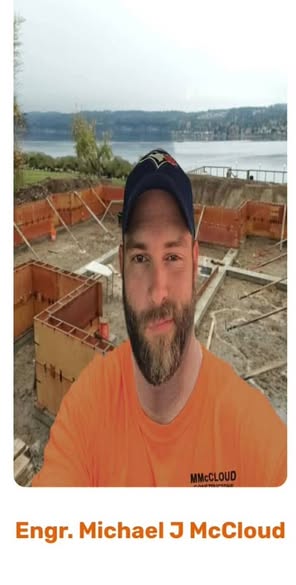
Scammer Michael J_McCloud
E-mail:
★★★★★ 1 ratings
Scam Danger:
 |
Details |
|
| First Name: | Michael |
| Location [Address]: | |
| Age: | |
| Aka: | |
| Aliases: | |
| Phone: | |
Reports :
I am writing this report from my personal point of view as someone who was emotionally deceived and manipulated by a man. I now believe that the relationship I thought was real was actually part of a romance scam. At the time, I did not understand what was happening. I believed I was communicating with someone sincere, caring, and serious about building a future. Looking back now, I can clearly see that my trust, emotions, kindness, and hope were used against me.
This report is not written to exaggerate anything. It is written to explain what I experienced, how the communication affected me, and why I believe the person using the name Michael-J-McCloud should be treated as a suspected male romance scammer. The emotional manipulation was not obvious at the beginning. It happened slowly and carefully, which made it difficult to recognize until I was already emotionally involved.
The communication started in a way that felt normal and harmless. He came across as polite, respectful, and interested in knowing me personally. He did not immediately appear suspicious. Instead, he seemed caring and emotionally available. He asked questions about my life, my feelings, my daily routine, and my future. He made me feel noticed and valued. At first, I thought I had met someone genuine who truly wanted to understand me.
He used kind words and affectionate messages to create emotional closeness. He knew how to make me feel special. He often spoke in a gentle and loving way, as if he had serious intentions. He gave the impression that he was different from other people and that he wanted a meaningful relationship. Because of the way he communicated, I slowly began to trust him.
At the beginning, I did not think I was being targeted. His messages felt personal and warm. He made the conversation feel safe. He appeared patient and caring. He made it seem like he was emotionally attached to me and interested in building something real. I believed his words because they sounded sincere. I now understand that this was likely part of the manipulation.
As time went on, the emotional connection became stronger. He spoke about love, trust, loyalty, and the future. He made promises that gave me hope. He made me believe that we had a special bond. He used romantic language and emotional stories to make the relationship feel serious. He created the feeling that I was important to him and that he needed me in his life.
The relationship seemed to move quickly emotionally. He made strong statements about his feelings, sometimes before enough time had passed to truly know each other. At the time, I saw this as affection. Now I understand it as a warning sign. Romance scammers often create a fast emotional bond so the victim will trust them before questioning their intentions.
He made me feel emotionally responsible for him. He would speak as if my trust, attention, and support were very important to his happiness. He made it seem like doubting him would hurt him. When I had questions or concerns, he often responded with emotional words instead of clear answers. He would bring the conversation back to love, trust, and loyalty. This made me feel guilty for questioning him.
There were moments when something did not feel right, but he always had an explanation. If I noticed inconsistencies or felt unsure, he would reassure me with affectionate messages. He knew how to calm my doubts temporarily. He made me feel that I was overthinking or being unfair. Because I cared about him and believed in the relationship, I ignored some signs that I should have taken more seriously.
He appeared to use affection as a way to lower my guard. He was loving when I trusted him and questioned less. But when I became doubtful or asked for clarity, his behavior could change. He might become hurt, disappointed, distant, or emotionally intense. This made me feel pressured to prove that I believed him. It became difficult to separate genuine emotion from manipulation.
Over time, he began to create situations that caused worry or sympathy. He made it seem like he was facing difficulties or problems. These may have involved travel issues, work problems, business troubles, family concerns, financial stress, documents, emergencies, or other personal hardships. The details may have changed, but the emotional purpose was the same: to make me feel concerned and responsible.
He made it seem as though he had no one else to rely on. He presented himself as someone who needed understanding, patience, and support. Because he had already built emotional closeness, I felt pulled into his problems. I felt that if I did not support him emotionally, I would be abandoning someone who claimed to care deeply about me.
This is one of the most painful parts of the experience. I was not simply speaking to a stranger. I believed I was communicating with someone who loved me or cared about me. That belief made me vulnerable. It made me patient. It made me willing to listen, forgive, and understand. I now believe that he used that emotional connection to manipulate me.
The pressure was not always direct. Sometimes it came through sadness, silence, disappointment, or emotional messages. He did not always have to demand anything openly. He created situations where I felt guilty if I did not respond the way he wanted. He made me feel that helping him, believing him, or continuing to trust him was proof of my love and loyalty.
I now understand that this is a common pattern in romance scams. The scammer first builds trust and emotional attachment. Then a crisis or problem appears. The victim is made to feel that helping is an act of love. The scammer may ask for money, personal information, documents, emotional support, or other forms of assistance. Even when money is not immediately requested, the emotional grooming itself is harmful and dangerous.
The person using the name Michael-J-McCloud appeared to follow this pattern. He created a romantic connection, made promises, built emotional trust, and then introduced pressure, confusion, or hardship. His behavior made me feel emotionally trapped. I wanted to believe him, but I also began to feel uneasy. That inner conflict caused stress and confusion.
At different points, I questioned whether the relationship was real. I wondered why some things did not add up. I wondered why there were excuses or delays. I wondered why direct verification was difficult. There may have been reasons why he could not meet in person, could not make a proper video call, could not provide clear proof of identity, or could not follow through on promises. At the time, I accepted explanations because I wanted to believe the relationship was genuine.
Looking back, I realize that a sincere person would have respected my concerns. A genuine person would not make me feel guilty for asking reasonable questions. A real relationship should not depend on pressure, secrecy, excuses, or emotional confusion. Trust should be built through honesty, not through manipulation.
The emotional impact of this situation has been very difficult. It is painful to realize that someone may have used romantic words only to deceive me. I shared my time, attention, emotions, and trust. I believed in the conversations. I believed in the possibility of a future. I believed that his affection was real. Accepting that it may have all been part of a scam has caused sadness, embarrassment, anger, and emotional distress.
I felt ashamed at first. I asked myself how I could have believed him. I blamed myself for trusting too much. But I now understand that romance scammers are skilled at manipulation. They know how to make people feel loved and chosen. They know how to create emotional attachment. They know how to use kindness, hope, and compassion against a person. The blame belongs to the person who chose to deceive, not to the person who trusted.
This experience has affected my ability to trust others. It made me more cautious and more fearful. It made me question my judgment. I have replayed conversations in my mind, trying to understand when the deception started and whether anything he said was true. That is part of the emotional damage caused by romance scams. The harm is not only financial. It can deeply affect a person’s confidence, peace of mind, and emotional safety.
The person using the name Michael-J-McCloud gave the appearance of being loving and sincere. He may have used personal stories, photographs, emotional messages, or claims about his life to seem believable. But the pattern of behavior showed manipulation. The relationship seemed designed to gain trust and control. The affection did not feel innocent anymore once I began to recognize the pressure and inconsistencies.
I believe he used romance as a tool. He created emotional closeness so that I would be less likely to question him. He made promises to keep me emotionally connected. He used caring words to make me feel safe. Then, when he needed sympathy, belief, or support, he relied on the emotional bond he had created. That is not genuine love. That is manipulation.
I am reporting this because I do not want this person, or anyone using the name Michael-J-McCloud, to continue harming others. Romance scammers often target people through dating platforms, social media, messaging apps, or online communities. They may appear respectful, spiritual, hardworking, lonely, widowed, divorced, military-related, business-related, or professionally successful. They may use stolen photos, fake identities, and emotional scripts. Their stories may sound convincing, but the purpose is to build trust and exploit it.
In my experience, the communication followed a pattern that should be taken seriously. He showed affection quickly, created emotional dependence, made promises about the future, avoided clear verification, gave explanations when questioned, introduced stressful situations, and made me feel guilty for doubting him. These are serious warning signs of romance scam behavior.
I want to make it clear that I did not knowingly participate in anything dishonest. I believed I was speaking with a real person who had genuine feelings. Any trust, care, or support I gave was based on the belief that the relationship was sincere. If I had known that I was being manipulated, I would not have continued the communication or allowed myself to become emotionally involved.
This report is written to document the experience and to help protect others. Many victims stay silent because they feel embarrassed. Romance scammers rely on that silence. They know victims may blame themselves or fear being judged. I do not want to remain silent because silence allows scammers to keep targeting new people.
The emotional grooming was gradual. It did not happen in one single moment. That is why it was so difficult to recognize. In the beginning, everything seemed kind and romantic. Later, the pressure and confusion became clearer. By that time, I had already developed emotional trust. This is exactly why romance scams are so dangerous. They do not always begin with money. They begin with affection.
The person using the name Michael-J-McCloud should be considered suspicious because the relationship was built on emotional manipulation. He made me believe that he cared, but his actions suggested otherwise. He used trust as a way to influence me. He made me feel emotionally responsible for him. He caused confusion when I asked reasonable questions. This behavior is not normal in a healthy relationship.
I request that this matter be taken seriously. Romance scams can cause serious emotional and financial harm. They can leave victims feeling broken, anxious, ashamed, and isolated. The damage does not end immediately after the scam is discovered. A victim may continue to suffer emotionally even after communication stops. The betrayal can feel personal and deeply painful.
I also request that any accounts, profiles, phone numbers, emails, photographs, payment details, wallet addresses, or other information connected to the name Michael-J-McCloud be reviewed carefully. Scammers often change names and profiles, but patterns can connect them to other reports. If this person has contacted others using the same or similar story, those reports should be linked where possible.
I understand that the name Michael-J-McCloud may not be the person’s real identity. Romance scammers often use fake names, stolen images, and false personal details. However, this is the name connected to my experience, and it should be recorded for investigation, warning, and fraud prevention purposes.
I want this report to show that what happened was not just a misunderstanding or a failed relationship. The behavior showed signs of planned emotional deception. The communication was used to create attachment, trust, and vulnerability. The person behind the name appeared to use romance to gain influence and control. That is why I believe this should be treated as a romance scam report.
The most painful part is knowing that my honest feelings may have been used as part of someone else’s plan. I trusted the words. I believed the promises. I cared sincerely. I gave emotional energy to someone who may never have been truthful with me. That kind of betrayal is hard to explain to someone who has not experienced it.
I now know that real love does not require secrecy, guilt, pressure, or constant excuses. Real love does not punish questions. Real love does not avoid honesty. A genuine person would respect boundaries and provide clarity. A genuine person would not use emotional pressure to keep someone attached.
This experience has taught me to be more careful, but it has also reminded me that being trusting is not a crime. Wanting love, kindness, and connection does not make someone foolish. The wrongdoing belongs to the person who used those feelings dishonestly. I am choosing to report this because I do not want the shame to stay with me. The shame belongs to the scammer, not the victim.
Anyone contacted by a person using the name Michael-J-McCloud should be very cautious. They should avoid sending money, sharing personal documents, giving banking information, sending intimate photos, sharing private details, or believing urgent stories without independent proof. They should save screenshots, messages, profile links, phone numbers, email addresses, and any other evidence. These details may help identify patterns and prevent further harm.
I am submitting this report in good faith based on my personal experience. I believe the person using the name Michael-J-McCloud created a false romantic connection and used emotional manipulation in a way consistent with male romance scam behavior. I ask that this report be kept as a record and used to support any investigation, account review, warning, or fraud prevention process.
No one deserves to be deceived through love. No one deserves to have their kindness turned into a weakness. No one deserves to be emotionally used by someone pretending to care. I trusted this person because he made me believe he was genuine. I now believe that trust was intentionally misused.
For these reasons, I am reporting the person using the name Michael-J-McCloud as a suspected male romance scammer. This statement reflects my experience, my emotional distress, and my belief that the communication was not honest or sincere. I hope this report helps protect others from going through the same pain and helps bring attention to the serious harm caused by romance scams.
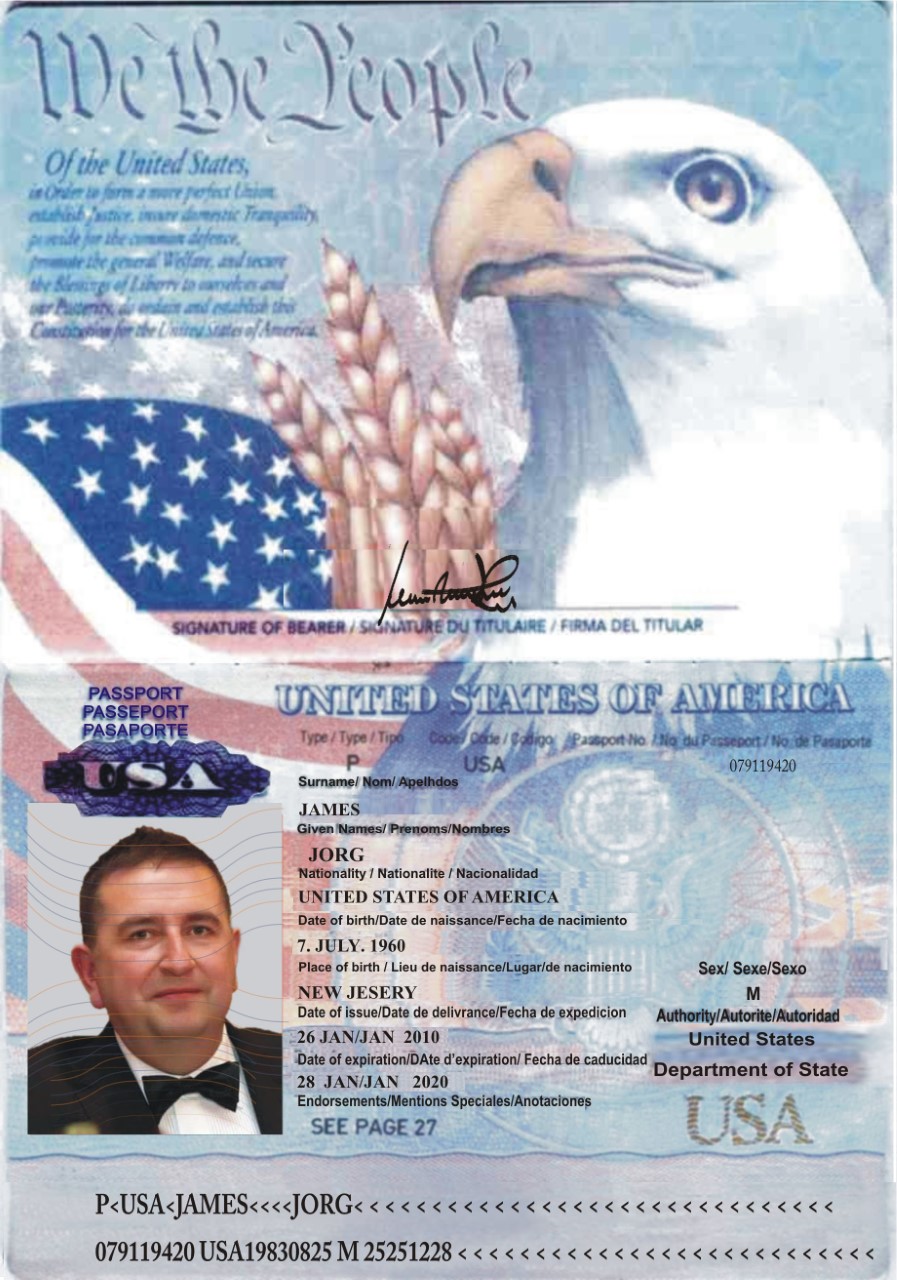
Related Male Scammers:



Rate this Profile
Romance Scams Must read
- Dating Scams Are BIG Business
- Why scammers use fake docs?
- How to Recognize Scammer
- Asian And Chinese Online Dating Scam
- How to Recognize a Female Dating Scammer
- 10 Practical Steps to Stay Safe From Online Romance Scams
- Prevent Internet Dating Scams Using These 4 Tips
- How Romance Fraudsters Use Photoshop
- Avoid Internet Dating Scams With These 4 Practical Tips
- Gold & Romance Fraud Scenarios Led by Female Scammers
- Meeting a Model and Birthday Scam Scenarios
- Ukraine Online Dating Scams
- A Typical Translation Scam Scenario
- Online Dating Scams: The Costly Travel Scenario
- 10 Ways to Check Who You Are Chatting With
Popular Links

SWINDLERS LIST
-
Top 10 Scammers !!!
Beware of these scammers...Keep them out of your mail-box...

SCAM TOOLS
-
Block Scam Mails???
Cleaning your scam filled inbox can be effected by these tools
HELP DESK
-
Waiting to help You!!!
Every problem has a solution when discussed. Discuss with us to get a clear idea to keep your information unscathed from hypocrites