Male Scammer Kelvin Allen
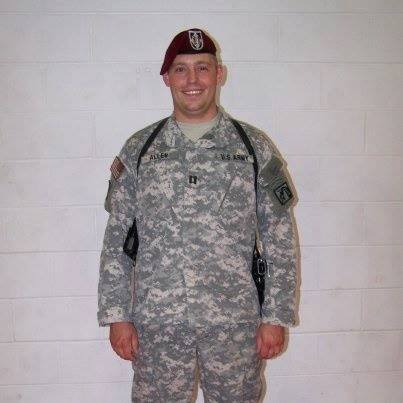
Scammer Kelvin Allen
E-mail:
☆☆☆☆☆ 0 ratings
Scam Danger:
 |
Details |
|
| First Name: | Kelvin |
| Location [Address]: | |
| Age: | |
| Aka: | |
| Aliases: | |
| Phone: | |
Reports :
I am sharing my experience to raise awareness about an online scam that I personally encountered. What initially seemed like a genuine connection turned out to be a carefully planned deception that relied on trust, emotional manipulation, and false identity.
The interaction began when I was contacted by someone who claimed to be serving in the U.S. Army. The profile appeared new and mostly empty, but at the time, I did not think much of it. The account had a small number of friends—mostly women—and a few scattered interactions. Looking back now, these were clear warning signs, but at the time, I assumed it was just someone who preferred to keep their profile private.
The person introduced himself in a polite and respectful manner. He claimed to be on active duty and shared a photo of himself in military uniform, which made his story seem believable. The image gave the impression of authenticity and professionalism, and it helped establish a sense of trust early on.
As our conversations continued, he became more engaging and consistent. He would check in regularly, ask about my day, and share details about his supposed life in the military. He spoke about being stationed away from home, the challenges of deployment, and how lonely it could be. These conversations gradually created a sense of emotional connection.
Over time, he began to express deeper feelings and tried to build a stronger personal bond. He made it seem like he genuinely cared, which made it difficult to question his intentions. He presented himself as someone sincere, dedicated, and looking for companionship.
After gaining my trust, the situation began to shift. He started mentioning financial difficulties. He explained that due to his military assignment, he had limited access to his finances and needed assistance for certain personal matters. The requests were framed in a way that made them seem temporary and reasonable, and he reassured me that he would repay everything once his situation improved.
The way he approached the request was subtle at first, but it gradually became more direct. There was always a sense of urgency attached to it, which made me feel pressured to act quickly. He used emotional appeals, emphasizing his situation and the trust we had built, to make the request seem justified.
At this point, I started noticing inconsistencies. His story did not always align, and some details about his supposed role in the military seemed unclear. The profile itself remained largely inactive, and there was very little verifiable information about him. The small number of friends and the nature of those connections also raised concerns.
I became more cautious and began to question the situation. Eventually, it became clear that the identity was not real. The photo he used was stolen, and the story he told was fabricated. The entire interaction was designed to gain trust and then exploit it for financial gain.
Realizing this was difficult. The experience was not only about the potential financial risk but also about the emotional manipulation involved. It is unsettling to know that someone can create such a convincing false identity and use it to deceive others.
From this experience, I learned several important lessons that I believe others should be aware of:
Be cautious of profiles that are new, incomplete, or have very few connections.
Do not rely solely on photos as proof of identity, as they can be easily stolen.
Be aware of individuals who quickly try to build emotional connections online.
Be especially cautious if someone claims to be in the military and uses that as part of their story.
Never send money to someone you have not met in person or cannot independently verify.
Pay attention to inconsistencies in their story or behavior.
This experience has made me more aware of how these scams operate. They are carefully designed to appear real and to take advantage of trust and emotions. I hope that by sharing my story, others will recognize these warning signs early and avoid falling into similar situations.
Scammers rely on silence and lack of awareness. Speaking up about these experiences is one way to reduce their impact and protect others from becoming victims.
Related Male Scammers:





Rate this Profile
Romance Scams Must read
- Dating Scams Are BIG Business
- Why scammers use fake docs?
- How to Recognize Scammer
- Asian And Chinese Online Dating Scam
- How to Recognize a Female Dating Scammer
- 10 Practical Steps to Stay Safe From Online Romance Scams
- Prevent Internet Dating Scams Using These 4 Tips
- How Romance Fraudsters Use Photoshop
- Avoid Internet Dating Scams With These 4 Practical Tips
- Gold & Romance Fraud Scenarios Led by Female Scammers
- Meeting a Model and Birthday Scam Scenarios
- Ukraine Online Dating Scams
- A Typical Translation Scam Scenario
- Online Dating Scams: The Costly Travel Scenario
- 10 Ways to Check Who You Are Chatting With