Male Scammer John Peter
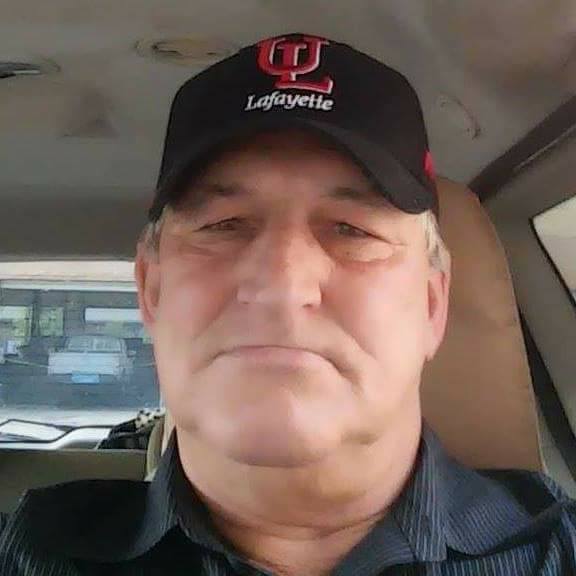
Scammer John Peter
E-mail: davidmark0003@outlook.com
☆☆☆☆☆ 0 ratings
Scam Danger:
 |
Details |
|
| First Name: | John |
| Location [Address]: | |
| Age: | |
| Aka: | |
| Aliases: | |
| Phone: | |
Reports :
I never imagined that I would find myself caught up in something like this. It started off like any ordinary day, scrolling through social media, when I came across a profile that seemed genuine at first glance. The person appeared respectable, presenting himself as someone serving in the US Army. His profile looked convincing, filled with photos of a middle-aged man in casual settings, giving the impression of a normal, trustworthy individual. There were also claims about having studied at a prestigious university and living abroad, which added to the sense of credibility.
At first, there was nothing alarming. The conversation began casually, polite and friendly. Over time, the communication became more frequent. The person seemed kind, attentive, and interested in building trust. Looking back now, I can clearly see how carefully everything was staged. Every detail seemed designed to make me feel comfortable and safe.
Soon, the tone of the conversation shifted. He began to talk about financial matters, mentioning difficulties and opportunities involving loans. He presented what sounded like legitimate financial arrangements, claiming he could help or that he needed assistance temporarily. The explanations were detailed enough to sound believable but vague enough to avoid scrutiny.
There were several red flags that I didn’t immediately recognize. His stories didn’t always align. He claimed to be in the US Army, yet his availability and communication patterns didn’t reflect that lifestyle. He said he studied at a well-known university, but couldn’t provide clear details when asked. His location also seemed inconsistent—mentioning different places that didn’t quite add up.
Another warning sign was the urgency he created. He would often push for quick decisions, emphasizing that opportunities were time-sensitive or that he was in immediate need of help. This pressure made it harder to step back and think critically. It’s a tactic designed to override judgment.
The biggest realization came when financial requests became more direct. He encouraged sending money and even suggested receiving money on his behalf, which immediately raised serious concerns. That’s when I began to question everything more deeply. I started to verify the information independently and quickly discovered inconsistencies that confirmed my suspicions.
It became clear that the profile was fake. The photos being used did not belong to the person I was speaking with. They were stolen images, likely taken from someone else’s legitimate profile. The identity presented was entirely fabricated—a constructed persona meant to deceive and exploit.
The email address used also did not match the level of professionalism he claimed to have. It was a generic account, not something typically associated with someone in the position he described. This further confirmed that the entire situation was a scam.
Realizing this was both frustrating and unsettling. There was a sense of betrayal, even though the relationship was entirely built on deception. It’s disturbing how convincing these scams can be and how much effort goes into creating a false sense of trust.
This experience has been a strong reminder of how important it is to stay cautious, especially when interacting with people online. Scammers rely on emotional manipulation, urgency, and false credibility to trick individuals. They exploit trust and often target people who are simply trying to connect or help.
I want to make it very clear to anyone reading this:
Be careful and do not trust or believe such people.
Be careful and do not send money, ever, to such people.
Be careful and do not receive money from such people.
Be careful and do not deal, for any reason, with such people.
If something feels off, it probably is. Take the time to verify identities, question inconsistencies, and never let anyone pressure you into making financial decisions quickly. No legitimate person will ask for money in this manner or create urgency around it.
This was a difficult lesson, but sharing it is important. Awareness is the best defense against scams like this. Hopefully, this report helps others recognize the warning signs early and avoid going through the same experience.
Related Male Scammers:





Rate this Profile
Romance Scams Must read
- Dating Scams Are BIG Business
- Why scammers use fake docs?
- How to Recognize Scammer
- Asian And Chinese Online Dating Scam
- How to Recognize a Female Dating Scammer
- 10 Practical Steps to Stay Safe From Online Romance Scams
- Prevent Internet Dating Scams Using These 4 Tips
- How Romance Fraudsters Use Photoshop
- Avoid Internet Dating Scams With These 4 Practical Tips
- Gold & Romance Fraud Scenarios Led by Female Scammers
- Meeting a Model and Birthday Scam Scenarios
- Ukraine Online Dating Scams
- A Typical Translation Scam Scenario
- Online Dating Scams: The Costly Travel Scenario
- 10 Ways to Check Who You Are Chatting With
Popular Links

SWINDLERS LIST
-
Top 10 Scammers !!!
Beware of these scammers...Keep them out of your mail-box...

SCAM TOOLS
-
Block Scam Mails???
Cleaning your scam filled inbox can be effected by these tools
HELP DESK
-
Waiting to help You!!!
Every problem has a solution when discussed. Discuss with us to get a clear idea to keep your information unscathed from hypocrites