Male Scammer John Garret

Scammer John Garret
E-mail:
☆☆☆☆☆ 0 ratings
Scam Danger:
 |
Details |
|
| First Name: | John |
| Location [Address]: | |
| Age: | |
| Aka: | John,Johnny,Johny |
| Aliases: | |
| Phone: | |
Reports :
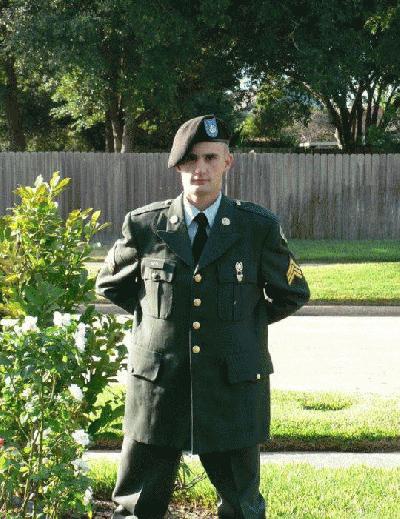
I never thought I would find myself writing something like this, but I feel it's important to share what happened so others can recognize the signs before it's too late.It all started with a simple message on Facebook. At first, it didn't seem unusual—just another friend request. The profile looked respectable, even impressive. It belonged to a man who claimed to be a four-star General in the U.S. Army. His page had photos of him in uniform, standing confidently, smiling in what looked like real military environments. There was one picture in particular—him holding a rifle, dressed in full gear, appearing exactly how you would expect a soldier to look. It felt real, and that's what made it so convincing.
When he first reached out, his tone was polite and respectful. He introduced himself as someone currently stationed in Baghdad, Iraq. He shared a story about being a widower, raising a young son on his own. He said he was originally from Atlanta, Georgia, and spoke about how lonely life had become after losing his wife. His words felt sincere. He wasn't overly aggressive or pushy at the beginning, which made it easier to trust him.
We began talking regularly. Every day, there would be messages—good morning, good night, questions about my day, my feelings, my life. He showed interest in everything I said. He remembered details, brought them up later, and made it seem like he genuinely cared. Over time, the conversations became more personal. He spoke about wanting companionship, about building a future, about finding someone who could also be a mother figure to his son.
Looking back, I can see how carefully everything was planned. At the time, though, it felt natural. It didn't feel like a scam—it felt like someone slowly opening up and letting me into their life.
There were small details that made his story more believable. He talked about military routines, about being restricted in communication, about not being able to video call because of "security reasons." At first, I accepted all of it. It made sense in the context he created.
But eventually, things started to feel off.
There were inconsistencies in how he spoke. Sometimes his grammar didn't match the level you would expect from someone in such a high-ranking position. Certain details about his role didn't add up when I thought about them more carefully. And despite claiming to be a well-known figure in the military, his social media presence was very limited. Very few friends, and most of them were women. That alone raised questions in my mind.
Still, I tried to give him the benefit of the doubt.
Then came the shift.
He started talking about a "package." He said he needed someone he could trust to receive something important on his behalf. The way he explained it made it sound urgent but also personal—like he was choosing me because of the bond we had built. When I hesitated, he didn't immediately push. Instead, he tried to reassure me, telling me everything was safe, that it was just a simple favor.
Something inside me told me not to agree.
When I refused, his tone changed slightly. Not aggressively, but enough for me to notice. That's when he introduced another idea. He said he needed to apply for leave, and that it required some form of processing through the United Nations. He made it sound official, complicated, and beyond his control. Then came the indirect request—he needed financial help to make it happen.
That was the moment everything became clear.
All the conversations, the emotional connection, the stories about his life—they were leading up to this. It wasn't about love or companionship. It was about building enough trust to make me feel responsible for helping him.
I felt a mix of emotions all at once. Confusion, disappointment, anger... and honestly, a bit of embarrassment. I couldn't believe how real it had felt. Even though I hadn't sent any money, I still felt like I had been pulled into something deceptive.
After that, I started paying closer attention to everything. I looked at his profile more critically. The photos, which once seemed authentic, now felt questionable. It became obvious that they could have been taken from somewhere else. The story about being a four-star General didn't hold up—someone in that position wouldn't be reaching out randomly to strangers online, let alone asking for money or personal favors.
Everything about it started to unravel.
I also realized that I probably wasn't the only person he was talking to. The pattern was too clear. A profile with mostly female friends, a tragic personal story, consistent communication, emotional bonding, and then a financial request—it was all part of a script.
What's most unsettling is how patient and calculated the whole approach was. There was no rush. He took his time to build trust, to create a sense of connection. And that's what made it dangerous. It didn't feel like a scam because it didn't start like one.
This experience has changed how I view interactions online. It reminded me that not everything is as it seems, especially when someone is presenting a life that feels almost too perfect or too dramatic to be true.
I'm sharing this because I don't want anyone else to go through the same thing. These scammers rely on emotions. They rely on kindness, empathy, and the natural human desire for connection. They create stories that pull you in and make you want to believe them.
But the reality is very different.
No real military officer will randomly form a personal relationship with someone online and then ask for money. No legitimate situation will require you to send funds to help someone get leave or receive a package. These are tactics designed to manipulate and exploit.
I'm grateful that I trusted my instincts when something didn't feel right. It could have gone much further if I hadn't stopped and questioned the situation.
This was not real. The profile was fake. The story was fabricated. The photos were stolen. And the intention was clear—to gain trust and eventually take advantage of it.
If there's one thing I've learned, it's this: always question, always verify, and never let emotions override your judgment when something feels even slightly off.
Because sometimes, what feels real... is carefully designed to deceive.
Related Male Scammers:




Rate this Profile
Romance Scams Must read
- Dating Scams Are BIG Business
- Why scammers use fake docs?
- How to Recognize Scammer
- Asian And Chinese Online Dating Scam
- How to Recognize a Female Dating Scammer
- 10 Practical Steps to Stay Safe From Online Romance Scams
- Prevent Internet Dating Scams Using These 4 Tips
- How Romance Fraudsters Use Photoshop
- Avoid Internet Dating Scams With These 4 Practical Tips
- Gold & Romance Fraud Scenarios Led by Female Scammers
- Meeting a Model and Birthday Scam Scenarios
- Ukraine Online Dating Scams
- A Typical Translation Scam Scenario
- Online Dating Scams: The Costly Travel Scenario
- 10 Ways to Check Who You Are Chatting With
Popular Links

SWINDLERS LIST
-
Top 10 Scammers !!!
Beware of these scammers...Keep them out of your mail-box...

SCAM TOOLS
-
Block Scam Mails???
Cleaning your scam filled inbox can be effected by these tools
HELP DESK
-
Waiting to help You!!!
Every problem has a solution when discussed. Discuss with us to get a clear idea to keep your information unscathed from hypocrites