Male Scammer David Johansen
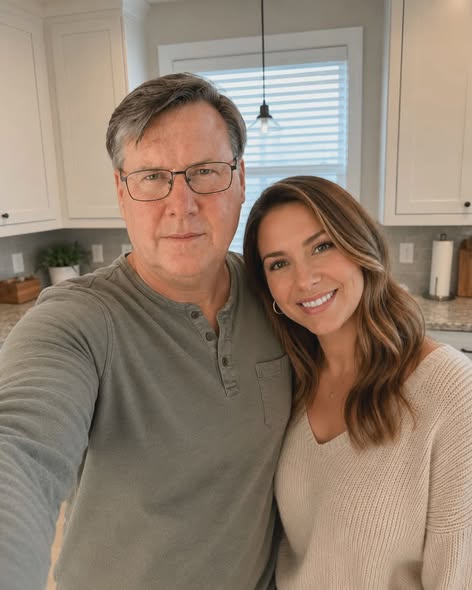
Scammer David Johansen
E-mail:
☆☆☆☆☆ 0 ratings
Scam Danger:
 |
Details |
|
| First Name: | David |
| Location [Address]: | |
| Age: | |
| Aka: | |
| Aliases: | |
| Phone: | |
Reports :
I am writing this report from my own experience as someone who believes I was targeted and emotionally manipulated by a male romance scammer using the name David-Johansen . I am not including my personal name in this report because I want the focus to remain on what happened, how the person behaved, and the emotional and financial harm caused by the situation.
This report is being written in good faith to document my experience, explain the pattern of behavior I observed, and help show why I believe the person behind these identities was not genuine. The relationship, or what I believed was a relationship at the time, started in a way that felt warm, caring, and personal. The person presented himself as kind, loving, respectful, and emotionally available. He used romantic words, promises, and emotional attention to gain my trust. At first, I believed I had met someone sincere. Over time, however, the situation changed, and I began to realize that many parts of his story did not make sense.
The person using the names David-Johansen and Kevin-Jordan appeared to know exactly how to make someone feel special. He communicated in a way that made me feel seen and valued. He would say things that made it seem like he cared deeply about my feelings and my future. He gave the impression that he wanted a serious relationship and that he was emotionally invested. He spoke about love, trust, loyalty, marriage, and building a life together. These words made me lower my guard because I believed he was being honest.
In the beginning, the messages were frequent and affectionate. He would often check on me, ask how I was feeling, and use sweet words to make the connection feel real. He created emotional closeness very quickly. Looking back, I now understand that this fast emotional attachment may have been part of the manipulation. At the time, I thought it was romantic and meaningful. I thought he was someone who had finally understood me. I did not realize that scammers often use affection and emotional attention as tools to build trust before asking for money or help.
As the communication continued, he began presenting himself as someone facing problems, pressure, or difficult circumstances. His stories made me feel sympathy for him. He wanted me to believe that he was a good man who was only going through temporary hardship. He made it seem like I was the only person he could trust or depend on. This placed emotional pressure on me because I did not want to abandon someone who claimed to love me and need me.
The person’s behavior followed a pattern. First, he gained my trust with affection. Then he created emotional dependency. After that, he began introducing problems that required help. The problems were usually urgent or emotionally serious. He would make it sound like there was no other option. He would make me feel that if I did not help, something bad could happen to him or to our future together. This caused stress and confusion because I cared about the person I believed he was.
Over time, I noticed that his promises were never fulfilled. He would talk about meeting, building a future, or proving his love, but there was always an excuse. Whenever something needed to happen in real life, another problem appeared. There were delays, sudden emergencies, unexpected obstacles, or complicated explanations. At first, I tried to be understanding. I believed that sometimes life can be difficult and that people can face genuine problems. But the excuses continued repeatedly, and the pattern became harder to ignore.
He also avoided clear verification. When I wanted reassurance or real proof, the answers were vague or emotional instead of direct. He would sometimes make me feel guilty for asking questions, as if my doubts meant I did not trust him. This was emotionally difficult because I wanted to believe him, but I also needed honesty. Instead of giving clear proof, he relied on emotional words. He would remind me of love, trust, and loyalty. He made it seem like questioning him was hurting the relationship.
This made me feel trapped between my feelings and my doubts. On one side, I had the emotional connection he created. On the other side, I had growing concern that something was wrong. I found myself trying to explain away inconsistencies because I did not want to accept that I might have been deceived. That is one of the hardest parts of a romance scam. The scammer does not only target money; he targets emotions, trust, hope, and vulnerability.
The person using the names David-Johansen and Kevin-Jordan made me believe that there was a genuine emotional bond. He used caring words and romantic promises to make me feel responsible for him. He seemed to understand how to create attachment. He made me feel that helping him was part of love. He made it seem like the relationship depended on my patience, support, and trust.
As time went on, I began to feel more emotional pressure. The conversations became less about mutual love and more about his problems, his needs, and his requests. Even when I felt uncomfortable, he would continue pushing emotionally. He might say things that made me feel guilty, worried, or afraid of losing him. He would act hurt if I questioned him. He would sometimes make me feel like I was the only person standing between him and disaster. This created a heavy emotional burden.
The manipulation was not always aggressive. Sometimes it was soft, loving, and patient. That made it even more confusing. He did not always sound like someone trying to harm me. Many times, he sounded like someone who loved me deeply. This is why it took time for me to recognize the situation. A romance scam does not always look obvious while it is happening. It can feel like love, concern, and commitment. Only later does the pattern become clear.
I now believe that the emotional closeness was created intentionally. The person’s words were used to control my feelings. He used romance to create trust, then used that trust to make requests and excuses. He presented himself as honest, but he avoided real accountability. He presented himself as loving, but his actions caused stress, confusion, and harm. He claimed to care about me, but the relationship became centered on what he needed from me.
There were many red flags that became clearer with time. One major red flag was the use of multiple names, including David-Johansen and Kevin-Jordan. A genuine person normally has no reason to create confusion around identity. Another red flag was the lack of consistent proof about who he really was. His stories appeared emotional, but they were not supported with reliable evidence. Another concern was the repeated urgency. Problems always seemed to require quick trust, quick action, or emotional compliance.
Another red flag was how quickly he moved emotionally. He spoke about serious love and commitment before enough real trust had been built. At the time, I thought it was because he was sincere and open-hearted. Now I understand that moving quickly can be a tactic used by scammers to make a person emotionally attached before they have time to think clearly. The speed of the affection made me feel special, but it also made me vulnerable.
The person also seemed to know how to respond when I became doubtful. Instead of calmly providing proof, he would use emotion. He might act hurt, disappointed, or offended. He would suggest that my questions meant I did not believe in the relationship. This shifted the focus away from his behavior and made me feel like I was the one doing something wrong. That made it harder for me to stand firm.
I believe the person behind these identities intentionally used romance as a method of deception. He created a false emotional relationship to gain trust. He used affectionate language, promises, and sympathy to make me emotionally invested. He then used that emotional investment to influence my decisions. Whether the goal was money, personal information, continued attention, or control, the effect on me was harmful.
This experience affected me deeply. It caused emotional pain, stress, embarrassment, and confusion. I felt foolish at times for believing him, but I now understand that being deceived by a romance scammer does not mean someone is foolish. It means someone’s trust and kindness were exploited. I was targeted through emotions, not through carelessness. The scammer used patience, affection, and false promises to make the situation feel real.
The emotional harm is difficult to explain because it is not only about what was said or requested. It is about the loss of trust. It is about realizing that the person I cared about may never have existed in the way he presented himself. It is about remembering conversations that once felt meaningful and now seeing them as part of a manipulation. It is painful to accept that love, or what I believed was love, may have been used as a weapon against me.
There was also a sense of shame that came with the realization. I questioned myself many times. I wondered why I believed him, why I trusted him, and why I ignored certain signs. But after reflecting on the situation, I understand that this was not a normal misunderstanding. This was a calculated emotional approach. The person knew how to create trust and sympathy. He knew how to keep me emotionally connected even when doubts appeared.
I am writing this report because I want the situation documented clearly. I want it known that the person using the names David-Johansen and Kevin-Jordan behaved in a way that matches the pattern of a romance scam. He created emotional intimacy, used romantic promises, avoided proper verification, gave repeated excuses, and placed emotional pressure on me. These actions caused harm and made me believe that his intentions were dishonest.
I also want this report to help prevent further harm. If this person is using these names to contact others, they may also be at risk. Romance scammers often reuse names, photos, stories, and emotional tactics. They may target people who are kind, trusting, lonely, hopeful, or emotionally open. They may make each person feel unique, but the pattern is often repeated. I believe it is important to report this so that others can be warned and protected.
The person’s communication made me feel that I was in a real relationship. He used words of love and commitment. He spoke as if we had a future. He made promises that encouraged me to believe in him. However, his actions did not match those promises. The more time passed, the more I saw inconsistency between what he said and what he actually did. Genuine love should bring peace, honesty, and clarity. This situation brought anxiety, confusion, and pressure.
I also noticed that the relationship seemed to depend on my trust without him offering real transparency. He expected me to believe him, support him, and accept his explanations. But when I needed clarity, he did not provide it in a reliable way. He wanted trust from me, but he did not earn it through honest actions. This imbalance was another sign that something was wrong.
There were moments when I felt emotionally exhausted. I wanted the relationship to be real, but I also felt that I was constantly being pulled into problems. The situation became emotionally heavy. Instead of feeling secure, I felt uncertain. Instead of feeling loved, I felt responsible for fixing situations that were not mine to fix. This is one of the ways the manipulation worked. He made his problems feel like my responsibility.
I now understand that a person who truly loves someone does not use emergencies, guilt, or pressure to control them. A genuine partner does not avoid proof, change stories, or make someone feel bad for asking reasonable questions. A genuine relationship should be based on honesty and respect. What I experienced was not healthy love. It was emotional manipulation disguised as romance.
The use of the names David-Johansen and Kevin-Jordan is important because identity is a central part of the concern. I cannot confirm that either name is real. I can only state that these are the names connected to the person who communicated with me. The use of more than one name raises suspicion and adds to the concern that the person may be hiding his true identity. This should be investigated carefully if possible.
I am requesting that this matter be taken seriously as a suspected romance scam. The emotional damage caused by this kind of deception is real. It can affect a person’s confidence, peace of mind, trust in others, and ability to feel safe in relationships. Even when the scam is discovered, the emotional effects remain. It takes time to process the betrayal and rebuild trust.
I want to make clear that I did not enter this situation expecting anything harmful. I believed I was communicating with someone genuine. I responded with kindness and trust. I believed the affectionate words and the promises because they were presented in a convincing way. The person made me feel that the relationship was meaningful. Only later did I begin to understand that the emotional connection may have been created for manipulation.
This report is not written out of anger alone. It is written because I believe what happened was wrong. I believe the person knowingly used false identity, emotional pressure, and romantic language to deceive. I believe his behavior was intentional and harmful. I believe this situation should be recorded so there is a clear statement of what occurred from my point of view.
I also hope this report shows how romance scams can happen to anyone. They do not always begin with obvious requests or threats. Sometimes they begin with kindness, patience, daily messages, compliments, and promises. The scammer slowly builds trust until the victim feels emotionally connected. By the time doubts appear, the victim may already feel attached and may struggle to step away. This emotional process is part of the scam.
In my case, the person’s words made me feel important to him. He made me believe that I had a special place in his life. He made me believe that we shared something real. That is why the experience hurt so much. The harm was not only practical; it was personal. It affected my heart, my trust, and my sense of judgment. I had to accept that someone may have used my kindness against me.
I am now choosing to speak clearly about what happened. I do not want to protect the person who caused this harm by staying silent. I do not want others to go through the same experience. I believe the person using the names David-Johansen and Kevin-Jordan should be viewed with serious caution. The pattern of behavior I experienced is consistent with emotional manipulation and suspected romance fraud.
I ask that any available information connected to these names, accounts, phone numbers, email addresses, payment requests, photos, or communication records be reviewed carefully. I am willing to preserve relevant messages, screenshots, transaction details, or other evidence if needed. I understand that documentation is important, and I want this report to support a proper review of the situation.
I also want to state that I am taking steps to protect myself. I no longer want to continue communication with this person. I do not want to be pressured, manipulated, or emotionally controlled again. I want my experience to be recognized as serious and harmful. I want to move forward with safety, clarity, and peace.
This experience has taught me the importance of trusting my instincts. When something feels wrong, repeated explanations are not always enough. Real honesty should be consistent. Real love should not require fear, pressure, or sacrifice under unclear circumstances. A person who refuses transparency but demands trust is not acting with respect.
In conclusion, I believe I was targeted by a suspected male romance scammer using the names David-Johansen and Kevin-Jordan. The person built emotional trust through romantic communication, created a sense of closeness, made promises about love and the future, avoided proper verification, gave repeated excuses, and used emotional pressure. The experience caused emotional distress and made me feel deceived and manipulated.
I am submitting this report so the matter can be documented and taken seriously. I hope it helps show the pattern of behavior and prevents further harm to others. I also hope it serves as a reminder that romance scams are not only financial crimes; they are emotional violations. They exploit trust, kindness, hope, and love. What happened was painful, but I am choosing to report it because I want the truth recorded and because no one deserves to be manipulated in the name of love.
Related Male Scammers:




Rate this Profile
Romance Scams Must read
- Dating Scams Are BIG Business
- Why scammers use fake docs?
- How to Recognize Scammer
- Asian And Chinese Online Dating Scam
- How to Recognize a Female Dating Scammer
- 10 Practical Steps to Stay Safe From Online Romance Scams
- Prevent Internet Dating Scams Using These 4 Tips
- How Romance Fraudsters Use Photoshop
- Avoid Internet Dating Scams With These 4 Practical Tips
- Gold & Romance Fraud Scenarios Led by Female Scammers
- Meeting a Model and Birthday Scam Scenarios
- Ukraine Online Dating Scams
- A Typical Translation Scam Scenario
- Online Dating Scams: The Costly Travel Scenario
- 10 Ways to Check Who You Are Chatting With
Popular Links

SWINDLERS LIST
-
Top 10 Scammers !!!
Beware of these scammers...Keep them out of your mail-box...

SCAM TOOLS
-
Block Scam Mails???
Cleaning your scam filled inbox can be effected by these tools
HELP DESK
-
Waiting to help You!!!
Every problem has a solution when discussed. Discuss with us to get a clear idea to keep your information unscathed from hypocrites