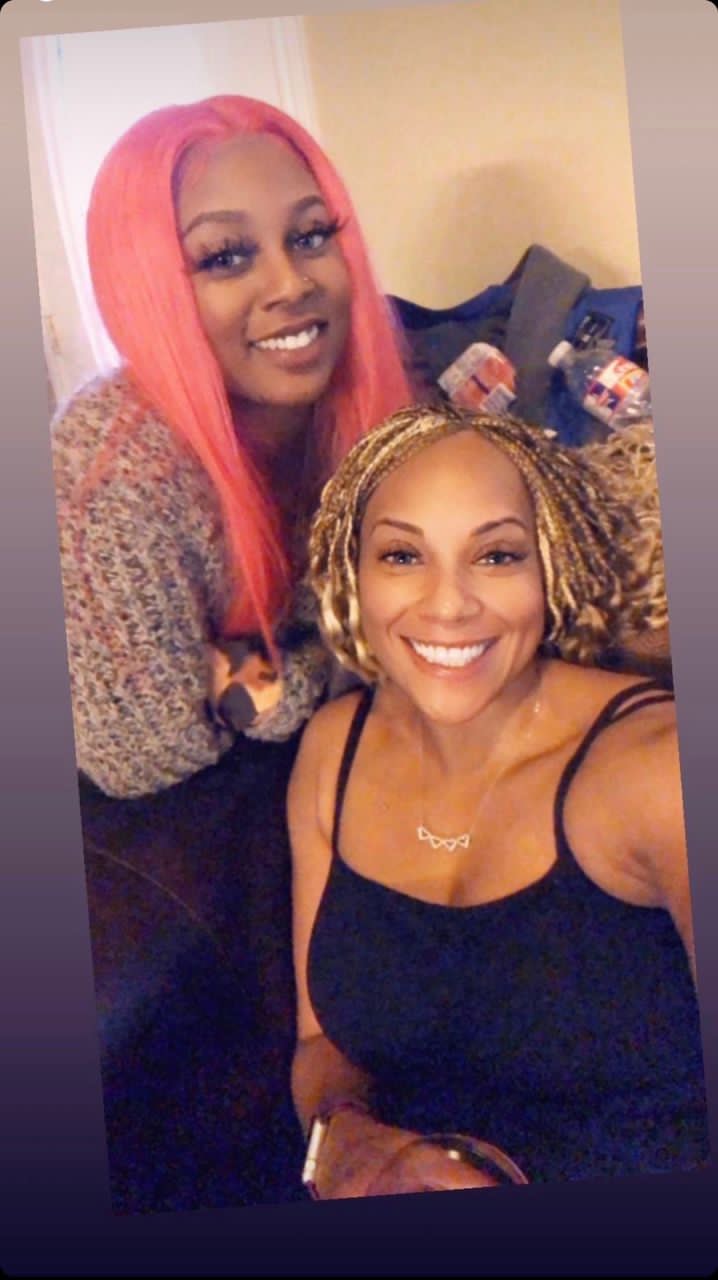
Female Scammer Joyce Verwaayen

Female Scammer Joyce Verwaayen
E-mail:
★★★★☆ 8 ratings
Scam Danger:
 |
Details |
|
| First Name: | Joyce |
| Location [Address]: | |
| Age: | |
| Birth Date: | |
| Aliases: | |

Click to enlarge

Click to enlarge

Click to enlarge
Reports :
I never thought I would be someone who could fall into an online scam. Like many others, I believed I was careful enough, aware enough, and smart enough to recognize danger when it appeared. Unfortunately, what I experienced proved otherwise.
It started in a way that felt completely normal. I came across a profile online that seemed genuine, approachable, and friendly. The person introduced herself as Joyce Verwaayen. At first, there was nothing suspicious about the interaction. The conversation flowed easily, and she presented herself in a way that made it difficult to question her intentions. She appeared polite, attentive, and even empathetic.
Over time, communication became more frequent. Messages came daily, sometimes multiple times a day. There was a gradual build-up of trust. She shared stories about her life, her struggles, and her situation. Everything felt believable. The tone of the conversations made it seem like a real connection was forming. Looking back now, I realize how carefully everything was crafted.
At some point, the conversations began to shift. Subtle requests started to appear. At first, they were small—things that didn’t seem alarming. She spoke about difficulties she was facing and hinted at needing help. It didn’t feel like a scam at that stage. It felt like helping someone who was going through a hard time.
Then the requests became more direct.
There were explanations—urgent situations, emotional appeals, and reasons that made it seem like immediate help was necessary. I was told that the situation was temporary and that everything would be resolved quickly. There was reassurance that nothing would go wrong.
What made it convincing was the consistency. The story didn’t feel rushed or sloppy. It was built slowly over time. Every detail seemed to connect with previous conversations. There was emotional pressure, but it wasn’t aggressive—it was subtle and persistent.
At that point, I didn’t see it as manipulation. I saw it as someone asking for support.
After helping, communication started to change. Responses became less frequent. The tone shifted. The same person who once seemed engaged and attentive became distant. When I tried to follow up, the replies were delayed or vague. Eventually, there was little to no response at all.
That was the moment when doubt turned into realization.
I began to look back at everything—from the first message to the last. Patterns started to appear. The emotional build-up, the timing of the requests, the urgency, and the sudden withdrawal—it all made sense in a way it hadn’t before.
It was not a genuine connection. It was a setup.
The most difficult part wasn’t just the loss—it was the feeling of being misled. Trust had been built intentionally, only to be used as a tool. The experience left a sense of frustration and disappointment, not just in the situation, but in myself for not recognizing it sooner.
What stands out the most is how human the interaction felt. It didn’t feel like dealing with a scammer. It felt like dealing with a real person who understood emotions and knew exactly how to use them.
This experience has changed how I approach online interactions. I’ve become more cautious, more questioning, and more aware that not everything presented online is what it seems. It’s a hard lesson, but an important one.
If there is anything to take away from this, it’s that scams are no longer obvious or easy to detect. They are patient, calculated, and designed to feel real. Anyone can become a target, regardless of how careful they think they are.
I share this not out of anger, but as a warning.
What happened to me can happen to anyone.
Related Female Scammers:




Rate this Profile
Romance Scams Must read
- Dating Scams Are BIG Business
- Why scammers use fake docs?
- How to Recognize Scammer
- Asian And Chinese Online Dating Scam
- How to Recognize a Female Dating Scammer
- 10 Practical Steps to Stay Safe From Online Romance Scams
- Prevent Internet Dating Scams Using These 4 Tips
- How Romance Fraudsters Use Photoshop
- Avoid Internet Dating Scams With These 4 Practical Tips
- Gold & Romance Fraud Scenarios Led by Female Scammers
- Meeting a Model and Birthday Scam Scenarios
- Ukraine Online Dating Scams
- A Typical Translation Scam Scenario
- Online Dating Scams: The Costly Travel Scenario
- 10 Ways to Check Who You Are Chatting With
Popular Links

SWINDLERS LIST
-
Top 10 Scammers !!!
Beware of these scammers...Keep them out of your mail-box...

SCAM TOOLS
-
Block Scam Mails???
Cleaning your scam filled inbox can be effected by these tools
HELP DESK
-
Waiting to help You!!!
Every problem has a solution when discussed. Discuss with us to get a clear idea to keep your information unscathed from hypocrites