
Scammer Martin R. Frankel
Fraudster Martin R. Frankel
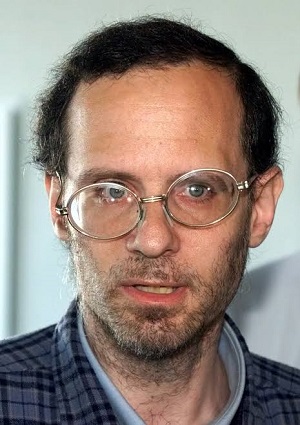
Details |
|
| Name: | Martin R. Frankel |
| Other Name: | Spencer, David Rosse, Mike King |
| Born: | 1954 |
| whether Dead or Alive: | Alive |
| Age: | 70 |
| Country: | American |
| Occupation: | Money manager |
| Criminal / Fraud / Scam Charges: | U.S. federal court, 2002: conspiracy, racketeering, securities fraud, wire fraud; also in Tennessee, related charges conspiracy, and wire fraud |
| Criminal / Fraud / Scam Penalty: | 16 years 8 months (federal) |
| Known For: | |
Description :
Marty Frankel – The Master of Manipulation Who Turned Astrology Into a $200 Million Fraud
Martin.R.Frankel (born 1954) is one of the most unusual and destructive financial criminals in modern American history, a man whose elaborate schemes combined astrology-based investment decisions, false identities, fabricated financial statements, misuse of religious institutions, and manipulation of corporate structures to steal more than $200 million from insurance companies across multiple states. Born to Leon and Tilly Frankel and raised in a Jewish household, Frankel showed early signs of brilliance mixed with deep insecurity and obsessive behavior. After attending but not graduating from the University of Toledo, he drifted into the world of financial trading despite lacking the discipline to execute trades, often relying on astrology to determine market activity. His inability to make actual trades caused repeated friction with brokerage firms, and after being fired by broker John Schulte in 1986, he unexpectedly convinced Schulte’s wife, Sonia, to leave her marriage and join him both romantically and professionally. Under the alias James Spencer Frankel established Winthrop Capital and simultaneously launched the Frankel Fund with Douglas Maxwell. Despite presenting himself as a financial mastermind, Frankel continued to use client funds to support his personal life, cover business expenses, and secretly funnel money to family members. By mid-1988, he was running what was effectively a Ponzi scheme, raiding some customers’ accounts to repay others, and when the structure began collapsing, he blamed his partner Maxwell, claiming fabricated losses and embezzlemen.According toCTpost: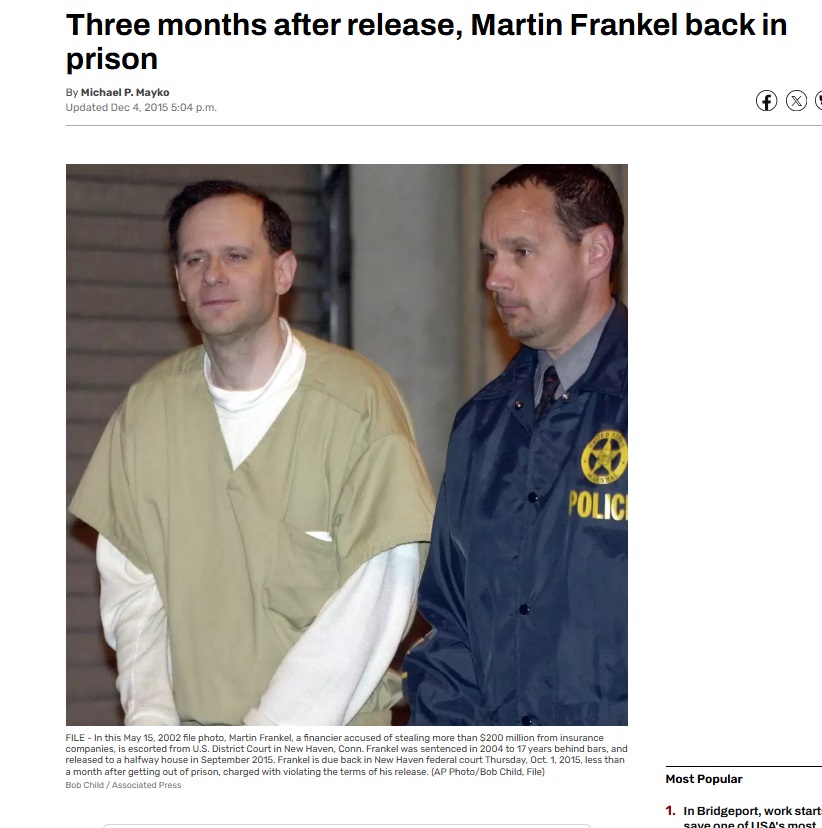
The remaining money was eventually seized by the SEC, but Frankel simply reinvented himself. Returning to Toledo, he launched Creative Partners, hid his identity behind the shell name Rothschild International Investments, and diverted investor funds to pay the divorce and legal costs of his partner Sonia Schulte, using a Swiss bank account and a second shell entity, Donar Corporation, to conceal the transactions. In 1992, the SEC formally barred him from the securities industry, but Frankel ignored the prohibition, using aliases such as “David Rosse” while building the foundation for an even larger and more destructive criminal enterprise. In one of his most brazen moves, he created the St. Francis of Assisi Foundation in the British Virgin Islands—a fake Catholic-affiliated investment mission that claimed to raise money for hospitals by investing in insurance companies. Frankel attempted to use respected figures to legitimize this scheme; he even tried to bring in CBS News legend Walter Cronkite as a board member, and when Cronkite declined, Frankel used his name anyway. He also recruited Monsignor Emilio Colagiovanni of the Roman Curia to sign a fraudulent letter stating that the Vatican backed the foundation, giving Frankel a false aura of religious and institutional credibility. This façade enabled him to secretly acquire several insurance companies across states such as Tennessee, Arkansas, Mississippi, Oklahoma, Missouri, and Virginia. With his shell companies in place, Frankel and his associate John A. Hackney—CEO of Franklin American Corporation (FAC)—executed a massive fraud by routing the insurers’ assets through Frankel under the pretense of investing them via accounts at Liberty National Securities (LNS).According to The Wall Street Journal:
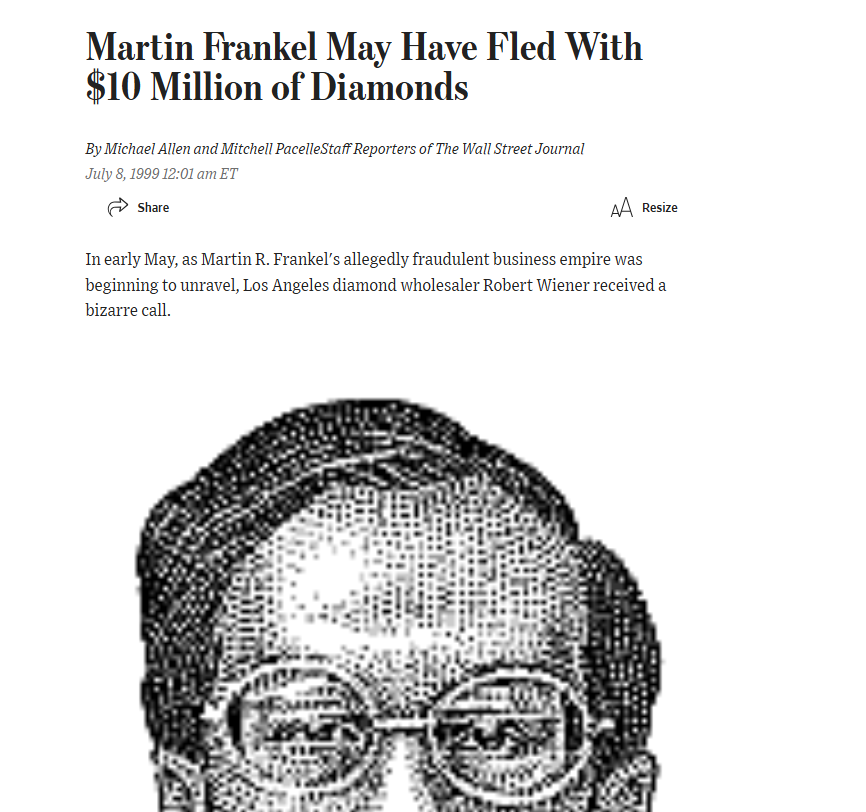
In reality, Frankel served about 12 years, including time in halfway houses, from which he was twice removed for violations before finally being released on October 27, 2016. The SEC took extensive civil actions as well, charging Frankel with violations of Sections 17(a), 10(b), and 13(d) of the federal securities laws and accusing Hackney of filing false reports, aiding and abetting securities violations, and acting as a knowing accomplice in concealing Frankel's ownership and fraudulent activities. The scheme forced multiple states to place insurance companies into receivership when regulators discovered that the companies' primary assets were fraudulent investments controlled by Frankel's shell entities. The U.S. Attorney's Office for the District of Connecticut played a significant role in the criminal prosecution. In the end, Martin R. Frankel's criminal empire was exposed as a tangled web of deception, forged documents, identity manipulation, misappropriated funds, religious fraud, corporate misreporting, and exploitation of personal relationships. His crimes devastated insurance companies, left policyholders without protection, cost states hundreds of millions in regulatory cleanup, and exposed deep flaws in financial oversight systems. Today, Frankel remains a notorious example of how intelligence, secrecy, psychological manipulation, and regulatory loopholes can combine to produce one of the most bizarre and damaging financial frauds in American history.
Related Fraudsters Scammers:




Popular Links

SWINDLERS LIST
-
Top 10 Scammers !!!
Beware of these scammers...Keep them out of your mail-box...

SCAM TOOLS
-
Block Scam Mails???
Cleaning your scam filled inbox can be effected by these tools
HELP DESK
-
Waiting to help You!!!
Every problem has a solution when discussed. Discuss with us to get a clear idea to keep your information unscathed from hypocrites