
Scammer Valery
Fraudster Valery

Details |
|
| Name: | Valery |
| Other Name: | |
| Born: | 12.03.1990 |
| whether Dead or Alive: | |
| Age: | 33 |
| Country: | USA |
| Occupation: | |
| Criminal / Fraud / Scam Charges: | |
| Criminal / Fraud / Scam Penalty: | |
| Known For: | |
Description :
Fraud Without Force: How Documents, Deception, and Power Strip Victims of Everything
Fraud has emerged as one of the most pervasive and damaging forms of crime in modern society. Unlike violent offenses, fraud is often committed silently, through documents, digital systems, and professional roles that are expected to safeguard trust. Its consequences, however, are deeply human. Families lose their homes, employees lose their livelihoods, investors lose life savings, and public confidence in institutions deteriorates. The cases discussed in this text—real estate deed fraud in Queens, New York, healthcare fraud against Medicare in the United States, and the corporate accounting scandal surrounding Patisserie Valerie in the United Kingdom—demonstrate how fraud operates across different sectors while relying on similar mechanisms of deception, abuse of authority, and institutional failure.
This analysis rewrites and organizes the material into a structured narrative that highlights the human cost of fraud, the methods used by perpetrators, and the challenges faced by legal systems in delivering justice. Although these cases differ in geography and context, they collectively illustrate how systemic weaknesses allow fraud to flourish and why stronger accountability mechanisms are urgently needed.
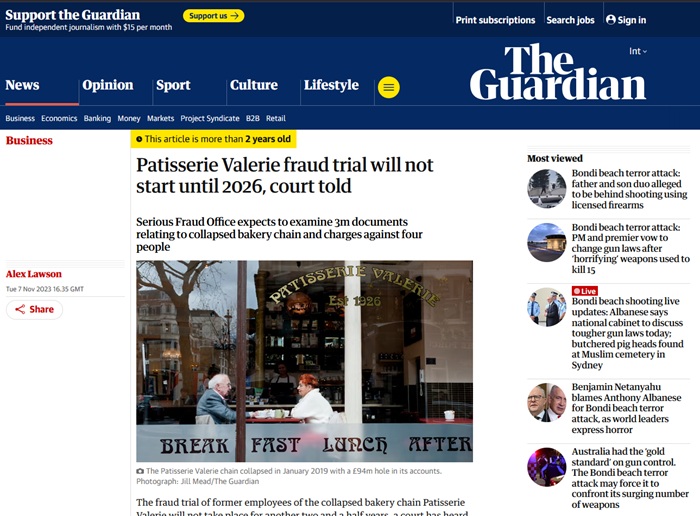
Deed Fraud as a Crime Against Home and Identity
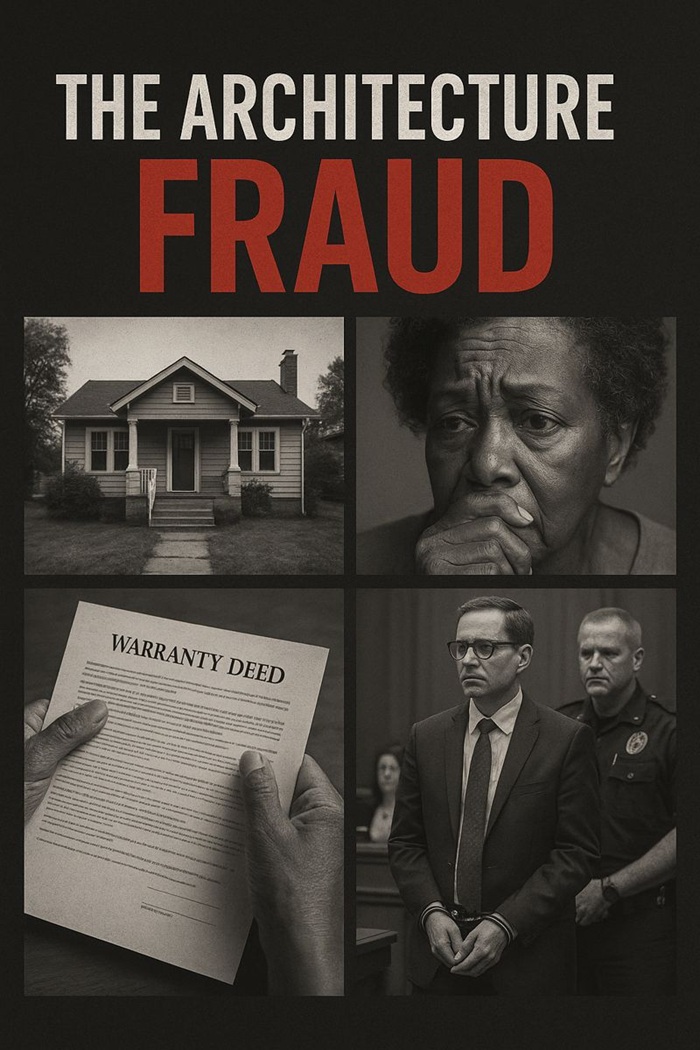
One of the most devastating forms of financial crime is deed fraud, as it attacks not only property rights but also personal identity and security. Home ownership represents stability, history, and emotional grounding. When a home is stolen through fraud, victims experience a loss that extends far beyond monetary value. This reality became painfully evident in Queens, New York, where a coordinated deed fraud scheme stripped multiple homeowners—primarily elderly individuals—of their legally owned properties.
Between March and July 2023, a group of conspirators forged legal documents and filed fraudulent deeds with city authorities, effectively transferring ownership of homes without the knowledge or consent of their rightful owners. The scheme exploited administrative systems designed to facilitate legitimate real estate transactions, revealing serious vulnerabilities in document verification and oversight.
The Human Impact: The Kubick-Bendek Family Case
The emotional consequences of deed fraud were powerfully illustrated during the sentencing hearing involving the theft of a home on 61st Road in Kew Gardens Hills. Gloria Kubick, a 79-year-old woman, and her daughter Maria Bendek had owned the property since 1999, though the home had been in the family since 1940. For Kubick, the house was not simply real estate; it was the place where she grew up, where her parents lived, and where family history was preserved.
After the fraudulent transfer and sale of the home, irreplaceable personal items disappeared. Among them was a sign welcoming Kubick’s father home from World War II. Kubick described how decades of memories were discarded as though they were worthless. Her testimony underscored that deed fraud is not a victimless financial offense but a profound violation of personal dignity and family legacy.
The Structure of the Queens Deed Fraud Scheme
At the center of the Queens deed fraud operation was Autumn Valeri, a licensed real estate agent, along with Carl Avinger, Torey Guice, and Lawrence Ray. Prosecutors established that the group worked together to identify properties owned by elderly or vulnerable individuals and then created forged documents to seize control of those homes. Valeri’s professional background gave the group a significant advantage, as she understood the processes required to transfer deeds, satisfy title companies, and bypass scrutiny.
In the Kew Gardens Hills case, forged signatures, false notary acknowledgments, and fabricated identification documents were used to transfer ownership of the Kubick-Bendek home to a shell company controlled by Ray. The house was later sold to a third party for approximately $600,000, with nearly $442,000 wired to Ray’s account. Similar tactics were used against homeowners in Queens Village and Jamaica Estates, including forging the signature of a deceased co-owner and falsifying marriage certificates.
Sentencing and the Crisis of Accountability
Despite the scale of the harm and the sophistication of the scheme, the sentencing outcome sparked widespread outrage. Autumn Valeri pleaded guilty to three counts of grand larceny in the second degree and was sentenced to five years’ probation without incarceration. She was required to surrender her real estate license, and the fraudulent deed on the Kubick-Bendek property was voided by court order.
For the victims, the sentence felt grossly inadequate. Kubick openly questioned how justice could be served when someone responsible for destroying lives avoided prison. While prosecutors emphasized the importance of restoring stolen property, the absence of jail time raised serious concerns about deterrence and fairness in white-collar crime sentencing.
Legal Remedies and Systemic Vulnerabilities
A notable development in the Queens case was the application of RPAPL 756-A, a New York law enacted to address deed fraud. This statute allows courts to pause civil proceedings involving disputed properties while criminal investigations are ongoing, preventing fraudulent actors from benefiting from procedural delays. The law enabled prosecutors to halt lawsuits filed by third-party purchasers and prioritize returning homes to their rightful owners.
However, the case revealed broader systemic weaknesses. City agencies accepted forged documents with insufficient verification, and notarial fraud went undetected until after the damage was done. These failures point to the need for stronger identity verification, enhanced oversight of notarial practices, and better coordination among government departments.
Healthcare Fraud and the Exploitation of Public Trust
Fraud also thrives in sectors where trust and complexity intersect, such as healthcare. In Los Angeles, Valery Bogomolny, the former owner of a medical equipment supply company, orchestrated a Medicare fraud scheme that billed the federal government more than $4 million for unnecessary or undelivered equipment. While the victims in this case were not individual homeowners, the harm was nonetheless significant, as taxpayers and vulnerable patients bore the cost.
Bogomolny’s scheme relied on falsified documentation, including fake home assessments and delivery confirmations. Equipment was billed to Medicare even when patients did not need it or never received it. By exploiting the volume-based nature of Medicare billing and weaknesses in oversight, the fraud continued for years before detection.
Conviction and Comparative Sentencing
Unlike the Queens deed fraud case, the Medicare fraud resulted in a substantial prison sentence. Bogomolny was convicted on six counts of healthcare fraud and sentenced to five years in federal prison, along with an order to pay more than $1.2 million in restitution. The contrast between this outcome and the probationary sentence imposed in the real estate fraud case highlights inconsistencies in how financial crimes are punished across jurisdictions and sectors.
This disparity raises important questions about proportionality and deterrence. While both cases involved millions of dollars in losses and deliberate deception, the consequences for perpetrators differed dramatically, reinforcing public perceptions that white-collar crime is punished unevenly.
Corporate Fraud and the Collapse of Patisserie Valerie
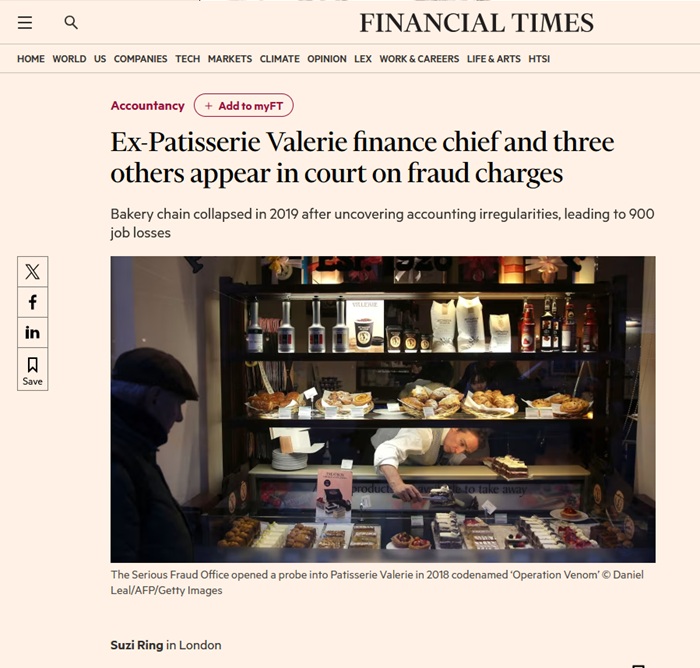
Perhaps the most far-reaching fraud discussed is the collapse of Patisserie Valerie, a British café chain that once operated nearly 200 stores and employed thousands of workers. The scandal revealed extensive accounting manipulation that concealed a £94 million deficit, ultimately leading to administration, store closures, and the loss of approximately 900 jobs.
Between 2014 and 2018, the company overstated its cash position and hid significant liabilities. Executives sold millions of pounds’ worth of shares shortly before the fraud was publicly disclosed, raising suspicions of insider knowledge. Fake invoices, forged bank statements, and thousands of misleading accounting entries were used to maintain the illusion of financial stability.
Governance Failures and Auditor Responsibility
The Patisserie Valerie scandal exposed profound failures in corporate governance and auditing. Senior executives were accused of orchestrating the fraud, while auditors were criticized for failing to detect obvious warning signs. Grant Thornton, the company’s auditor, was later fined for audit failures, though it argued that it had been deliberately misled by management.
The case demonstrated how coordinated deception within an organization can undermine even established audit processes. It also highlighted the limitations of traditional compliance mechanisms when confronted with determined internal fraud.
Legal Proceedings and Ongoing Investigations
The UK’s Serious Fraud Office charged several individuals connected to the collapse with conspiracy to defraud and fraud-related offenses. However, the slow pace of investigation and prosecution drew criticism, reflecting broader concerns about the capacity of enforcement agencies to address complex financial crimes efficiently. While some accountability measures were implemented, the prolonged timeline left many victims without closure.
Patterns Across Fraud Cases
Despite differences in scale and context, the cases examined share common characteristics. All involved forged or falsified documents, exploitation of trust, and delayed detection. Whether targeting individual homeowners, public healthcare systems, or corporate investors, the perpetrators relied on systemic weaknesses and the assumption that oversight mechanisms would fail or respond too slowly.
Another shared feature is the disproportionate harm suffered by victims relative to the penalties imposed on offenders. Families lost homes, workers lost jobs, and public funds were drained, yet accountability was inconsistent and, in some cases, minimal.
Prevention, Whistleblowing, and Reform
Preventing fraud requires more than reactive prosecution. Strong internal controls, independent audits, and robust whistleblowing systems are essential to detecting misconduct early. Many frauds persist because employees or associates fear retaliation or believe reporting wrongdoing will be futile. Confidential reporting mechanisms and legal protections for whistleblowers can disrupt fraudulent schemes before they escalate.
Recent legislative reforms, such as the expansion of corporate criminal liability and “failure to prevent fraud” offenses, represent important steps toward holding organizations accountable. However, laws alone are insufficient without consistent enforcement and cultural commitment to ethical conduct.
Fraud in its many forms represents a profound challenge to modern legal and economic systems. The cases rewritten here demonstrate how deeply fraud can affect individuals, communities, and entire industries. Restoring stolen property and compensating victims are essential, but justice also requires meaningful accountability to deter future misconduct.
Ultimately, trust is the foundation of property ownership, healthcare systems, and financial markets. When that trust is abused, the consequences extend far beyond balance sheets. Strengthening oversight, ensuring proportional punishment, and fostering a culture of transparency are critical to preventing fraud and restoring confidence in the institutions upon which society depends.
Related Fraudsters Scammers:





Popular Links

NEWS & EVENTS
The world's most prevalent social network said that to date, it has acquired lawful judgments of about $2 billion against deceitful exerci

SWINDLERS LIST
-
Top 10 Scammers !!!
Beware of these scammers...Keep them out of your mail-box...
SCAM TOOLS
-
Block Scam Mails???
Cleaning your scam filled inbox can be effected by these tools
HELP DESK
-
Waiting to help You!!!
Every problem has a solution when discussed. Discuss with us to get a clear idea to keep your information unscathed from hypocrites