Facebook Scams
The group of possible victims continues to produce as more people create accounts on Facebook. With further 500 million dynamic users it must come as no surprise that Facebook is measured to be a matured playground for phishing scams, malicious spam and malware to penetrate. For those persons who work and take part in online, spam is obvious but it is an annoyance and probable threat to your privacy and computer system. In email we see bogus advertisements and phishing scams and these kinds of spam also build their way through Facebook. There are many Government and other anti-spam agencies who are trying to eradicate scam activities from the soceity.
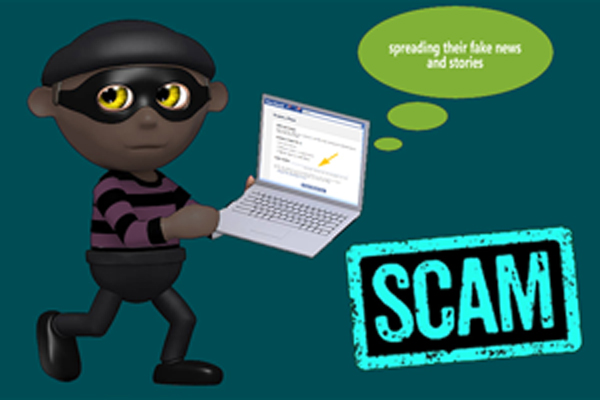
Facebook scams encompass a range of deceptive practices that exploit the platform's vast user base for fraudulent purposes. One prevalent scam involves phishing, where users receive fake messages or notifications designed to mimic official Facebook communications, tricking them into revealing personal information or login credentials. Another common tactic is the creation of fake profiles or pages, often impersonating reputable brands or individuals, with the aim of deceiving users and potentially leading them to click on malicious links or share sensitive information. Additionally, there are scams related to fake giveaways or contests, where users are promised prizes in exchange for personal details or payments. To protect against Facebook scams, users should exercise caution when interacting with unfamiliar or suspicious content, avoid clicking on dubious links, and be wary of providing personal information to unverified sources. Staying informed about common scams and reporting suspicious activity to Facebook authorities can help prevent others from falling victim to these deceptive practices.
How to Protect Our Facebook Account from Spam and Scams
On Face book, if you do not directly be familiar with these bogus inbox and Wall posts you might involuntarily open your friends to the scam without knowing it. Similar to email spam, one way to stop Facebook spam from distribution is to be trained about it, malware and phishing messages. Know how to mark them and also make known yourself with how these Facebook spam messages work.
Protecting your Facebook account from spam and scams is crucial for maintaining online security. Start by enabling two-factor authentication to add an extra layer of protection. Regularly update your password, using a strong combination of letters, numbers, and symbols. Be cautious about accepting friend requests from unknown individuals and avoid clicking on suspicious links or downloading unfamiliar files. Adjust your privacy settings to control who can see your information. Stay informed about common scams and phishing techniques to recognize potential threats. If you receive messages or requests that seem suspicious, verify their authenticity by contacting the person directly. Lastly, regularly review and update your connected apps and third-party permissions on Facebook to minimize potential vulnerabilities. By practicing these security measures and staying vigilant, you can significantly reduce the risk of falling victim to spam and scams on your Facebook account.
Facebook Wall Spam
One of the majority frequent types of Facebook spam is a Wall post that encourages you to establish a Facebook request. The application will need that you to be in agreement that the application can post to Walls and your Facebook friend's pages. When you permit this approval, the spam message is straight away sent to your friend's Walls. If a friend sees the message and performs the action, he or she will then see the similar spam on their Wall and the sequence continues. This is how the spam messages can shift so rapidly through Facebook.
Unfortunately, a lot of messages are intended to trick Facebook users into cutting and pasting cruel code into the address bar in the Web browser or by clicking an embedded link in the messages so as to takes you off Facebook (normally through a URL shorter link) where you might potentially turn into victim to malicious malware and phishing scams.
Facebook does have a number of safety controls in place and the system is capable to notice numerous of these types of messages before they become unchecked on Facebook. In a few instances you may be asked to authenticate a "Like" or you may see a caution that a link you are demanding to visit has been classified as potentially violent by Facebook.
Facebook wall spam refers to unwanted, irrelevant, or excessive content posted on a user's profile or timeline. This can include unsolicited advertisements, clickbait links, repetitive messages, or even malicious content. Wall spam can be disruptive and frustrating for users, as it clutters their timeline with unwanted material. It often originates from fake or compromised accounts seeking to promote products, services, or websites. To combat wall spam, users should be cautious about accepting friend requests from unknown individuals and adjust their privacy settings to control who can post on their timeline. Additionally, reporting and blocking spam accounts can help reduce the incidence of unwanted content. Facebook also employs algorithms and automated systems to detect and remove spammy content, but users should remain vigilant and proactive in managing their own account's security and content.
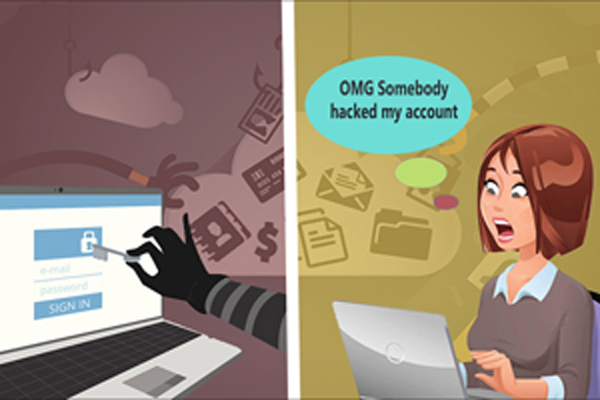
Most Common types of Facebook Scam :
- Find Out Who Has Been Looking at your Profile Scam!
- Free Items and Gift Cards Scam!
- Unique and new Facebook features scam!
- Free iPads and iPhones Scam!
- Earn Credits for Games Scam!
- Private Messages for Help and money scam!
- Sensational headlines and fake celebrity stories Scam!
- Fake Privacy settings scam!
1) Find Out Who Has Been Looking at your Profile Scam!
2) Free Items and Gift Cards Scam!
3) Unique and new Facebook Features Scam!
4) Free iPads and iPhones Scam!

5) Earn Credits for Games Scam!
6) Private Messages for Help and Money Scam!
7) Sensational Headlines and Fake Celebrity Stories Scam!
8) Fake Privacy Settings Scam!
Examples of Facebook Scam!
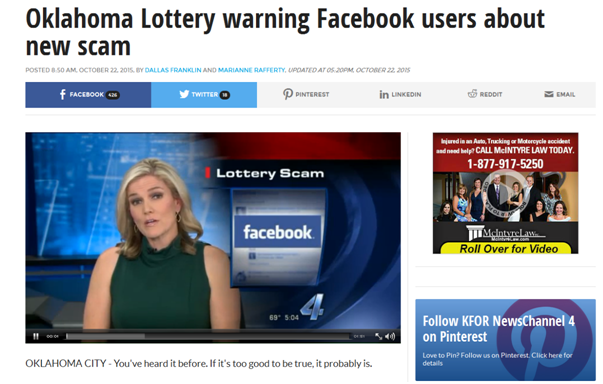


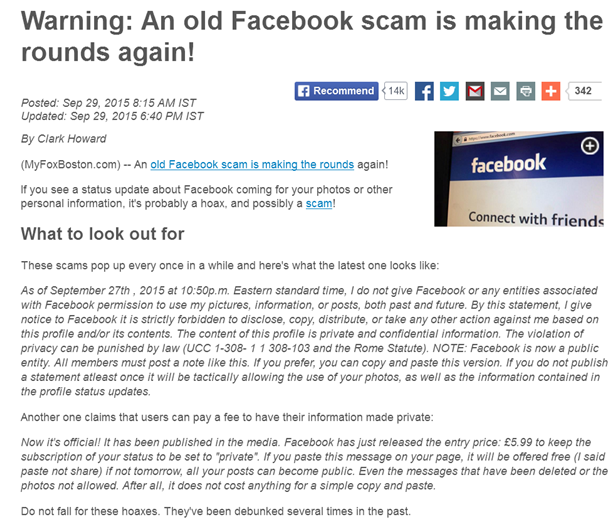

Feel Free to use our Spam Checker Tool

Related Scam:






Your Comments
NEWS & EVENTS
The world's most prevalent social network said that to date, it has acquired lawful judgments of about $2 billion against deceitful exerci

SWINDLERS LIST
-
Top 10 Scammers !!!
Beware of these scammers...Keep them out of your mail-box...
SCAM TOOLS
-
Block Scam Mails???
Cleaning your scam filled inbox can be effected by these tools
HELP DESK
-
Waiting to help You!!!
Every problem has a solution when discussed. Discuss with us to get a clear idea to keep your information unscathed from hypocrites