

Online puppy scams continue to raise concerns among pet lovers searching for affordable and healthy puppies through breeder websites. Fraudulent pet sellers may create attractive websites featuring adorable puppy photographs, professional-looking descriptions, and promises of safe delivery to convince potential buyers that they are dealing with legitimate breeders. However, some reported cases involve requests for advance payments, questionable shipping arrangements, and additional charges for services that may never be provided.
This week’s Pet Scammers of the Week report highlights two websites identified in historical online complaints: Havanese Puppy House and Reba Siberian Husky Pups. Both websites were reported for suspected puppy-selling scams involving questionable breeder information, advance payment requests, and potentially fraudulent delivery arrangements. These complaints highlight the importance of verifying breeders, confirming puppy availability, and avoiding irreversible payments when purchasing pets online. The allegations are based on submitted reports and have not been independently established as proven fraud.
Pet Scammer 1: Havanese Puppy House
Full Profile:
https://www.ripandscam.com/pet-scammer-havanese-puppy-house-63.php
Report:
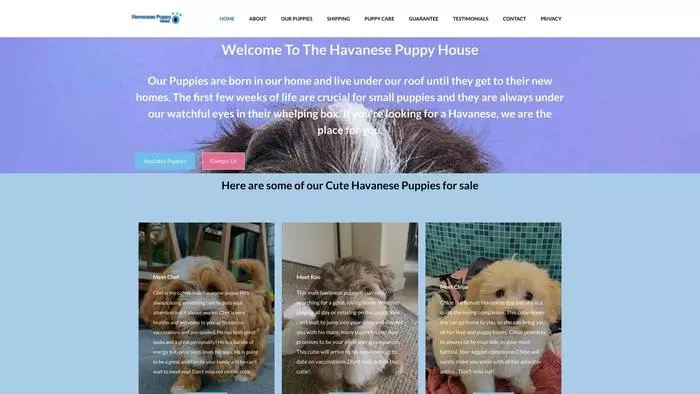
An online complaint identifies Havanese Puppy House, operating through the website Havanesepuppyhouse.com, as a suspected fraudulent puppy-selling operation targeting individuals interested in purchasing Havanese puppies online. According to the report, the website presented itself as a legitimate breeder offering puppies raised in a caring home environment.
The website reportedly displayed photographs of Havanese puppies, descriptions of their personalities, and information about the care provided during their early development. The promotional content claimed that the puppies were born and raised at home, where they received attention and supervision until they were ready to move to new families. This presentation was apparently intended to establish credibility and encourage customers to trust the advertised breeding operation.
However, the submitted complaint raised concerns about the website’s legitimacy, alleging that the individuals operating the site used attractive puppy photographs and persuasive messages to encourage potential buyers to make payments before receiving their pets.
According to the complaint, interested customers were instructed to contact the supposed breeders to discuss the available puppies. Once communication began, the alleged sellers reportedly provided information about puppy availability, pricing, and transportation arrangements. Customers were then asked to make an upfront payment to reserve or purchase a puppy.
The complainant identified several payment methods allegedly requested by the sellers, including MoneyGram, Western Union, Walmart-to-Walmart transfers, bank transfers, cryptocurrency, and gift vouchers. These payment methods were concerning because some provide limited opportunities to reverse transactions or recover money if a seller fails to deliver the promised puppy.
The complaint further alleged that customers who completed payments did not always receive the puppies they had purchased. Instead, some reportedly encountered additional demands for money or explanations about unexpected delivery problems.
One particularly concerning allegation involved the use of a supposed pet transportation company. According to the report, the alleged sellers claimed that the puppy would be delivered through a specialized shipping service. However, the complainant believed that the delivery service was part of the suspected operation and was being used to obtain additional payments.
The alleged shipping charges included expenses for an air-conditioned travel crate, medical insurance, and other services supposedly necessary to transport the puppy safely. These requests reportedly appeared after the initial purchase payment had already been made.
The complainant also warned that customers could be asked to provide credit card details or additional financial information. In such circumstances, sharing payment credentials with an unverified seller may create further risks involving unauthorized transactions or identity theft.
Another concern involved the puppies’ advertised prices. According to the submitted report, the website offered puppies at prices that appeared considerably lower than those charged by some other breeders. Although affordable prices do not automatically indicate fraud, unusually attractive offers can be used to persuade customers to send money without completing the appropriate checks.
The report also questioned whether the website provided sufficient verifiable information about the breeder’s physical location, business registration, and customer support arrangements. Limited contact information may make it difficult for buyers to verify a seller or pursue a complaint after a transaction.
The available material does not establish the exact number of complainants, the total amount of money allegedly lost, or whether the website operators were formally investigated by law-enforcement authorities. Nevertheless, the report describes several warning signs commonly associated with online puppy purchase fraud.
The suspected incident involving Havanese Puppy House illustrates how fraudulent pet advertisements may exploit buyers’ emotional attachment to a particular puppy. Photographs, affectionate descriptions, and promises of convenient transportation can make an unfamiliar online seller appear trustworthy.
Potential buyers should never rely solely on a website’s appearance or the photographs it displays. Before purchasing a puppy, it is important to verify the breeder’s identity, request a live video interaction showing the puppy, confirm the seller’s physical location, and independently investigate any proposed transportation service.
Customers should also be cautious when a seller requires payment through wire transfers, cryptocurrency, or other methods that provide limited buyer protection. Unexpected requests for insurance, specialized travel crates, or refundable delivery deposits should be independently verified before any additional money is sent.
The complaint involving Havanese Puppy House remains unverified, but the reported payment practices and shipping-related allegations provide useful examples of suspicious behavior that online pet buyers should recognize.
Pet Scammer 2: Reba Siberian Husky Pups

Full Profile:
https://www.ripandscam.com/pet-scammer-rebassiberian-husky-pups-64.php
Report:
A historical online complaint identifies Reba Siberian Husky Pups, associated with the website Rebassiberianhuskypups.com, as a suspected fraudulent puppy-selling website targeting people searching for Siberian Husky puppies.
According to the complaint, the website presented itself as a breeder offering healthy Siberian Husky puppies to families interested in purchasing a pet. The website reportedly contained photographs of puppies, promotional descriptions, and information designed to make the breeding operation appear genuine.
The site featured a large image of a Siberian Husky and promotional information describing the seller’s commitment to placing healthy puppies in suitable homes. Visitors were encouraged to browse available puppies and contact the supposed breeders about purchasing one.
However, the complainant alleged that the website was created to obtain money from unsuspecting customers rather than operate as a legitimate puppy breeder.
The report claimed that individuals who contacted the website received email messages containing information about available puppies, feeding requirements, general puppy care, and shipping arrangements. Such details may have helped the alleged sellers create the impression that they possessed genuine knowledge of dog breeding and animal care.
One major concern involved the photographs displayed on the website. The complainant alleged that some images had been obtained from other sources on the internet rather than showing puppies actually owned by the seller.
Although the complaint does not provide independent evidence confirming the origins of the photographs, the alleged reuse of puppy images was identified as a possible warning sign.
According to the report, the website advertised Siberian Husky puppies at prices ranging from approximately $500 to more than $1,200. The complainant expressed concern that the prices and promotional presentation might attract buyers who were looking for an affordable purebred puppy.
The complaint also alleged that prospective customers were asked to make payments in advance, including through Western Union and MoneyGram.
These methods can create financial risks because buyers may have limited options to recover funds after sending money to an unfamiliar recipient.
Another significant allegation concerned the promised delivery of purchased puppies. According to the report, the supposed seller claimed that a puppy could be transported to the buyer through a specialized pet delivery company.
However, the complainant believed that the proposed delivery company was not genuine and that it was used to request additional payments after the initial purchase.
The alleged extra charges included payments for an air-conditioned travel crate, medical insurance, transportation services, and other supposed requirements for safely delivering a puppy.
This type of arrangement can be particularly persuasive because pet owners naturally want to ensure that an animal travels safely. Criminals operating fraudulent puppy-selling schemes may exploit these concerns by presenting unexpected charges as necessary for the puppy’s well-being.
The complaint also raised concerns about the website’s professional appearance and the availability of reliable contact information.
According to the report, the website contained design inconsistencies and did not provide sufficient verifiable details about the individuals or company operating the supposed breeding business.
The complainant further questioned whether customers could independently confirm the seller’s physical address, business information, or the actual location of the advertised puppies.
A lack of verifiable breeder information can make it difficult for customers to determine whether a puppy is genuinely available for purchase.
However, the original complaint contains limited documented evidence about completed transactions. It does not establish the number of affected customers, the total financial losses, or whether criminal charges were filed against anyone associated with the website.
The allegations therefore should not be treated as proof that an identified individual or business committed fraud.
The reported Reba Siberian Husky Pups case nevertheless illustrates several warning signs associated with suspected online pet scams. These include attractive puppy advertisements, unverified animal photographs, advance payment requests, limited seller identification, and unexpected transportation charges.
People planning to purchase Siberian Husky puppies online should research breeders carefully before making financial commitments. Whenever possible, customers should visit the breeder in person or arrange a live video call showing the puppy and its surroundings.
Buyers should also verify the seller’s contact information, examine independent reviews, and confirm any shipping requirements directly with a reputable transportation provider.
It is especially important to avoid sending money through irreversible transfer services when the seller’s identity and the puppy’s availability cannot be verified.
The complaint involving Reba Siberian Husky Pups remains unverified, but the reported circumstances demonstrate why online puppy advertisements should be approached carefully, particularly when a seller requests immediate payment or introduces unexpected delivery expenses.