
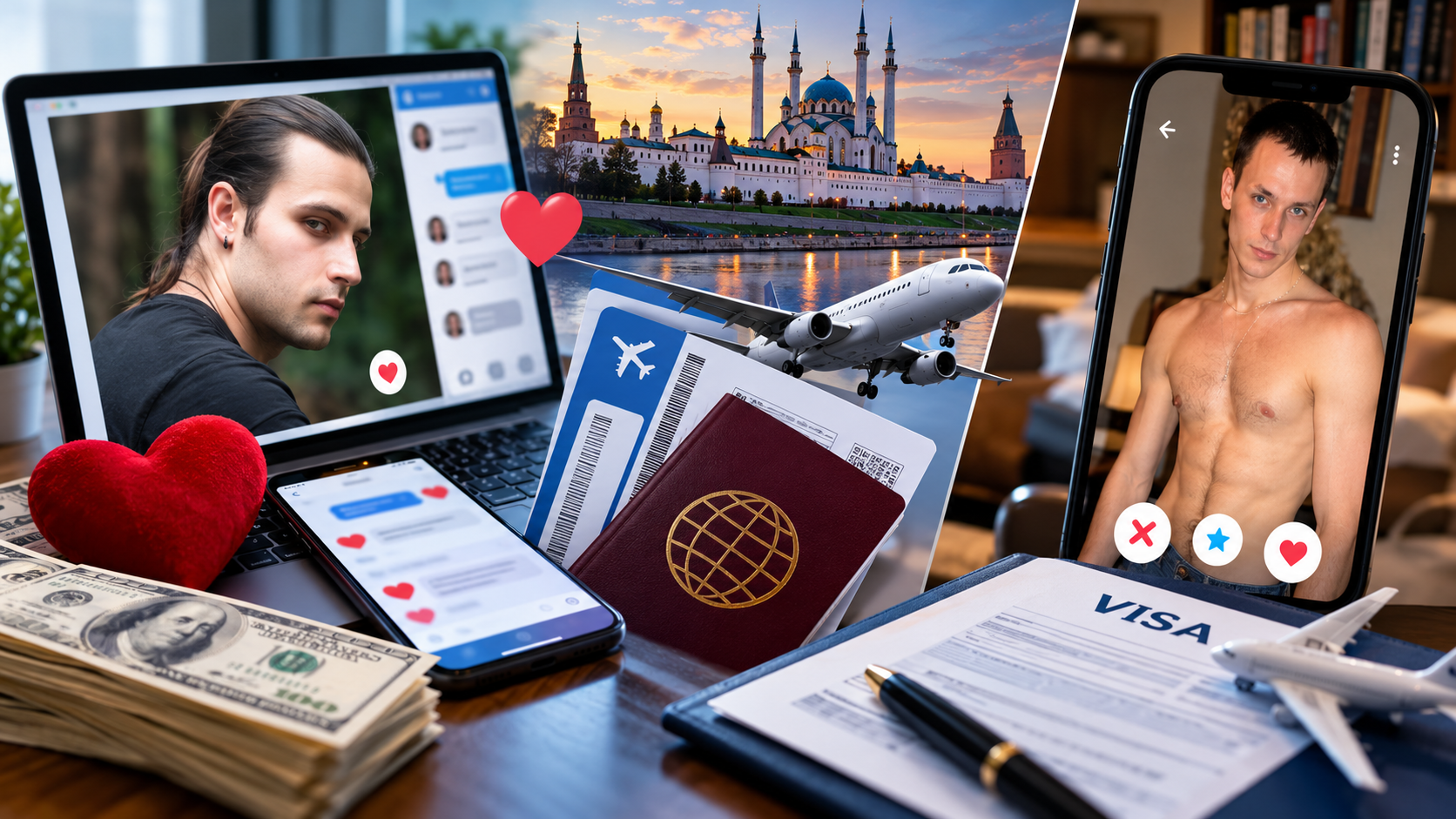
Online dating scams continue to affect people looking for companionship, especially when a new romantic contact quickly builds emotional trust and then introduces requests for money connected to travel, visas, or airline tickets. In many complaints, the sender appears affectionate and serious about a future meeting, but the relationship remains limited to online communication while financial assistance becomes part of the conversation.
This week’s Male Scammers of the Week report highlights two historical complaints involving the names Aleks Sasha and Aleksandr Yakovlev, both reportedly associated with Kazan, Russia. The complaints describe suspected romance-related travel scams in which the online contact allegedly discussed visiting the complainant and then introduced requests for funds linked to visa processing or airfare. These allegations remain unverified, and the available information does not establish that the named individuals or people shown in the photographs committed fraud.
Scammer 1 : Aleks Sasha

Full Profile :
https://www.ripandscam.com/scammers-aleks%20-sasha-10563.php
Report :
An online dating complaint describes a suspected romance scam involving someone using the names Aleks and Sasha, reportedly associated with Kazan, Russia. According to the report, the individual initiated contact through a gay personals website and began communicating with the recipient about developing a romantic relationship.
The complaint states that the sender expressed romantic feelings quickly, creating the impression of a serious personal connection. As the correspondence progressed, the sender reportedly began discussing plans to travel internationally and visit the person he had met online. The proposed meeting allegedly became the basis for requesting financial assistance.
According to the complaint, the sender asked for money to cover visa arrangements and airline tickets necessary for the visit. The complainant identified these requests as suspicious and categorized the experience as a suspected visa and airfare romance scam.
However, the original report provides limited information about the correspondence. It does not specify how long the relationship lasted, the amount of money requested, whether money was actually transferred, or how communication eventually ended. The available information also does not establish whether the person shown in the accompanying photograph was responsible for operating the dating profile.
The reported incident illustrates a common romance scam warning sign: a new online romantic contact who quickly expresses affection and then requests financial assistance for travel-related expenses. In many cases, promises of a personal visit are used to encourage trust and create urgency around money requests.
Warning Signs in This Complaint
Several details in this complaint may be important for readers to note:
- The online contact reportedly developed romantic feelings very quickly.
- The relationship remained online, yet plans for an in-person meeting were discussed early.
- Requests for visa money and airfare costs were introduced before any verified meeting took place.
- The complaint does not provide enough information to confirm the sender’s true identity.
People communicating with online dating contacts should be cautious when someone they have never met in person begins requesting money for passports, visas, airline tickets, or other travel expenses. These requests can be used to exploit emotional trust created through online messaging.
Scammer 2 : Aleksandr Yakovlev

Full Profile :
https://www.ripandscam.com/scammers-aleksandr-yakovlev-10569.php
Report :
A historical online complaint identifies a suspected romance-related travel scam involving an online identity using the names Aleksandr Yakovlev and Sasha, reportedly associated with Kazan, Tatarstan, Russia.
According to the complaint, the online identity was linked to several email addresses, including:
The complaint was reportedly submitted under the name Dale and categorized the incident as a visa and airline ticket scam. The report associates the online identity with a claimed residential location in Kazan and raises concern about a possible romance-related financial request connected to travel arrangements.
However, the original submission contains only a brief description. It does not explain how the correspondence began, how long the communication continued, what emotional claims were made, or the exact circumstances in which money was allegedly requested.
The report also does not specify the amount of money requested, whether funds were transferred, or whether the complainant suffered a confirmed financial loss. Because the information is limited, it is not possible to determine the full sequence of events from the complaint alone.
Even so, the incident was categorized as suspicious because of its reported connection to visa and airline ticket arrangements. These types of requests are frequently seen in online dating fraud complaints, where a supposed romantic partner claims to need money to make a visit possible.
Why This Complaint Is Concerning
Although the available information is brief, several elements may justify caution:
- The identity was associated with multiple email addresses.
- The complaint categorized the matter as a travel-related romance scam.
- The sender was reportedly linked to discussions involving visa and airfare costs.
- The relationship appears to have been based on online communication rather than an independently verified real-world connection.
Requests for assistance with travel can become persuasive when tied to a developing emotional relationship. Someone may believe the payment is a sincere effort to help a partner reach them, when in reality the promised trip may never occur.
Conclusion
The complaints involving Aleks Sasha and Aleksandr Yakovlev highlight a pattern frequently seen in online dating fraud reports: a supposed romantic connection develops online, talk of visiting in person is introduced, and financial requests involving visas or airline tickets follow.
In both complaints, the available information is limited and does not independently prove fraud. It also does not conclusively identify the people shown in the photographs as the individuals who operated the reported profiles. Names, images, and personal details used in suspicious online accounts may sometimes belong to unrelated people.
Still, these reports serve as important reminders for readers to remain cautious when an online relationship moves quickly and begins to involve money. Emotional pressure, promises of travel, and urgent financial needs can all be part of a suspected romance scam.
People using dating websites should verify identities carefully, avoid sending money to individuals they have never met, and document suspicious messages or payment requests whenever concerns arise.