
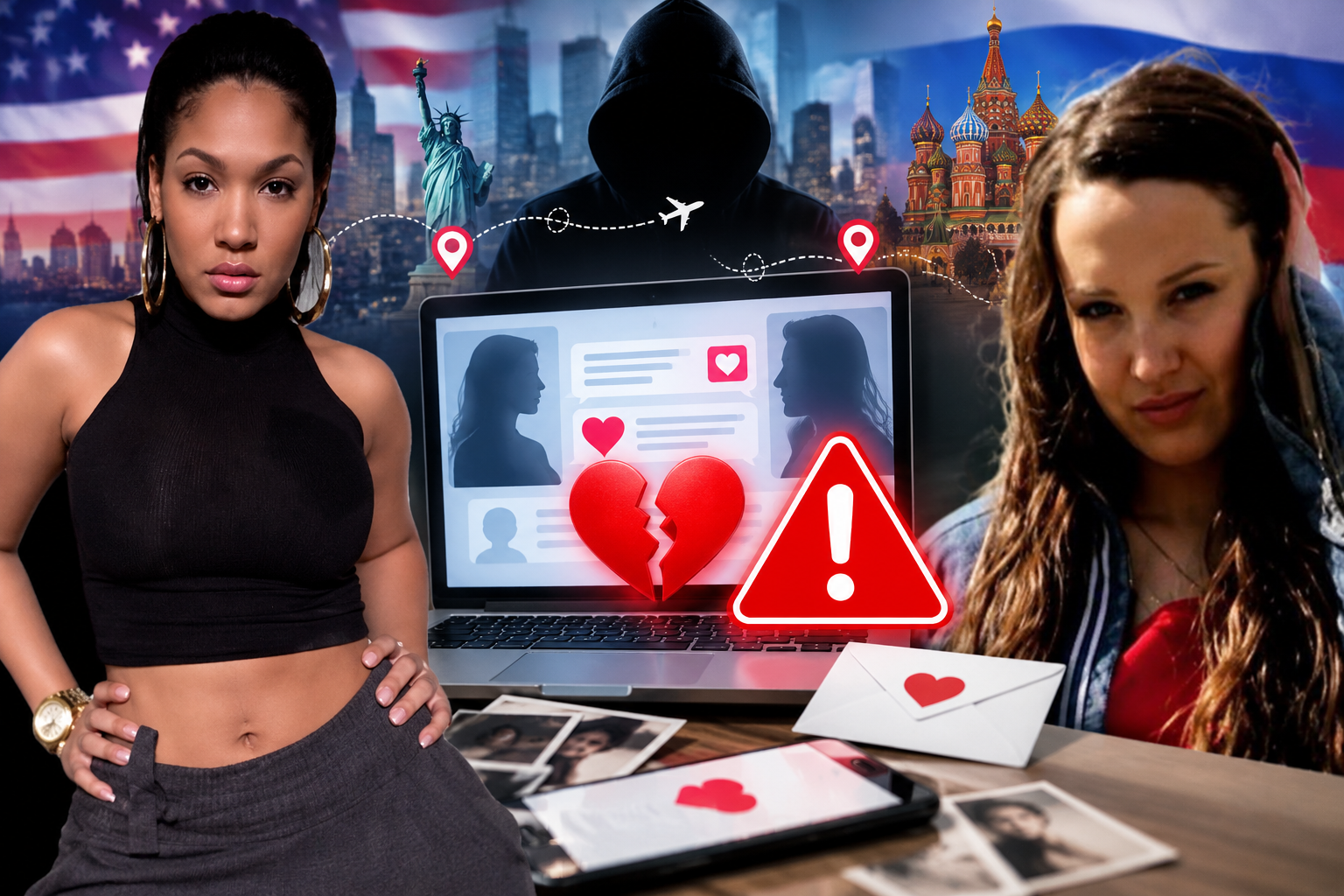
Online dating offers opportunities to build meaningful relationships, but it also creates situations where people may struggle to verify the identity or intentions of someone they meet. This week’s profile review examines two accounts featured in online scam-reporting records: patluv4god and Olga Delyanova. Their available materials include a dating introduction and a series of romantic emails that demonstrate why identity verification and caution are important when communicating with unfamiliar contacts.
Scammer 1 : patluv4god

Full Profile :
https://www.ripandscam.com/scammer-patluv4god–12352.php
Report :
An online dating profile using the username patluv4god appears in a scam-reporting database and contains a detailed introduction describing the account holder’s interest in finding a meaningful relationship. The profile presents its writer as affectionate, intelligent, genuine, and interested in developing a connection beyond casual conversation. It emphasizes personal values, close relationships with family and friends, and the desire to meet someone who shares similar priorities. The description also discusses balancing professional responsibilities with personal enjoyment and portrays the account holder as someone who values humor, emotional closeness, and companionship. This type of introductory message is common across legitimate dating websites, where users describe their personalities and relationship expectations to attract compatible partners. Although the profile has been included in a scam-reporting database, the supplied description does not identify a specific victim, document a request for money, or establish fraudulent activity.
The main consideration for readers encountering profiles of this kind is the importance of distinguishing appealing personal descriptions from independently verified information. A profile may describe someone as trustworthy, affectionate, or committed to finding a serious relationship, but those claims alone cannot confirm the account holder’s identity or intentions. Online dating users should take reasonable steps to verify who they are speaking with, particularly before sharing sensitive information, sending money, or making important personal commitments. Photos, locations, ages, and other profile details can be inaccurate or copied without the knowledge of the people depicted. In the case of patluv4god, the available report does not provide sufficient evidence to conclude that the account was operated fraudulently. Readers should therefore treat the listing as an unverified report rather than proof of a scam.
Scammer 2 : Olga Delyanova

Full Profile :
https://www.ripandscam.com/scammer-olga-delyanova-12.php
Reports :
A second reported profile uses the name Olga Delyanova and is associated with a series of romantic emails sent in May 2009. The correspondence begins with an introduction from someone identifying herself as Olga, who describes living in Russia and being interested in developing a relationship with a man in the United States. In the first message, the writer acknowledges having indicated that she lived in the United States on a dating website, explaining that this was connected to registering for the service. Later emails discuss family relationships, employment helping homeless children, previous romantic experiences, and hopes for marriage and a family. The messages gradually become more affectionate, with the writer expressing appreciation for the recipient’s attention and describing growing emotional closeness. The correspondence also includes requests for photographs and questions about the recipient’s family, personal values, and relationship expectations. These exchanges provide an example of how a long-distance online relationship may develop through repeated personal communication, although their authenticity and the writer’s identity have not been independently established.
Several aspects of the emails deserve careful consideration, particularly the acknowledged discrepancy between the profile’s stated location and the writer’s claimed residence. Inaccurate dating-profile information can complicate identity verification, even when an explanation is offered. The correspondence also illustrates how frequent messages, discussions of marriage, and expressions of affection can create a sense of emotional familiarity before people have met in person. Such communication is not inherently fraudulent, and many genuine long-distance relationships develop in similar ways. The supplied emails do not document a demand for money, a fabricated emergency, or a completed financial transaction. Consequently, they are insufficient to establish that Olga Delyanova, or the person pictured in the profile, participated in a romance scam. Readers engaging in online relationships should verify important personal claims independently, remain cautious about unexpected financial requests, and avoid assuming that photographs or email addresses prove someone’s identity.