
Reports
I’m sharing my experience because I never thought something like this could happen to me, and I know there are many others who might be in a similar situation without even realizing it.
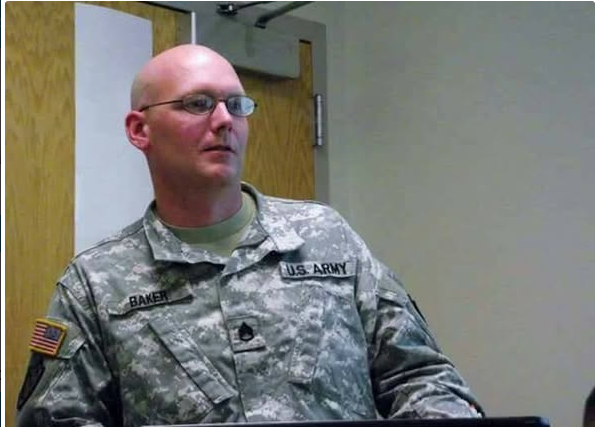
It started very simply, with a friend request on Facebook. The profile appeared to belong to someone serving in the U.S. Army. There were photos in uniform, a name, and just enough information to make everything seem real. I didn’t see any reason to doubt it at first, so I accepted the request.
Soon after, the messages began.
At first, everything felt normal. The conversation was polite, respectful, and friendly. There were questions about my day, my interests, and general life. It felt like someone genuinely trying to get to know me. Over time, the messages became more frequent, and the connection started to feel more personal.
He shared details about his life, claiming to be deployed overseas. He spoke about how difficult things were—being far from home, dealing with challenges, and feeling lonely. These stories made me feel sympathy for him. It’s natural to want to comfort someone who seems to be going through a hard time, and I found myself doing exactly that.
As the days turned into weeks, and then into months, the communication became a regular part of my life. There were daily messages, emotional conversations, and a sense of trust that slowly built up. He said kind things, showed concern, and made me feel like I mattered. Looking back, I realize how carefully that trust was built.
The relationship began to feel real.
At some point, the tone of the conversations shifted slightly. He started mentioning small problems—things that seemed manageable but inconvenient. At first, it was subtle. He talked about issues with communication, saying he needed help with things like phone services or staying connected. It didn’t seem like a big request at the time, especially considering the situation he claimed to be in.
I wanted to help.
The requests became more frequent over time, always accompanied by a believable explanation. Each one seemed reasonable in isolation, and because I trusted him, I didn’t question it as much as I should have. He always had a story, and it was always tied to some difficulty he was facing.
What I didn’t realize was that I was being slowly drawn into a pattern.
The more I helped, the more the requests continued. There was always something else—another issue, another urgent situation, another reason why he needed assistance. It became a cycle that I didn’t fully recognize until much later.
There were moments when I felt something wasn’t quite right.
Sometimes the details didn’t add up. The explanations would change slightly, or certain questions would be avoided. The profile itself still lacked depth—no real friends, no genuine interactions, no signs of a real life outside of our conversations. But by that point, the emotional connection made it difficult to step back and see the situation clearly.
After a long period of communication, things started to feel more uncertain. The pattern of requests, combined with the lack of consistency, became harder to ignore. I began to question things more seriously.
When I finally took a step back and looked at everything as a whole, the truth became clear.
The profile was not real.
The photos were likely stolen, the identity was fabricated, and the entire relationship had been built on false information. The person I had been talking to was not who they claimed to be. The stories, the emotions, the connection—it was all part of a plan to gain my trust and take advantage of it.
Realizing this was difficult.
It’s not just about the money or the time—it’s about the trust that was broken. It’s about believing in something that turned out to be completely false. It leaves you questioning how it happened and why you didn’t see it sooner.
But the truth is, these situations are designed to feel real. The person behind the account knows exactly what to say, how to build trust, and how to create a connection that feels genuine. They rely on kindness and empathy, using them as tools to manipulate.
Once I understood what was happening, I made the decision to stop all communication immediately. I blocked the account and reported it. It felt like the only way to protect myself and move forward.
Looking back, there were clear warning signs. The account was new and lacked real activity. The conversations moved too quickly into emotional territory. There were repeated requests for help, always tied to urgent situations. And there was a lack of consistency in the information being shared.
These are things I now know to watch out for.
I’m sharing this because I don’t want others to go through the same experience. It’s easy to think it won’t happen to you, but these scams are carefully planned and emotionally driven. They don’t always look obvious at the beginning.
If something feels off, it’s important to pay attention to that feeling. Take a step back, ask questions, and don’t be afraid to verify. Real people don’t rely on urgency and repeated requests for money, especially in the early stages of a relationship.
This experience has taught me to be more cautious, but also more aware. Not everything online is what it seems, and sometimes the most convincing stories are the ones that aren’t real at all.
Reports
I want to share my experience because I believe it can help others recognize the warning signs before it’s too late. What happened to me started in a very simple and ordinary way, something that could happen to anyone using social media.
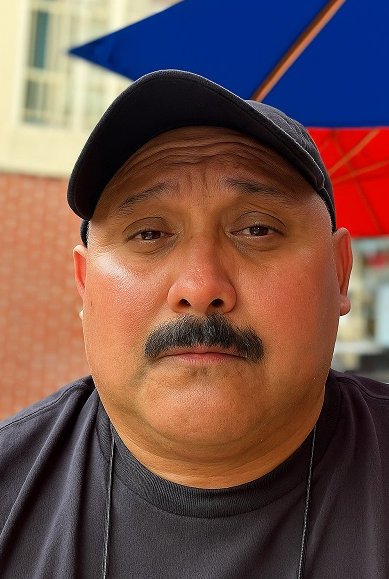
I received a friend request from a profile that looked like it belonged to someone serving in the military. The account had a profile picture, some personal details, and just enough information to appear genuine. There was nothing overly suspicious at first glance, so I accepted the request without thinking too much about it.
Not long after, the messages began.
At first, the conversation was polite and friendly. There were simple questions about my day, my interests, and general life topics. It felt like a normal interaction, the kind you might have with someone trying to make a new connection. The tone was calm and respectful, which made it easier to trust.
As time went on, the communication became more frequent. The person seemed very attentive, always replying quickly and keeping the conversation going. There was a noticeable effort to build a connection, and it started to feel more personal. Compliments and kind words became a regular part of the messages, creating a sense of comfort and familiarity.
The profile itself presented a life story that seemed believable. There were claims of being in the U.S. Army, along with details about education and location that made everything appear consistent. It created an image of someone disciplined, hardworking, and genuine. Looking back now, I realize how carefully that image was constructed.
What I didn’t notice right away were the missing pieces.
There were no real interactions with friends or family on the profile. No tagged photos, no meaningful comments from others, and no history that showed a real social life. It felt quiet, almost empty, but at the time I didn’t question it enough.
The conversations gradually became more emotional. There were mentions of personal struggles, loneliness, and the challenges of being away from home. These details were shared in a way that made me feel sympathetic. It felt natural to listen and respond with understanding, but now I can see how this was part of building emotional trust.
As the connection grew, it started to feel more serious than a simple online friendship. There were conversations that hinted at deeper feelings, even though we had only known each other for a short time. It felt rushed, but at the time, it was easy to overlook because of the constant communication and attention.
Eventually, I began to notice inconsistencies.
Some of the information didn’t quite match up when I paid closer attention. The responses to certain questions were vague or avoided altogether. It felt like I wasn’t getting clear answers, especially when I tried to learn more about their life or background.
The photos on the profile also started to seem questionable. While they looked real, there was no context behind them. No shared moments, no connections to other people—just isolated images that didn’t tell a full story. It made me wonder if they truly belonged to the person I was speaking with.
Another thing that stood out was the pattern of communication. It often felt repetitive, almost as if certain phrases were being reused. The emotional tone was strong, but it didn’t always feel natural. It was as if the conversation was being guided in a specific direction rather than flowing naturally.
At that point, I decided to step back and really think about what was happening.
The more I reflected on everything, the clearer it became that this was not a genuine situation. The profile lacked authenticity, the story felt constructed, and the interaction followed a pattern that is commonly used in online scams. It became evident that the identity I was interacting with was likely fake, using stolen photos and false information to appear real.
Coming to that realization was not easy. It’s difficult to accept that something you believed in—even briefly—was not what it seemed. But recognizing it was important to prevent things from going any further.
I made the decision to stop all communication immediately. I blocked the account and reported it to ensure that others would not be affected in the same way. It felt like the safest and most responsible step to take.
What I’ve learned from this experience is how important it is to stay cautious, even when things seem harmless. Scammers are becoming more skilled at creating believable identities. They know how to build trust, how to connect emotionally, and how to make their stories feel real.
It’s not always obvious right away. Sometimes it takes time to notice the small details that don’t add up. A lack of real interactions, a newly created profile, vague responses, and overly fast emotional connections are all signs that something may not be right.
I also realized how important it is to trust your instincts. There were moments when something felt off, but I didn’t act on it immediately. If something doesn’t feel right, it’s worth taking a step back and looking more closely.
I’m sharing this because I don’t want others to go through the same situation. These types of scams rely on trust and emotions, and anyone can be targeted. It’s not about being careless—it’s about being human.
Staying aware, asking questions, and taking the time to verify can make a big difference. Not every profile is what it claims to be, and sometimes the safest choice is to walk away before things go too far.