

Recovery of money lost to scams improves when victims act quickly and report through official channels. Immediate reporting helps banks initiate chargebacks, reversals, or fraud investigations aimed at recovering stolen funds. Below are trusted government reporting portals that support scam complaints and financial recovery efforts. Using verified authorities increases the chances of successful recovery and legal action.
Here are official government scam reporting websites:
Report the Crime to Authorities in Your Country
Official reports help police track and potentially recover funds or arrest perpetrators.
🇺🇸 UNITED STATES
In the United States, cryptocurrency scams — such as fraudulent investment opportunities, fake trading platforms, impersonation schemes, romance scams requesting crypto payments, phishing attacks, and deceptive initial coin offerings (ICOs) — are considered serious violations of federal and state laws governing fraud, wire fraud, securities offences, and cybercrime. Perpetrators frequently impersonate legitimate cryptocurrency exchanges, financial advisors, government agencies, public figures, or technical support personnel to convince victims to transfer digital assets, reveal private keys, or disclose account login credentials. These scams are commonly carried out through social media, dating applications, emails, text messages, messaging apps, fake websites, and online advertisements.
If you are experiencing immediate threats, blackmail, or extortion, call 911, the national emergency number, for urgent assistance.
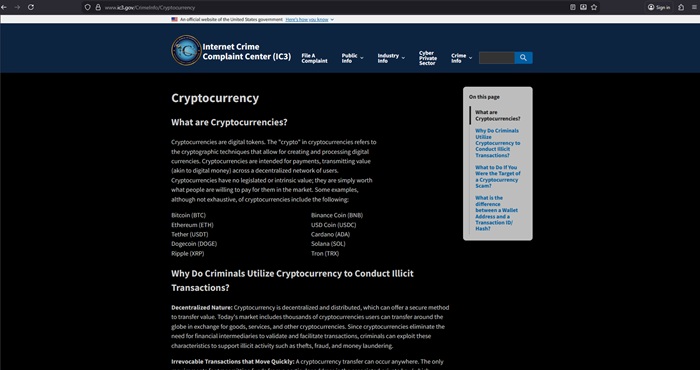
For non-emergency matters, cryptocurrency scams should be reported to the Federal Bureau of Investigation (FBI) via the Internet Crime Complaint Center (IC3) at www.ic3.gov. The IC3 gathers and reviews cybercrime complaints and works with federal, state, local, and international law enforcement agencies to investigate and combat online fraud. When submitting a complaint, include as much detail as possible, such as cryptocurrency wallet addresses, transaction IDs or hashes, dates and amounts of transfers, website URLs, screenshots, communication records, and any available information about the suspected individual or entity.
Investment-related cryptocurrency fraud may also be reported to the U.S. Securities and Exchange Commission (SEC), particularly if the scheme involves digital asset investments or potentially unregistered securities. Additionally, scams involving cryptocurrency trading platforms, futures, or derivatives can be reported to the Commodity Futures Trading Commission (CFTC).
Consumers are encouraged to file a report with the Federal Trade Commission (FTC) at reportfraud.ftc.gov, where complaints are used to track scam patterns and support enforcement actions against deceptive or unfair practices.
Report & Help:
- FBI Internet Crime Complaint Center (IC3) – Submit crypto scam complaint
https://www.ic3.gov/Home/FileComplaint - Federal Trade Commission (FTC) – Fraud Reporting : https://reportfraud.ftc.gov
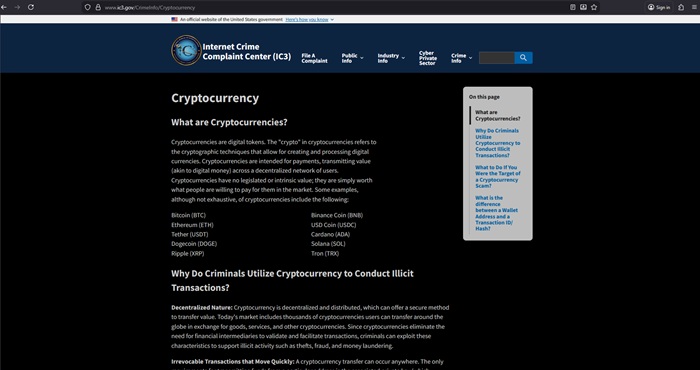
Phone: 1-877-382-4357 - https://www.ic3.gov/CrimeInfo/Cryptocurrency
The FTC and IC3 work with financial institutions and exchanges to trace funds.
🇨🇦 CANADA
In Canada, cryptocurrency scams — such as fraudulent investment opportunities, fake crypto exchanges, impersonation schemes, romance scams involving digital asset payments, phishing attacks, and misleading initial coin offerings (ICOs) — are considered serious offences under laws addressing fraud, identity theft, and cybercrime. Fraudsters frequently pretend to represent legitimate cryptocurrency platforms, financial advisors, government bodies, banks, or even trusted contacts in order to persuade victims to transfer digital currency, disclose private keys, or share account login details. These scams are commonly carried out through social media, dating applications, emails, text messages, messaging services, fake websites, or online advertisements.
If you are in immediate danger, being threatened, or experiencing extortion, call 911, Canada’s national emergency number, for urgent assistance.
For non-emergency matters, cryptocurrency fraud should be reported to the Canadian Anti-Fraud Centre (CAFC), which gathers reports of fraud and works with law enforcement agencies across the country. Complaints can be submitted online or by telephone. When making a report, include comprehensive details such as cryptocurrency wallet addresses, transaction hashes or IDs, dates and amounts transferred, screenshots of communications, website links, and any available information about the suspected individual or organisation.
It is also important to notify your local police service, particularly if you have experienced financial loss. Providing transaction records and supporting documentation can help investigators assess and pursue the case.
Crypto-related investment fraud may additionally be reported to your provincial or territorial securities regulator, such as the Ontario Securities Commission, especially where the scheme involves investment products, trading platforms, or potential securities violations.
Report & Help:
- Canadian Anti-Fraud Centre (CAFC) – Online report
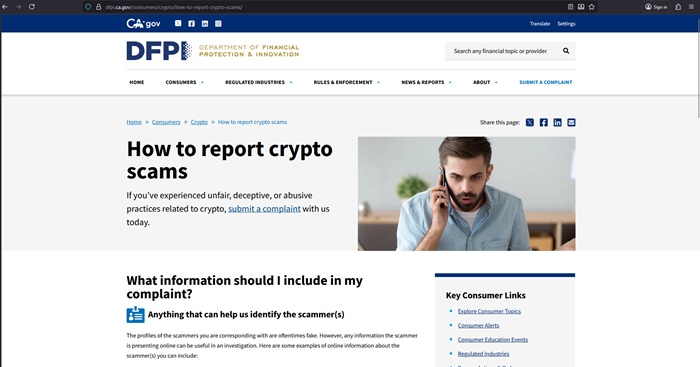
https://antifraudcentre-centreantifraude.ca/report-signalez-eng.htm - https://dfpi.ca.gov/consumers/crypto/how-to-report-crypto-scams/
Phone: 1-888-495-8501
CAFC shares data with banks, law enforcement, and international partners.
🇬🇧 UNITED KINGDOM
In the United Kingdom, cryptocurrency scams — such as fraudulent investment opportunities, fake crypto exchanges, impersonation schemes, romance scams involving digital asset payments, phishing attacks, and deceptive initial coin offerings (ICOs) — are regarded as serious offences under legislation covering fraud, cybercrime, and money laundering. Fraudsters frequently pretend to represent legitimate cryptocurrency platforms, investment companies, financial advisers, government agencies, or public figures in order to convince victims to transfer digital currencies, disclose private keys, or share account login details. These scams are commonly carried out through social media, dating applications, emails, text messages, messaging services, fake websites, and online advertisements.
If you are in immediate danger, facing threats, or experiencing extortion, call 999, the UK’s national emergency number, for urgent assistance.
For non-emergency cases, cryptocurrency fraud should be reported to Action Fraud, the UK’s central reporting service for fraud and cybercrime. Complaints can be submitted online or by telephone. Action Fraud forwards reports to the National Fraud Intelligence Bureau (NFIB) for review and potential investigation. When making a report, include comprehensive details such as cryptocurrency wallet addresses, transaction IDs or hashes, dates and amounts transferred, website links, copies of communications, and any identifying information about the suspected individual or organisation.
If you are based in Scotland, you can report the matter directly to Police Scotland by calling 101, the non-emergency police number.
Where the scam involves a firm claiming to offer regulated financial or investment services, you may also submit a complaint to the Financial Conduct Authority (FCA). The FCA oversees financial services in the UK and maintains a list of unauthorised or suspicious firms to help protect consumers.
Report & Help:
- Action Fraud (UK National Fraud Reporting Centre)
https://www.actionfraud.police.uk/reporting-fraud-and-cyber-crime - https://www.ncsc.gov.uk/
Phone: 0300 123 2040
Action Fraud coordinates with law enforcement and financial intelligence units.
🇮🇳 INDIA
In India, cryptocurrency scams — such as bogus investment opportunities, fake trading apps or exchanges, impersonation schemes, romance scams requesting crypto payments, phishing attacks, and misleading token launches — are considered serious offences under laws dealing with cheating, cybercrime, identity theft, and financial fraud. Fraudsters commonly pretend to represent cryptocurrency platforms, financial advisors, government authorities, celebrities, or technical support teams to persuade victims to transfer digital assets, reveal private keys, share OTPs, or disclose account login details. These scams are typically carried out through social media, messaging applications, emails, phone calls, fraudulent websites, or online advertisements.
If you are in immediate danger, receiving threats, or facing extortion, call 112, India’s national emergency helpline, for urgent assistance.
For cryptocurrency-related financial fraud, you should promptly contact the National Cyber Crime Helpline at 1930. This dedicated helpline assists victims of online financial scams and may help initiate steps to freeze or trace funds if the complaint is made quickly.
You can also file a complaint through the National Cyber Crime Reporting Portal at www.cybercrime.gov.in. When submitting a report, include comprehensive details such as cryptocurrency wallet addresses, transaction IDs or hashes, dates and amounts transferred, screenshots of conversations, relevant website links, and any identifying information about the suspected individual or platform.
Additionally, it is advisable to lodge a complaint with your local police station or Cyber Crime Cell, particularly if you have incurred financial losses. Retain copies of transaction records, bank statements, and all related communications to support your case and assist investigators.
Report & Help:
- National Cyber Crime Helpline: 1930
- National Cyber Crime Portal – Cryptocurrency fraud reporting
https://cybercrime.gov.in / https://i4c.mha.gov.in/index.aspx
Prompt reporting helps cyber units trace wallets or freeze accounts.
🇦🇺 AUSTRALIA
In Australia, cryptocurrency scams — such as bogus investment schemes, fake crypto exchanges, impersonation fraud, romance scams involving digital currency payments, phishing attacks, and misleading token launches — are regarded as serious offences under legislation addressing fraud, cybercrime, and financial misconduct. Criminals frequently pose as legitimate cryptocurrency platforms, financial advisers, government departments, banks, or public figures to convince victims to transfer digital assets, reveal private keys, or disclose account credentials. These scams are commonly conducted through social media, dating applications, emails, SMS messages, messaging services, fraudulent websites, and online advertisements.
If you are in immediate danger, facing threats, or experiencing extortion, call 000, Australia’s national emergency number, for urgent police assistance.
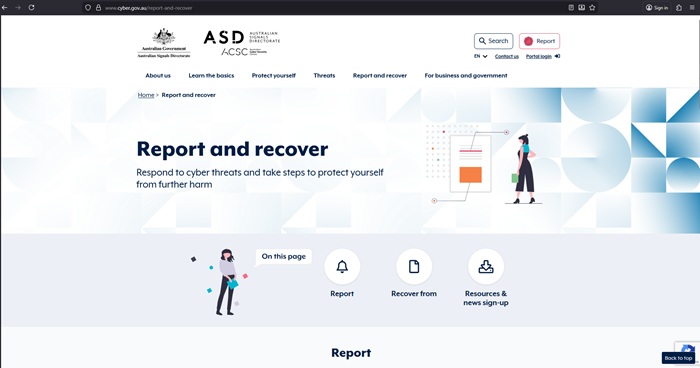
For non-emergency matters, cryptocurrency fraud should be reported through ReportCyber, the Australian Government’s official cybercrime reporting platform, available at www.cyber.gov.au/report. Reports are reviewed by the Australian Cyber Security Centre (ACSC) and may be referred to the relevant state or territory police for further investigation. When lodging a complaint, include comprehensive details such as cryptocurrency wallet addresses, transaction hashes or IDs, dates and amounts transferred, screenshots of communications, relevant website links, and any identifying information about the suspected party.
You are also encouraged to notify Scamwatch, operated by the Australian Competition and Consumer Commission (ACCC) at www.scamwatch.gov.au. Scamwatch gathers information on fraudulent activities to help issue public warnings and disrupt scam operations.
If the scheme involves investment services or financial products, you may file a complaint with the Australian Securities and Investments Commission (ASIC), the regulator responsible for overseeing financial markets and services in Australia.
Report & Help:
- ReportCyber – Australian Cyber Security Centre : https://www.cyber.gov.au/report-and-recover
Phone: 1300 292 371 - Scamwatch (ACCC) – Online issue report : https://www.scamwatch.gov.au/report-a-scam
Reporting triggers official tracking and may aid recovery requests
🇫🇷 FRANCE
In France, cryptocurrency scams — such as bogus investment opportunities, fake crypto trading platforms, impersonation fraud, romance scams involving digital asset payments, phishing attacks, and deceptive token sales — are considered serious criminal offences under legislation addressing fraud, cybercrime, and financial wrongdoing. Fraudsters frequently pose as legitimate cryptocurrency exchanges, financial advisers, banks, government bodies, or public figures in order to persuade victims to transfer digital currencies, disclose private keys, or share account login details. These schemes are commonly carried out through social media, dating apps, emails, SMS messages, messaging services, fraudulent websites, and online advertisements.
If you are in immediate danger, receiving threats, or facing extortion, call 17 (Police) or 112, the European emergency number, for urgent assistance.
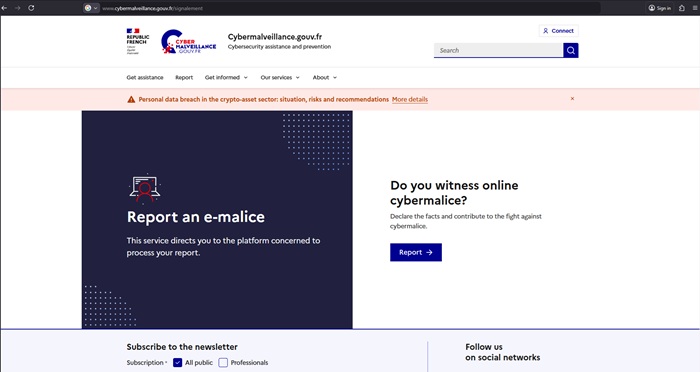
For non-emergency cases, cryptocurrency fraud can be reported online through THESEE (Traitement Harmonisé des Enquêtes et des Signalements pour les E-escroqueries), the French government’s dedicated online platform for reporting digital scams. Complaints are submitted via the official public service website. When filing a report, include comprehensive details such as wallet addresses, transaction hashes or IDs, dates and amounts transferred, screenshots of communications, relevant website links, and any identifying information about the suspected individual or organisation.
It is also advisable to lodge a formal complaint with your local police station (commissariat) or gendarmerie, particularly if you have suffered financial loss. Bring all supporting documents and proof of transactions to help authorities investigate the matter.
If the scam relates to an investment service or trading platform, you may report it to the Autorité des Marchés Financiers (AMF), which oversees financial markets in France and publishes a blacklist of unauthorised investment websites. Where the issue involves banking or regulated financial services, you may also contact the ACPR (Autorité de Contrôle Prudentiel et de Résolution).
Report & Help:
- Cybermalveillance.gouv.fr – Online incident report : https://www.cybermalveillance.gouv.fr/signalement
- Service-Public (Official Fraud Reporting) : https://www.service-public.fr/particuliers/vosdroits/F1520
These portals help coordinate police investigations.
🇸🇬 SINGAPORE
In Singapore, cryptocurrency scams — such as fake investment opportunities, fraudulent trading platforms, impersonation schemes, romance scams involving digital asset payments, phishing attacks, and misleading token sales — are regarded as serious offences under laws addressing cheating, fraud, cybercrime, and financial misconduct. Criminals frequently impersonate legitimate cryptocurrency exchanges, financial advisers, banks, government authorities, or even trusted contacts to persuade victims to transfer digital currencies, disclose private keys, or share account login credentials. These scams are commonly executed through social media, messaging applications, dating platforms, emails, phone calls, and fraudulent websites.
If you are in immediate danger, experiencing threats, or facing extortion, call 999, Singapore’s police emergency number, for urgent assistance.
For non-emergency matters, cryptocurrency fraud should be reported to the Singapore Police Force (SPF). You can submit a report online through the SPF e-Services portal or visit your nearest Neighbourhood Police Centre or Police Post. When filing a report, include comprehensive details such as cryptocurrency wallet addresses, transaction IDs or hashes, dates and amounts transferred, screenshots of communications, relevant website links, and any available information about the suspected individual or entity.
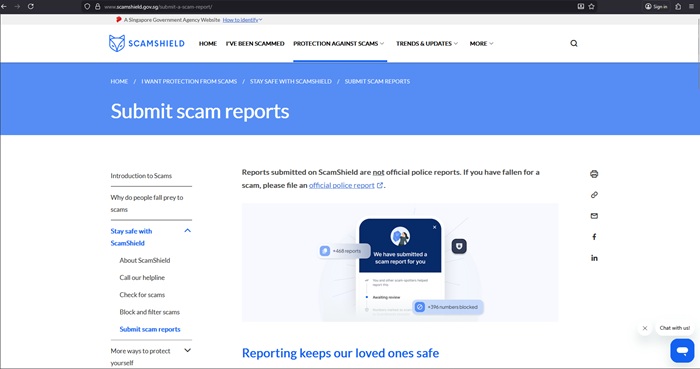
You may also share scam-related information through ScamShield or the Scam Alert website, operated by the National Crime Prevention Council, which provides public awareness and prevention resources.
If the scam involves a company claiming to offer regulated financial or investment services, you can report it to the Monetary Authority of Singapore (MAS), which supervises financial institutions and maintains an Investor Alert List of entities that may be unregulated or suspicious.
Report & Help:
- Singapore Police Force – Scam Reporting : https://www.police.gov.sg/Advisories/Scams
- https://www.scamshield.gov.sg/submit-a-scam-report/
Anti-Scam Hotline: 1800-722-6688
Singapore authorities may work with exchanges to freeze stolen assets.
🇳🇿 NEW ZEALAND
In New Zealand, cryptocurrency scams — such as bogus investment schemes, fake crypto trading platforms, impersonation fraud, romance scams involving digital asset payments, phishing attacks, and deceptive token promotions — are considered serious offences under legislation dealing with fraud, deception, and cybercrime. Offenders frequently pose as legitimate cryptocurrency exchanges, financial advisers, banks, government bodies, or public figures to convince victims to transfer digital currencies, disclose private keys, or provide account login details. These scams are commonly conducted through social media, dating platforms, emails, text messages, messaging apps, phone calls, and fraudulent websites.
If you are in immediate danger, being threatened, or facing extortion, call 111, New Zealand’s emergency number, for urgent police assistance.
For non-emergency matters, cryptocurrency fraud can be reported to Netsafe, New Zealand’s online safety and cybercrime support organisation. Netsafe offers guidance to victims and advice on securing accounts and preserving evidence.
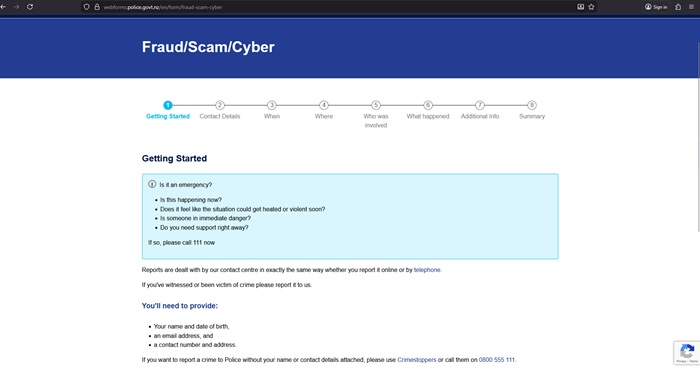
It is also important to lodge a report with the New Zealand Police, either online through the official Police website or by contacting your local police station. When filing a complaint, provide comprehensive details such as cryptocurrency wallet addresses, transaction IDs or hashes, dates and amounts transferred, screenshots of communications, relevant website links, and any available information about the suspected individual or entity.
If the scam involves an investment opportunity or financial service, you may report it to the Financial Markets Authority (FMA), which oversees financial markets in New Zealand and publishes warnings about unregistered or suspicious organisations.
Report & Help:
- Netsafe – Online scam report : https://www.netsafe.org.nz/report/
- New Zealand Police – 105 : https://www.police.govt.nz/use-105
- https://webforms.police.govt.nz/en/form/fraud-scam-cyber
Phone: 105
Police can work with digital forensic teams.
🇿🇦 SOUTH AFRICA
In South Africa, cryptocurrency scams — such as bogus investment opportunities, fake crypto trading platforms, impersonation schemes, romance scams involving digital asset payments, phishing attacks, and misleading token promotions — are regarded as serious offences under laws addressing fraud, cybercrime, and financial misconduct. Fraudsters frequently impersonate legitimate cryptocurrency exchanges, investment advisers, banks, government departments, or public figures to convince victims to transfer digital currencies, reveal private keys, or provide account login information. These schemes are commonly executed through social media platforms, messaging applications, emails, phone calls, online advertisements, and fraudulent websites.
If you are in immediate danger, receiving threats, or facing extortion, call 10111, South Africa’s police emergency number, for urgent assistance.
For non-emergency matters, cryptocurrency fraud should be reported to the South African Police Service (SAPS) by visiting your nearest police station to register a criminal case. When lodging a complaint, present all relevant evidence, including cryptocurrency wallet addresses, transaction hashes or IDs, dates and amounts transferred, screenshots of communications, website links, and any available details about the suspected individual or entity.
You may also notify the South African Fraud Prevention Service (SAFPS), which provides support to victims of fraud and identity-related offences.
If the scam involves an investment opportunity or a financial services provider, you can file a complaint with the Financial Sector Conduct Authority (FSCA), the regulatory body responsible for overseeing financial institutions and issuing warnings about unauthorised operators.
Report & Help:
- South African Police Service (SAPS)
https://www.saps.gov.za
Phone: 10111 - SABRIC – Bank fraud reporting centre
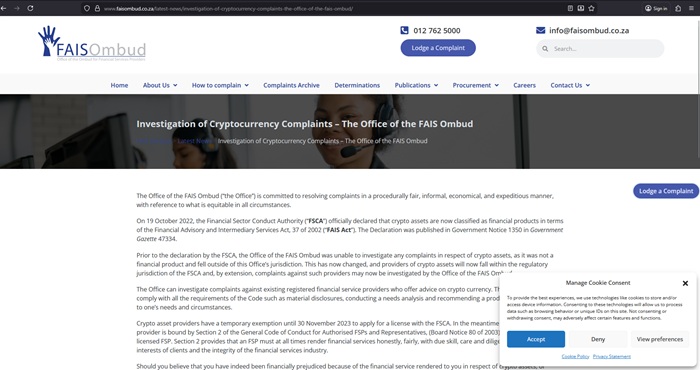
https://www.sabric.co.za - https://www.faisombud.co.za/latest-news/investigation-of-cryptocurrency-complaints-the-office-of-the-fais-ombud/
Phone: +27-11-722-3000
SABRIC helps coordinate bank investigations and asset tracing.
🇧🇷 BRAZIL
In Brazil, cryptocurrency scams — such as fake investment opportunities, fraudulent trading platforms, impersonation schemes, romance scams involving crypto payments, phishing attacks, and misleading token promotions — are considered serious offences under legislation addressing fraud, cybercrime, and financial misconduct. Criminals frequently pose as legitimate cryptocurrency exchanges, financial advisers, banks, government agencies, or public figures to convince victims to transfer digital assets, disclose private keys, or provide account login information. These scams are commonly carried out through social media, messaging applications, emails, phone calls, online advertisements, and fraudulent websites.
If you are in immediate danger, receiving threats, or facing extortion, call 190, Brazil’s Military Police emergency number, for immediate assistance.
For non-emergency cases, cryptocurrency fraud should be reported to your local Civil Police (Polícia Civil), preferably through a specialised Cybercrime Unit (Delegacia de Crimes Cibernéticos) where available. In many states, you can submit an online police report known as a Boletim de Ocorrência Eletrônico via the official state public security website. When making a report, include comprehensive details such as cryptocurrency wallet addresses, transaction hashes or IDs, dates and amounts transferred, screenshots of communications, relevant website links, and any available information about the suspected individual or entity.
If the case involves financial intermediaries or payment institutions, you may also file a complaint with the Central Bank of Brazil (Banco Central do Brasil). Where the scam relates to investment products or unregulated investment offerings, reports can be submitted to the Brazilian Securities and Exchange Commission (CVM – Comissão de Valores Mobiliários), which supervises the securities market and issues alerts about unauthorised entities.
Report & Help:
- SaferNet Brazil – Online cybercrime reporting
https://new.safernet.org.br/denuncie - Brazilian Federal Police
https://www.gov.br/pf
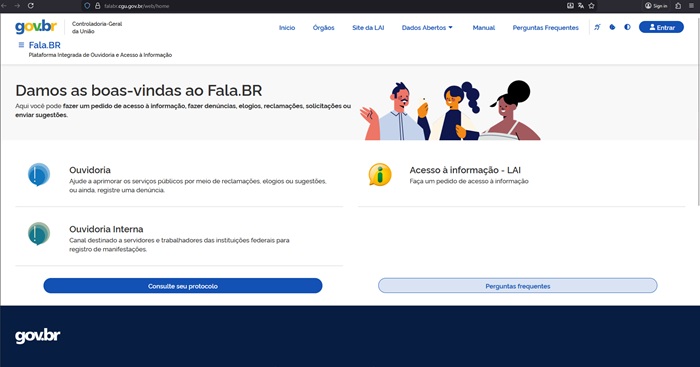
https://falabr.cgu.gov.br/web/home
Federal investigations may follow up on cross-border crypto fraud.
🇲🇽 MEXICO
In Mexico, cryptocurrency scams — such as bogus investment opportunities, fake crypto trading platforms, impersonation schemes, romance scams involving digital asset payments, phishing attacks, and misleading token promotions — are considered serious crimes under legislation addressing fraud, cybercrime, and financial misconduct. Offenders frequently pretend to represent legitimate cryptocurrency exchanges, financial advisers, banks, government authorities, or public figures in order to convince victims to transfer digital currencies, reveal private keys, or disclose account login information. These scams are typically carried out through social media platforms, messaging applications, emails, phone calls, online advertisements, and fraudulent websites.
If you are in immediate danger, receiving threats, or facing extortion, call 911, Mexico’s national emergency number, for urgent assistance.
For non-emergency cases, cryptocurrency fraud should be reported to the Fiscalía General de la República (FGR) or to your local State Prosecutor’s Office (Fiscalía Estatal), particularly through specialised cybercrime units known as Policía Cibernética. In many states, you can submit a formal complaint (denuncia) online or by visiting a local office. When making a report, include comprehensive details such as cryptocurrency wallet addresses, transaction hashes or IDs, dates and amounts transferred, screenshots of communications, relevant website links, and any available information about the suspected individual or organisation.
Cyber-related incidents may also be reported to the Guardia Nacional – Unidad de Policía Cibernética, which addresses federal cybercrime matters and provides assistance to victims.
If the scheme involves a financial institution or a company claiming to provide regulated financial services, you may file a complaint with the National Banking and Securities Commission (CNBV – Comisión Nacional Bancaria y de Valores). Consumer disputes involving financial services can also be brought before CONDUSEF (Comisión Nacional para la Protección y Defensa de los Usuarios de Servicios Financieros) for further review and assistance.
Report & Help:
- FBI Internet Crime Complaint Center (IC3) – Submit crypto scam complaint
https://www.ic3.gov/Home/FileComplaint - Federal Trade Commission (FTC) – Fraud Reporting : https://reportfraud.ftc.gov
Phone: 1-877-382-4357 - https://www.ic3.gov/CrimeInfo/Cryptocurrency
The FTC and IC3 work with financial institutions and exchanges to trace funds.
🇯🇵 JAPAN
In Japan, cryptocurrency scams — such as fake investment opportunities, fraudulent crypto trading platforms, impersonation schemes, romance scams involving digital asset payments, phishing attacks, and misleading token promotions — are regarded as serious offences under legislation addressing fraud, cybercrime, and financial wrongdoing. Criminals frequently pose as legitimate cryptocurrency exchanges, financial advisers, banks, government authorities, or public figures to persuade victims to transfer digital currencies, reveal private keys, or disclose account login information. These scams are typically carried out through social media, messaging applications, emails, phone calls, online advertisements, and fraudulent websites.
If you are in immediate danger, receiving threats, or facing extortion, call 110, Japan’s police emergency number, for urgent assistance.
For non-emergency cases, cryptocurrency fraud should be reported to your nearest police station (Keisatsu) or through the Cybercrime Consultation Desk (サイバー犯罪相談窓口) managed by the prefectural police. Many prefectures provide online reporting options or dedicated cybercrime hotlines. When submitting a report, include comprehensive details such as cryptocurrency wallet addresses, transaction hashes or IDs, dates and amounts transferred, screenshots of communications, relevant website links, and any available information about the suspected individual or organisation.
You may also consult the National Police Agency (NPA) cybercrime reporting services, which coordinate cybercrime investigations across Japan.
If the scheme involves an investment product or a company claiming to provide regulated financial services, you can file a complaint with Japan’s Financial Services Agency (FSA), which supervises cryptocurrency exchanges and financial institutions and issues warnings regarding unregistered or suspicious operators.
Report & Help:
- National Police Agency (Cybercrime Division)
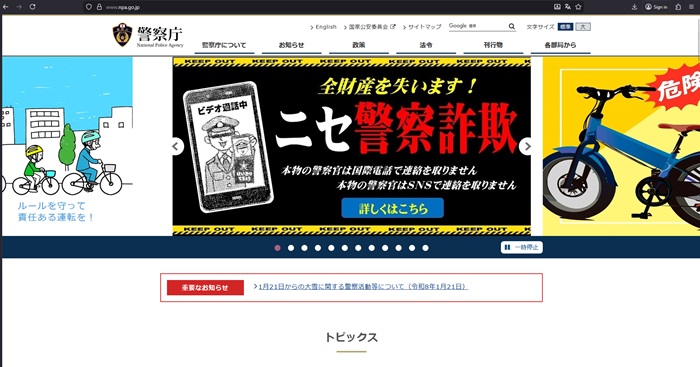
https://www.npa.go.jp
Consultation Hotline: #9110
Japanese cyber units pursue digital financial investigations.
🇰🇷 SOUTH KOREA
In South Korea, cryptocurrency scams — such as fake investment opportunities, fraudulent crypto trading platforms, impersonation schemes, romance scams involving digital asset payments, phishing attacks, and misleading token promotions — are regarded as serious offences under legislation covering fraud, electronic financial crimes, and cybercrime. Offenders frequently pose as legitimate cryptocurrency exchanges, financial institutions, government bodies, prosecutors, or investment advisers to convince victims to transfer digital currencies, reveal private keys, provide verification codes, or disclose account login details. These scams are commonly carried out through messaging applications, social media, voice phishing calls, emails, and fraudulent websites.
If you are in immediate danger, receiving threats, or facing coercion, call 112, South Korea’s national police emergency number, for urgent assistance.
For non-emergency cases, cryptocurrency fraud can be reported to the Korean National Police Agency (KNPA) by calling 182, the police non-emergency consultation line, or by visiting your local police station to file an official complaint. When submitting a report, include comprehensive evidence such as cryptocurrency wallet addresses, transaction hashes or IDs, dates and amounts transferred, screenshots of communications, relevant website links, and any available details about the suspected individual or organisation.
Financial crimes involving cryptocurrency may also be reported to the Financial Supervisory Service (FSS) by calling 1332. The FSS manages financial fraud complaints and works closely with banks and law enforcement agencies.
Suspicious websites, phishing links, and other online threats can additionally be reported to the Korea Internet & Security Agency (KISA) through its Cyber Security Hotline at 118, which monitors and responds to cybersecurity incidents nationwide.
Report & Help:
- Korea National Police Agency
https://www.police.go.kr - Cybercrime Reporting System
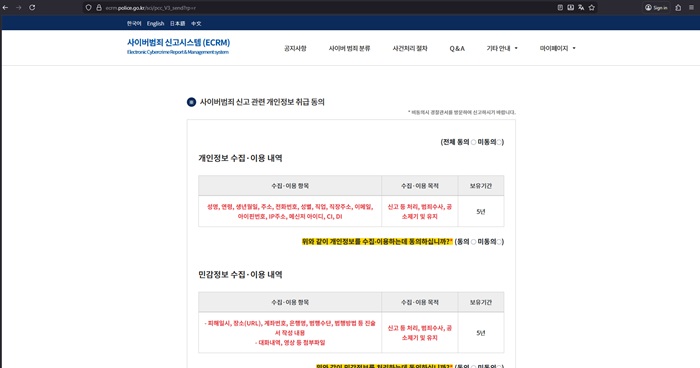
https://ecrm.police.go.kr
Phone: 182
Local cybercrime units handle crypto fraud cases.
🇦🇪 UNITED ARAB EMIRATES
In the United Arab Emirates (UAE), cryptocurrency scams — such as fake investment opportunities, fraudulent trading platforms, impersonation schemes, romance scams involving digital asset payments, phishing attacks, and misleading token promotions — are considered serious offences under legislation addressing fraud, cybercrime, and financial misconduct. Criminals frequently impersonate legitimate cryptocurrency exchanges, financial advisers, banks, government agencies, or public figures to convince victims to transfer digital currencies, reveal private keys, or provide account login details. These scams are commonly conducted through social media, messaging applications, emails, phone calls, online advertisements, and fraudulent websites.
If you are in immediate danger, receiving threats, or facing extortion, call 999, the UAE’s police emergency number, for urgent assistance.
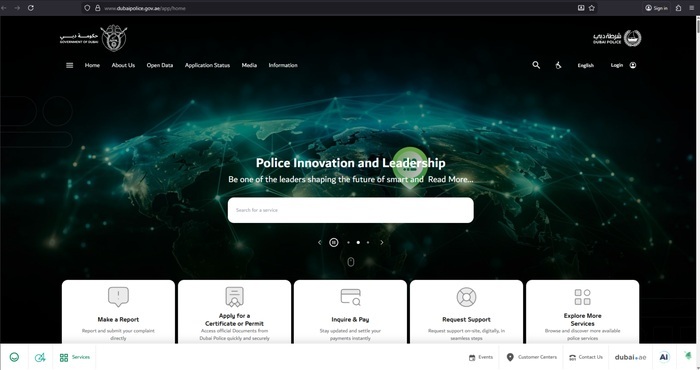
For non-emergency matters, cryptocurrency fraud should be reported to your respective Emirate’s Police Authority, as each emirate provides dedicated cybercrime reporting services. For example, reports can be submitted through the official online platforms or mobile applications of Abu Dhabi Police, Dubai Police (via the eCrime platform), or Sharjah Police. Cybercrime complaints may also be filed through the Ministry of Interior (MOI) smart services portal, and Dubai-related cases can be reported through www.ecrime.ae.
When submitting a complaint, include comprehensive details such as cryptocurrency wallet addresses, transaction hashes or IDs, dates and amounts transferred, screenshots of communications, relevant website links, and any available information about the suspected individual or organisation.
If the matter involves a firm claiming to offer regulated financial or investment services, you may file a complaint with the Securities and Commodities Authority (SCA), which supervises financial markets in the UAE. Where banks or licensed financial institutions are involved, complaints can also be directed to the Central Bank of the UAE for further review.
Report & Help:
- UAE Ministry of Interior (Cybercrime)
https://www.moi.gov.ae
Abu Dhabi Police: 800-2626
Dubai Police: https://www.dubaipolice.gov.ae
Authorities may engage specialized cyber units.
🇮🇪 IRELAND
In Ireland, cryptocurrency scams — such as bogus investment opportunities, fake crypto trading platforms, impersonation schemes, romance scams involving digital asset payments, phishing attacks, and misleading token promotions — are regarded as serious offences under legislation addressing fraud, deception, money laundering, and cybercrime. Fraudsters frequently pose as legitimate cryptocurrency exchanges, investment advisers, banks, An Garda Síochána, Revenue, or public figures to persuade victims to transfer digital currencies, disclose private keys, or provide account login information. These scams are commonly carried out through social media, messaging applications, emails, phone calls, online advertisements, and fraudulent websites.
If you are in immediate danger, receiving threats, or facing extortion, call 999 or 112, Ireland’s national emergency numbers, for urgent assistance.
For non-emergency cases, cryptocurrency fraud should be reported to An Garda Síochána by contacting your local Garda station to file an official complaint. When making a report, provide comprehensive evidence such as cryptocurrency wallet addresses, transaction hashes or IDs, dates and amounts transferred, screenshots of communications, relevant website links, and any available details about the suspected individual or organisation.
Serious cybercrime matters may be handled by the Garda National Cyber Crime Bureau (GNCCB), and reports can be referred to them through your local Garda station.
If the scheme involves a firm claiming to offer regulated financial or investment services, you may also submit a complaint to the Central Bank of Ireland, which supervises financial service providers and publishes warnings about unauthorised entities.
Report & Help:
- Garda National Cyber Crime Bureau
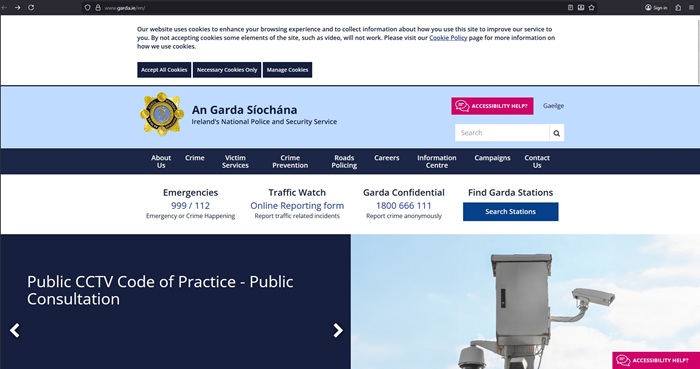
https://www.garda.ie
Emergency Police: 999 / 112
Irish cyber units coordinate digital fraud investigations.
🇳🇬 NIGERIA
In Nigeria, cryptocurrency scams — such as bogus investment opportunities, fake crypto trading platforms, impersonation schemes, romance scams involving digital asset payments, phishing attacks, and misleading token promotions — are regarded as serious offences under the Cybercrimes (Prohibition, Prevention, etc.) Act, 2015, along with other laws addressing fraud and financial crimes. Fraudsters frequently pose as legitimate cryptocurrency exchanges, investment advisers, banks, government bodies, or public figures to convince victims to transfer digital currencies, reveal private keys, provide OTPs, or disclose account login details. These scams are commonly executed through social media, messaging applications, emails, phone calls, and fraudulent websites.
If you are in immediate danger, receiving threats, or facing extortion, call 112, Nigeria’s national emergency number, or 199 (Police Emergency Line, where available), for urgent assistance.
For non-emergency cases, cryptocurrency fraud should be reported to the Nigerian Police Force (NPF) by visiting your nearest police station or contacting the National Cybercrime Centre (NPF-NCCC), which is responsible for investigating cyber-related offences. When submitting a complaint, include comprehensive evidence such as cryptocurrency wallet addresses, transaction hashes or IDs, dates and amounts transferred, screenshots of communications, relevant website links, and any available information about the suspected individual or organisation.
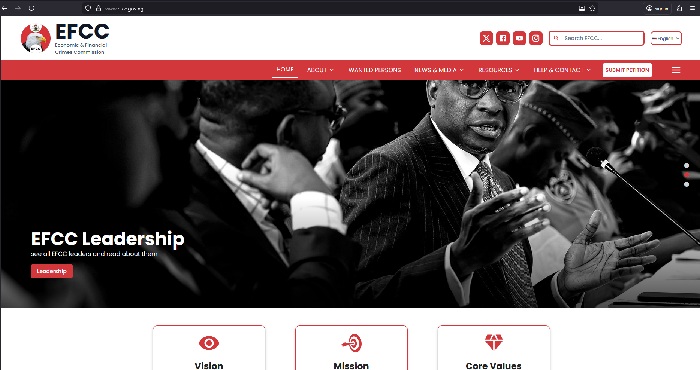
Cryptocurrency-related financial crimes may also be reported to the Economic and Financial Crimes Commission (EFCC), the agency tasked with investigating internet fraud and other financial offences.
If the matter involves a bank or payment service provider, you can escalate your complaint to the Central Bank of Nigeria (CBN) through its Consumer Protection Department for further review.
Report & Help:
- Economic and Financial Crimes Commission (EFCC)
https://www.efcc.gov.ng
Phone: +234-9-9040745 / Toll-Free: 767
EFCC investigates financial and cyber fraud including crypto scams.
🇰🇪 KENYA
In Kenya, cryptocurrency scams — such as bogus investment opportunities, fake crypto trading platforms, impersonation schemes, romance scams involving digital asset payments, phishing attacks, and misleading token promotions — are regarded as serious offences under legislation addressing fraud, cybercrime, and financial misconduct, including the Computer Misuse and Cybercrimes Act, 2018. Fraudsters frequently pose as legitimate cryptocurrency exchanges, investment advisers, banks, government bodies, or public figures to convince victims to transfer digital currencies, disclose private keys, provide OTPs, or share account login details. These scams are commonly conducted through social media, messaging applications, emails, phone calls, and fraudulent websites.
If you are in immediate danger, receiving threats, or facing extortion, call 999, 112, or 911, Kenya’s national emergency numbers, for urgent assistance.
For non-emergency cases, cryptocurrency fraud should be reported to the Directorate of Criminal Investigations (DCI), particularly through its Cybercrime Unit. You can lodge a complaint by visiting the nearest DCI office or police station. When making a report, include comprehensive details such as cryptocurrency wallet addresses, transaction hashes or IDs, dates and amounts transferred, screenshots of communications, relevant website links, and any available information about the suspected individual or organisation.
Cyber-related incidents may also be reported to the National Kenya Computer Incident Response Team – Coordination Centre (National KE-CIRT/CC), operated by the Communications Authority of Kenya, which monitors and responds to cybersecurity threats.
If the scheme involves a firm claiming to offer regulated financial or investment services, you may submit a complaint to the Capital Markets Authority (CMA), the regulatory body overseeing investment activities in Kenya.
Report & Help:
- Directorate of Criminal Investigations (DCI)
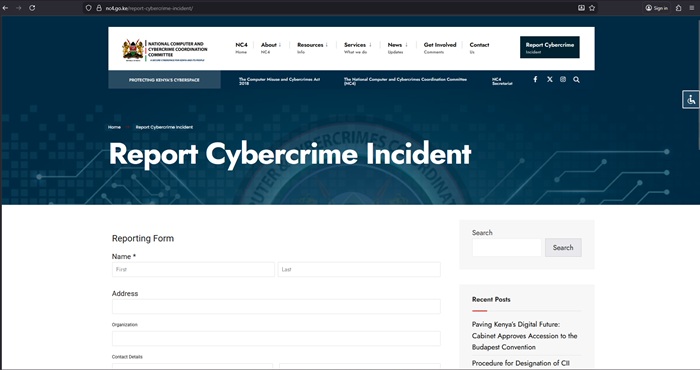
https://www.dci.go.ke / https://nc4.go.ke/report-cybercrime-incident/
Phone: +254-20-2223854 / Toll-Free: 999 / 112
DCI Cybercrime Unit handles digital financial fraud investigations.
Scam Money Recovery: What Victims Have Experienced :
Cryptocurrency Scam Money Recovery Victim 1 :
I am a retired federal employee from California, and unfortunately, I became the victim of a highly sophisticated cryptocurrency investment scam that resulted in a loss of approximately $400,000 in USDC between December 2024 and June 2025. What initially appeared to be a legitimate investment opportunity turned out to be a carefully orchestrated fraud.
The scheme operated through a website called Wealth Fims (wealthfrontes.com), which later rebranded itself as ETRDStocks.net. The rebranding now appears to have been an attempt to avoid detection and continue operating under a new identity. At the time, however, the platform looked professional and convincing.
I was first contacted via WhatsApp by a woman identifying herself as “Basia.” She claimed to work at the Manhattan Financial Center and said she was affiliated with a business called Fangzhou, allegedly based in New York. To make the interaction seem authentic, she even sent a photograph she claimed was taken at a Trader Joe’s in New York City on Mother’s Day. These personal details made the situation feel real and trustworthy.
Using the WhatsApp number +1 (623) 219-5572, she introduced me to what she described as a “primary market” cryptocurrency trading group. The opportunity was presented as exclusive and highly profitable, with assurances of guaranteed returns. I was guided step by step on how to transfer funds in USDC over the Ethereum network.
When I later attempted to withdraw my funds, I was told that additional payments were required before the release could be processed. These payments were described as release fees, tax obligations, gas fees, and security deposits. Each time I complied, I was assured that my withdrawal would be finalized. However, no withdrawal ever occurred. Instead, further demands followed.
The Ethereum wallet addresses involved in this scam were 0x61876fa5cca2fa1a6b05764897f4aa77396c3ff7 and 0x6fca9545581b5b4d9383e71a2eafdbe987cfe86a. By the time I realized the full extent of the deception, a substantial amount of money had already been transferred.
I have since reported the matter to the FBI Internet Crime Complaint Center (IC3), the U.S. Securities and Exchange Commission (SEC), the Federal Trade Commission (FTC), the New York Attorney General’s Office, and Chainabuse, a crypto fraud reporting platform. I am cooperating fully with any ongoing investigations.
During my own research, I also discovered a legitimate company named Fangzhou Trading Corp located in Flushing, New York. It remains unclear whether that business was impersonated as part of the scam or whether there is any connection. This uncertainty adds another troubling layer to the situation.
The financial and emotional toll of this experience has been profound. I am sharing these details in the hope that it may help others recognize similar warning signs and avoid falling victim to comparable schemes.
Cryptocurrency Scam Money Recovery Victim 2 :
I am about to turn 25, and in February 2023, I became the victim of a cryptocurrency investment scam. It started in a way that felt completely innocent. Someone reached out to me on Instagram after seeing posts about my dog. At the time, I owned a male dog, and he mentioned that he had a female of the same breed. He said he lived in a nearby city, about an hour or two away. After a few weeks of texting, we developed what felt like a genuine friendship.
He told me he was currently on vacation in the United States but would soon return to Canada. I believed him. He suggested that once he came back, we could meet up and let our dogs play together at the park. We even discussed the possibility of breeding our dogs. Everything felt natural and friendly at first.
Over time, our conversations expanded beyond dogs. We began talking for hours every day about life, goals, and work. Eventually, he asked about my job, and I asked about his. He explained that he did not have a traditional 9-to-5 job because he earned a living through cryptocurrency investments. He said his financial freedom allowed him to travel and live comfortably. He even mentioned a particular cryptocurrency that he believed would become “the next Bitcoin.”
Although I had always been curious about crypto, I told him I didn’t know much about it and wasn’t interested at that moment. He didn’t pressure me immediately. Instead, he continued talking casually and maintaining our friendship. Over time, he began sending screenshots showing his supposed crypto profits and how quickly his investments were growing.
Eventually, I asked him to teach me more about investing. He offered to guide me step by step. He spent hours explaining the process and showing me images of his trading journey, his profits, and even screenshots of his bank balances. He said he wanted to help me succeed as a friend.
At the time, I was struggling with personal and financial stress. Although I had about $13,000 in savings and a strong credit score, I constantly worried about my financial future. When he offered to help me invest, I saw it as a possible solution to my concerns.
He recommended a specific trading platform, claiming it offered lower risk and better returns than well-known platforms like Crypto.com. With his guidance, I opened an account, converted CAD into USD-based coins, and made my first trade. I started with $100, and within a short time, the account balance showed $250. I was excited and believed the profits were legitimate.
He encouraged me to reinvest the profits instead of withdrawing them. He even added $500 to my account to help me qualify for larger trades. Over several weeks, my displayed account balance grew rapidly. What started as a small investment appeared to increase to over $50,000 USD. I felt confident because I believed I controlled the account and could withdraw funds at any time.
What I did not realize was that the platform was fake. The profits displayed were fabricated. I was unknowingly transferring real money into the scammer’s personal wallet.
When I finally attempted to withdraw funds, I received an error message stating that I needed to pay a $10,000 USD trading tax due to my “high profits.” I was shocked and panicked. I asked him for help, but he refused, saying he had already done enough and that I needed to handle the tax myself.
He manipulated me into believing that the only way to access my money was to pay the tax immediately. Under immense pressure and fear, I took out a high-interest personal loan at 46.9%, believing I would repay it once I withdrew my investment. After paying the so-called tax, I was told that additional fees were required.
That was the moment I realized I had been scammed.
The next morning, I discovered I had been blocked. All communication ended. My savings were gone, and I was left with a loan I could not afford.
It has been nearly two years since this happened, and I am still paying $550 each month toward that loan. Despite my efforts to save and move forward, the debt feels overwhelming and never-ending.
Cryptocurrency Scam Money Recovery Victim 3 :
I was recently scammed for all my savings (about $240,000) by someone I thought was my best friend.
I first got into contact with this person when she randomly texted my number, asking me if I was a worker from her local animal shelter, since she wanted to adopt a dog. I told her that she must have the wrong number since I live in a different state, but since I also happen to volunteer at a small animal shelter (and so does my mom) I gave her some good advice about what she could do. We kept chatting very happily after that and seemed to hit it off.
We kept talking for many hours every day about many things, and one of the things she was very excited about was some new crypto currency that she thought will be the next bitcoin. I had always been thinking about investing in crypto, but knew very little about it and told her I wasn’t interested, but she didn’t seem to mind at all and we just kept talking about other things.
As time went on she showed me screenshots of her currency and how much it was rising, so I asked her to help me just learn and start investing in the standard crypto currencies. She helped me with every step for many hours, and eventually I invested ~10k in the standard currencies like ADA, ETH, etc.
Eventually I saw how much money she was making on her currency, and asked her to help me invest in it too. Again she spent many hours teaching me, basically the way it works is you make an account on her currency’s website, and send some standard currencies (BTC/ETC/USDT) to your account there, and charge/exchange the standard currency for her currency.
I started with investing just $5k, and over time I trusted her more I invested more, eventually up to about $70k. Everything seemed to go very well and (it seemed like) I made a ton of money. Per her recommendation, we would hold the currency until it was about to go public and then take our profits. We talked about how we would have a lot of money and also be able to help many people and animals with that money.
Then she let me know of another currency she thought would be very successful, but this time she was only able to get one code (needed to unlock an account). She said that since she trusted me so much, I could be the one to open the account and have sole access to it, and she would send me BTC/ETH to my address when she wanted to invest in it.
So that is what we did, and her second currency worked basically like the first one (with how you exchange BTC/ETH on the website for this new currency). I invested about $70k into this currency over several weeks, she sent me probably around $400k in BTC/ETH which I then exchanged for this currency as well. She really gained my trust by trusting me to handle hundreds of thousands of dollars worth of her money, so I thought surely she couldn’t be scamming me either.
Eventually, the first currency we invested in announced that it would go public soon, so we prepared to cash in our profits. This was around 3 months after initially talking to her, and we had been talking for hours every day like best friends. But there was a problem, it seemed that we needed to “unlock” the currency first before cashing it in, by having $100k in USDT/ETH/BTC in our account.
She unlocked hers first and even sent me a screenshot with her millions of dollars worth of USDT. It took me about a week longer to move my funds from coinbase into the new currency’s website. When I finally moved my funds into the new currency’s account, it wouldn’t let me unlock it, and she told me the website had changed the rules and I needed to put in a lot more money now. I did not have more money though, and I told her that, and I tried to withdraw some of my $100,000 USDT out of this website, but it did not let me.
A few days later, both of the websites I used to buy those currencies went offline. My “best friend” said she would see what was going on and help me recover my money. I never heard from her again. Today is exactly 1 month from when the websites shut down and from when she was last online.
I am no crypto expert, but today I believe I was finally able to at least track my 100k USDT from that account. I saw it was indeed sent away to some random address shortly after the website went offline, so of course I now know for sure that I have been scammed.
Cryptocurrency Scam Money Recovery Victim 4 :
My dad recently became the victim of a WhatsApp cryptocurrency trading scam and lost approximately $45,000 to fake investment websites and apps. The situation began when an Asian woman contacted him on WhatsApp, claiming she had messaged him by mistake. What seemed like a harmless wrong-number text gradually turned into daily conversations.
Over time, she built trust by sharing photos, voice messages, and personal stories about her life. She portrayed herself as wealthy, successful, and kind, which made the relationship feel genuine despite several warning signs. The consistent communication and emotional connection made it difficult for my dad to question her intentions.
After a few weeks, she introduced him to what she described as a cryptocurrency trading platform. She claimed it was connected to her uncle, who she said was a director at a respected financial group. The platform appeared legitimate, featuring a professionally designed website, responsive customer support, and even an app available on the Apple App Store. All of these details helped reinforce the illusion of authenticity.
Trusting her, my dad invested $45,000 into the platform. Everything initially appeared to function normally, and the account displayed profits. However, when he attempted to withdraw his funds, he encountered obstacles and excuses. It soon became clear that the entire operation was fraudulent.
The websites and apps used in his case appear to differ from others we have seen reported online, which suggests these scammers may frequently change platforms to avoid detection. The financial loss has been significant and emotionally difficult for our family.
We have considered reporting the incident as fraud but are unsure how effective that would be. At this point, we are trying to understand the best course of action moving forward.
Cryptocurrency Scam Money Recovery Victim 5 :
Last summer, I met a man on Tinder who seemed perfect. He was attentive, supportive, and always available when I needed someone to talk to. He listened carefully, offered encouragement, and made me feel understood and safe. Over time, I began to trust him deeply.
After several weeks, he introduced the idea of cryptocurrency trading through a platform he recommended. I was cautious at first and decided to invest only €1,000 to test it. To my surprise, the account quickly showed a profit of around €500. Even more convincing, he helped me withdraw that profit without any issue. That experience significantly increased my trust in both him and the platform.
Encouraged by the initial success, he told me it was the “best moment” to invest more and described it as an incredible opportunity. Trusting him, I invested €15,000. Over time, the platform displayed rapid growth, and my account balance appeared to rise to nearly €100,000. I was overwhelmed with emotion — I cried because I truly believed my financial situation was about to change for the better. I felt grateful and lucky, never imagining that he would deceive me. He had positioned himself as someone protective and caring.
When I attempted to withdraw my funds, I was informed that I first needed to pay taxes on my profits. I paid the requested amount, believing it was legitimate. Soon after, they demanded additional fees. Each time I complied, another requirement appeared. Eventually, it became clear that the entire platform was fraudulent and that the profits shown were fake. In total, I lost approximately €55,000.
The emotional shock deeply affected my health. I felt betrayed, devastated, and overwhelmed. Immediately after realizing what had happened, I reported the incident to Tinder, to the cryptocurrency apps involved, and to the relevant authorities. I also hired a recovery agency in Hungary to attempt tracing the funds. The wallet address where my money was sent has since been flagged and reportedly blocked, and it appears to contain funds from multiple victims.
Although the financial loss is painful, the emotional betrayal has been equally difficult. What I believed was a caring relationship turned out to be a carefully constructed deception.