🇺🇸 United States
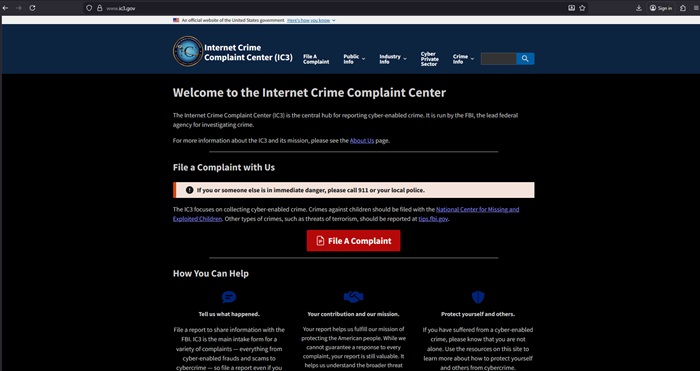
In the United States, victims of online scams should first contact their bank or financial institution immediately to attempt a reversal or freeze of funds. After that, you should file a complaint with the FBI’s Internet Crime Complaint Center (IC3). IC3 does not directly investigate every case, but it analyzes reports and distributes them to federal, state, or international law enforcement agencies when patterns are detected. You should also report to the Federal Trade Commission (FTC), which tracks consumer fraud and identity theft trends. If identity theft is involved, IdentityTheft.gov provides recovery plans. In urgent cases involving active fraud or threats, contact local police immediately.
IC3 : https://www.ic3.gov
FTC : https://reportfraud.ftc.gov
Helpline Number : (202) 324-3691
🇨🇦 Canada
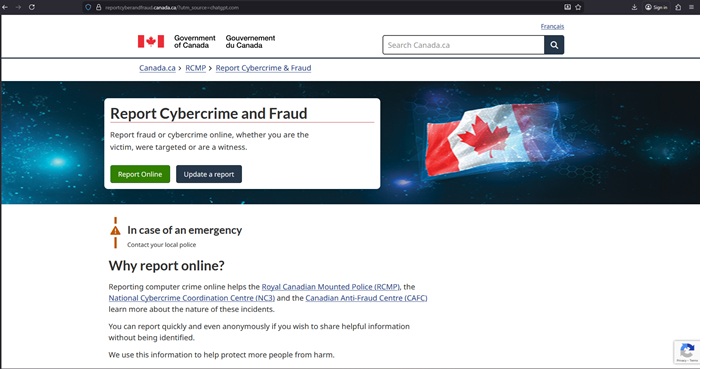
In Canada, scam victims should first notify their bank to try to stop or reverse transactions. Then, report the incident to the Canadian Anti-Fraud Centre (CAFC), which collects intelligence on fraud nationwide. While CAFC does not directly return funds, it shares information with law enforcement agencies to investigate large scam networks. Victims should also file a report with their local police department, especially if financial loss is significant. Canada has strong cooperation between financial institutions and police for freezing suspicious transfers when reported quickly.
Report Portal:https://reportcyberandfraud.canada.ca
Phone: 1-888-495-8501
🇬🇧 United Kingdom
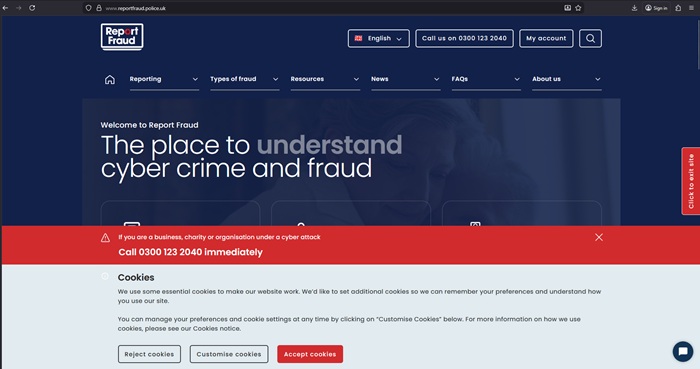
In the UK, victims must immediately contact their bank, especially if the fraud involves Faster Payments or bank transfers. Many UK banks follow the Contingent Reimbursement Model, which may refund victims of authorized push payment fraud under certain conditions. After contacting your bank, file a report through Report Fraud (formerly Action Fraud). Reports are reviewed by the National Fraud Intelligence Bureau, which identifies criminal patterns. If the scammer is still actively targeting you or threats are involved, call 999 immediately.
Website: https://www.reportfraud.police.uk
Phone: 0300 123 2040
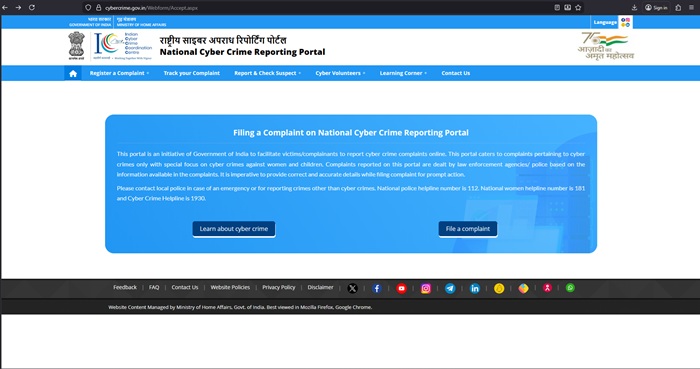
🇮🇳 India
India has one of the fastest financial fraud response systems through helpline 1930. If you call immediately after a fraudulent transfer, authorities can sometimes freeze funds before they are withdrawn. After calling the helpline, victims should submit a detailed complaint through the National Cybercrime Reporting Portal. The case may be assigned to local cybercrime police units for investigation. Providing transaction IDs and bank details increases recovery chances.
Portal: https://www.cybercrime.gov.in
Emergency Helpline: 1930
🇦🇺 Australia
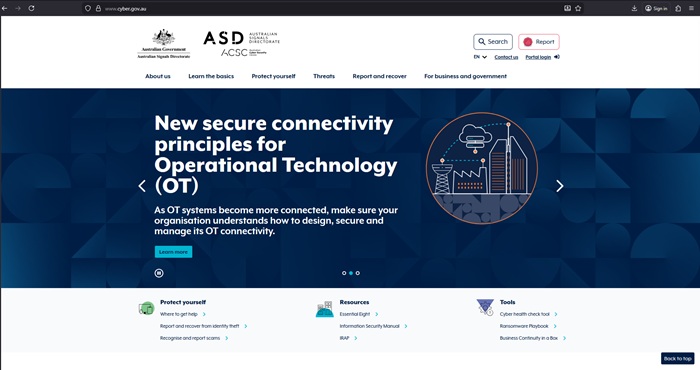
Australians should contact their bank first, especially if the scam involves PayID, bank transfer, or card fraud. After that, report to Scamwatch and also to ReportCyber via the Australian Cyber Security Centre. Scamwatch collects data and issues public warnings, while ReportCyber sends cases to relevant police authorities. Some banks may reimburse victims depending on circumstances and speed of reporting.
Federal Guidance: https://www.cyber.gov.au
Hotline : 1300 292 371
🇫🇷 France
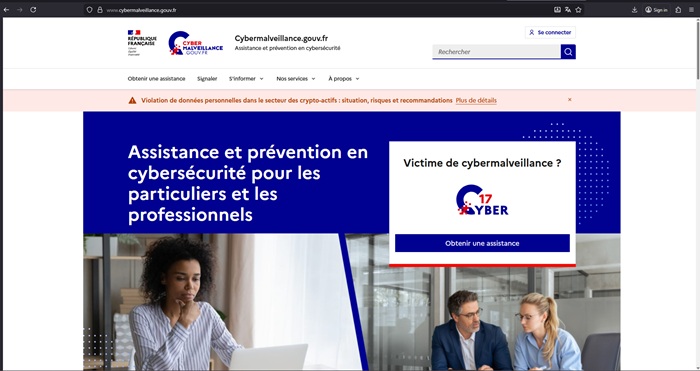
France provides assistance through Cybermalveillance.gouv.fr, which guides victims on next steps and security protection. However, to start a formal investigation, victims must file an official complaint (plainte) through the public service portal or directly at a police station. French banks may attempt chargebacks for card fraud if reported quickly.
Assistance Portal: https://www.cybermalveillance.gouv.fr
Public Service: https://www.service-public.fr
🇸🇬 Singapore
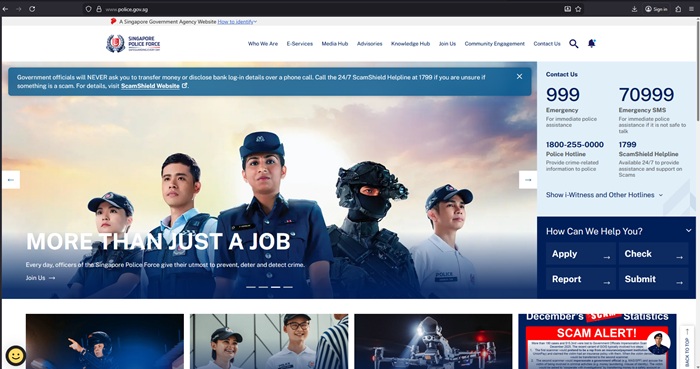
Singapore has a strong anti-scam enforcement system. Victims should immediately call the Anti-Scam Hotline to freeze bank accounts if the transfer is recent. The Singapore Police Force actively investigates digital fraud and works closely with banks to block suspicious accounts. Filing a report quickly significantly increases recovery chances.
Police Website: https://www.police.gov.sg
Hotline: 1800-722-6688
🇳🇿 New Zealand
In New Zealand, victims should report to CERT NZ and also inform their bank. CERT provides guidance and shares intelligence with law enforcement. For financial losses, local police reports are required for insurance claims or further investigation.
CERT NZ: https://www.cert.govt.nz
Police: https://www.police.govt.nz
Phone: (04) 472 6881
🇿🇦 South Africa
South African victims must report to the South African Police Service and obtain a case number. The Financial Intelligence Centre monitors suspicious financial transactions and supports investigations. Banks may assist in reversing fraudulent card payments if reported immediately.
SAPS: https://www.saps.gov.za
FIC: https://www.fic.gov.za
Phone : 011 867 2234
🇧🇷 Brazil
Brazil handles cybercrime at the state level through Civil Police online stations (Delegacia Eletrônica). Victims must file an online complaint and may be required to appear in person. Quick reporting allows banks to attempt blocking fraudulent PIX transfers.
Government Portal: https://www.gov.br
Helpline Number : 190
🇲🇽 Mexico
Mexico’s cybercrime unit (Guardia Nacional CERT-MX) investigates online fraud. Victims should report online and also notify their bank immediately. Some banks may reverse unauthorized card transactions under consumer protection laws.
Portal: https://www.gob.mx/gncertmx
Helpline Number : 911
🇯🇵 Japan
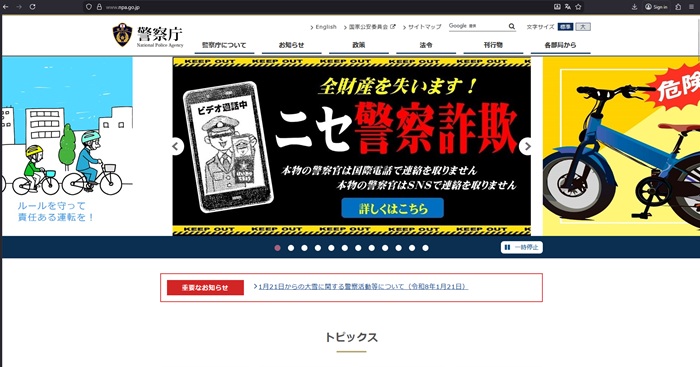
Japan’s National Police Agency oversees cybercrime reporting. Victims typically must visit a local police station to formally register the complaint. Banks may assist with unauthorized transaction claims.
Helpline Number : 110
🇰🇷 South Korea
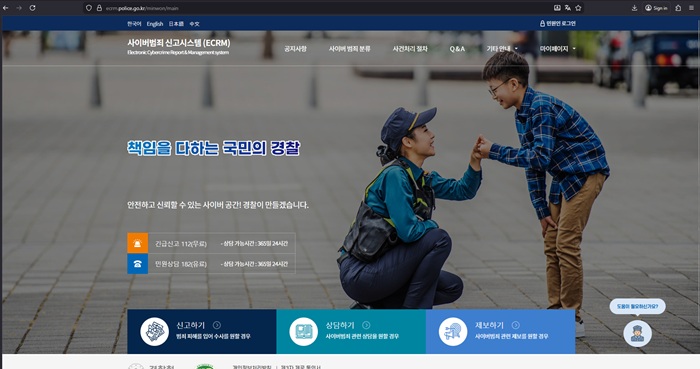
South Korea provides an electronic civil complaint system where victims can submit reports digitally. Authorities are highly active in tracking digital financial crimes. Immediate reporting improves fund recovery possibilities.
E-Complaint: https://ecrm.police.go.kr
Helpline Number : 112
🇦🇪 United Arab Emirates
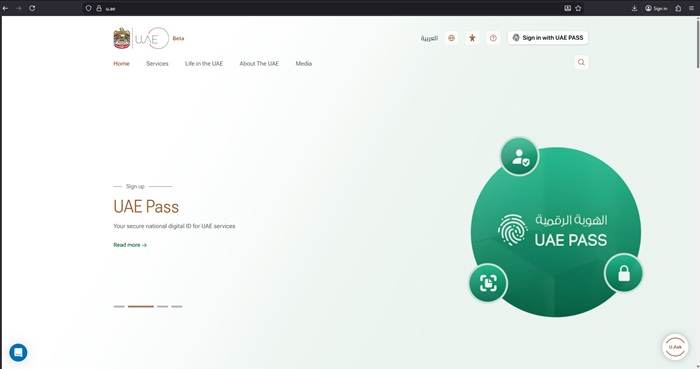
The UAE offers digital reporting via police apps and online portals. Authorities respond quickly to financial fraud cases and may freeze accounts when reported promptly. Victims should also notify their bank without delay.
Portal: https://u.ae
Helpline Number : 999
🇮🇪 Ireland
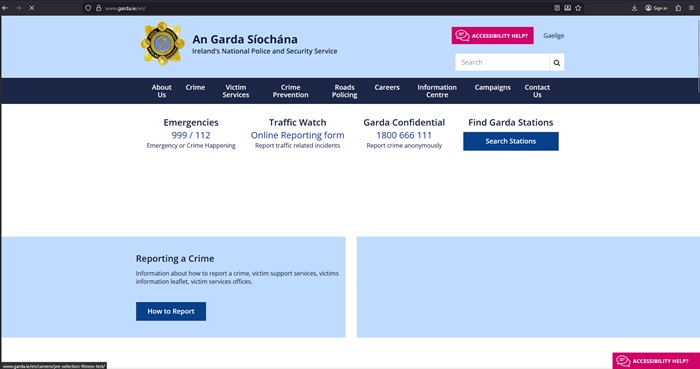
Ireland’s police (An Garda Síochána) handle online fraud cases. Victims must report online or at a local station and contact their bank immediately. Financial institutions cooperate closely with law enforcement.
Garda: https://www.garda.ie
Emergency Number : 999/112
🇳🇬 Nigeria
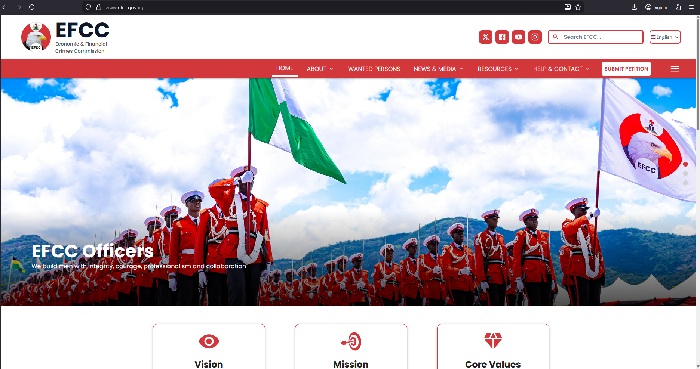
Nigeria’s Economic and Financial Crimes Commission investigates cybercrime and large fraud networks. Victims can submit complaints online. Recovery depends on case complexity and available evidence.
EFCC: https://www.efcc.gov.ng
Number : 08062322911 / +234 9168343711
🇰🇪 Kenya
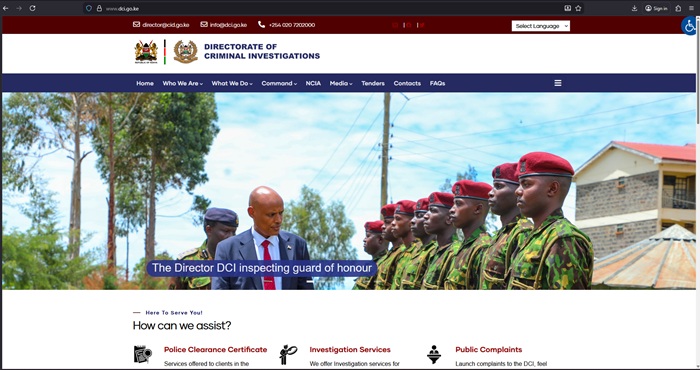
Kenya’s Directorate of Criminal Investigations manages cybercrime reports. Victims should file online and notify their bank. Early reporting may help freeze mobile money transfers.
Number : +254 020 7202000