
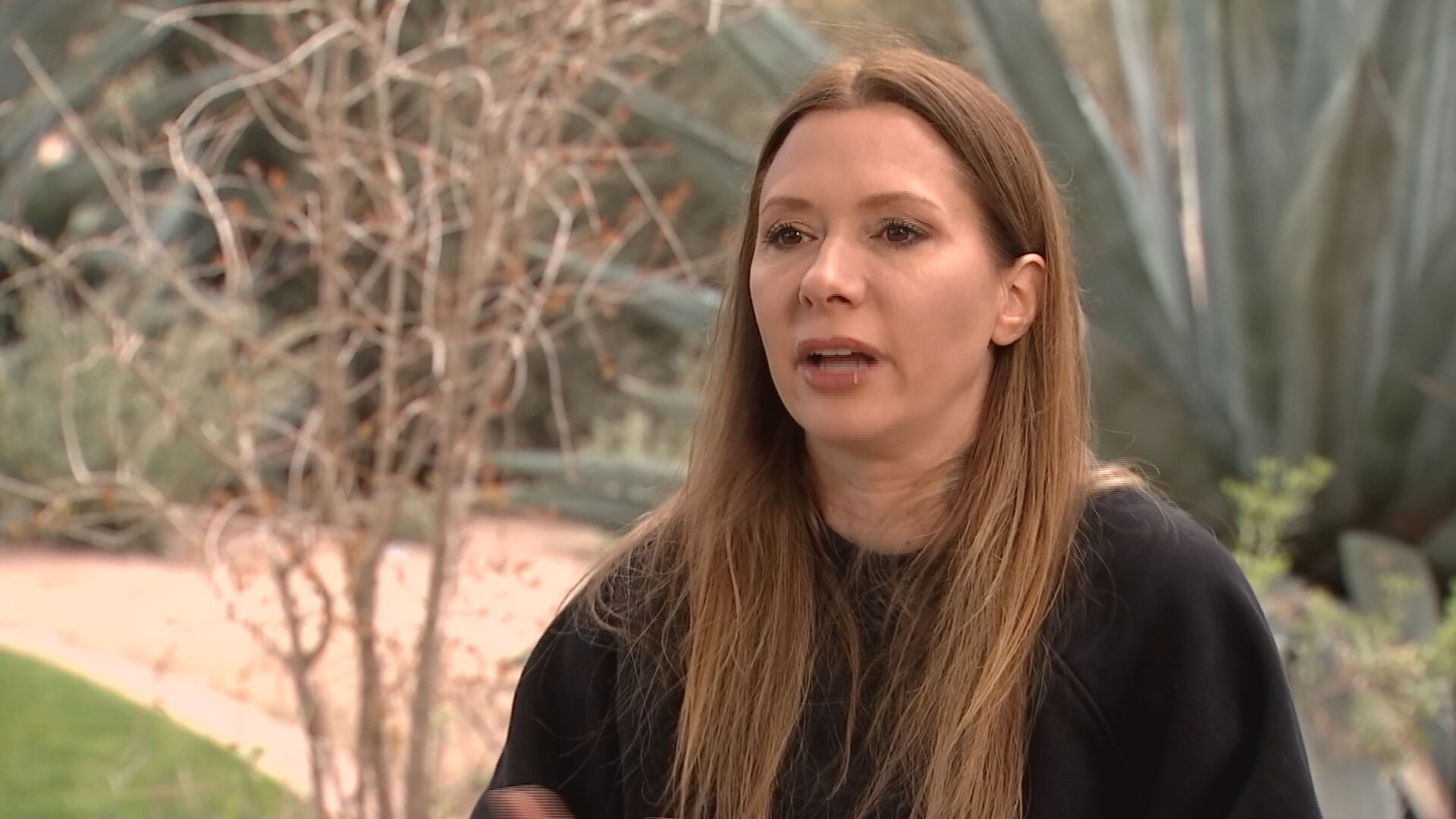
Imagine receiving a phone call and hearing your daughter crying desperately for help, while a stranger threatens to harm her unless you send money immediately. For California mother Deborah Del Mastro, this terrifying situation became a reality when criminals used what she believes was artificial intelligence to imitate her daughter’s voice. The frightening scam left her believing her child had been kidnapped, trapped her in a five-and-a-half-hour ordeal, and cost her family $5,400. Only after transferring the money did she discover that her daughter had been safe at work the entire time.
A Normal Morning Turns Into a Kidnapping Nightmare
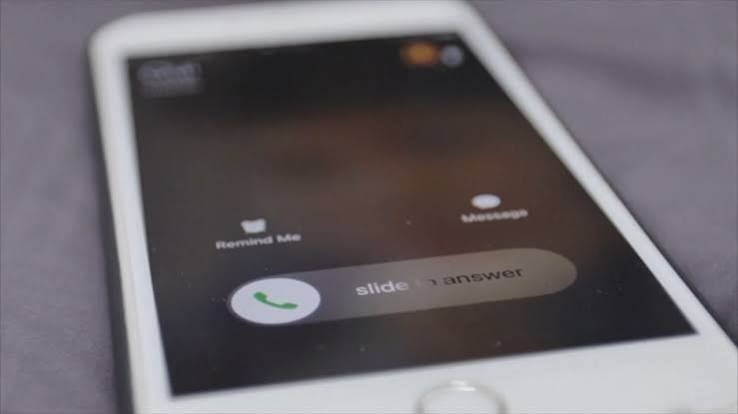
The incident began when Deborah Del Mastro, a California resident and Navy veteran, received an unexpected telephone call while having breakfast. The number appeared to have a local area code, making the call seem less suspicious. When she answered, a man claimed that her 37-year-old daughter, Sarah, had been kidnapped by members of a Mexican drug cartel. Before Deborah could fully understand the situation, she heard what sounded like her daughter’s familiar voice crying in fear. The caller used the apparent distress to convince her that the threat was genuine.
Scammers Allegedly Use AI to Copy Her Daughter’s Voice
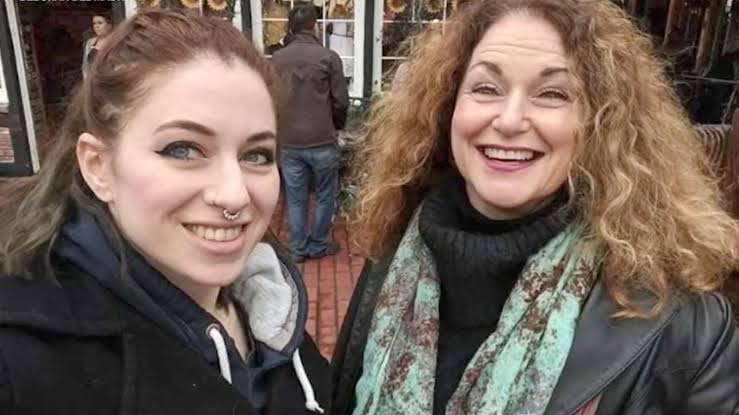
The most disturbing element of the fraud was the voice that Deborah believed belonged to Sarah. She later explained that the crying, emotional tone, and expressions sounded remarkably similar to her real daughter. The scammers appeared to have used voice-cloning technology to create the impression that Sarah was being held captive. Although the use of AI was suspected rather than independently established through a published forensic examination, the deception was convincing enough to make Deborah believe her daughter’s life was in immediate danger.
Criminals Demand $20,000 to Release Her Daughter
After establishing the false kidnapping story, the caller demanded $20,000 and threatened serious consequences if the money was not paid. Deborah explained that she did not have access to such a large amount. Instead of ending the conversation, the criminal continued pressuring her to gather whatever funds she could. The caller reportedly threatened that Sarah could be harmed or trafficked, increasing Deborah’s fear and desperation. With every passing minute, the scammers reinforced the impression that her daughter’s safety depended on immediate payment.
Five-and-a-Half Hours of Fear and Psychological Pressure
For approximately five and a half hours, Deborah and her husband followed the caller’s instructions while attempting to secure the money. The scammer demanded that the phone remain connected and warned against speaking to other people. Deborah was told to keep her device charged so the caller could continue monitoring the situation. This constant communication prevented her from independently verifying the kidnapping claim. By maintaining pressure and discouraging outside contact, the criminal controlled the family’s actions throughout the ordeal.
Mother Transfers $5,400 Through Money Services
Believing that she was protecting her daughter, Deborah traveled between locations to send money as instructed. She reportedly made four separate transfers totaling $5,400 through MoneyGram and Western Union, with the money directed toward Mexico. The caller provided instructions about what she should say if questioned during the transfers. The family used the accessible funds they had available, hoping that complying with the demands would lead to Sarah’s release. Unfortunately, the money transfers were part of the scam, and there was no genuine kidnapping to resolve.
The Shocking Truth: Her Daughter Was Safe at Work
After hours of fear and financial pressure, the scammer eventually claimed that Sarah had been released near a shopping location. Deborah searched for her daughter but could not find her. She finally contacted Sarah directly using her real telephone number. To her enormous relief, Sarah answered and explained that she was safe at work. It was at that moment that Deborah realized she had been deceived. The person crying on the earlier call had not been her daughter, and the kidnapping story had been fabricated to steal money.
How AI Voice-Cloning Scams Are Becoming Dangerous
This case illustrates a growing concern surrounding artificial intelligence and identity impersonation. Modern voice-generation technology can potentially imitate a person’s speaking style using recordings obtained from videos, social media, or other audio sources. Criminals can combine these techniques with threatening telephone calls, fabricated emergencies, and emotional manipulation. Families may find it difficult to distinguish genuine distress from digitally generated audio when they are frightened and pressured to respond immediately. The California case demonstrates that hearing a familiar voice is no longer sufficient proof that the person speaking is genuine.
Why This Scam Should Concern Every Family
The criminals did not need to physically approach Deborah or her daughter to create an extremely frightening situation. They relied on a telephone call, a convincing voice, and psychological pressure to gain control. By demanding immediate action and preventing communication with others, the scammers made it difficult for the family to check the facts. Deborah’s experience shows that even individuals with previous military experience and an awareness of personal security can be deceived when criminals exploit concern for a loved one.
How to Protect Yourself From Fake Kidnapping Scams
If someone calls claiming that a family member has been kidnapped, try to verify the person’s location through a separate, trusted communication channel. Contact the relative directly or reach someone who is likely to be with them. Do not rely only on a familiar-sounding voice, especially when the caller demands secrecy, urgent payment, or continuous telephone contact. Families can also establish a private verification word to use during emergencies. Anyone receiving a threatening ransom call should contact law enforcement immediately instead of following unverified payment instructions.
Conclusion: One Fake Voice Caused Hours of Terror
Deborah Del Mastro’s experience highlights how impersonation scams can cause emotional trauma alongside financial losses. Her daughter was never kidnapped, yet the scammers successfully convinced her that Sarah was in immediate danger. Over five hours, they manipulated a mother’s fear and obtained $5,400 through fraudulent transfers. The incident serves as a warning that technology can be used to imitate someone we trust, making independent verification more important than ever.