
https://www.ripandscam.com/scammers-gen-stanley_Donald-10471.php
Report :
I never imagined I would become the kind of person who falls into something like this. I’ve always considered myself cautious, aware, and able to recognize when something doesn’t feel right. But this experience has shown me just how convincing and calculated these scammers can be.
It started innocently enough. I received a friend request on Facebook from someone claiming to be a high-ranking U.S. Army general. The profile looked official at first glance—photos in uniform, posts about military life, and a tone that suggested authority and discipline. There was even a sense of pride in the way the account was presented. I remember thinking it was unusual, but also flattering, that someone like that would reach out to me.
Not long after I accepted the request, he began messaging me. His words were polite, respectful, and carefully chosen. He introduced himself as a four-star general stationed in Afghanistan, working on what he called “Afghanistan Freedom.” He spoke about his duties, the challenges of being away from home, and how lonely it felt to not have someone to talk to. At first, I kept my guard up, but over time, his consistency made him seem real.
He would message me daily. He asked about my life, my feelings, my struggles. He remembered small details and brought them up later, which made me feel seen and understood. It felt like he genuinely cared. Looking back now, I realize this was part of the manipulation—building emotional trust slowly, making me comfortable.
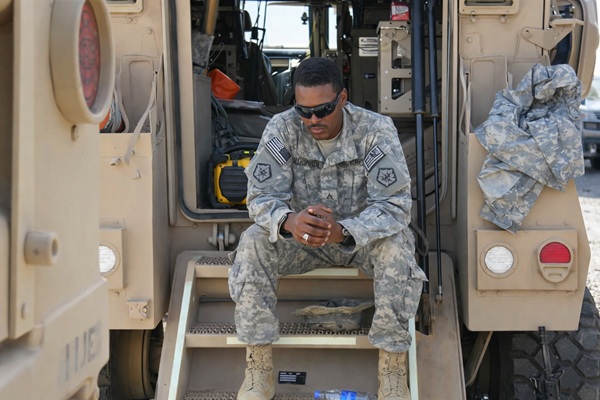
What made it even more convincing was the image he used. It showed a man in a military uniform, sitting at the back of a military vehicle, looking serious and composed. It looked authentic—something you would expect from someone actually serving. I had no reason at the time to think the photo was stolen.
As days turned into weeks, the conversations became more personal. He began expressing deeper feelings, telling me how special I was to him, how he hadn’t felt this connection with anyone else. I found myself believing him. It didn’t feel rushed—it felt like something that developed naturally, which made it harder to question.
But slowly, things started to feel off.
For someone claiming to be a high-ranking officer, there were inconsistencies. His grammar would sometimes slip in strange ways. Certain details about his supposed role didn’t quite add up. He avoided video calls, always having an excuse—security reasons, poor connection, restricted access. At first, I accepted these explanations, but doubt started to creep in.
I also noticed his Facebook profile had very few friends—only around two dozen—and most of them were women. That stood out to me. It didn’t match the image of someone with a long military career and broad connections. It felt staged.
The turning point came when he began hinting at needing help. It wasn’t direct at first. He spoke about difficulties accessing funds, about being stuck in a situation where he couldn’t solve a problem on his own. Then eventually, the request became clear—he needed money.
That’s when everything clicked.
The emotional connection, the constant communication, the carefully crafted persona—it was all leading to this. It wasn’t about friendship or love. It was about gaining my trust so he could take advantage of it.
I felt a mix of emotions—shock, embarrassment, anger. I couldn’t believe I had let it get that far. Even though I hadn’t sent any money, the realization that I had been manipulated was deeply unsettling. It made me question my judgment and left me feeling vulnerable.
After that, I started digging deeper. I looked at the photo he used and realized it could easily have been taken from somewhere else. The name he gave didn’t align with any verifiable records of a real four-star general. The story he told didn’t hold up under scrutiny.
It became clear that this was a fake identity, created by someone with the sole intention of targeting women, building emotional connections, and eventually asking for money.
What disturbed me the most was how systematic it all seemed. The profile was new, the friend list carefully curated, the approach methodical. It wasn’t random—it was deliberate. He knew exactly what to say and when to say it. This wasn’t his first time doing this.
I also realized I probably wasn’t the only one. If most of his friends were women, then others were likely being targeted in the same way. That thought made it even more important for me to speak up and report it.
This experience has been a hard lesson. It showed me how easy it is to be drawn in when someone takes the time to build trust and create a sense of connection. It also highlighted how important it is to question things that don’t quite add up, even when everything seems convincing on the surface.
I want others to understand that these scammers are patient and strategic. They don’t rush. They take their time to make everything feel real. And that’s exactly why it’s dangerous.
If something feels off, it probably is. No real military officer will reach out randomly and build a personal relationship like that. No legitimate situation will require sending money to someone you’ve never met in person.
I’m sharing this not because I’m proud of what happened, but because I don’t want anyone else to go through the same experience. It’s easy to think “this could never happen to me,” but the truth is, it can happen to anyone under the right circumstances.
What matters is recognizing it before it goes too far.
This was a scam. The profile was fake. The photo was stolen. And the intention was clear—to manipulate, to deceive, and ultimately to steal.
I’m grateful I realized it in time. But I won’t forget how real it felt while it was happening—and how dangerous that can be.
Scammer 2 :
https://www.ripandscam.com/scammers-crouch-allen-10473.php
Report :
I am writing this report to share my experience with an individual who presented himself online under the name “Crouch Allen.” I believe this person is involved in a romance scam and is targeting women for financial gain under false pretenses.
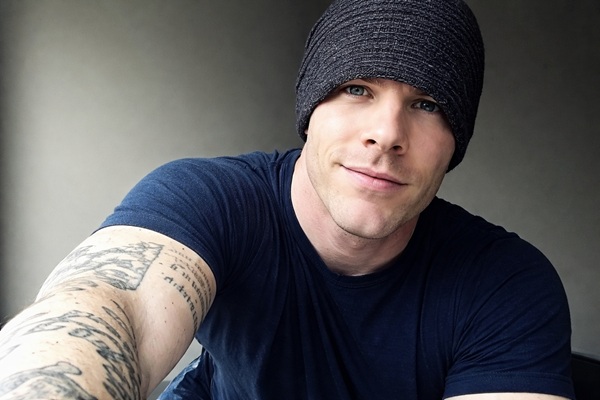
I first came across this individual on Facebook. His profile appeared convincing at first glance. He used photos of a man who looked like a member of the U.S. Army, and his profile stated that he was from New York, New York. He also claimed to be currently on a mission in Nigeria. His page included basic personal details, and nothing immediately raised suspicion. Like many others, I initially believed I was speaking to a real person serving overseas.
After connecting, he began messaging me. At first, the conversations were friendly and respectful. He spoke in a way that seemed genuine and caring. Over time, he became more personal, expressing strong interest and quickly building emotional rapport. He often mentioned how difficult his situation was, being deployed and away from home, and how he was looking for someone he could trust and eventually build a future with.
However, as our conversations continued, I began to notice inconsistencies. His stories about his military role were vague and sometimes contradictory. When I asked specific questions about his service, he either avoided answering directly or gave unclear responses. Despite claiming to be in the U.S. Army, he did not seem to have basic knowledge one would expect from someone in that position.
The biggest red flag came when he started asking for money. He explained that he was facing financial difficulties while on his “mission” in Nigeria. He claimed he needed assistance to cover certain expenses and requested that I send money through Western Union. He provided the name “Adamu Olakitan” as the recipient and instructed me to send the funds to Nigeria.
At that point, I became extremely suspicious. It did not make sense that a U.S. Army officer would need financial help from someone he had just met online, especially asking for money to be sent to a third party in another country. I also found it strange that he could not access official military support or banking systems if his story were true.
I decided to investigate further. I searched for similar cases and discovered that this pattern is very common in online romance scams. Scammers often pose as military personnel, build emotional connections quickly, and then create urgent situations to request money. The use of third-party names and money transfer services like Western Union is also a known tactic, as it makes it difficult to trace and recover the funds.
Additionally, I learned that the photos used on his profile are likely stolen. Scammers frequently take images from real people’s social media accounts to create fake identities. This explained why the profile seemed real at first but lacked depth and authenticity upon closer inspection.
When I confronted him about these concerns, his behavior changed. He became defensive and tried to pressure me into sending the money quickly. He also attempted to make me feel guilty, suggesting that I did not care about his situation or that I was abandoning him. This emotional manipulation further confirmed that his intentions were not genuine.
At this point, I stopped all communication with him. I did not send any money, and I reported the account to Facebook. I also want to warn others about this type of scam, as it can be very convincing and emotionally manipulative.
This experience has taught me how important it is to be cautious when interacting with people online, especially those who quickly develop emotional connections and ask for financial help. No legitimate military personnel will ask for money in this manner, and any request to send money to another country through unofficial channels should be treated as a serious warning sign.
I strongly believe that this account is operated by a scammer, likely based in West Africa, who is targeting multiple victims using the same method. The goal is to gain trust, create emotional dependency, and then exploit that trust for financial gain.
I am sharing this report in hopes that it will help others recognize similar scams and avoid becoming victims. If anyone encounters a situation like this, I encourage them to stop communication immediately, avoid sending any money, and report the account to the appropriate platform.