

Recovery of money lost to scams improves when victims act quickly and report through official channels. Immediate reporting helps banks initiate chargebacks, reversals, or fraud investigations aimed at recovering stolen funds. Below are trusted government reporting portals that support scam complaints and financial recovery efforts. Using verified authorities increases the chances of successful recovery and legal action.
Here are official government scam reporting websites:
Report the Crime to Authorities in Your Country
Official reports help police track and potentially recover funds or arrest perpetrators.
🇺🇸 United States
In the United States, lottery scams — such as fraudulent prize notifications, emails or SMS messages claiming you have won a lottery you did not enter, impersonation of recognised lottery operators, or demands for “processing,” “tax,” or “release” fees before winnings are issued — are regarded as serious offences under federal and state laws addressing fraud, wire fraud, and identity theft. Fraudsters frequently pose as legitimate organisations, including state lottery agencies, international sweepstakes, banks, courier services, or government bodies, to persuade victims to send money or reveal personal and financial information.
If you are in immediate danger, experiencing threats, or facing extortion, call 911, the national emergency number, for urgent police assistance.
For non-emergency matters, lottery fraud should be reported to the Federal Trade Commission (FTC) at reportfraud.ftc.gov, where complaints are collected to monitor scam trends and support enforcement actions. You may also submit a report to the FBI’s Internet Crime Complaint Center (IC3) at www.ic3.gov, particularly if the scam involved online communication or resulted in financial loss.
In addition, consider notifying your state Attorney General’s Office, and if the fraud involved impersonation of a legitimate lottery, inform the appropriate state lottery commission so they can issue warnings and assist with prevention efforts.
Report & Help:
- FTC – Report Fraud
https://reportfraud.ftc.gov
Phone: 1-877-FTC-HELP (1-877-382-4357) - FBI Internet Crime Complaint Center (IC3)
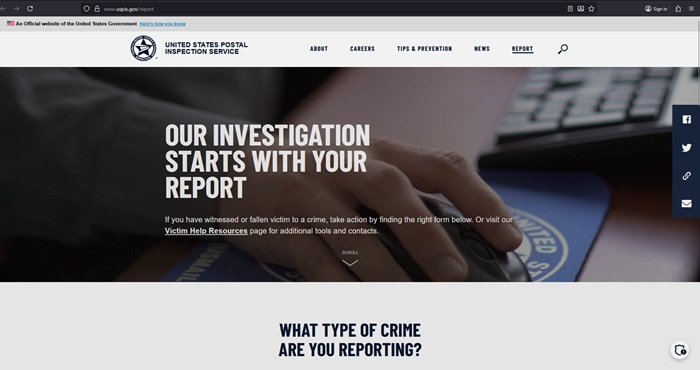
https://www.ic3.gov/Home/FileComplaint - Scam happened through Mail : https://www.uspis.gov/report
These reports create official documentation that supports recovery investigations.
🇨🇦 Canada
In Canada, lottery scams — such as fraudulent prize notifications, emails or SMS messages claiming you have won a lottery you did not enter, impersonation of recognised lottery operators, or requests for “processing,” “tax,” or “release” fees before winnings are issued — are considered criminal offences under legislation addressing fraud and identity theft, including the Criminal Code of Canada. Fraudsters frequently pose as legitimate lottery organisations, provincial lottery corporations, international draws, banks, courier services, or government bodies to persuade victims to send money or reveal personal and financial details.
If you are in immediate danger, experiencing threats, or facing extortion, call 911, Canada’s emergency number, for urgent police assistance.
For non-emergency matters, lottery fraud should be reported to the Canadian Anti-Fraud Centre (CAFC), which gathers information on scams and works with law enforcement agencies. Reports can be submitted online or by telephone. When filing a complaint, include comprehensive evidence such as the phone numbers or email addresses involved, screenshots of messages, copies of correspondence, proof of payments, bank transaction records, and any other relevant documentation.
You should also notify your local police service, especially if you have suffered financial loss. Providing detailed records and supporting documents can help authorities investigate the case effectively.
Report & Help:
- Canadian Anti-Fraud Centre (CAFC)
https://antifraudcentre-centreantifraude.ca/report-signalez-eng.htm
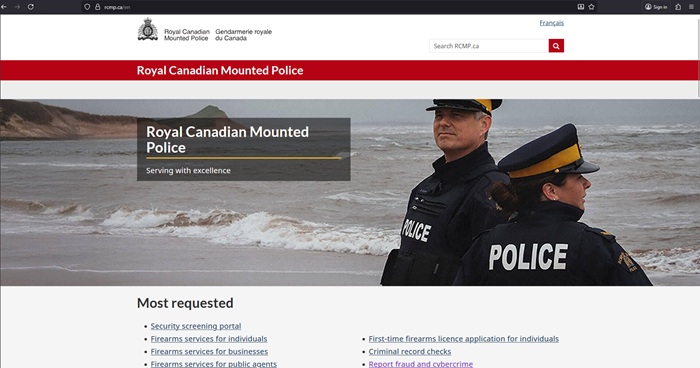
Phone: 1-888-495-8501 - Royal Canadian Mounted Police : https://rcmp.ca/en
CAFC shares reports with law enforcement and may support financial traces.
🇬🇧 United Kingdom
In the United Kingdom, lottery scams — such as fraudulent prize notifications, emails or SMS messages claiming you have won a lottery you did not enter, impersonation of recognised lottery operators, or demands for “processing,” “tax,” or “release” fees before winnings are issued — are regarded as serious offences under legislation addressing fraud and cybercrime, including the Fraud Act 2006. Fraudsters frequently pose as legitimate organisations, such as the National Lottery, international lottery providers, banks, courier services, or government bodies, to persuade victims to send money or disclose personal and financial information.
If you are in immediate danger, experiencing threats, or facing extortion, call 999, the UK’s emergency number, for urgent police assistance.
For non-emergency matters, lottery fraud should be reported to Action Fraud, the UK’s central reporting service for fraud and cybercrime. Complaints can be submitted online via the official Action Fraud website or by telephone. Reports are reviewed by the National Fraud Intelligence Bureau (NFIB) for analysis and potential investigation. When lodging a complaint, provide comprehensive evidence such as the phone numbers or email addresses involved, screenshots of messages, copies of correspondence, proof of payments, bank transaction details, and any other relevant documentation.
If you are in Scotland, fraud can be reported directly to Police Scotland by calling 101, the non-emergency police number.
Report & Help:
- Action Fraud (National Fraud Reporting Centre)
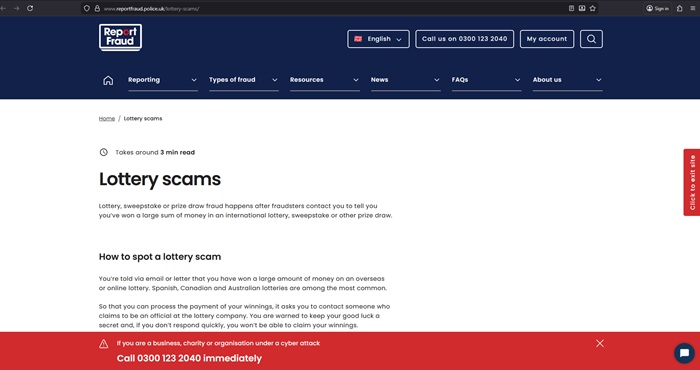
https://www.actionfraud.police.uk/reporting-fraud-and-cyber-crime - https://www.reportfraud.police.uk/lottery-scams/
Phone: 0300 123 2040
Under UK banking guidelines, your bank may refund victims under certain conditions.
🇮🇳 India
In India, lottery scams — such as fraudulent prize notifications, SMS or email messages claiming you have won a lottery you did not enter, impersonation of international lottery bodies, or requests for “processing,” “tax,” or “release” fees before winnings are issued — are regarded as criminal offences under laws addressing cheating, fraud, and cybercrime, including the Indian Penal Code (IPC) and the Information Technology Act, 2000. Fraudsters often pose as foreign lottery organisations, government departments, banks, courier services, or telecom promotions to persuade victims to transfer money or disclose personal and financial information.
If you are in immediate danger, experiencing threats, or facing extortion, call 112, India’s national emergency helpline, for urgent assistance.
For cases involving financial cyber fraud, including lottery scams, you should promptly contact the National Cyber Crime Helpline at 1930. Early reporting may help authorities take steps to freeze or trace funds, particularly in situations involving digital payments or bank transfers.
You can also submit a complaint through the National Cyber Crime Reporting Portal at www.cybercrime.gov.in. When filing a report, include comprehensive evidence such as the phone numbers or email addresses involved, screenshots of messages, copies of correspondence, proof of payments, bank transaction details, and any other relevant documentation.
Additionally, you may lodge a formal complaint with your local police station or Cyber Crime Cell, especially if you have suffered financial loss. Retaining all supporting documents will assist investigators in handling the case effectively.
Report & Help:
- National Cyber Crime Helpline: 1930
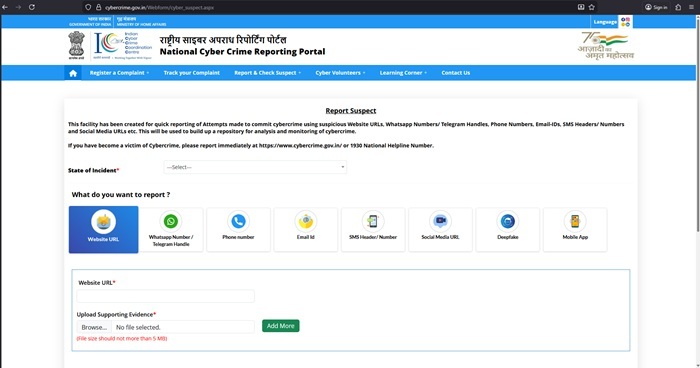
- National Cyber Crime Portal
https://cybercrime.gov.in / https://cybercrime.gov.in/Webform/cyber_suspect.aspx
Prompt reporting to the cybercrime portal greatly improves chances of tracing funds.
🇦🇺 Australia
In Australia, lottery scams — such as fraudulent prize alerts, emails or SMS messages claiming you have won a lottery you did not enter, impersonation of recognised lottery operators, or demands for “processing,” “tax,” or “release” fees before winnings are provided — are considered serious offences under legislation dealing with fraud and cybercrime. Fraudsters often pose as legitimate lottery providers, international draws, banks, courier services, or government bodies to persuade victims to send money or disclose personal and financial information.
If you suspect you have been targeted by a lottery scam or have already sent money or shared sensitive details, you should take immediate action.
If you are in immediate danger, experiencing threats, or facing extortion, call 000, Australia’s national emergency number, for urgent police assistance.
For non-emergency matters, lottery fraud should be reported through ReportCyber, the Australian Government’s official cybercrime reporting platform at www.cyber.gov.au/report. Reports are reviewed by the Australian Cyber Security Centre (ACSC) and may be referred to the relevant state or territory police for investigation. When lodging a complaint, provide comprehensive evidence such as the phone numbers or email addresses involved, screenshots of messages, copies of correspondence, proof of payments, bank transaction records, and any other relevant documentation.
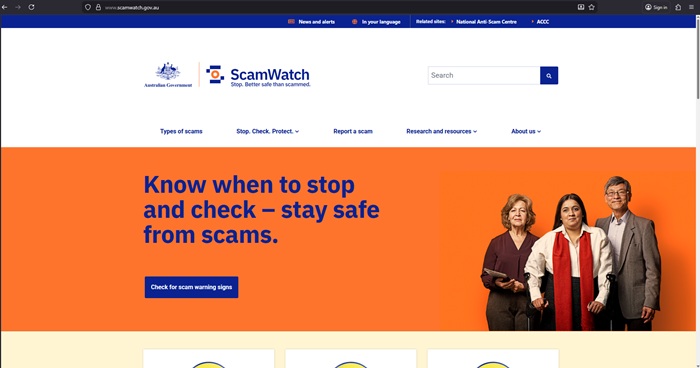
You are also encouraged to report the scam to Scamwatch, operated by the Australian Competition and Consumer Commission (ACCC) at www.scamwatch.gov.au, which gathers scam reports to issue public warnings and help prevent further fraudulent activity.
Report & Help:
- ReportCyber – Australian Cyber Security Centre
https://www.cyber.gov.au/report
Phone: 1300 292 371 - Scamwatch (ACCC)
https://www.scamwatch.gov.au/report-a-scam
These reports help banks track fraud patterns and can prompt investigation.
🇫🇷 France
In France, lottery scams — such as fraudulent prize announcements, emails or SMS messages claiming you have won a lottery you did not enter, impersonation of recognised French or international lottery operators, or demands for “processing,” “tax,” or “release” fees before winnings are issued — are regarded as criminal offences under legislation addressing fraud and cybercrime. Fraudsters frequently pose as organisations like Française des Jeux (FDJ), international lottery providers, banks, courier companies, or government authorities to persuade victims to send money or reveal personal and financial details.
If you are in immediate danger, experiencing threats, or facing extortion, call 17 (Police) or 112, the European emergency number, for urgent assistance.
For non-emergency matters, lottery fraud can be reported through the French government’s online reporting service THESEE (Traitement Harmonisé des Enquêtes et des Signalements pour les E-escroqueries). You may also lodge a formal complaint at your local police station (commissariat) or gendarmerie. When making a report, include comprehensive evidence such as the phone numbers or email addresses involved, screenshots of messages, copies of correspondence, proof of payments, bank transfer details, and any other relevant documentation.
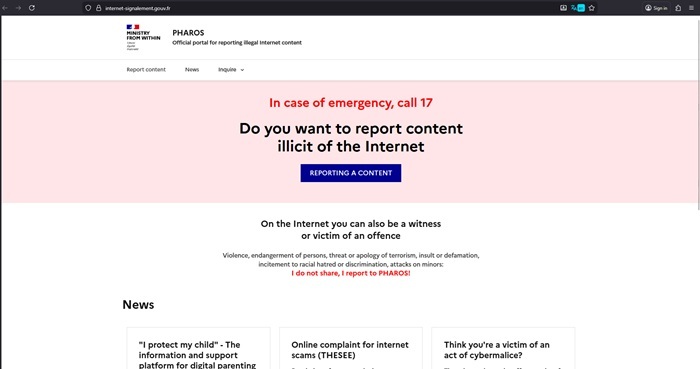
Suspicious websites, phishing emails, or other online scam activity can additionally be reported via the official internet platform PHAROS (Internet-signalement.gouv.fr), which is responsible for handling reports of illegal online content and cybercrime.
Report & Help:
- Cybermalveillance.gouv.fr
https://www.cybermalveillance.gouv.fr - Service-Public (Fraud Reporting)
https://www.service-public.fr/particuliers/vosdroits/F1520 - https://internet-signalement.gouv.fr
These government portals coordinate fraud cases with law enforcement.
🇸🇬 Singapore
In Singapore, lottery scams — such as fraudulent prize alerts, SMS or email messages claiming you have won a lottery you did not enter, impersonation of recognised lottery operators, or demands for “processing,” “tax,” or “release” fees before winnings are issued — are regarded as serious offences under laws addressing cheating, fraud, and cybercrime. Fraudsters frequently pose as legitimate lottery organisations, international draws, banks, courier services, or government agencies to persuade victims to transfer money or disclose personal and financial details.
If you are in immediate danger, experiencing threats, or facing extortion, call 999, Singapore’s police emergency number, for urgent assistance.
For non-emergency matters, lottery fraud should be reported to the Singapore Police Force (SPF). You can submit a report online through the SPF e-Services portal or visit your nearest Neighbourhood Police Centre or Police Post to file a formal complaint. When making a report, provide comprehensive evidence such as the phone numbers or email addresses involved, screenshots of messages, copies of correspondence, proof of payment, bank transaction records, and any other relevant documentation.
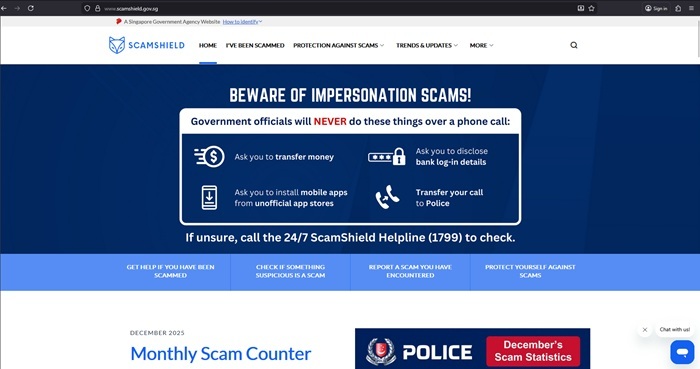
You may also share scam-related information through ScamShield or the Scam Alert website operated by the National Crime Prevention Council, which offers guidance on recognising and preventing scams.
Report & Help:
- Singapore Police Force – Scam Reporting
https://www.police.gov.sg/Advisories/Scams
Anti-Scam Hotline: 1800-722-6688
Authorities can sometimes work with banks to freeze suspect accounts.
🇳🇿 New Zealand
In New Zealand, lottery scams — such as fraudulent prize alerts, emails or text messages claiming you have won a lottery you did not enter, impersonation of recognised lottery operators, or demands for “processing,” “tax,” or “release” fees before winnings are issued — are regarded as criminal offences under legislation addressing fraud and cybercrime. Fraudsters often pose as official lottery providers, including Lotto NZ, international lottery organisations, banks, courier services, or government bodies to persuade victims to send money or disclose personal and financial information.
If you are in immediate danger, experiencing threats, or facing extortion, call 111, New Zealand’s emergency number, for urgent police assistance.
For non-emergency matters, lottery fraud should be reported to the New Zealand Police. You can submit a complaint online through the official Police website or visit your nearest police station to file a formal report. When lodging a complaint, provide comprehensive evidence such as the phone numbers or email addresses involved, screenshots of messages, copies of correspondence, proof of payments, bank transfer details, and any other relevant documentation.
You may also notify Netsafe, New Zealand’s online safety organisation, which offers advice and support to individuals affected by online scams.
Report & Help:
- Netsafe – Online Reporting
https://www.netsafe.org.nz/report/ - New Zealand Police (105)
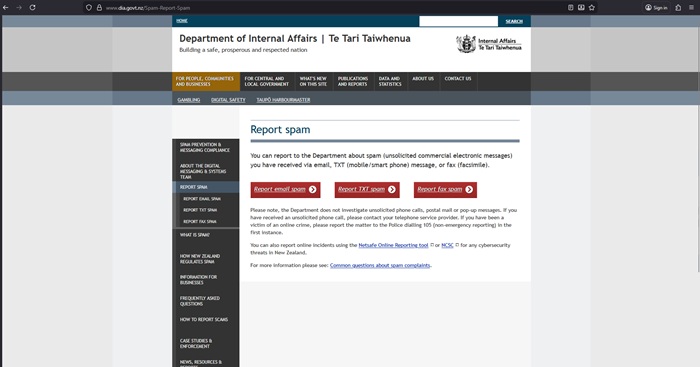
https://www.police.govt.nz/use-105 - https://www.dia.govt.nz/Spam-Report-Spam
Phone: 105
Police and Netsafe collaborate on digital fraud cases.
🇿🇦 South Africa
In South Africa, lottery scams — such as fraudulent prize notifications, SMS or email messages claiming you have won a lottery you did not enter, impersonation of recognised lottery operators, or demands for “processing,” “tax,” or “release” fees before winnings are issued — are considered criminal offences under legislation addressing fraud and cybercrime. Fraudsters frequently pose as the National Lottery, international lottery bodies, banks, courier companies, or government departments to trick victims into sending money or revealing personal and financial information.
If you are in immediate danger, experiencing threats, or facing extortion, call 10111, South Africa’s police emergency number, for urgent assistance.
For non-emergency matters, lottery fraud should be reported to the South African Police Service (SAPS) by visiting your nearest police station to register a criminal case. When lodging a complaint, provide comprehensive evidence such as the phone numbers or email addresses involved, screenshots of messages, copies of correspondence, proof of payments, bank transaction records, and any other relevant documentation.
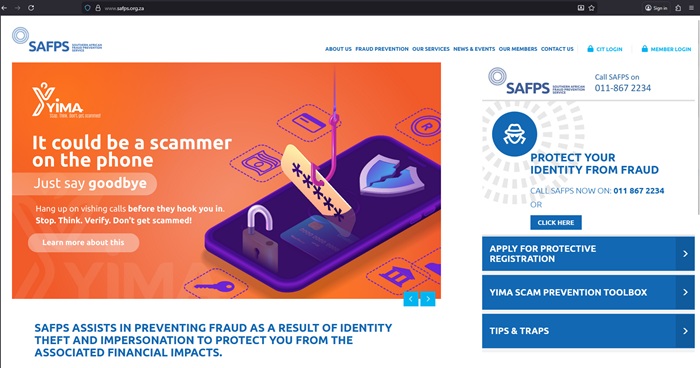
You may also notify the South African Fraud Prevention Service (SAFPS), which offers support to victims of fraud and identity-related offences.
Report & Help:
- SAPS (South African Police Service)
https://www.saps.gov.za
Phone: 10111 - SABRIC – Fraud Reporting Centre
https://www.sabric.co.za
Phone: +27-11-722-3000
SABRIC helps banks coordinate fraud response actions.
🇧🇷 Brazil
In Brazil, lottery scams — such as fraudulent prize alerts, SMS or email messages claiming you have won a lottery you did not enter, impersonation of recognised lottery operators, or requests for “processing,” “tax,” or “release” fees before winnings are issued — are considered criminal offences under legislation addressing fraud and cybercrime, including the Brazilian Penal Code. Fraudsters often pose as official lottery providers (such as Caixa lotteries), international draws, banks, courier companies, or government bodies to deceive victims into sending money or revealing personal and financial information.
If you are in immediate danger, receiving threats, or facing extortion, call 190, Brazil’s Military Police emergency number, for urgent assistance.
For non-emergency matters, lottery fraud should be reported to your local Civil Police (Polícia Civil). You may file a complaint in person at a police station or, in many states, submit an online report known as a Boletim de Ocorrência Eletrônico through your state’s official public security website. When submitting a report, include comprehensive evidence such as the phone numbers or email addresses used, screenshots of messages, proof of payments, bank transfer details, and any other relevant correspondence.
If the scam was carried out online, you can also contact a specialised Cybercrime Unit (Delegacia de Crimes Cibernéticos) in your state, where available, for further investigation and assistance.
Report & Help:
- SaferNet Brazil (Online)
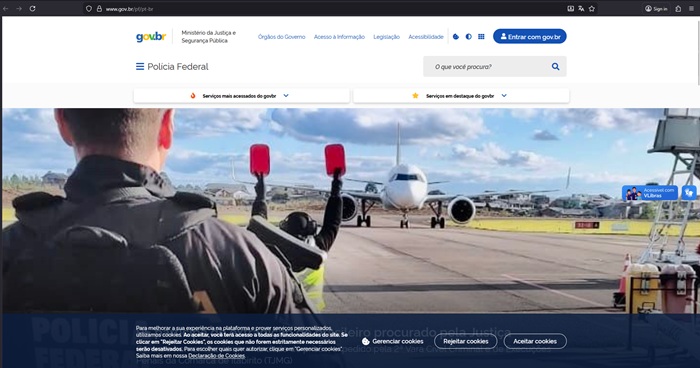
https://new.safernet.org.br/denuncie - Brazilian Federal Police – Fraud Division
https://www.gov.br/pf
Federal police may pursue asset tracing in serious fraud.
🇲🇽 Mexico
In Mexico, lottery scams — such as fraudulent prize notifications, SMS or email messages claiming you have won a lottery you did not enter, impersonation of recognised national or international lottery organisations, or demands for “processing,” “tax,” or “release” fees before winnings are issued — are regarded as criminal offences under legislation addressing fraud and cybercrime. Fraudsters frequently pose as official lottery operators, banks, courier services, media promotions, or government authorities to persuade victims to send money or reveal personal and financial information.
If you are in immediate danger, receiving threats, or facing extortion, call 911, Mexico’s national emergency number, for urgent assistance.
For non-emergency matters, lottery fraud should be reported to the Fiscalía General de la República (FGR) or to your local State Prosecutor’s Office (Fiscalía Estatal). In many states, you can submit a formal complaint (denuncia) either in person or online through the official government website. When filing a report, provide comprehensive evidence such as the phone numbers or email addresses involved, screenshots of messages, copies of correspondence, proof of payments, bank transfer details, and any other relevant communications.
If the scam was carried out online or through digital channels, you may also contact the Policía Cibernética (Cyber Police) at the federal or state level, as they specialise in investigating cyber-related offences.
Report & Help:
- CONDUSEF – Financial Consumer Protection
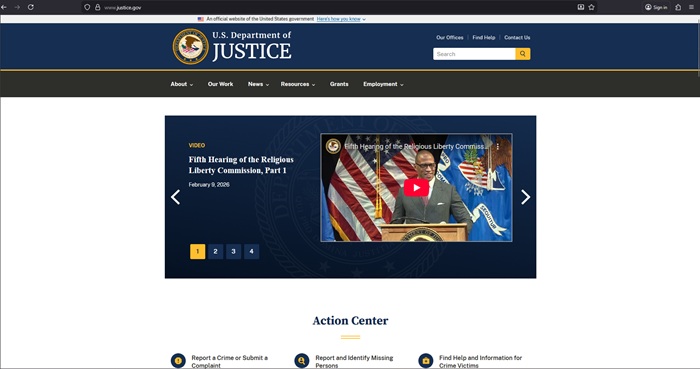
https://www.condusef.gob.mx / https://www.justice.gov
Phone: 55 5340 0999
CONDUSEF helps consumers dispute unauthorized transactions.
🇯🇵 Japan
In Japan, lottery scams — such as fraudulent prize notifications, emails or SMS messages claiming you have won a lottery you did not enter, impersonation of recognised domestic or international lottery bodies, or demands for “processing,” “tax,” or “release” fees before winnings are issued — are regarded as serious offences under legislation addressing fraud and cybercrime. Fraudsters commonly pose as lottery operators, banks, government institutions, or courier companies to trick victims into sending money or revealing personal and financial information.
If you are in immediate danger, receiving threats, or facing extortion, call 110, Japan’s police emergency number, for urgent assistance.
For non-emergency matters, lottery fraud should be reported to your nearest police station (Keisatsu). You may also contact the Cybercrime Consultation Desk (サイバー犯罪相談窓口) operated by your prefectural police, which offers support and guidance on reporting online scams. When submitting a complaint, provide comprehensive evidence such as phone numbers or email addresses used, screenshots of messages, copies of correspondence, bank transfer details, payment confirmations, and any other relevant communications.
You can additionally consult the National Police Agency (NPA) cybercrime reporting services, which coordinate investigations and cybercrime responses across Japan.
Report & Help:
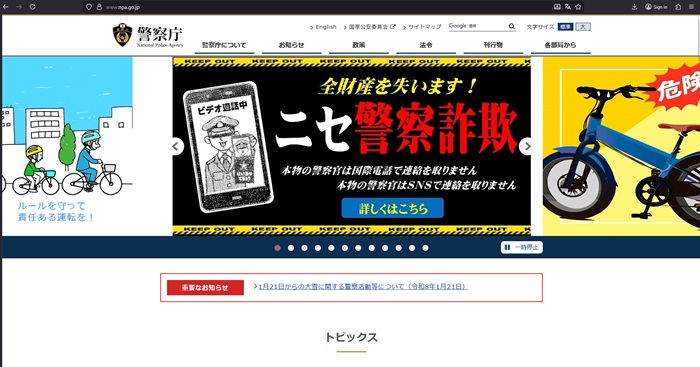
- National Police Agency – Cybercrime Division
https://www.npa.go.jp
Consultation Hotline: #9110
Japanese police investigate digital financial fraud.
🇰🇷 South Korea
In South Korea, lottery scams — such as fraudulent prize alerts, SMS or email messages claiming you have won a lottery you did not enter, impersonation of recognised domestic or international lottery operators, or demands for “tax,” “administration,” or “release” fees before winnings are issued — are considered serious offences under laws dealing with fraud and electronic financial crimes. Fraudsters often pose as lottery organisations, banks, prosecutors, government institutions, or courier services to persuade victims to send money or reveal personal and financial information.
If you are in immediate danger, experiencing threats, or facing coercion, call 112, South Korea’s national police emergency number, for urgent assistance.
For non-emergency matters, lottery fraud should be reported to the Korean National Police Agency (KNPA) by calling 182, the police non-emergency consultation line, or by visiting your local police station to file an official complaint. When making a report, provide comprehensive evidence such as the phone numbers or email addresses used, screenshots of messages, bank transfer details, payment receipts, and any other relevant correspondence.
Financial scams connected to lottery fraud may also be reported to the Financial Supervisory Service (FSS) at 1332, which supports victims and coordinates with banks and law enforcement authorities.
Suspicious texts, phishing links, or fraudulent websites can additionally be reported to the Korea Internet & Security Agency (KISA) through its Cyber Security Hotline at 118, which monitors and responds to online threats and scam activity.
Report & Help:
- Korea National Police Agency
https://www.police.go.kr - Cybercrime Reporting System
https://ecrm.police.go.kr
Phone: 182
They handle online financial fraud and unauthorized transfers.

🇦🇪 United Arab Emirates
In the United Arab Emirates (UAE), lottery scams — such as fraudulent prize notifications, SMS or email messages claiming you have won a lottery, impersonation of international lottery organisers, or demands for “processing” or “release” fees before winnings are issued — are considered serious offences under UAE laws addressing fraud and cybercrime. Fraudsters commonly pose as representatives of global lottery draws, telecom promotions, banks, courier services, or government agencies to deceive victims into sending money or revealing personal and financial details.
If you are in immediate danger, experiencing threats, or facing extortion, call 999, the UAE’s police emergency number, for urgent assistance.
For non-emergency matters, lottery fraud should be reported to your respective Emirate’s Police Authority, as each emirate provides dedicated cybercrime reporting services. Complaints may be submitted through the official websites or mobile applications of Abu Dhabi Police, Dubai Police (via the eCrime platform), or Sharjah Police. Dubai-related cybercrime cases can also be reported through www.ecrime.ae, and reports across the UAE may be filed via the Ministry of Interior (MOI) smart services portal.
If you have transferred funds through a bank or exchange house, contact your bank or financial institution immediately to notify them of the fraud, secure your account, and inquire about the possibility of stopping or recovering the transaction.
Report & Help:
- UAE Ministry of Interior – Cybercrime
https://www.moi.gov.ae - Abu Dhabi Police: 800-2626
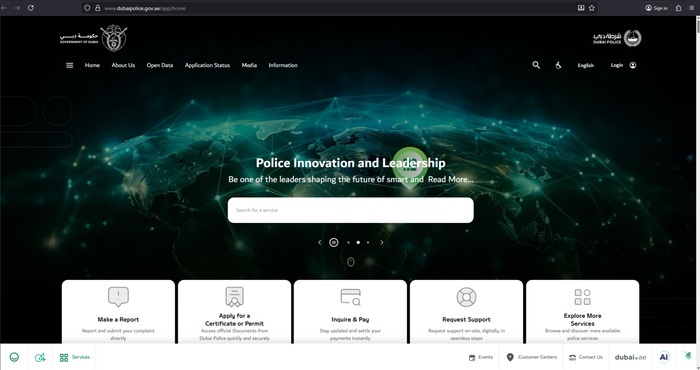
- Dubai Police: https://www.dubaipolice.gov.ae
Authorities may investigate financial fraud linked to digital platforms.
🇮🇪 Ireland
In Ireland, lottery scams — such as fraudulent prize alerts, emails or text messages claiming you have won a lottery you did not enter, impersonation of recognised lottery operators, or demands for “administration” or “release” fees before winnings are issued — are considered criminal offences under legislation dealing with fraud, deception, and cybercrime. Fraudsters often pose as legitimate organisations, including the National Lottery, international lottery providers, banks, courier services, or government bodies, to persuade victims to send money or disclose personal and financial details.
If you are in immediate danger, receiving threats, or facing extortion, call 999 or 112, Ireland’s national emergency numbers, for urgent assistance.
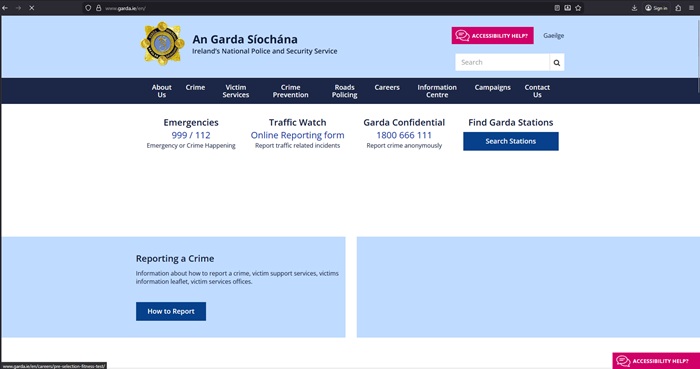
For non-emergency matters, lottery fraud should be reported to An Garda Síochána by contacting your local Garda station to make an official complaint. When filing a report, provide as much supporting evidence as possible, including phone numbers or email addresses used, screenshots of messages, copies of correspondence, proof of payments, bank transaction records, and any other relevant information.
If you have suffered financial loss or made a bank transfer, notify your bank or financial institution immediately so they can secure your account and assess whether the transaction can be halted or reversed.
You may also obtain advice and information from the Competition and Consumer Protection Commission (CCPC), which offers guidance on identifying and avoiding scams.
Report & Help:
- Garda National Cyber Crime Bureau
https://www.garda.ie
Emergency: 999 or 112
Irish cyber units support financial fraud investigations.
🇳🇬 Nigeria
In Nigeria, lottery scams — such as fraudulent prize notifications, SMS or email messages claiming you have won a lottery, impersonation of international lottery bodies, or demands for “processing” or “release” fees before winnings can be paid — are regarded as criminal offences under the Cybercrimes (Prohibition, Prevention, etc.) Act, 2015, along with other laws addressing fraud and obtaining money under false pretences. Fraudsters often pose as foreign lottery organisations, telecom promotions, banks, government institutions, or reputable companies to trick victims into sending money or revealing personal and financial information.
If you are in immediate danger, receiving threats, or facing extortion, call 112, Nigeria’s national emergency number, or 199 (Police Emergency Line, where available), for urgent assistance.
For non-emergency cases, lottery fraud should be reported to the Nigerian Police Force (NPF) by visiting your nearest police station or contacting the National Cybercrime Centre (NPF-NCCC), which investigates cyber-related offences. When making a report, provide comprehensive evidence such as the phone numbers or email addresses used, screenshots of messages, payment confirmations, bank transaction records, and any other relevant communications.
Lottery-related scams may also be reported to the Economic and Financial Crimes Commission (EFCC), the agency responsible for investigating internet fraud and financial crimes throughout Nigeria.
Report & Help:
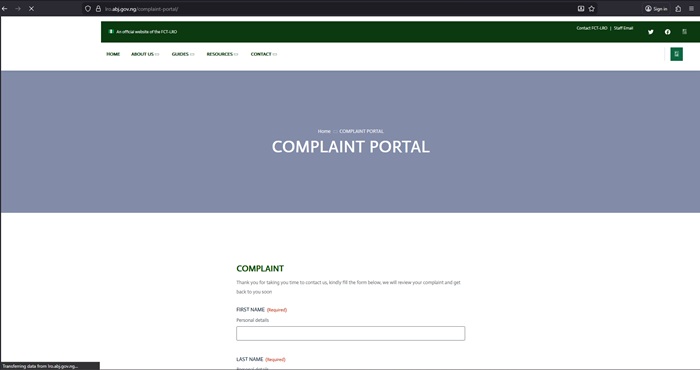
- Complaint Portal : https://lro.abj.gov.ng/complaint-portal
Phone: +234-9-9040745 / Toll-Free: 767
EFCC investigates scams involving financial loss.
🇰🇪 Kenya
In Kenya, lottery scams — such as fake prize alerts, SMS or email messages claiming you have won a cash reward, impersonation of reputable companies, or demands for “processing fees” to release winnings — are considered criminal offences under laws addressing fraud and cybercrime, including the Penal Code and the Computer Misuse and Cybercrimes Act, 2018. Fraudsters often pose as international lottery organisations, mobile network promotions, banks, media outlets, or government institutions to deceive victims into sending money or disclosing personal and banking details.
If you are in immediate danger, receiving threats, or facing extortion, call 999, 112, or 911, Kenya’s national emergency numbers, for urgent assistance.
For non-emergency cases, lottery fraud should be reported to the Directorate of Criminal Investigations (DCI), particularly through its Cybercrime Unit. You can lodge a complaint by visiting your nearest police station or DCI office. When making a report, provide comprehensive evidence such as the phone numbers or email addresses used, screenshots of messages, payment confirmations, bank or M-Pesa transaction records, and any other relevant communications.
Cyber-related scam incidents may also be reported to the National Kenya Computer Incident Response Team – Coordination Centre (National KE-CIRT/CC), operated by the Communications Authority of Kenya, which monitors and responds to cybersecurity threats.
If the scam involved mobile money services like M-Pesa or a bank transfer, contact your mobile service provider or bank immediately to notify them of the fraud, secure your account, and inquire about the possibility of reversing the transaction.
Report & Help:
- DCI (Directorate of Criminal Investigations)
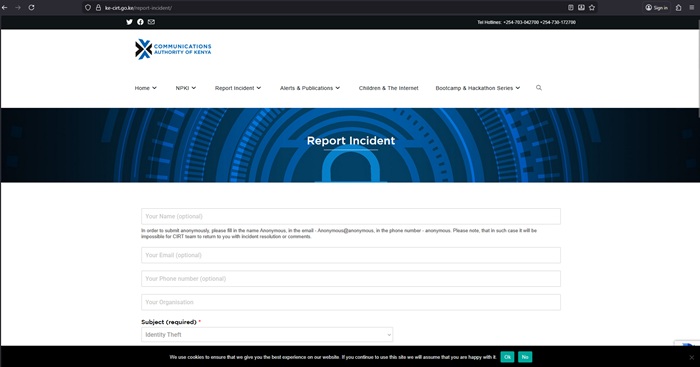
https://www.dci.go.ke / https://ke-cirt.go.ke/report-incident
Phone: +254-20-2223854 / Toll-Free: 999 or 112
DCI Cybercrime Unit handles financial fraud cases.
Scam Money Recovery: What Victims Have Experienced :
Lottery Scam Money Recovery Victim 1 :
I can see a balance of approximately $220,000 in Tether (USDT) displayed in my father’s Crypto.com account through the Onchain app. He told me he had won it through a “lottery” after being contacted by someone on WhatsApp. I don’t have all the details, but the situation immediately raised concerns.
The funds appear legitimate at first glance. The balance is visible inside the Crypto.com interface and is shown under his own named account. However, whenever he attempts to convert or withdraw the USDT, the app displays an error stating “insufficient ETH fees,” explaining that USDT is an ERC-20 token and requires ETH for gas fees.
To test this, I transferred a small amount of ETH to his wallet. The transaction appears in the history and shows as successfully received, yet the wallet balance does not update. It looks as though the ETH transfer simply disappears without affecting the available balance.
This entire situation feels suspicious, particularly given the lottery claim, the WhatsApp contact, and the unusual wallet behavior.
Lottery Scam Money Recovery Victim 2 :
Recently, my mother showed me a Facebook friend request she had received. It was from a woman claiming to be a lottery winner who wanted to gift $10,000 to her first few Facebook friends. The situation immediately sounded like a scam, but my mother wanted my opinion.
To verify, we checked the profile. She asked why there was a photo of the woman holding a large lottery check. I searched the woman’s name online along with the word “scam,” and the very first result was a warning describing this exact scheme. The name and photos had been taken from a real lottery winner and were being used to deceive people.
Unfortunately, my mother has fallen victim to scams before. Within the past year alone, she encountered two:
• A Facebook advertisement promoting an older Igloo cooler supposedly being cleared out by Sam’s Club at a deep discount. Only after she had entered her information did I notice inconsistencies in the ad image, which turned out to be fraudulent and enrolled her in an unwanted subscription.
• Another advertisement claiming to sell postage stamps at unusually low prices. I don’t recall the exact outcome, but it was not legitimate.
Even earlier, she nearly became a victim of a common Facebook Marketplace scam while selling furniture before our move. A supposed buyer claimed they could not pick up the item personally and said a relative would collect it instead. They insisted payment had been sent and, when it didn’t appear, provided a fake message allegedly from the payment service. The message claimed additional funds had to be transferred due to a “business account” issue. The scam relied on confusion and urgency, hoping the seller would send money back.
Had my father and I not been present, she might have proceeded. That experience opened our eyes to how widespread and frequently repeated these scams are on online marketplaces.