
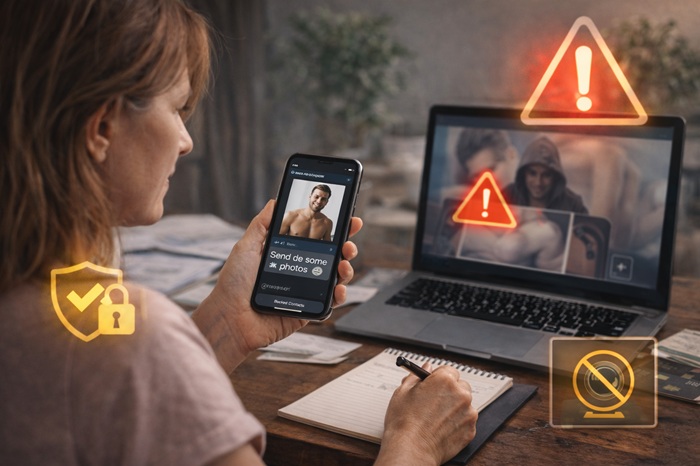
Recovery money from scam depends largely on how quickly you act after discovering the fraud. Immediately contact your bank or payment provider to request a transaction reversal, chargeback, or wire recall, as early intervention increases the chances of recovering funds. Work directly with the fraud department to monitor your accounts and stop any pending or unauthorized transfers. Although recovery is not guaranteed, prompt reporting and financial dispute procedures significantly improve the possibility of recovering lost money.
Report the Crime to Authorities in Your Country
Official reports help police track and potentially recover funds or arrest perpetrators.
Below are country-specific authorities, fraud reporting websites, and phone numbers for sextortion / online extortion reporting:
🇺🇸 United States
In the United States, sextortion — a crime in which someone threatens to share intimate photos or videos unless you send money or comply with their demands — is considered a serious offense under both federal and state law. It may be prosecuted under statutes related to extortion, blackmail, cyber harassment, and the unlawful distribution of intimate images. If you are targeted, it is important to report the incident promptly and avoid making additional payments or continuing contact with the individual involved.
If you are in immediate danger or feel physically threatened, call 911, the national emergency number, for urgent police assistance. For situations that are not life-threatening but involve online blackmail or digital harassment, contact your local police department using their non-emergency number and file an official report. Be sure to request a case number, as it may be necessary for financial disputes or further investigation.
You should also submit a report to the FBI’s Internet Crime Complaint Center (IC3) at ic3.gov. IC3 gathers information about cybercrime and forwards complaints to the appropriate federal, state, or local law enforcement agencies. When completing your report, provide as much detail as possible about the offender, the platform used, payment requests, and any threats received.
If the victim is under 18, the incident should be reported immediately to the National Center for Missing & Exploited Children (NCMEC) through the CyberTipline at 1-800-THE-LOST (1-800-843-5678) or online at report.cybertip.org. Cases involving minors are handled with priority.
If you have already transferred money, contact your bank, credit card issuer, or payment service provider immediately to request a fraud investigation or transaction reversal. Acting quickly improves the chances of stopping or recovering the funds. Providing your police or IC3 reference number can help support your claim.
For emotional and crisis support, you may contact the National Sexual Assault Hotline at 800-656-HOPE (800-656-4673) or VictimConnect at 1-855-4-VICTIM (1-855-484-2846), both of which offer confidential assistance.
Report & Help:
• Internet Crime Complaint Center (IC3) – FBI
https://www.ic3.gov
• Federal Trade Commission (FTC)
https://reportfraud.ftc.gov
• National Center for Missing & Exploited Children (if minors involved)
https://www.missingkids.org/gethelpnow/cybertipline
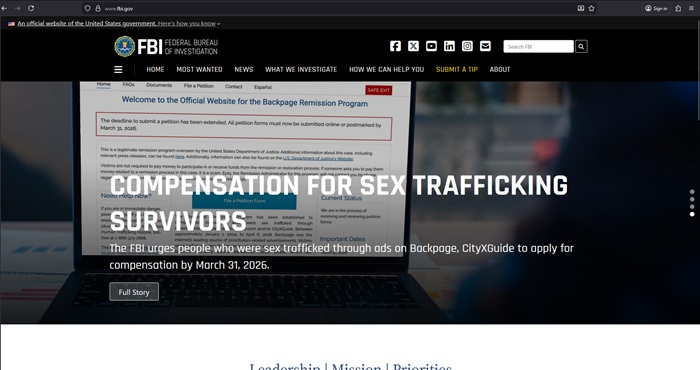
Reporting Sextortion : https://www.fbi.gov
🇨🇦 Canada
In Canada, sextortion — a crime in which someone threatens to distribute intimate photos or videos unless you pay money or comply with their demands — is considered a serious offence. It may be prosecuted under the Criminal Code of Canada, particularly under provisions related to extortion, criminal harassment, intimidation, and the non-consensual distribution of intimate images. If you become a victim, it is important to report the incident promptly and avoid making further payments or engaging with the offender.
If you are in immediate danger or receiving active threats, call 911, Canada’s national emergency number, for urgent police assistance. For situations that are not life-threatening but involve online blackmail or digital harassment, you should contact your local police service using their non-emergency number. Contact details for local police can be found on your municipal or provincial police website.
You may also report the incident to the Canadian Anti-Fraud Centre (CAFC), which gathers information on fraud and cybercrime to support investigations across the country. The CAFC can be reached at 1-888-495-8501, and reports can also be submitted through the Government of Canada’s official fraud reporting portal. Although the CAFC does not conduct individual investigations, it shares reports with law enforcement agencies to assist in tracking and addressing fraudulent activity.
For additional support, victims can reach out to the Canadian Centre for Child Protection (Cybertip.ca) if the victim is under 18, or contact local victim services organizations for emotional assistance and practical guidance.
Report & Help:
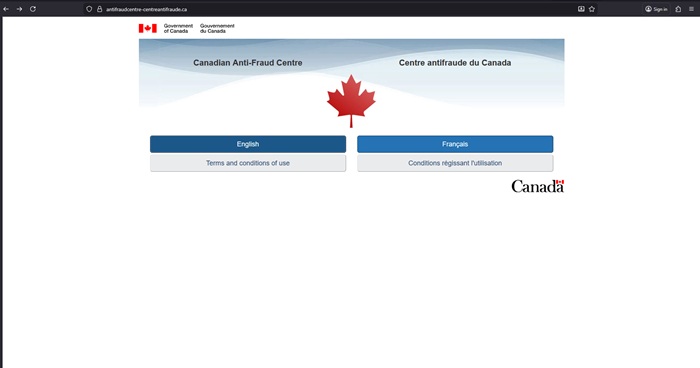
• Canadian Anti-Fraud Centre (CAFC) : https://antifraudcentre-centreantifraude.ca
Phone:1-888-495-8501 (toll-free)
🇬🇧 United Kingdom
In the United Kingdom, sextortion — a crime in which someone threatens to publish intimate photos or videos unless you pay money or comply with their demands — is regarded as a serious offence. It may be prosecuted under laws covering blackmail (Theft Act 1968), harassment (Protection from Harassment Act 1997), malicious communications, and offences involving intimate images. If you become a victim, it is important to report the matter promptly and avoid sending additional money or continuing communication with the individual involved.
If you are in immediate danger or receiving active threats, call 999, the UK’s emergency number, for urgent police assistance. For situations that are not life-threatening but involve online blackmail or digital harassment, you can contact the police by calling 101, the non-emergency number. You may also submit a report through your local police force’s official website.
Sextortion and online blackmail can also be reported to Action Fraud, the UK’s national reporting centre for fraud and cybercrime. Reports can be made online at actionfraud.police.uk or by calling 0300 123 2040. After submitting a report, you will receive a crime reference number, and the case may be assessed by the National Fraud Intelligence Bureau for potential investigation.
Victims in the UK can access additional support services. If the victim is under 18, reports can be made to the National Crime Agency’s CEOP (Child Exploitation and Online Protection) command. Emotional and practical support is also available through Victim Support at 0808 168 9111, which provides free and confidential assistance.
Report & Help:
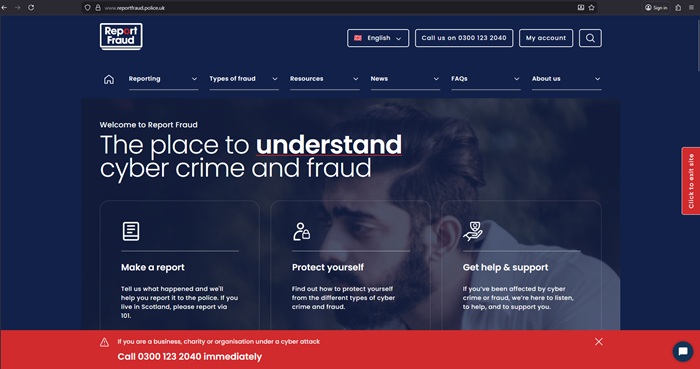
• Action Fraud : https://www.actionfraud.police.uk
Phone: 0300 123 2040
🇮🇳 India
In India, sextortion — a crime in which someone threatens to share private or intimate images unless you pay money or comply with their demands — is regarded as a serious offence. Such conduct may be prosecuted under provisions of the Indian Penal Code (IPC) relating to extortion, criminal intimidation, and harassment, as well as under the Information Technology (IT) Act, 2000, which addresses cybercrime and online exploitation. If you become a victim, it is important to report the matter promptly and avoid sending additional money or engaging further with the offender.
If you are in immediate danger or experiencing active threats, call 112, India’s national emergency helpline, for urgent police assistance. For cybercrime-related complaints, including sextortion, you can contact the national cybercrime helpline at 1930. This helpline is particularly important if you have already transferred money, as early reporting may allow authorities to attempt to freeze or trace the funds.
You should also submit a complaint through the official National Cyber Crime Reporting Portal at cybercrime.gov.in. This platform is designed for reporting online offences such as sextortion, digital blackmail, and cyber harassment. When filing your complaint, provide a clear description of the incident and upload all relevant evidence. After submission, you will receive a reference number, which can be used to track the progress of your case.
Report & Help:
• Cyber Crime Helpline : 1930 (24×7)
• Cybercrime Reporting Portal : https://www.cybercrime.gov.in
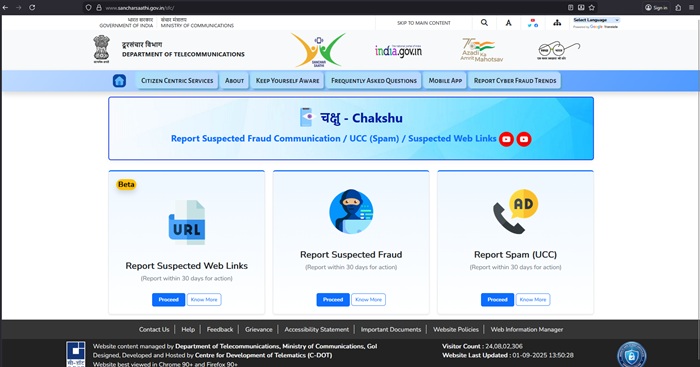
https://www.sancharsaathi.gov.in/sfc
🇦🇺 Australia
In Australia, sextortion — a crime in which someone threatens to release intimate photos or videos unless you pay money or meet their demands — is regarded as a serious offence. It may be prosecuted under laws relating to extortion, blackmail, image-based abuse, and cybercrime, and investigations are typically handled by state or territory police services. If you are targeted, it is important to report the incident promptly and avoid making further payments or continuing contact with the person involved.
If you are in immediate danger or feel unsafe, call 000, Australia’s national emergency number, for urgent police assistance. For matters that are not life-threatening but involve online blackmail or digital harassment, you can contact your local police. In many states and territories, the non-emergency Police Assistance Line can be reached at 131 444.
You should also submit a report through ReportCyber at cyber.gov.au, which is managed by the Australian Cyber Security Centre (ACSC). Reports made through this platform are referred to the appropriate state or federal law enforcement agency for review. When lodging your complaint, clearly explain that the matter concerns sextortion or online blackmail and provide as much detail as possible.
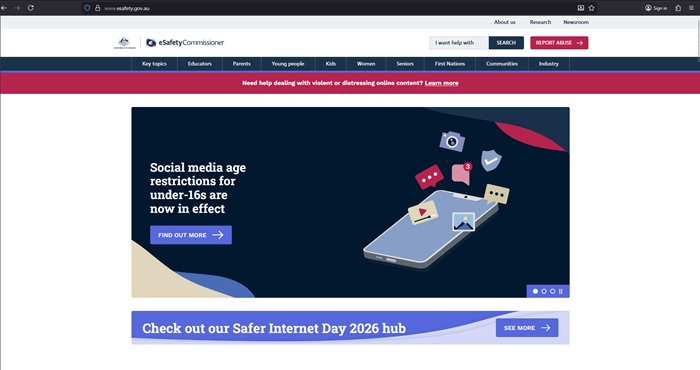
In addition to reporting to police, victims may seek assistance from the eSafety Commissioner, which handles complaints involving image-based abuse and online exploitation. The eSafety Commissioner can help with the removal of intimate images shared without consent and provide information about legal options. Confidential emotional support is also available through Lifeline at 13 11 14 if you need assistance coping with the situation.
Report & Help:
• ReportCyber : https://www.cyber.gov.au/report
• ScamWatch : https://www.scamwatch.gov.au
Link : https://www.esafety.gov.au
Phone : 1300 292 371 (ReportCyber)
🇫🇷 France
In France, sextortion — a situation in which someone threatens to publish intimate photos or videos unless you pay money or meet certain demands — is considered a serious criminal offence. It may be prosecuted under laws relating to extortion (chantage), harassment, and digital sexual offences as outlined in the French Penal Code. If you become a victim, it is important to report the matter promptly and avoid sending any additional money or continuing contact with the individual involved.
If you are facing immediate danger or receiving direct threats, call 17, which connects you to the Police or Gendarmerie for emergency assistance. For cases that are not urgent but involve online blackmail or digital abuse, you can submit a report through the official online platform PHAROS (internet-signalement.gouv.fr). This service is operated by the Central Office for Combating Crime Related to Information and Communication Technologies and handles reports of cybercrime, including sextortion and online harassment.
You also have the option to file a formal complaint (déposer plainte) at your nearest police station (commissariat) or gendarmerie brigade. When lodging your complaint, clearly explain that the case involves sextortion or online blackmail and request a copy of the complaint receipt (récépissé de plainte), which contains your case reference number. This document may be required for bank disputes or further legal steps.
In addition to contacting law enforcement, victims in France may seek assistance from 3018, the national helpline for victims of digital violence. By calling 3018 (free and confidential), you can receive guidance, emotional support, and help with removing harmful content from the internet.
Report & Help:
• PHAROS Internet Reporting Platform
https://internet-signalement.gouv.fr
• THESEE – Official online complaint for fraud
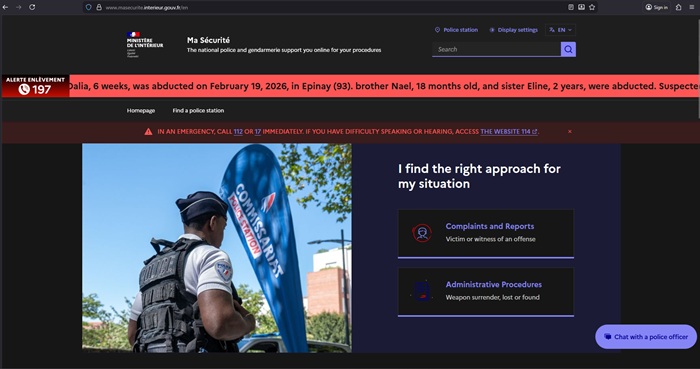
https://www.masecurite.interieur.gouv.fr
Phone: Info-Escroqueries: 0 805 805 817 (fraud help line)
🇸🇬 Singapore
In Singapore, sextortion — where an individual threatens to release intimate images or videos unless you pay money or comply with certain demands — is treated as a serious criminal matter. Such actions may fall under offences involving criminal intimidation, extortion, harassment, or the misuse of intimate images, and investigations are handled by the Singapore Police Force (SPF). If you become a victim, it is important to report the incident without delay and to refrain from sending additional money or continuing communication with the offender.
If you believe you are in immediate danger or are facing active threats, dial 999, Singapore’s emergency police number, for urgent assistance. For cases that do not require emergency response but involve online blackmail or digital harassment, you may contact the Police non-emergency hotline at 1800 255 0000. You also have the option to file a report online through the SPF’s official website via the e-Services reporting portal.
Additionally, you may seek guidance from the Anti-Scam Hotline at 1800 722 6688, which offers advice on scam-related matters, including online extortion. Support services are also available in Singapore to assist victims who need emotional or practical help following incidents of digital abuse.
Report & Help:
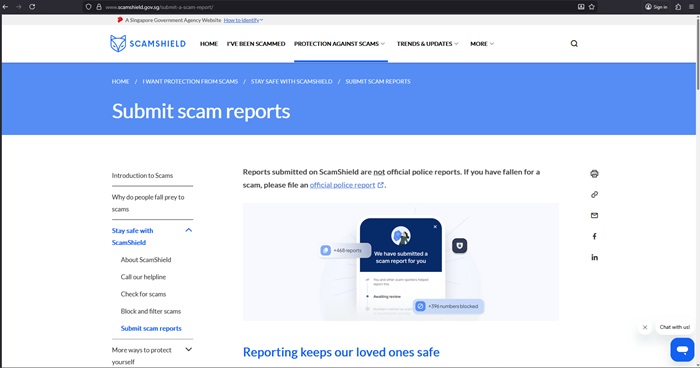
• ScamShield Portal : https://www.scamshield.gov.sg
Phone: 1799 (Anti-Scam Helpline)
🇳🇿 New Zealand
In New Zealand, sextortion — a crime in which someone threatens to distribute intimate images or videos unless you pay money or comply with their demands — is considered a serious offence. It may be prosecuted under laws relating to blackmail, harassment, and harmful digital communications, particularly under the Harmful Digital Communications Act 2015 and the Crimes Act. If you become a victim, it is important to report the incident promptly and avoid making further payments or engaging with the offender.
If you are in immediate danger or feel threatened, call 111, New Zealand’s emergency number, to reach Police without delay. For situations that are not urgent but still involve online blackmail or exploitation, you can contact the Police non-emergency number at 105 or submit a report through the official New Zealand Police website. When filing your complaint, clearly explain that the matter involves sextortion or blackmail and request a case reference number for future follow-up .
In addition to contacting Police, you may seek assistance from Netsafe, New Zealand’s national online safety organization. Netsafe offers advice and support for victims of digital abuse and image-based threats, helps explain your legal rights under the Harmful Digital Communications Act, and may assist with having harmful content removed from online platforms.
Report & Help:
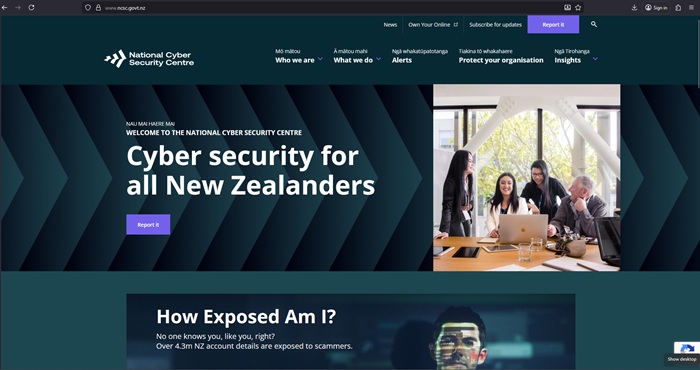
• CERT NZ – Sextortion / Online Crime Reporting : https://www.cert.govt.nz/report/
• New Zealand Police : https://www.police.govt.nz
Phone: 111 (Emergency)
🇿🇦 South Africa
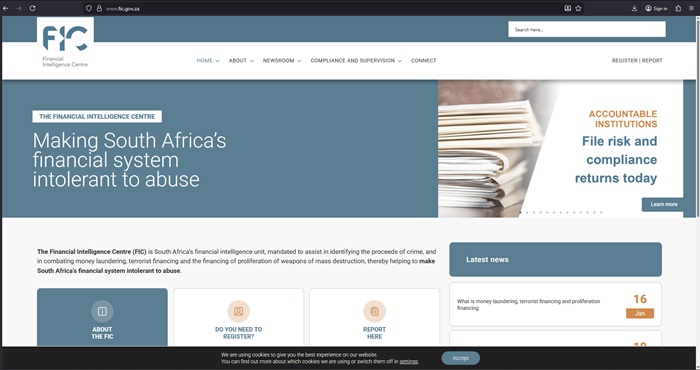
In South Africa, sextortion — a crime in which someone threatens to publish intimate images or videos unless you pay money or comply with their demands — is regarded as a serious criminal offence. It can be prosecuted under laws relating to extortion, intimidation, cybercrime, and the unlawful distribution of private images, particularly under the Cybercrimes Act 19 of 2020. If you become a victim, it is important to report the matter promptly and avoid sending additional money or continuing communication with the perpetrator.
If you are facing immediate threats or feel unsafe, contact 10111, South Africa’s national police emergency number, to reach the South African Police Service (SAPS) for urgent assistance. If the situation does not require emergency intervention but involves online blackmail or harassment, visit your nearest SAPS police station to open a criminal case. Inform the officer that the incident involves extortion or cybercrime and request a CAS (Crime Administration System) number, which serves as your official case reference for follow-up and any related financial disputes.
When filing your report, bring all available evidence. This may include screenshots of conversations, usernames, social media links, email addresses, phone numbers, payment instructions, and copies of any threats received. Avoid deleting messages or files, even if they are distressing, as they may be crucial for the investigation. SAPS may refer the matter to a specialized cybercrime unit for further action.
Beyond law enforcement, victims of image-based abuse may also seek assistance from the Film and Publication Board (FPB), which addresses complaints involving harmful or non-consensual online content. Support services and victim assistance programs are also available throughout South Africa to provide emotional and practical guidance during the process.
Report & Help:
• South African Police Service (SAPS) : https://www.saps.gov.za
Phone: 10111 (Emergency)
Ask for the Cybercrime Unit.
🇧🇷 Brazil
In Brazil, sextortion — a crime in which someone threatens to release private or intimate images unless you send money or comply with their demands — is treated as a serious criminal offense. It falls under extortion laws (Article 158 of the Brazilian Penal Code) as well as digital crime regulations governed by the Marco Civil da Internet and related cybercrime legislation. If you experience this type of blackmail, it is important to report it immediately and avoid sending further payments or continuing contact with the offender.
If you are facing immediate danger or receiving active threats, call 190, which is Brazil’s national emergency number for the Military Police. This provides urgent law enforcement assistance. If the situation is not life-threatening but involves online blackmail, you should contact the Civil Police (Polícia Civil) by calling 197 or by submitting a complaint through your state’s online police reporting system, known as the Delegacia Eletrônica. Sextortion cases are generally investigated by the Civil Police, particularly by units specializing in cybercrime.
When filing your complaint, request a Boletim de Ocorrência (B.O.), the official police report document. This report generates a case number that may be required for bank disputes, legal proceedings, or further investigation. Be sure to provide detailed evidence, including screenshots of messages, user profiles, links, phone numbers, payment instructions, and any threats received. Avoid deleting conversations, even if they are distressing, because they are crucial for building the case.
If the incident involves online platforms or digital exploitation, you may also submit a report to SaferNet Brasil, an organization that works alongside authorities to address internet-related crimes. While reporting to SaferNet does not replace filing an official police report, it can help document the abuse and provide guidance to victims.
If you have already transferred money — particularly through PIX or bank transfer — contact your bank immediately to request a fraud investigation or attempt to block the transaction. Brazilian banks may be able to freeze PIX transfers if the report is made quickly. Providing your Boletim de Ocorrência case number will strengthen your request and support the financial investigation process.
Report & Help:
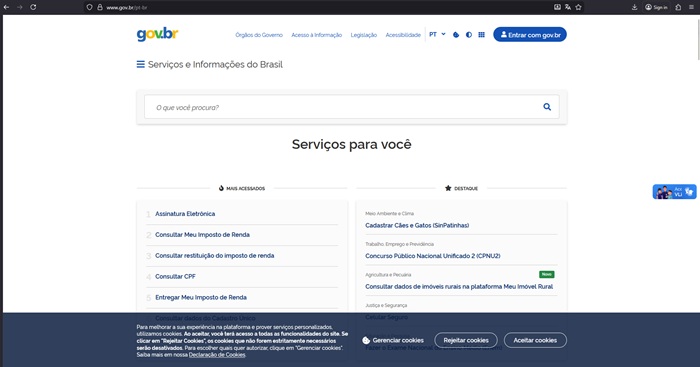
• Delegacia Eletrônica (Online Police Reports) : https://www.gov.br (search “Delegacia Eletrônica”)
Phone: 190 (Emergency)
🇲🇽 Mexico
In Mexico, sextortion — a crime in which someone threatens to distribute private or intimate images unless you send money or comply with their demands — is treated as a serious offense under laws related to extortion, cybercrime, and digital harassment. If you experience this type of blackmail, it is important to report it promptly and avoid making any payments or continuing contact with the individual involved.
If you are in immediate danger, receiving active threats, or experiencing ongoing harassment, call 911, Mexico’s national emergency number. This will connect you to local police who can provide urgent assistance and direct you to the appropriate authorities. If the situation is not an emergency but involves online blackmail or digital coercion, you should file a complaint with your state’s Fiscalía (State Attorney General’s Office), which is responsible for investigating criminal offenses, including cyber extortion.
You may also report the case to the Guardia Nacional’s Cyber Police (Policía Cibernética), which specializes in handling online crimes such as sextortion, phishing, and digital fraud. In Mexico City, for example, the Cyber Police can be reached at 55 5242 5100 ext. 5086, though contact numbers may differ depending on the state. If the incident involves financial loss, you can contact CONDUSEF at 800 999 8080, as this agency assists with financial disputes and may coordinate with banks in fraud cases.
When preparing your report, make sure to preserve all relevant evidence. Save screenshots of conversations, profile links, usernames, email addresses, phone numbers, payment requests, and any threatening messages. Avoid deleting chats, even if they are upsetting, as they may be crucial for the investigation. When filing your complaint with the Fiscalía, request an official case reference number (número de carpeta de investigación), which may be required for bank disputes or further legal proceedings.
Report & Help:
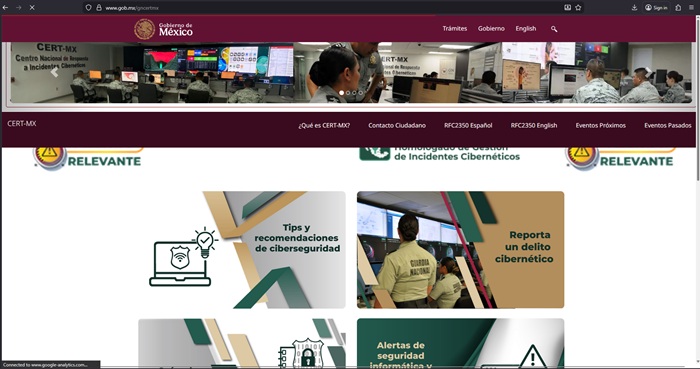
• Guardia Nacional – CERT-MX : https://www.gob.mx/gncertmx
Phone: 911
🇯🇵 Japan
In Japan, sextortion — a crime in which someone threatens to share private or intimate images unless you send money or meet their demands — is considered a serious offense under laws covering extortion, intimidation, and cybercrime. If you experience this type of blackmail, it is important to report it immediately and avoid sending any further payments or continuing communication with the person involved.
If you are in immediate danger or feel threatened, call 110, Japan’s national emergency police number. This will connect you directly to local law enforcement for urgent help. If the matter is not an emergency but involves online blackmail, harassment, or digital exploitation, you can contact the Police Consultation Line at #9110, which operates nationwide without an area code. Officers will guide you through the steps required to file an official complaint with your local prefectural police department.
When preparing to report the incident, make sure to preserve all available evidence. Save screenshots of conversations, user profiles, email addresses, payment requests, account links, and any threatening messages. Do not delete chats or files, even if they are distressing, as they may be crucial for the investigation. In many cases, you may need to visit a nearby police station to submit a formal damage report (被害届), which officially initiates the investigative process. Specialized cybercrime units can then request information from social media companies or attempt to trace digital accounts if necessary.
Japan also offers additional support through the Consumer Hotline (188), which can provide advice if the case involves deceptive online payments or fraudulent services. Many prefectural police departments also maintain dedicated cybercrime consultation desks for further guidance.
Report & Help:
• National Police Agency : https://www.npa.go.jp
Phone: 110
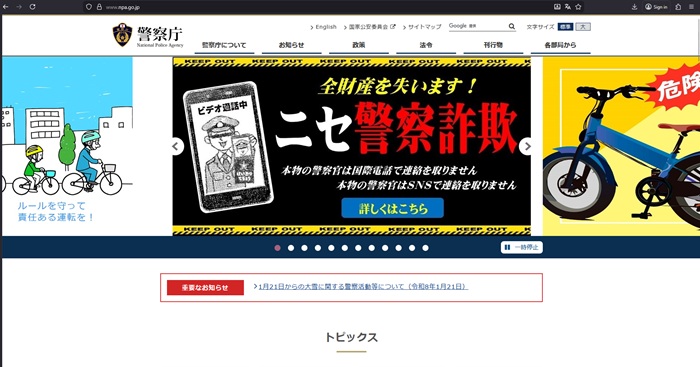
🇰🇷 South Korea
In South Korea, sextortion — which involves someone threatening to share intimate photos or videos unless you send money or comply with their demands — is classified as a serious cybercrime and should be reported without delay. If you are experiencing immediate threats or feel unsafe, you should call 112, the national emergency police number, for urgent assistance. This connects you directly to local police who can respond quickly and provide protection. For situations that are not life-threatening but still require official action, you can contact the police consultation line at 182, where officers will guide you on how to file a formal complaint with the Cyber Terror Response Center, a specialized division of the Korean National Police Agency that handles online extortion and digital sexual crimes. When making a report, it is important to preserve and submit all available evidence, including screenshots, usernames, chat records, payment requests, and any threatening messages. Providing detailed information strengthens the investigation and allows authorities to take appropriate legal steps. South Korea treats digital sex crimes seriously, and victims can also access counseling and victim support services if emotional or psychological assistance is needed. Reporting directly to law enforcement ensures that the matter is formally recorded and enables police to pursue investigative actions such as tracing accounts or issuing legal orders against the offender.
Report & Help:
• Cyber Bureau – Korean National Police Agency : https://cyberbureau.police.go.kr/eng/index.do
Phone: 182 (Cybercrime Hotline)
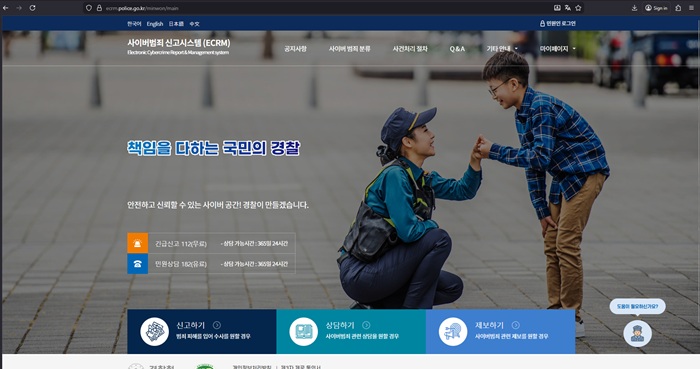
🇦🇪 United Arab Emirates
In the United Arab Emirates, sextortion — a crime in which someone threatens to release private or intimate images unless you pay money or meet their demands — is legally classified as online blackmail and cybercrime. Victims are strongly encouraged to report the incident immediately rather than attempting to handle it alone. Under Federal Decree-Law No. 34 of 2021 on combating cybercrimes, online extortion, harassment, and digital abuse are serious offences, and authorities have clear procedures in place to investigate and prosecute offenders.
If you are facing immediate threats, feel unsafe, or the blackmailer is actively pressuring you, call 999, the UAE’s national emergency police number. This connects you directly to law enforcement for urgent intervention and protection. For cases that are not life-threatening but still require official action, several government reporting channels are available.
In Dubai, you can submit a complaint through the Dubai Police eCrime portal or via the Dubai Police mobile app, where you can upload screenshots, chat conversations, account details, and any threatening messages as evidence. For general inquiries or guidance, you may call 901, the Dubai Police non-emergency helpline.
The Ministry of Interior (MOI) eCrime Service offers a nationwide reporting platform accessible through the MOI UAE app or official website. Residents, citizens, and visitors can file cybercrime reports regardless of their emirate. After submitting the complaint and supporting documents, you will receive a case reference number for follow-up and tracking purposes.
Another option is the My Safe Society app, operated by the UAE Public Prosecution. This application allows victims to report cyber offences securely from their mobile devices and attach multimedia evidence without needing to visit a police station in person.
If you are in Abu Dhabi, you may also use the Aman service provided by Abu Dhabi Police. This service allows individuals to report crimes, including sextortion, and offers the option to remain anonymous if preferred.
Report & Help:
• eCrime Portal : https://www.ecrime.ae
Phone: 8002626 (Dubai) / 8004444 (Abu Dhabi)
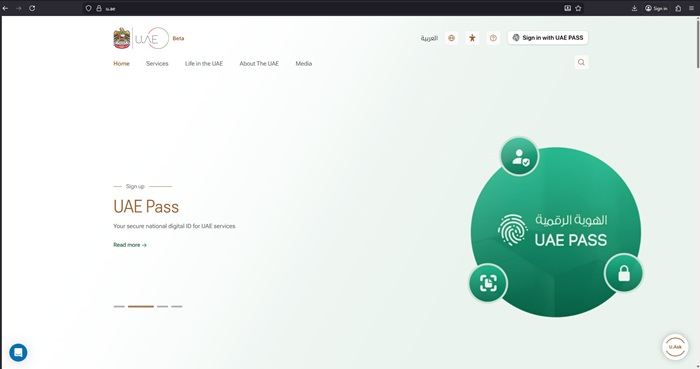
🇮🇪 Ireland
In Ireland, sextortion — where someone threatens to share intimate images or videos unless you pay money or comply with demands — is treated as a serious crime under harassment, coercion, and online exploitation laws. You should report it immediately and avoid sending any money or continuing communication with the offender.
If you are in immediate danger or feel threatened, call 999 or 112, which are Ireland’s national emergency numbers. These connect you directly to An Garda Síochána (Irish Police) for urgent assistance. If the situation is not an emergency but still requires official reporting, you should contact your local Garda station directly. You can find your nearest station through the Garda website or by calling your local division. Sextortion cases are handled seriously, and officers can take formal statements and begin investigations.
Ireland also has additional support services for victims of online abuse. The National Crime Victims Helpline (116 006) provides confidential emotional support and practical guidance. If intimate images have been shared without consent, you may also contact the Hotline.ie reporting service to help remove illegal content online.
Report & Help:
• Garda National Economic Crime Bureau (GNECB) : https://www.garda.ie / https://www.psni.police.uk
Phone: 999 or 112 (Emergency)
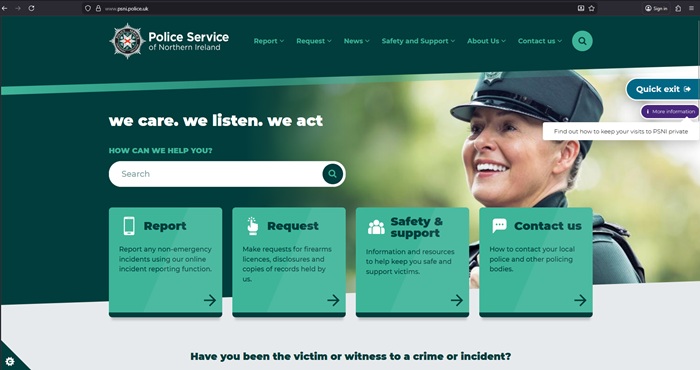
🇳🇬 Nigeria
In Nigeria, sextortion — where someone threatens to share private or intimate images to force you to send money or comply with demands — is considered a serious offense under the Cybercrimes (Prohibition, Prevention, etc.) Act, 2015. If you are targeted, report the incident immediately and do not send any additional money or continue communicating with the perpetrator.
If you feel unsafe, are being harassed, or receive serious threats, go to the nearest police station without delay. You can also call 112 (where available) or your state’s local police emergency number for urgent assistance.
For cases involving online blackmail or financial exploitation, report directly to the Nigeria Police Force Cybercrime Unit or the Economic and Financial Crimes Commission (EFCC), which is responsible for investigating cyber and financial crimes. Acting quickly improves the chances of stopping further harm and protecting yourself.
Report & Help:
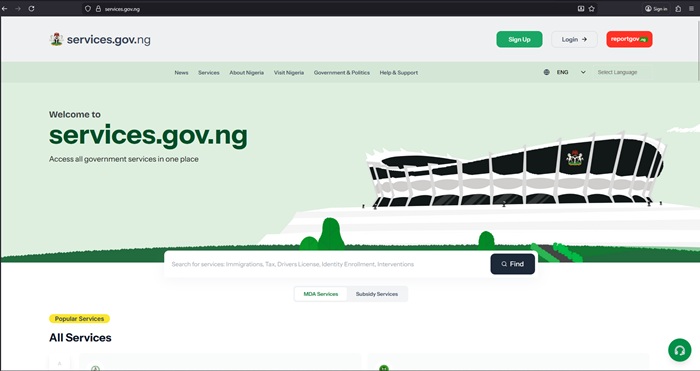
• Economic and Financial Crimes Commission (EFCC) : https://www.efcc.gov.ng / https://services.gov.ng
Mail : info@efcc.gov.ng
Phone : +234 809 332 2644 / +234 9 9044751
• Police Special Fraud Unit (PSFU)
Mail : report@specialfraudunit.org.ng
Phone : 07082276895/ 08127609914
🇰🇪 Kenya
In Kenya, sextortion — where someone threatens to share intimate photos or videos unless you pay money or comply with their demands — is considered a serious offence under the Computer Misuse and Cybercrimes Act, 2018 and other criminal laws related to blackmail and extortion. You should report the incident immediately and avoid sending any money or continuing communication with the offender.
If you are in immediate danger or being actively threatened, call 999, 112, or 911, which are Kenya’s
Report & Help:
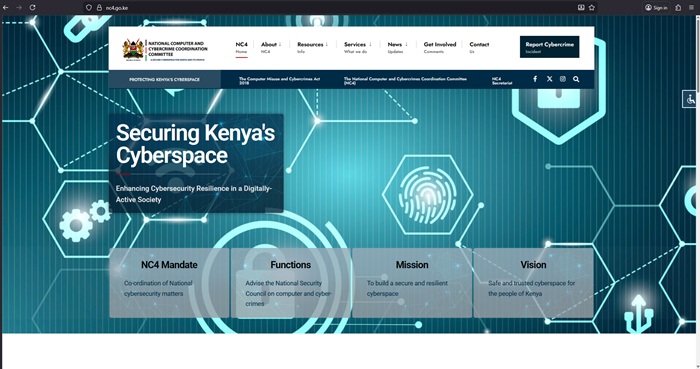
• Directorate of Criminal Investigations (DCI) : https://www.dci.go.ke / https://nc4.go.ke
Phone: 999 or 911 (Emergency)
Scam Money Recovery: What Victims Have Experienced :
Sextortion Scam Money Recovery Victim 1 :
I met someone on a dating app, and we later moved our conversation to Telegram. At first, everything seemed normal, but the discussion gradually became more intimate. He asked me to send a private video of myself showing my face, and I regretfully agreed.
Instead of responding in kind, he sent me a recording that showed my video being captured on another device. Soon after, he shared a screenshot suggesting that my video, along with my name and nationality, had been posted online. I immediately panicked.
He demanded €300 to prevent the release of the content. Out of fear, I told him I had no money. He then pressured me to purchase small-value gift cards. Terrified and desperate, I sent two separate gift cards, hoping the situation would end.
He later claimed he had deleted the video from his phone, but I had no real proof. He continued to imply that others were involved and that more payments might be required. Eventually, he blocked me, leaving me anxious, shaken, and overwhelmed.
Looking back, I realize how quickly fear took over my judgment. I’m sharing this experience as a warning to others: never send intimate images or videos to someone you do not fully know and trust. The emotional distress caused by sextortion is real and deeply traumatic.
Sextortion Scam Money Recovery Victim 2 :
I had been feeling exhausted lately because of work and personal issues, so I was casually scrolling through Tinder and matched with someone. This normally isn’t my thing. I’ve had matches before, but they usually led to meaningless small talk. This time felt different, and I was happy because the person quickly suggested being exclusive.
They first gave me a Facebook name, but I couldn’t find it. I shared mine instead. Then they suggested moving to Telegram since they claimed they couldn’t find my profile either. I agreed.
The conversation went well at first and eventually became intimate. They asked if I could do a video call. For about 15 minutes, I hesitated while they sent pictures and videos, and then we switched to a video call. I kept my camera off because I was still skeptical.
Eventually, I convinced myself that maybe it wasn’t a scam. I was tired, sleep-deprived, and not thinking clearly. I briefly exposed myself on camera. While adjusting my phone, I accidentally flipped the camera to my face. Immediately after that, the call ended.
When the next call came, it was a different person. They threatened to send screenshots to people on my friends list unless I paid. I even saw workmates in the list. In panic, I gave in to their demands and paid a substantial amount before finally accepting what had happened and ending the call.I know it was a mistake, but lack of sleep and stress really cloud judgment.
Sextortion Scam Money Recovery Victim 3 :
Hi everyone, About 10 days ago I fell into a classic sextortion trap. It started on a dating app called Boo. The person I matched with quickly moved the conversation to Instagram — that was the first red flag.
On Instagram they said “I can’t send you messages, there’s a problem” and pushed me to WhatsApp. That was the second red flag. By then, they had already scraped my friends/followers list from Instagram.
On WhatsApp they immediately turned the chat sexual and pushed for a video call. I wasn’t thinking straight in that moment, and during the call they secretly recorded me. Right after, they sent me back my own photos, screenshots of the chat, and showed my Instagram followers list to threaten me.
The number they used had the +63 country code (Philippines). These numbers and this country are extremely common in sextortion scams — please be careful if you see this.
The first few hours were the absolute worst of my life. I panicked, couldn’t think clearly, and kept imagining “what if my family, coworkers, or friends see this.”
In the first couple of days they spammed me with dozens of calls and heavy threats. After 2–3 days, the calls started to fade. The last attempt was on August 20th, just a very short call and a dumb “hi baby” message. Since then it’s been silence. Now it’s been 9–10 days and nothing was shared. That’s when I realized: they never planned to share, they only wanted to scare me into paying.
I never sent them money. I just blocked and waited. Looking back now, the hardest part is those first few hours.
Sextortion Scam Money Recovery Victim 4 :
Hello everyone,
I’m a 23-year-old man, and I need to share something that has weighed heavily on me. About two years ago, on a random night when I was exhausted and not thinking clearly, I began chatting with someone I met on Reddit. We later moved the conversation to Snapchat.
The messages gradually became more intimate. The person sent photos claiming to be of herself, and I responded by sending images of myself. I made a serious mistake and also shared a photo of my face. Shortly afterward, the person took screenshots and saved everything. That’s when I realized I was being trapped.
They threatened to ruin my life and demanded money in exchange for not sharing the images. As a student at the time, I didn’t have the amount requested. Out of fear and panic, I borrowed money from a friend and paid. It remains one of the most humiliating experiences of my life.
When further demands followed, I finally had a moment of clarity. I blocked the person on every platform and deleted the accounts I had used to communicate with them.
Fortunately, I had not used my real identity. The email addresses, usernames, and personal details were fake, and the photos I shared did not directly connect my face with explicit images. Despite this, the psychological impact was severe.
For days I could not sleep. For months afterward, I lived with anxiety, constantly worrying that my images might appear online. I searched obsessively but never found any trace of them being shared.
Today, I feel better, but the fear has never fully disappeared. I remain cautious with my online presence, keeping accounts private and limiting personal exposure. Even now, I sometimes worry that they could resurface.
Sextortion Scam Money Recovery Victim 5 :
I made the mistake of engaging online with someone I believed was a woman. Our interaction eventually led to a video call that became sexual in nature. Although I had a sense that something was not right, I ignored my intuition.
During the call, the individual captured a screenshot of my face, searched for me online, and was able to identify my name and workplace. Soon after, I received threatening messages containing screenshots of my social media profiles along with a compromising image. The sender made false accusations about my character and threatened to contact my employer.
They demanded money and warned that refusing to pay would lead to serious consequences. Believing that compliance would only worsen the situation, I chose not to cooperate. I blocked the individual and ended all communication.
Despite this, the person followed through and sent the material to my workplace using a corporate email address. As a result, my employer contacted me. While I had not engaged in any illegal activity related to my job, the situation understandably raised concerns regarding reputational risk. They sought clarification on whether the sender had any legitimate connection to the company, which was not the case.
I did not go into explicit detail about the nature of the extortion. I explained only that I believed it was an attempt to manipulate and pressure me, that I refused further contact, and that I disengaged immediately.
At present, I remain employed, though the experience has been deeply uncomfortable knowing that others are aware of the incident. I have since secured my online presence by making my accounts private and limiting publicly accessible information. While the threats were immediate, nothing has appeared publicly online so far.