
If you need help with recovery money from scam, the most important step is to contact your bank or payment provider immediately and report the transaction as fraudulent, since fast action increases the chances of reversing or freezing the transfer. Ask the fraud department about chargebacks, wire recalls, or dispute procedures depending on how the payment was made. Secure all your accounts by changing passwords and enabling two-factor authentication to prevent further unauthorized access. Reporting the incident to the appropriate authorities also supports recovery money from scam efforts and helps create an official record for investigation.
🇺🇸 United States
The U.S. treats romance scams as internet crime and fraud. Many victims report through federal and local law enforcement.
Report & Help:
- Internet Crime Complaint Center (IC3) – FBI facility : https://www.ic3.gov
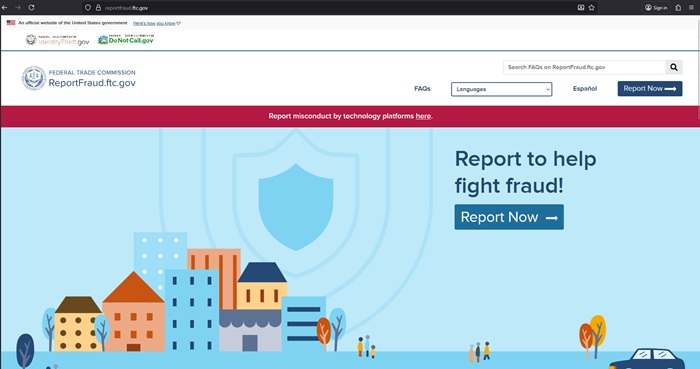
This is the primary portal for reporting romance and internet scams. - Federal Trade Commission (FTC) – Report Fraud : https://reportfraud.ftc.gov
No general hotline, but this site guides you through reporting and recovery steps.
After filing, ask your bank for a “Chargeback” or “Dispute” if the money was sent via card.
🇨🇦 Canada
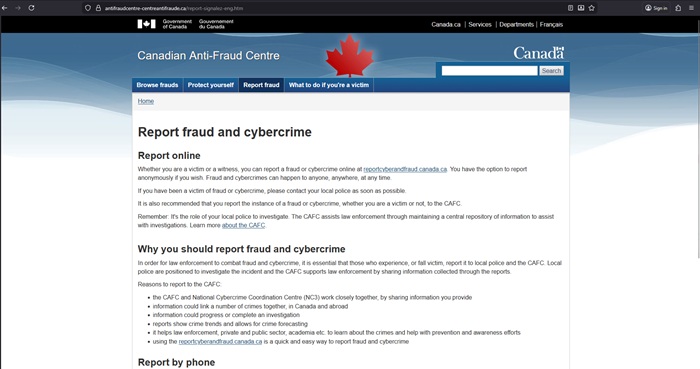
Canada has a centralized anti-fraud agency that collects reports and distributes to law enforcement.
Report & Help:
- Canadian Anti-Fraud Centre (CAFC) : https://antifraudcentre-centreantifraude.ca/report-signalez-eng.htm
No single national phone number, but the CAFC gathers reports and coordinates investigations. - Local police: call your non-emergency line to file a case number for your bank or insurer.
🇬🇧 United Kingdom
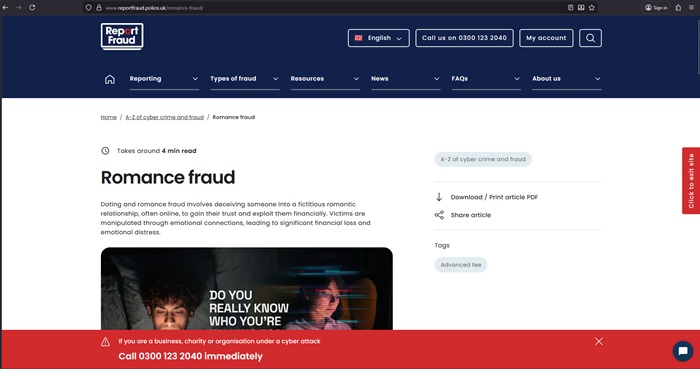
Romance scam losses are handled as fraud through national reporting.
Report & Help:
- Report Fraud to UK police (ReportFraud.police.uk) : https://www.reportfraud.police.uk
You may also contact your local police station to report the crime and obtain a case reference.
🇮🇳 India
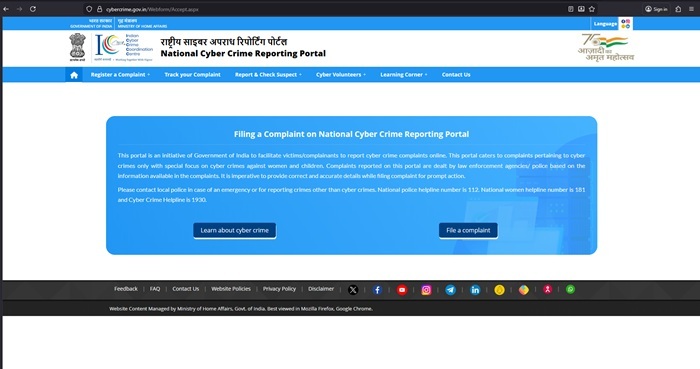
India’s cybercrime reporting system assists victims of financial fraud, including romance scams.
Report & Help:
- National Cyber Crime Helpline – 1930 (24×7)
Call 1930 to report the scam directly or to get guidance on reporting through the official portal. - Cybercrime Reporting Portal : https://cybercrime.gov.in
🇦🇺 Australia
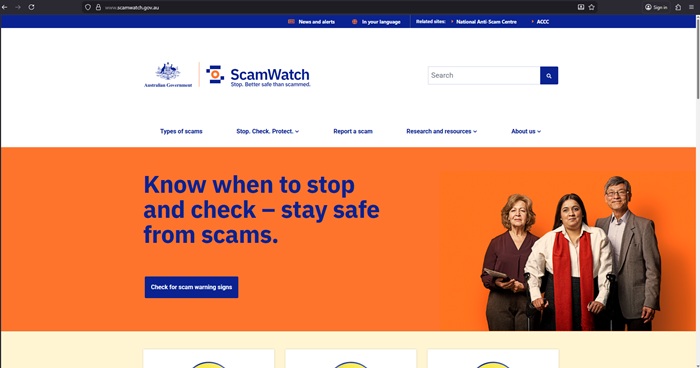
Australia has ScamWatch, which collects scam reports centrally.
Report & Help:
- ScamWatch – Australian Competition & Consumer Commission (ACCC) : https://www.scamwatch.gov.au
Phone: 1300 795 995
🇫🇷 France
Report & Help:
- Local police station: file a complaint (“déposer une plainte”) — bring all documentation.
- French consumer watchdog: Many local prefectures also assist victims. (Contact your local police or mayor’s office for cybercrime unit referral.)
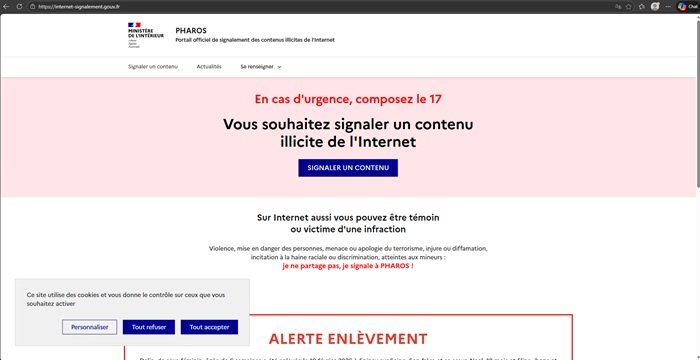
French Government Internet Scam Reporting Platform : https://internet-signalement.gouv.fr/
🇸🇬 Singapore
Report & Help:
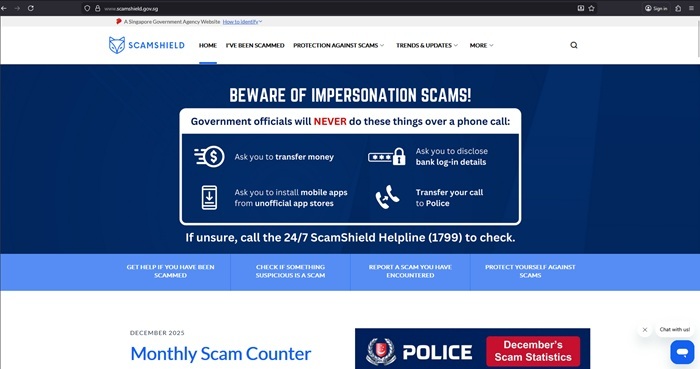
- ScamShield & Anti-Scam Helpline 1799 (24/7) — check with this line about scams and suspicious contacts.
- https://scamshield.gov.sg
(This service can help block numbers and report possible scam interactions.)
🇳🇿 New Zealand
New Zealand has a centralized cyber security and fraud reporting structure. Online scams, including romance scams, are handled through CERT NZ and the New Zealand Police. The country encourages fast reporting because banks may attempt fund recovery if notified quickly
Report & Help:
CERT NZ – Cyber Emergency Response Team : https://www.cert.govt.nz/report/
(Official government portal for reporting online scams and cyber incidents.)
New Zealand Police : https://www.police.govt.nz
111 (Emergency)
105 (Non-emergency police reporting)
If money was recently transferred, contact your bank immediately before filing reports.
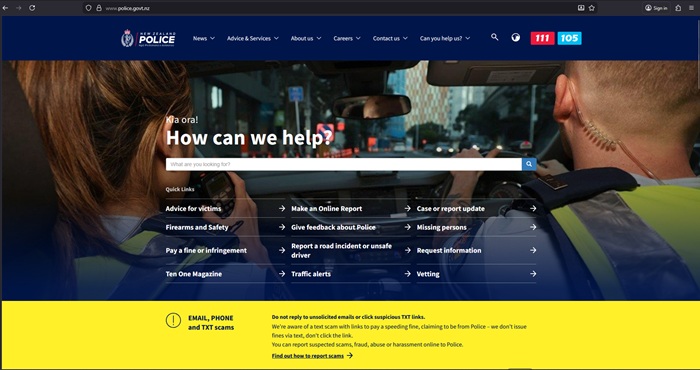
🇿🇦 South Africa
South Africa handles online fraud cases through the South African Police Service (SAPS). Cybercrime units operate within SAPS, and official case numbers are important for bank investigations and insurance claims.
Report & Help:
South African Police Service (SAPS) : https://www.saps.gov.za
Number : 10111 (Emergency)
You should request assistance from the Cybercrime Unit and obtain a case reference number for your bank.
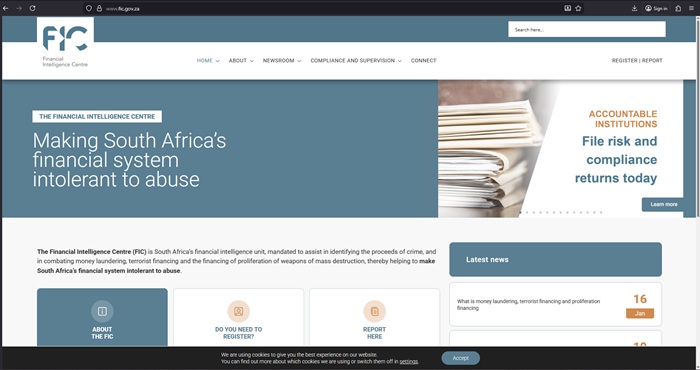
🇧🇷 Brazil
Brazil manages fraud cases through Civil Police departments in each state. Victims can report scams online through “Delegacia Eletrônica.” Filing a police report is often necessary for banks to investigate fund recovery.
Report & Help:
Delegacia Eletrônica (Civil Police Online Reporting) : https://www.gov.br
https://www.apexbrasil.com.br/ouvidoria
(Search for “Delegacia Eletrônica” and select your state.)
Helpline Number : 190 (Police Emergency)
Keep copies of transaction receipts and provide them when filing the complaint.
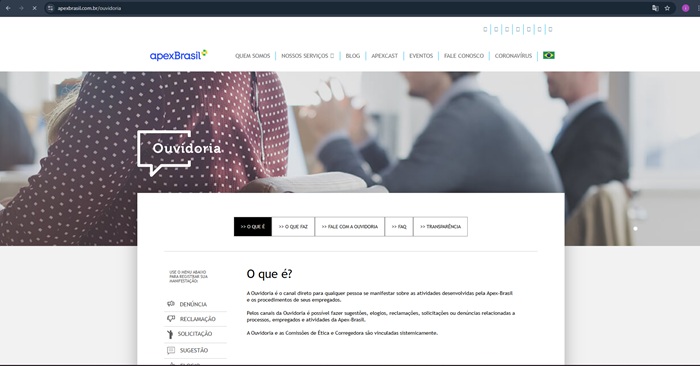
🇲🇽 Mexico
Mexico handles cybercrime through the Guardia Nacional and its cyber division. Online fraud, including romance scams, can be reported nationally. Banks typically require an official complaint to proceed with dispute processes.
Report & Help:
Guardia Nacional – CERT-MX (Cybercrime Division) : https://www.gob.mx/gncertmx
Helpline Number : 911 (Emergency)
You should also notify your bank immediately and provide proof of your official complaint.
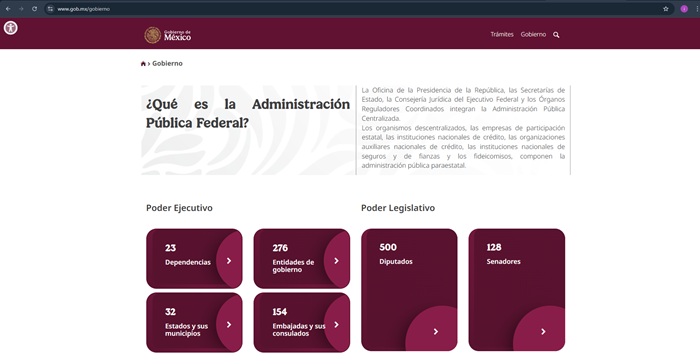
🇯🇵 Japan
Japan addresses online fraud through the National Police Agency (NPA) and local police stations. Romance scams are treated as financial fraud cases. Victims are encouraged to visit their local police station in person for formal documentation.
Report & Help:
National Police Agency (NPA) : https://www.npa.go.jp
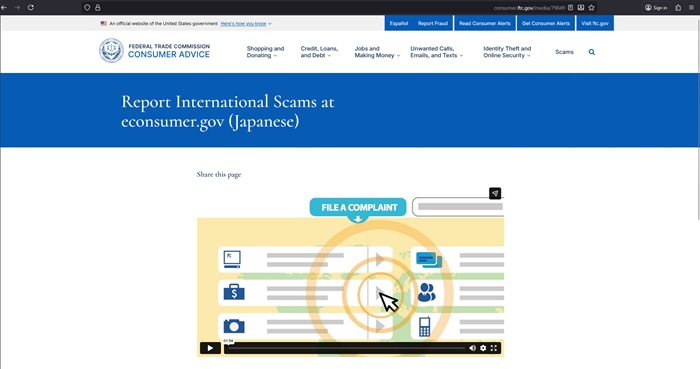
https://consumer.ftc.gov/media/79849
Helpline Number : 110 (Police Emergency)
Visit your nearest police station to file a detailed complaint and receive a case number.
🇰🇷 South Korea
South Korea has a dedicated Cyber Bureau under the National Police Agency. The country has strong digital fraud monitoring systems, and quick reporting increases the chance of freezing fraudulent transfers.
Report & Help:
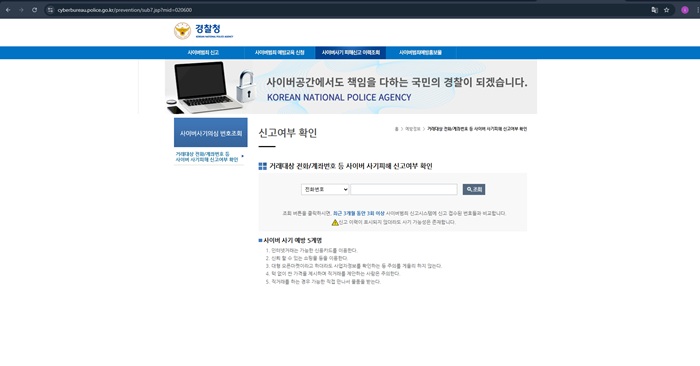
Cyber Bureau – Korean National Police Agency : https://cyberbureau.police.go.kr/eng/index.do
Hotline Number : 182 (Cybercrime Hotline)
If money was transferred through Korean banks, contact the bank immediately to request a freeze or recall.
🇦🇪 United Arab Emirates
The UAE has an advanced cybercrime reporting infrastructure. Each emirate (Dubai, Abu Dhabi, etc.) provides direct reporting channels. The eCrime portal allows victims to submit complaints digitally.
Report & Help:
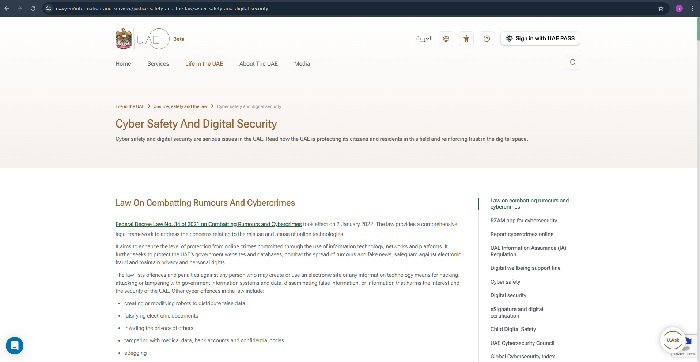
UAE eCrime Portal : https://www.ecrime.ae
Dubai Police: 8002626
Abu Dhabi Al-Ameen: 8004444
You should also inform your bank immediately and request a transaction dispute.
🇮🇪 Ireland
Ireland handles fraud cases through An Garda Síochána (Irish Police). Financial scams are investigated by the Garda National Economic Crime Bureau (GNECB). Official reports help banks process fraud recovery.
Report & Help:
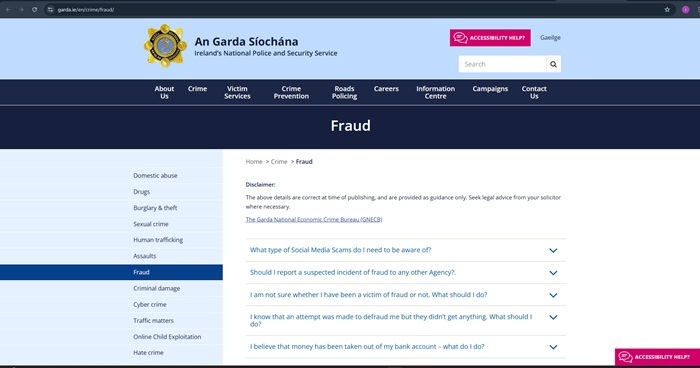
Garda National Economic Crime Bureau (GNECB) : https://www.garda.ie
Helpline Number : 999 or 112 (Emergency)
Visit your local Garda station to file a formal complaint and receive a case reference number.
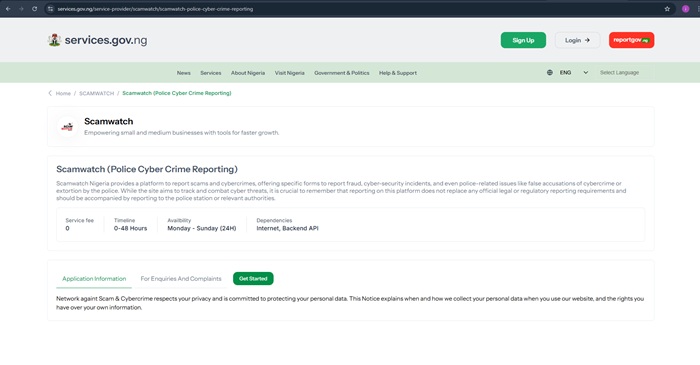
🇳🇬 Nigeria
Nigeria has specialized anti-fraud agencies due to high levels of financial and online fraud cases. Romance scams and advance-fee fraud are investigated by federal financial crime authorities.
Report & Help:
Economic and Financial Crimes Commission (EFCC) : https://services.gov.ng
Mail : info@efcc.gov.ng
Helpline Number : +234 809 332 2644 / +234 9 9044751
Police Special Fraud Unit (PSFU)
Mail : report@specialfraudunit.org.ng
Number : 07082276895 / 08127609914
Keep all digital communication evidence when filing reports.
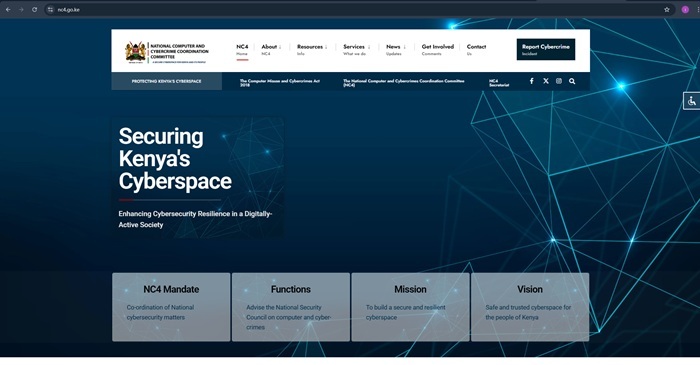
🇰🇪 Kenya
Kenya addresses cybercrime through the Directorate of Criminal Investigations (DCI). Victims must usually file complaints at a local police station. Official reports help in financial dispute processes.
Report & Help:
Directorate of Criminal Investigations (DCI) : https://www.dci.go.ke
Helpline Number : 999 or 911 (Emergency)
You may also contact your nearest police station to request assistance from the cybercrime division.
Scam Money Recovery: What Victims Have Experienced :
Romance Scam Money Recovery Victim 1 :
It is truly alarming how easily people can fall victim to online romance scams. These scams are carefully designed to build emotional trust before any money is requested. My sister experienced this firsthand after meeting someone on Facebook Dating. He claimed to be a private contractor working on an offshore oil rig and spoke confidently about owning multiple properties and running successful projects.Over time, he shared detailed stories about a major project he was supposedly managing. He said he had invested all his savings and assets into the job and was waiting for a large payment once it was completed. Then the requests for money began. He claimed that critical equipment had broken down and urgently needed repairs. Wanting to help someone she believed cared about her, my sister sent money.The first request was for $64,000. A few weeks later, he asked for an additional $87,000, saying it was needed to cover taxes before his payment could be released. By this point, the situation began to feel suspicious, and she realized she had been deceived.
Romance scammers often follow this exact pattern — building trust, creating financial emergencies, and promising large returns once temporary problems are resolved. The emotional manipulation makes it difficult for victims to see the warning signs clearly.If you or someone you know has experienced something similar, it is important to act quickly. Stop all communication with the scammer, contact your bank immediately, gather all evidence, and report the incident to your local cybercrime authorities. The faster you respond, the better your chances of protecting yourself and possibly recovering lost funds.Most importantly, do not feel ashamed. These scams are sophisticated and professionally organized. Many intelligent and compassionate people have been targeted. Awareness and quick action are the strongest tools you have.
Romance Scam Money Recovery Victim 2 :
A few months ago, I became a victim of an online romance scam. I met someone on a dating site, and we quickly connected. She appeared charming, attentive, and genuinely interested in building a relationship. At first, everything felt natural and sincere.As time went on, she began sharing stories about unexpected emergencies and financial struggles. She explained that she was facing serious difficulties and needed temporary help. Because I trusted her and cared about what I believed was a real relationship, I agreed to send money. Each request seemed urgent and believable, and she knew exactly how to appeal to my emotions.Over time, I sent a significant amount of money before I finally realized the truth — it was all a carefully planned scam. The emotional impact was just as painful as the financial loss. I felt devastated, embarrassed, and heartbroken.
After the realization, I began searching for guidance and support on how to handle the situation properly. I learned the importance of acting quickly — contacting my bank, gathering evidence, and reporting the scam to the appropriate authorities. While the experience was difficult, it also taught me how sophisticated these scams can be and how important awareness is in preventing others from becoming victims.If you are going through something similar, know that you are not alone. Romance scams are designed to manipulate emotions and build trust before exploiting it. Taking immediate action and seeking legitimate support through official channels can make a significant difference.
Romance Scam Money Recovery Victim 3 :
I feel incredibly ashamed even writing this, but I know I’m not the only one this has happened to.
About six months ago, I met someone on TikTok. We started talking regularly and eventually felt like we were in a relationship. At first, I tried to keep my guard up. I had heard of romance scams before, but I never imagined it could happen to me. He was charming, attentive, and incredibly convincing. He talked about traveling together, getting married, and building a future. He even offered to drive out and give me one of his cars to use because he knew I didn’t have one. It all felt generous and genuine.
For months, we talked on the phone constantly. We never FaceTimed — just voice calls — but I trusted him anyway. After a while, he slowly began asking for personal information. He framed it as helping me gain financial stability and access to opportunities. He told me he wanted to help me because he cared about me. Little by little, I gave him everything — my Social Security number, bank information, address, phone account details — believing he had good intentions.I couldn’t have been more wrong.
He used my information to open accounts, deposit fraudulent checks, order devices, and create financial chaos in my name. By the time I realized what was happening, the damage was done. I am now nearly $20,000 in debt. Both of my credit union accounts have been closed and frozen. I can’t open a new bank account. My phone service was shut off after he ordered multiple iPhones on my account and had me ship them to him. I owe thousands to financial institutions and my phone provider because of bad checks I unknowingly deposited.
It feels overwhelming and suffocating. I previously filed bankruptcy several years ago, and I don’t even know if that option is available again. I feel stuck, embarrassed, and deeply ashamed. Only my mom and best friend know. This experience has caused severe anxiety and depression. My sleep schedule is destroyed. I isolate myself most days. My life feels completely turned upside down.Eventually, I gathered the strength to leave him. I exposed his account online to warn others, but I know he will likely create another one. That part hurts too — knowing he may still be doing this to someone else.This has been one of the hardest experiences of my life. But I’m sharing it because I want others to understand how sophisticated these scams are. They don’t just steal money — they steal your sense of security, your trust, and your peace of mind.
If you’re going through something similar, please know you are not alone. You are not stupid. These scammers are professionals at emotional manipulation. And while the financial recovery may take time, your life is not over.
Romance Scam Money Recovery Victim 4 :
My mother, who is in her 70s, became the victim of professional romance scammers over the past 16 months. After losing my father to COVID, along with her own mother and several other close relatives, she was grieving deeply and struggling with loneliness. During that vulnerable time, she met individuals on a widower-focused dating website who claimed to be Christian and presented themselves as trustworthy, compassionate men.They carefully manipulated her grief and emotional state. Over time, they convinced her to send them significant amounts of money under various pretenses. Despite repeated warnings from me, my brother, and her sister, she continued communicating with them and concealed the full extent of the situation. Her depression and seasonal affective disorder appeared to cloud her judgment, making it difficult for her to recognize the deception.
At one point, her bank detected unusual transaction activity and requested a police welfare check. However, she dismissed concerns and assured authorities that everything was legitimate. As a former accountant, she believed she was making structured loans and even kept records of the amounts and expected interest. She genuinely thought she was entering into financial agreements, not being defrauded.The reality became undeniable when a package connected to suspected money laundering was intercepted and returned. That was the moment she fully realized she had been scammed.
She has since reported the situation to the FBI and local law enforcement. She has begun meeting with a trauma counselor and has been prescribed medication to address her mental health. We are now considering in-patient therapy to provide additional support as she processes what happened.The financial consequences are overwhelming. More than $2 million has been lost. In addition, there are nearly $500,000 in tax liabilities resulting from the fraudulent transactions. She may lose her home and much of her remaining financial security. For our family, who have always lived modestly, this amount of loss is beyond comprehension.
We plan to consult with an attorney and potentially a private investigator to understand what legal or financial options may exist. While we hope for meaningful assistance from federal authorities, we recognize that recovery in cases of international romance fraud is often extremely difficult.Beyond the financial devastation, the emotional toll has been profound. These scammers did not just take money — they exploited grief, trust, and faith during one of the most painful periods of her life.
Romance Scam Money Recovery Victim 5 :
I’m a 23-year-old man, and it’s painful to admit that I became a victim of an online romance scam.
Two years ago, I met someone on the Whisper app — an anonymous platform where anyone can pretend to be anyone. We exchanged photos, although I later realized the pictures she sent were not actually of her. At the time, I was feeling lonely and desperate for connection. I wasn’t thinking clearly about the risks or how this could affect my life.After we began talking more seriously, she gave me an address to meet her in person. The idea was that we would hook up and possibly start something real. Looking back, there were so many red flags, but I ignored them.
Soon after, she started asking me for money in the form of Apple gift cards. She claimed it was for various reasons, and I convinced myself it was temporary. Even though buying gift cards for someone you’ve never met is an obvious warning sign, I dismissed it. I was emotionally invested and wanted to believe she was real.Over time, the situation escalated. She used photos of cam models and promised we would meet soon. She pressured me constantly for more money and even threatened me if I didn’t comply. I felt trapped. Somehow, she gained access to my bank account and drained my savings. A fake check was deposited in my name, which led to my bank account being closed. I ended up in debt because of it.
Strangely, the debt from the bounced check was later paid off, which made me believe she might actually be legitimate. That false sense of hope kept me from reporting everything immediately.She told me I was sending money to secure an inheritance she was supposedly arranging for me. She spoke to me on the phone with an accent and used multiple different phone numbers. Even after two years, we have never met in person.
In total, I lost $20,000.
The hardest part isn’t just the money — it’s the shame. I feel angry at myself for ignoring the red flags. I feel embarrassed that I allowed loneliness and desperation to cloud my judgment. I wanted to believe someone loved me. Instead, I was manipulated by someone who knew exactly how to exploit that vulnerability.This experience has deeply affected my mental health. I struggle with depression and regret. Sometimes I wish I could erase it from my life completely and go back to who I was before this happened.
But I also know this: I was targeted during a vulnerable time. These scammers are professionals. They study psychology. They know exactly how to create emotional dependence and urgency. What happened was not stupidity — it was manipulation.I’m sharing this because I want others to recognize the warning signs before it’s too late. If you’re reading this and something feels off in your online relationship, trust that instinct. Stop. Step back. Talk to someone you trust. Report it immediately.
And if you’ve already been scammed, you are not alone. You are not worthless. You are not beyond recovery. Money can be rebuilt. Credit can be repaired. Mental health can heal. But your life is irreplaceable.