

Recovery of money lost to scams improves when victims act quickly and report through official channels. Immediate reporting helps banks initiate chargebacks, reversals, or fraud investigations aimed at recovering stolen funds. Below are trusted government reporting portals that support scam complaints and financial recovery efforts. Using verified authorities increases the chances of successful recovery and legal action.
Here are official government scam reporting websites:
Report the Crime to Authorities in Your Country
Official reports help police track and potentially recover funds or arrest perpetrators.
🇺🇸 UNITED STATES
In the United States, a pig butchering scam — a prolonged investment fraud in which criminals build a relationship of trust before convincing victims to invest in fake cryptocurrency or trading platforms — is treated as a serious financial and cybercrime offense. These schemes commonly begin on social media, dating applications, or messaging platforms and gradually evolve into fraudulent investment opportunities. If you believe you may be a victim, end all communication with the individual immediately and do not send any additional money.
If you are experiencing threats or feel unsafe, call 911 for emergency assistance. If there is no immediate danger, contact your local police department using their non-emergency number to file an official report. Be sure to request a case number, as this may be necessary when dealing with banks, cryptocurrency exchanges, or insurance providers.
You should also submit a complaint to the FBI’s Internet Crime Complaint Center (IC3) at www.ic3.gov. When filing your report, include comprehensive details such as the scammer’s name, phone number, email address, social media profiles, website links, cryptocurrency wallet addresses, transaction IDs, and the trading platform involved. IC3 evaluates complaints and forwards cases to appropriate federal, state, or international law enforcement agencies for further review.
If cryptocurrency transactions were involved, contact the exchange you used — such as Coinbase, Kraken, or Binance — and request an urgent fraud investigation. Provide the relevant wallet address and transaction hash so the exchange can flag or potentially freeze associated accounts. You may also report the matter to the U.S. Secret Service, which investigates financial crimes involving digital assets.
For cases involving fraudulent investment platforms, you can file complaints with the Securities and Exchange Commission (SEC) at sec.gov or the Commodity Futures Trading Commission (CFTC) at cftc.gov. Additionally, you may report the scam to the Federal Trade Commission (FTC) at reportfraud.ftc.gov, which monitors and tracks fraud trends nationwide.
If you need emotional or practical assistance, you can contact VictimConnect at 1-855-4-VICTIM (1-855-484-2846) for confidential support and guidance.
Report & Help:
FBI – Internet Crime Complaint Center (IC3)
File complaint: : https://www.ic3.gov/Home/FileComplaint
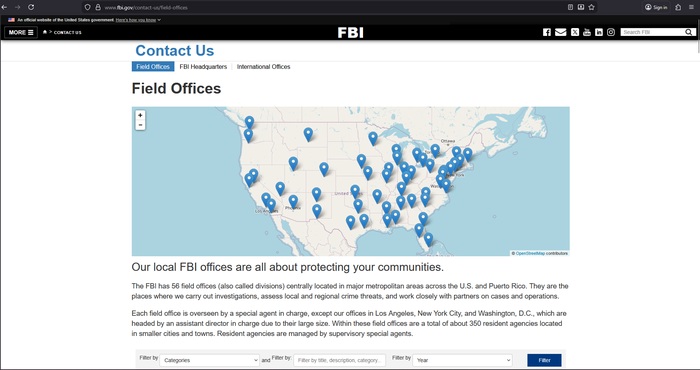
Phone (FBI local field offices): : https://www.fbi.gov/contact-us/field-offices
Federal Trade Commission (FTC) : https://reportfraud.ftc.gov
Phone: 1-877-382-4357
If crypto was involved, reporting to IC3 quickly is critical.
🇨🇦 CANADA
In Canada, a pig butchering scam — a prolonged investment fraud in which scammers build a relationship of trust before persuading victims to invest in fake cryptocurrency or trading platforms — is considered a serious financial and cybercrime offence. These schemes often start through social media, dating applications, or messaging services and gradually transition into fraudulent investment opportunities. If you suspect you have been targeted, end all communication immediately and avoid sending any additional funds.
If you are facing threats or feel unsafe, call 911 for emergency police assistance. If the situation is not urgent, contact your local police service using its non-emergency number and file an official report. Be sure to request a case or file number, as this may be needed when dealing with banks, cryptocurrency exchanges, or insurance providers.
You should also report the incident to the Canadian Anti-Fraud Centre (CAFC) by calling 1-888-495-8501 or submitting a complaint through the Government of Canada’s fraud reporting portal. Although the CAFC does not directly investigate individual cases, it collects and analyzes fraud data and shares it with law enforcement agencies nationwide to support broader investigations.
If the scam involved a fake investment platform, you may also file a complaint with your provincial securities regulator, such as the Ontario Securities Commission or the Autorité des marchés financiers (AMF) in Quebec. In cases involving substantial financial loss, reporting to the Royal Canadian Mounted Police (RCMP) may also be appropriate.
For emotional and practical assistance, you can reach out to your local Victim Services office or contact the Victim Support Line at 1-888-579-2888 in Ontario (other provinces offer similar services). These organizations provide confidential support and guidance throughout the reporting and recovery process.
Report & Help:
Canadian Anti-Fraud Centre (CAFC)
https://antifraudcentre-centreantifraude.ca/report-signalez-eng.htm
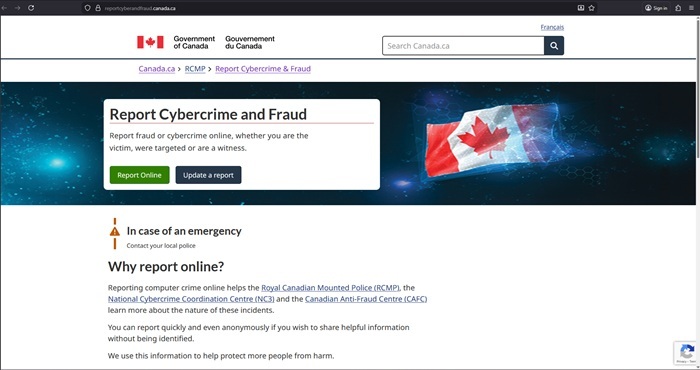
https://reportcyberandfraud.canada.ca
Phone: 1-888-495-8501
They coordinate with financial institutions for fund tracing.
🇬🇧 UNITED KINGDOM
In the United Kingdom, a pig butchering scam — a prolonged investment fraud in which criminals build a relationship of trust before persuading victims to place money into fake cryptocurrency or trading platforms — is regarded as a serious financial and cybercrime offence. These schemes often start through social media, dating applications, or messaging services and gradually shift into fraudulent investment opportunities. If you suspect you have been targeted, cease all communication immediately and avoid sending any additional funds.
If you are experiencing threats or feel at risk, call 999 for emergency police assistance. For non-urgent cases involving financial fraud or online deception, contact the police on 101. You should also report the incident to Action Fraud, the UK’s national centre for reporting fraud and cybercrime. Complaints can be submitted online at actionfraud.police.uk or by calling 0300 123 2040. After making a report, you will receive a crime reference number, and the matter may be assessed by the National Fraud Intelligence Bureau.
If cryptocurrency transactions were involved, contact the exchange you used — such as Coinbase, Binance, or Kraken — and request an immediate fraud review. Provide relevant details including wallet addresses, transaction IDs, account information, and copies of communications with the scammer. Exchanges may be able to flag or freeze suspicious accounts if notified promptly. If funds were transferred through a bank, wire service, debit card, or credit card, contact your financial institution without delay and ask to speak with the fraud department. Request a transaction recall or chargeback where possible, as quick action increases the likelihood of tracing or blocking the funds.
You should also report fraudulent investment platforms to the Financial Conduct Authority (FCA) via fca.org.uk. The FCA monitors unauthorised firms and investigates investment scams, including those involving cryptocurrency promotions.
For emotional and practical assistance, you may contact Victim Support at 0808 168 9111, which provides free and confidential help. Be cautious of individuals or companies claiming they can recover your money for an upfront fee, as these are often secondary scams targeting victims again.
Report & Help:
Action Fraud (UK National Fraud Reporting Centre)
https://www.actionfraud.police.uk/reporting-fraud-and-cyber-crime
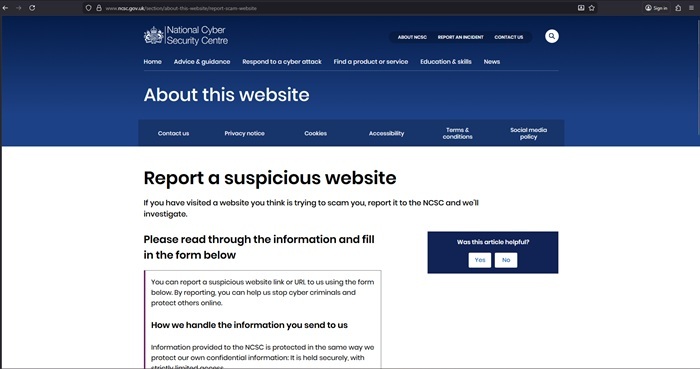
https://www.ncsc.gov.uk/section/about-this-website/report-scam-website
Phone: 0300 123 2040
Banks in the UK may reimburse victims under certain fraud rules.
🇮🇳 INDIA
In India, a pig butchering scam — a prolonged investment fraud in which criminals build trust before persuading victims to invest in fake cryptocurrency or trading platforms — is regarded as a serious cyber and financial offence. These schemes commonly begin through social media, dating applications, WhatsApp, Telegram, or similar messaging services and gradually transition into fraudulent investment opportunities. If you suspect you have been targeted, end all communication immediately and avoid sending any further funds.
If you are receiving threats or feel unsafe, call 112, India’s national emergency helpline, for immediate police assistance. For complaints related to cybercrime, including online investment and cryptocurrency fraud, contact the national cybercrime helpline at 1930 without delay. Prompt reporting is especially important if money has already been transferred, as authorities may attempt to freeze or trace the funds when notified quickly.
You should also submit a complaint through the official National Cyber Crime Reporting Portal at cybercrime.gov.in. This government platform allows victims to report online financial fraud and related digital crimes. When filing your complaint, provide comprehensive details such as the scammer’s name, contact numbers, email addresses, social media profiles, website links, cryptocurrency wallet addresses, transaction IDs, and payment receipts. After submission, you will receive a reference number that can be used to monitor the progress of your case.
If cryptocurrency transactions were involved, contact the exchange you used immediately and request an urgent fraud investigation. Share the wallet address and transaction hash so the exchange can flag suspicious accounts. If funds were transferred through bank transfer, UPI, debit card, credit card, or online banking, notify your bank at once and ask to speak with the fraud department. Request that the transaction be frozen or reversed if possible. Acting quickly greatly improves the chances of tracing or blocking the funds.
In cases involving significant financial loss, you may also report the matter to your local cybercrime police station or to the Enforcement Directorate (ED) for further action.
Report & Help:
National Cyber Crime Helpline: 1930
This is critical for fund freezing.
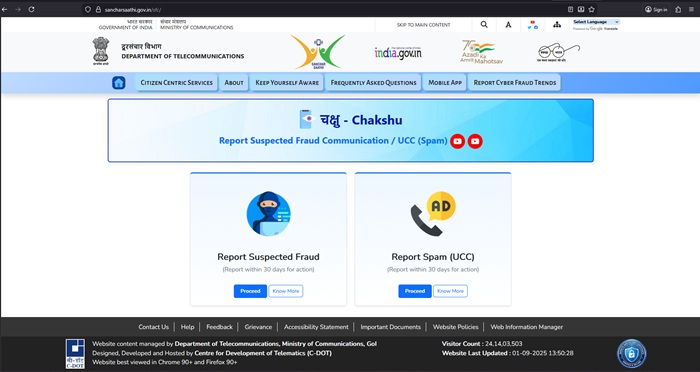
National Cyber Crime Portal : https://cybercrime.gov.in / https://sancharsaathi.gov.in/sfc
Quick reporting increases chances of freezing mule accounts.
🇦🇺 AUSTRALIA
In Australia, a pig butchering scam — a prolonged investment fraud in which offenders build trust before persuading victims to place money into fake cryptocurrency or trading platforms — is considered a serious financial and cybercrime offence. These schemes frequently begin on social media, dating applications, WhatsApp, Telegram, or similar messaging services and gradually evolve into fraudulent investment arrangements. If you suspect you have been targeted, cease all communication immediately and avoid sending any further funds.
If you are experiencing threats or feel at risk, call 000, Australia’s national emergency number, for immediate police assistance. For non-urgent matters involving financial fraud or online deception, contact your local police. In many states and territories, you can report the matter through the non-emergency Police Assistance Line at 131 444 and request a reference number for your records.
You should also submit a report through ReportCyber at cyber.gov.au, which is operated by the Australian Cyber Security Centre (ACSC). This is the official platform for reporting cybercrime, including cryptocurrency and investment scams, and reports are referred to relevant law enforcement agencies.
If cryptocurrency transactions were involved, promptly contact the exchange you used — such as CoinSpot, Binance, or Coinbase — and request an urgent fraud review. Provide the wallet address and transaction details so the exchange can flag potentially suspicious accounts. If you transferred funds via bank transfer, debit card, or credit card, notify your bank immediately and ask to speak with the fraud department. Request a transaction recall or freeze where possible, as swift action improves the likelihood of tracing or blocking the funds.
You should also report the scam to Scamwatch at scamwatch.gov.au, managed by the Australian Competition and Consumer Commission (ACCC), which monitors fraud trends and issues public alerts. If the scheme involved a fraudulent investment platform, you may lodge a complaint with the Australian Securities and Investments Commission (ASIC) at asic.gov.au, which oversees investment and financial service misconduct.
For emotional and practical support, you can contact Lifeline at 13 11 14 for confidential assistance. Remain cautious of anyone claiming they can recover your money in exchange for an upfront fee, as such offers are often secondary scams targeting victims again.
Report & Help:
Scamwatch (ACCC)
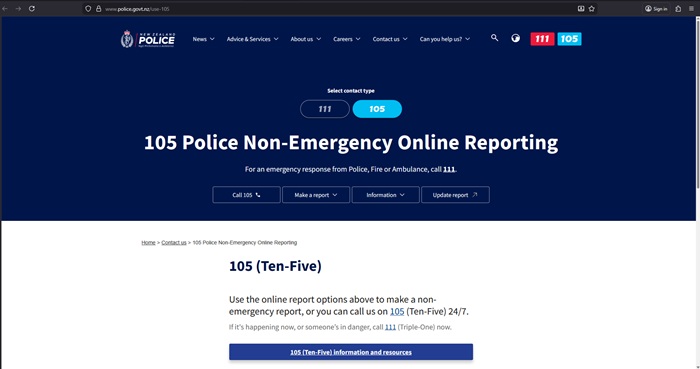
https://www.scamwatch.gov.au/report-a-scam / https://www.cyber.gov.au/report-and-recover
ReportCyber (Australian Cyber Security Centre) : https://www.cyber.gov.au/report
Phone: 1300 CYBER1 (1300 292 371)
🇫🇷 FRANCE
In France, a pig butchering scam — a prolonged investment fraud in which offenders build a relationship of trust before encouraging victims to invest in fraudulent cryptocurrency or trading platforms — is regarded as a serious financial and cybercrime offence. These schemes often start on social media, dating sites, WhatsApp, Telegram, or similar messaging services and gradually evolve into deceptive investment opportunities. If you suspect you have been targeted, immediately end all communication and avoid sending any further funds.
If you are receiving threats or feel at risk, call 17, which connects you to the Police or Gendarmerie for emergency assistance. For non-urgent cases involving financial fraud or online deception, you can file a formal complaint (déposer plainte) at your local police station (commissariat) or gendarmerie brigade. Make sure to request a copy of the complaint receipt (récépissé de plainte), which includes your official case reference number.
You should also submit a report through PHAROS (internet-signalement.gouv.fr), the government’s dedicated online platform for reporting cybercrime. PHAROS processes cases related to online fraud, cryptocurrency scams, and digital financial misconduct. Financial fraud can additionally be reported through Service-Public.fr, the official French administrative portal.
If the case involves a fraudulent investment scheme, you may report it to the Autorité des marchés financiers (AMF) at amf-france.org. The AMF oversees financial markets and investigates unauthorised or deceptive investment activities.
For emotional and practical assistance, you can contact France Victimes by calling 116 006, a free and confidential helpline that supports victims of crime. Remain cautious of individuals or companies claiming they can recover your money in exchange for upfront payment, as such offers are often secondary scams targeting victims again.
Report & Help:
Service-Public Fraud Reporting
https://www.service-public.fr/particuliers/vosdroits/F1520
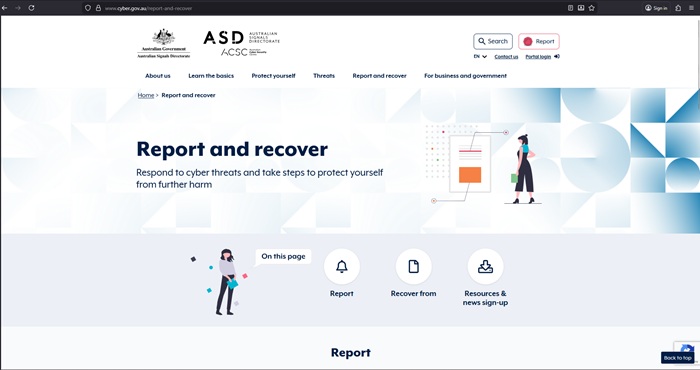
Cybermalveillance.gouv.fr : https://www.cybermalveillance.gouv.fr
🇸🇬 SINGAPORE
In Singapore, a pig butchering scam — a prolonged investment fraud in which criminals gain a victim’s trust before persuading them to invest in fake cryptocurrency or trading platforms — is considered a serious financial and cybercrime offence. These schemes often begin through social media, dating applications, WhatsApp, Telegram, or similar messaging services and gradually evolve into fraudulent investment opportunities. If you suspect you have been targeted, end all communication immediately and do not transfer any additional funds.
If you are receiving threats or feel at risk, call 999, Singapore’s emergency police number, for immediate assistance. For non-urgent cases involving financial fraud or online deception, you may contact the Singapore Police Force (SPF) hotline at 1800 255 0000 or submit a report through the SPF e-Services portal. When filing your report, request a reference number, as it may be required when dealing with banks or financial institutions.
You can also seek guidance by calling the Anti-Scam Hotline at 1800 722 6688, operated by the National Crime Prevention Council in partnership with the Police. The hotline offers advice on scam-related incidents and provides information on protective measures.
If the fraud involved a fake investment platform, you may report it to the Monetary Authority of Singapore (MAS) at mas.gov.sg. MAS oversees financial institutions and takes action against unauthorised or deceptive investment schemes.
For emotional and practical support, you may contact the Samaritans of Singapore at 1767, which offers confidential assistance. Remain cautious of anyone claiming they can recover your funds for an upfront payment, as such offers are often secondary scams targeting victims again.
Report & Help:
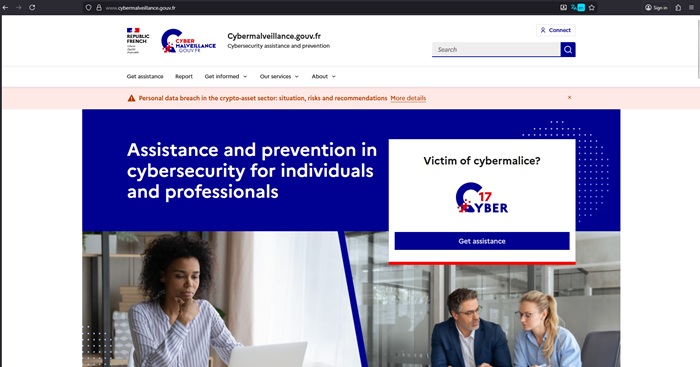
Singapore Police Force – Scam Reporting : https://www.police.gov.sg/Advisories/Scams
Anti-Scam Hotline: 1800-722-6688
🇳🇿 NEW ZEALAND
In New Zealand, a pig butchering scam — a long-running investment fraud where scammers build trust before encouraging victims to invest in fake cryptocurrency or trading platforms — is treated as a serious financial and cybercrime offence. These scams often begin through social media, dating apps, WhatsApp, Telegram, or similar messaging platforms and gradually shift into fraudulent investment schemes. If you believe you have been targeted, stop all contact immediately and do not send any further money.
If you are being threatened or feel unsafe, call 111 for emergency police assistance. For non-urgent cases involving online fraud or financial scams, you can contact the Police by calling 105 or by submitting a report through the official New Zealand Police website. When filing your report, ask for a reference number, as this may be required when speaking with your bank or other financial institutions.
You should also report the scam to Netsafe, New Zealand’s online safety organisation, which offers advice and support to victims of digital fraud. Netsafe can help document the incident and guide you on appropriate next steps. If the scam involved a fake investment opportunity or unauthorised financial services, you may also notify the Financial Markets Authority (FMA) at fma.govt.nz, which regulates financial markets and investigates investment-related misconduct.
For emotional and practical support, you can contact Victim Support at 0800 842 846, which provides free and confidential assistance. Be cautious of anyone promising to recover your funds in exchange for an upfront fee, as such offers are often secondary scams targeting victims again.
Report & Help:
https://www.netsafe.org.nz/report
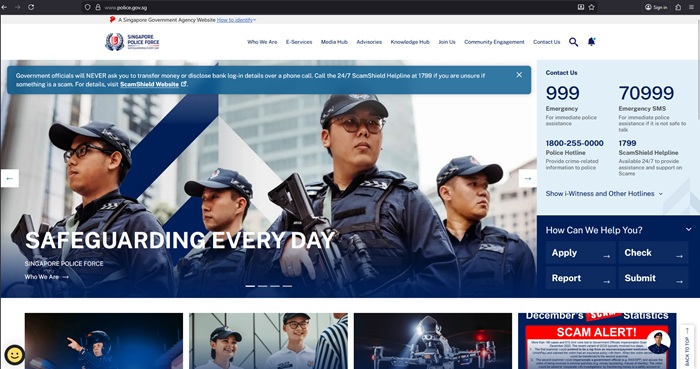
New Zealand Police : https://www.police.govt.nz/use-105
Phone: 105
🇿🇦 SOUTH AFRICA
In South Africa, a pig butchering scam — a prolonged investment fraud in which criminals gain a victim’s trust before convincing them to invest in fake cryptocurrency or trading platforms — is regarded as a serious financial and cybercrime offence. These schemes commonly begin through social media, dating applications, WhatsApp, Telegram, or similar messaging services and gradually evolve into fraudulent investment opportunities. If you believe you have been targeted, immediately end all communication and avoid transferring any additional funds.
If you are experiencing threats or feel at risk, call 10111, the South African Police Service (SAPS) emergency number, for urgent assistance. For non-urgent matters involving online investment fraud or cybercrime, visit your nearest SAPS police station to open a criminal case. Clearly explain that the incident involves digital financial fraud and request a CAS (Crime Administration System) number, which will serve as your official case reference for follow-up and bank-related matters.
You may also report the incident to the Financial Sector Conduct Authority (FSCA) at fsca.co.za. The FSCA oversees financial services providers and investigates unauthorised or fraudulent investment schemes. If the scam involved a fake trading platform or unlicensed investment operation, the FSCA can review the matter and issue public warnings where appropriate.
Report & Help:
South African Police Service (SAPS) : https://www.saps.gov.za
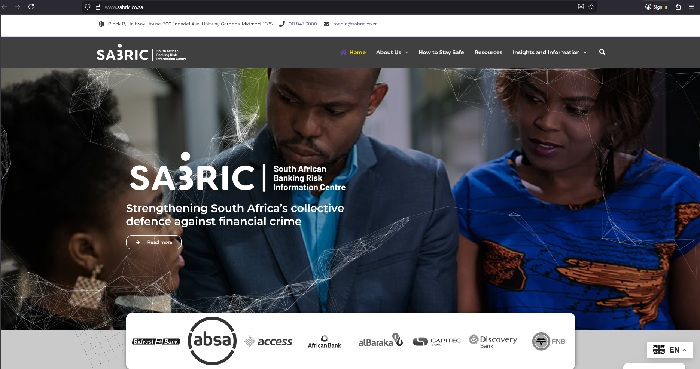
SABRIC Fraud Reporting : https://www.sabric.co.za
🇧🇷 BRAZIL
In Brazil, a pig butchering scam — a prolonged investment fraud in which offenders build trust before persuading victims to place money into fake cryptocurrency or trading platforms — is regarded as a serious financial and cybercrime offence. These schemes commonly begin through social media, dating applications, WhatsApp, Telegram, or similar messaging services and gradually evolve into fraudulent investment opportunities. If you suspect you have been targeted, end all communication immediately and avoid transferring any further funds.
If you are receiving threats or feel at risk, call 190, Brazil’s emergency police number, for immediate assistance. For non-urgent cases involving online financial fraud, contact the Polícia Civil (Civil Police) by calling 197 or by submitting a complaint through your state’s Delegacia Eletrônica (online reporting system). When filing your report, request a Boletim de Ocorrência (B.O.), the official police report document. This record provides a case number that may be required when dealing with banks or pursuing legal action.
If the fraud involved bank transfers, PIX payments, debit cards, or credit cards, notify your bank without delay and request a fraud investigation. In some cases, Brazilian banks may be able to freeze or trace PIX transactions if they are reported promptly. Provide your Boletim de Ocorrência number to support your request.
If cryptocurrency transactions were involved, contact the exchange you used — such as Mercado Bitcoin, Binance, Coinbase, or another platform — and request an urgent fraud review. Share wallet addresses, transaction IDs, account details, and copies of communications with the scammer so the exchange can flag potentially suspicious accounts.
You may also report fraudulent investment platforms to the Comissão de Valores Mobiliários (CVM) at gov.br/cvm. The CVM oversees Brazil’s financial markets and investigates unauthorised or deceptive investment schemes.
Report & Help:
SaferNet Brazil : https://new.safernet.org.br/denuncie
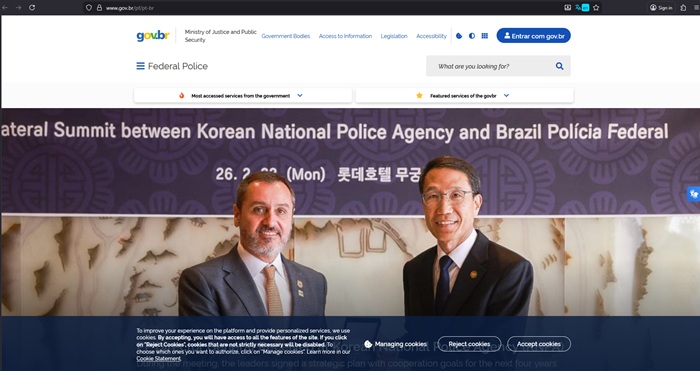
Brazilian Federal Police : https://www.gov.br/pf
🇲🇽 MEXICO
In Mexico, a pig butchering scam — a prolonged investment fraud in which offenders gain a victim’s trust before encouraging them to invest in fake cryptocurrency or trading platforms — is regarded as a serious financial and cybercrime offence. These schemes often originate on social media, dating applications, WhatsApp, Telegram, or similar messaging services and gradually evolve into deceptive investment opportunities. If you suspect you have been targeted, end all communication immediately and refrain from sending any further funds.
If you are facing threats or feel unsafe, call 911, Mexico’s national emergency number, for immediate assistance. For non-urgent matters involving online financial fraud or digital deception, you should file a formal complaint with your state’s Fiscalía (State Attorney General’s Office). The Fiscalía investigates criminal offences, including cyber fraud and investment-related scams. When submitting your complaint, request a case reference number (número de carpeta de investigación), as this may be necessary when working with banks or other financial institutions.
You may also report the matter to the Guardia Nacional’s Cyber Police (Policía Cibernética), which handles online fraud, cryptocurrency scams, and other digital financial crimes. In Mexico City, for example, the Cyber Police can be reached at 55 5242 5100 ext. 5086, although contact numbers may vary by state.
If the fraud involved a fake investment platform or unauthorised financial activity, you can notify the Comisión Nacional Bancaria y de Valores (CNBV) at gob.mx/cnbv. The CNBV oversees financial institutions and investigates unlicensed or fraudulent investment schemes.
Report & Help:
CONDUSEF (Financial Consumer Protection)
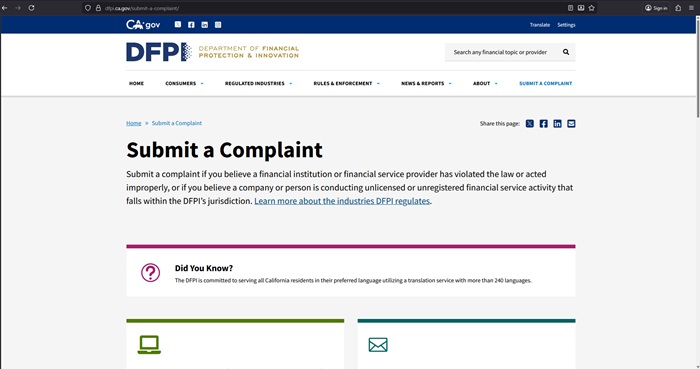
https://www.condusef.gob.mx / https://dfpi.ca.gov/submit-a-complaint/
Phone: 55 5340 0999
🇯🇵 JAPAN
In Japan, a pig butchering scam — a prolonged investment fraud in which criminals gain a victim’s trust before encouraging them to invest in fake cryptocurrency or trading platforms — is regarded as a serious financial and cybercrime offence. These scams frequently start on social media, dating applications, LINE, Instagram, or similar messaging services and gradually develop into deceptive investment schemes. If you believe you have been targeted, immediately cease all communication and do not transfer any further funds.
If you are receiving threats or feel unsafe, call 110, Japan’s national police emergency number, for urgent assistance. For non-emergency cases involving online fraud or financial deception, you can contact the Police Consultation Line at #9110, which will connect you to your local prefectural police department. You may be required to visit a nearby police station to submit a formal damage report (被害届), which officially begins the investigation. Be sure to request a case reference number for your records and future follow-up.
You can also report investment-related fraud to Japan’s Financial Services Agency (FSA) at fsa.go.jp. The FSA oversees financial institutions and publishes warnings about unauthorised or suspicious investment platforms.
For general consumer advice regarding financial or online fraud, you may contact the Consumer Hotline at 188, which provides guidance and support to individuals affected by scams.
Report & Help:
National Police Agency (Cybercrime)
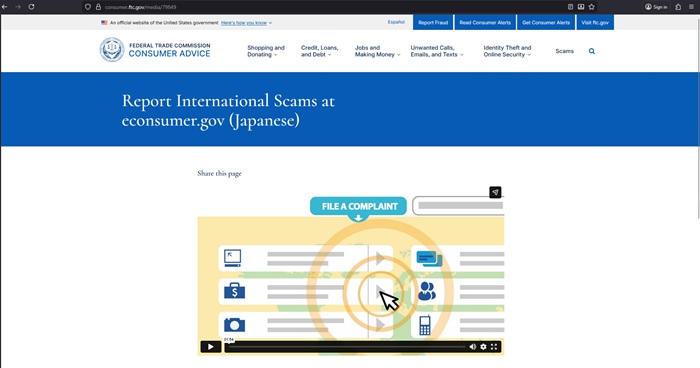
https://www.npa.go.jp / https://consumer.ftc.gov/media/79849
Consultation Hotline: #9110
🇰🇷 SOUTH KOREA
In South Korea, a pig butchering scam — a prolonged investment fraud in which offenders gain a victim’s trust before encouraging them to invest in fraudulent cryptocurrency or trading platforms — is regarded as a serious financial and cybercrime offence. These scams commonly begin through social media, dating applications, KakaoTalk, Instagram, or similar messaging services and gradually develop into deceptive investment schemes. If you suspect you have been targeted, end all communication immediately and avoid transferring any further funds.
If you are experiencing threats or feel unsafe, call 112, South Korea’s national police emergency number, for urgent assistance. For non-emergency cases involving online financial fraud or digital scams, you can contact the police consultation line at 182, which connects you to your local police station and provides guidance on filing a formal complaint. You may be required to visit a nearby station to submit an official report so that an investigation can proceed. Be sure to request a case reference number for follow-up purposes.
In addition, investment-related fraud can be reported to the Financial Supervisory Service (FSS) by calling 1332. The FSS handles financial complaints and investigates unauthorised or suspicious investment schemes in coordination with law enforcement authorities.
Report & Help:
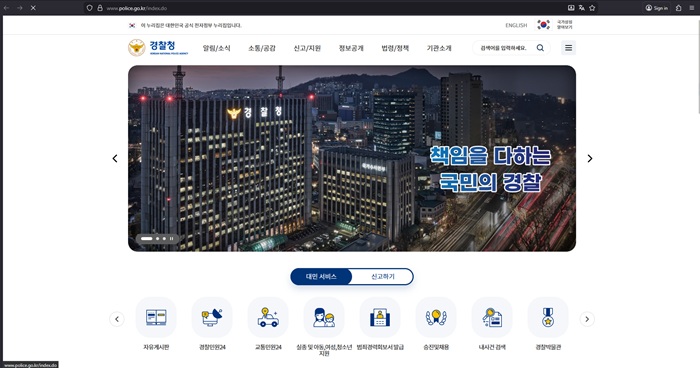
Korea National Police Agency : https://www.police.go.kr
Cybercrime Reporting: https://ecrm.police.go.kr
Phone: 182
🇦🇪 UNITED ARAB EMIRATES
In the United Arab Emirates (UAE), a pig butchering scam — a prolonged investment fraud in which criminals gain a victim’s trust before encouraging them to invest in fraudulent cryptocurrency or trading platforms — is regarded as a serious cyber and financial offence under Federal Decree-Law No. 34 of 2021 on Combating Rumours and Cybercrimes. These schemes typically begin on social media, dating applications, WhatsApp, Telegram, or similar messaging services and gradually develop into deceptive investment opportunities. If you suspect you have been targeted, cease all communication immediately and avoid transferring any further funds.
If you are receiving threats or feel at risk, call 999, the UAE’s emergency police number, for urgent assistance. For non-urgent cases involving financial fraud or online scams, you can report the matter through official law enforcement channels:
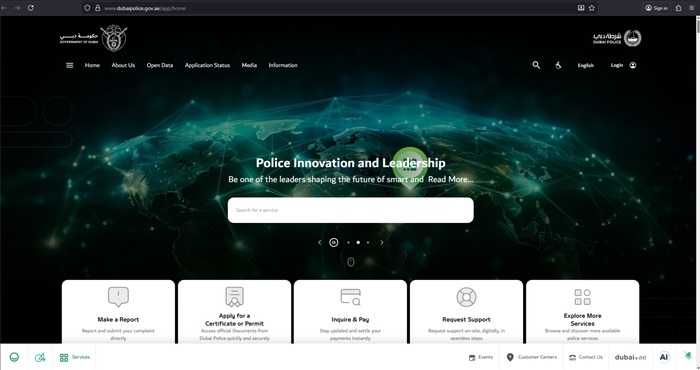
- Dubai Police: Submit a complaint through the Dubai Police website or mobile app, or call 901 for non-emergency enquiries.
- Abu Dhabi Police: File a report via the Abu Dhabi Police website or app, or use the Aman service for confidential reporting.
- Ministry of Interior (MOI): Lodge a cybercrime complaint through the MOI UAE app or official website, which covers all emirates.
If the scam involved a fake investment platform or unauthorised financial services, you may also notify the Securities and Commodities Authority (SCA) at sca.gov.ae. The SCA regulates financial markets in the UAE and investigates suspicious or unlicensed investment activities.
Report & Help:
UAE Ministry of Interior (Cybercrime Reporting)
https://www.moi.gov.ae
Abu Dhabi Police: 800 2626
Dubai Police: https://www.dubaipolice.gov.ae
🇮🇪 IRELAND
In Ireland, a pig butchering scam — a prolonged investment fraud in which offenders build trust before encouraging victims to invest in fraudulent cryptocurrency or trading platforms — is regarded as a serious financial and cybercrime offence. These schemes often originate on social media, dating applications, WhatsApp, Telegram, or similar messaging services and gradually evolve into deceptive investment opportunities. If you suspect you have been targeted, immediately end all communication and avoid transferring any further funds.
If you are receiving threats or feel unsafe, call 999 or 112, Ireland’s emergency numbers, for urgent police assistance. For non-emergency cases involving financial fraud or online scams, contact your local Garda station to file an official report. You can locate your nearest station through the Garda website. When making your report, request a case reference number, as this may be necessary when dealing with banks or financial institutions.
You may also report the matter to the Garda National Cyber Crime Bureau (GNCCB), which handles serious cybercrime investigations, including online investment fraud. In addition, the Competition and Consumer Protection Commission (CCPC) can provide guidance and information regarding scam awareness and consumer protection.
If the fraud involved a fake investment platform or unauthorised financial services, you can notify the Central Bank of Ireland at centralbank.ie. The Central Bank supervises financial service providers and publishes warnings about unlicensed or suspicious firms.
For emotional and practical assistance, you may contact the National Crime Victims Helpline at 116 006, which offers free and confidential support. Remain cautious of anyone claiming they can recover your money in exchange for an upfront fee, as such offers are often secondary scams targeting victims again.
Report & Help:
Garda National Cyber Crime Bureau
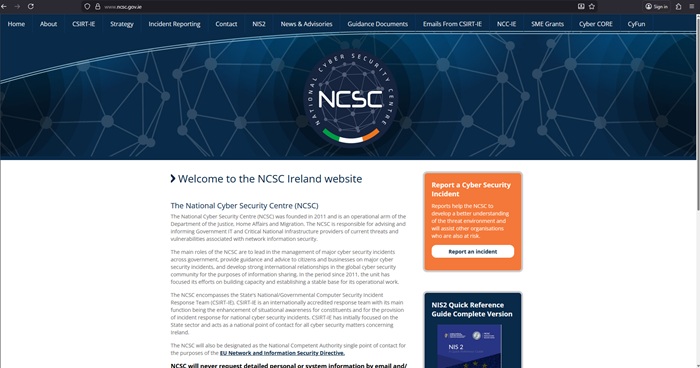
https://www.garda.ie / https://www.ncsc.gov.ie/
Phone: 999 or 112
🇳🇬 NIGERIA
In Nigeria, a pig butchering scam — a prolonged investment fraud in which offenders gain a victim’s trust before encouraging them to invest in fraudulent cryptocurrency or trading platforms — is regarded as a serious financial and cybercrime offence under the Cybercrimes (Prohibition, Prevention, etc.) Act, 2015. These schemes commonly begin through social media, dating applications, WhatsApp, Telegram, or similar messaging services and gradually evolve into deceptive investment opportunities. If you suspect you have been targeted, immediately end all communication and avoid transferring any further funds.
If you are receiving threats or feel unsafe, report the incident to your nearest police station without delay. For cyber-related offences, you can contact the Nigeria Police Force National Cybercrime Centre (NPF-NCCC) to report online fraud and digital financial crimes through the following channels:
Phone : 0806 232 2911 / +234 916 834 3711
Mail : interpolnigeria@npf.gov.ng
You may also lodge a complaint with the Economic and Financial Crimes Commission (EFCC), which investigates financial and investment-related fraud. Reports can be submitted via the EFCC’s official website at efcc.gov.ng or by calling +234 809 332 2644 for further guidance.
Report & Help:
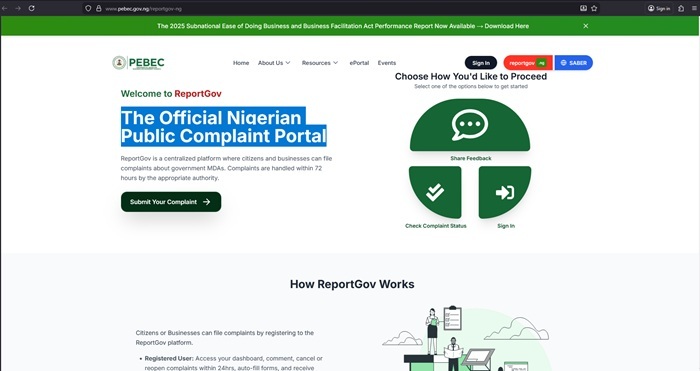
The Official Nigerian Public Complaint Portal : https://www.pebec.gov.ng/reportgov-ng
🇰🇪 KENYA
In Kenya, a pig butchering scam — a prolonged investment fraud in which offenders gain a victim’s confidence before encouraging them to invest in fake cryptocurrency or trading platforms — is considered a serious financial and cybercrime offence under the Computer Misuse and Cybercrimes Act, 2018, along with other fraud-related laws. These schemes commonly start on social media, dating applications, WhatsApp, Telegram, or similar messaging platforms and gradually evolve into deceptive investment opportunities. If you suspect you have been targeted, immediately end all communication and avoid sending any additional funds.
If you are receiving threats or feel unsafe, call 999, 112, or 911, Kenya’s national emergency numbers, for urgent police assistance. For non-emergency cases involving online financial fraud or digital scams, report the incident to the Directorate of Criminal Investigations (DCI), specifically through the DCI Cybercrime Unit. You can visit your nearest DCI office or police station to lodge a formal complaint and obtain an official case reference number for follow-up.
You may also notify the National Kenya Computer Incident Response Team – Coordination Centre (KE-CIRT/CC), which operates under the Communications Authority of Kenya and manages cybersecurity incidents. Reports can be submitted through their official website or designated reporting channels.
Report & Help:
Directorate of Criminal Investigations (DCI)
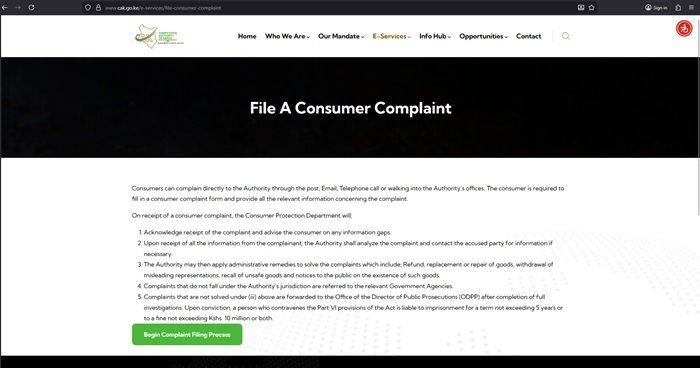
https://www.dci.go.ke / https://www.cak.go.ke/e-services/file-consumer-complaint
Scam Money Recovery: What Victims Have Experienced :
Pig-Butchering Scam Money Recovery Victim 1 :
I was recently deceived through what is commonly known as a “wrong number” scam. It began when someone contacted me claiming they had mistakenly texted the wrong person. The conversation seemed completely innocent at first. We talked about where we were from, our backgrounds, and everyday life topics. Nothing about the interaction initially suggested it was a scam.
She presented herself as a successful entrepreneur living in Los Angeles. During our conversations, she casually mentioned that she was involved in trading and had been very successful. At first, I didn’t give it much thought. However, over time, I became curious and started considering the possibility of investing alongside her.
Eventually, I decided to participate. She directed me to a trading platform that appeared extremely professional and legitimate. The website looked convincing, complete with realistic dashboards and trading activity. I ended up investing over $106,000. We began what appeared to be successful trades together, and my account balance quickly grew. According to the platform, my investment had increased to over $395,000. At that point, I believed I had made substantial profits.
When I attempted to withdraw my funds, the platform suddenly froze my account. I was told that I needed to pay taxes upfront before any withdrawal could be processed. That was the moment I realized something was seriously wrong.
After investigating further, I checked the blockchain transaction hash and discovered that the funds I had transferred were sent to a completely different wallet address than the one associated with the trading account. It became clear that the entire operation was fraudulent and that the profits displayed on the platform were fake.
What started as a simple wrong-number message turned into a devastating financial loss. The experience has been both financially and emotionally difficult, and it has completely changed how I view online interactions and investment opportunities.
Pig-Butchering Scam Money Recovery Victim 2 :
She is an older woman who, about 11 months ago, met a man named “Frank” on a dating site for widows. They quickly formed what she believed was a loving relationship. They texted and spoke on the phone every day, and she became deeply emotionally invested in him.
Over the course of those 11 months, he repeatedly claimed to be in various emergencies. He said he was stuck in Canada after being stopped at the border for carrying cash. He claimed he had been charged, convicted, and even imprisoned. He said he needed money to pay legal fees, fines, taxes on the seized cash, airline tickets, and other expenses. At one point, he even claimed to have suffered a heart attack and needed help covering medical costs. Each crisis came with an urgent request for money.
Despite numerous red flags, she ignored warnings from family and friends because she believed he loved her. Within five months, she had willingly sent him over $500,000, including the entirety of her retirement savings from her Roth IRA. At first, she told the family that her money had been stolen through a customer service pop-up scam, but she later admitted she had sent it to him voluntarily.
For nearly a year, he has repeatedly promised he was about to arrive in town. Every few days there was a new reason why he couldn’t make the trip — unpaid taxes, airline issues, legal fines — and each explanation required more money. She believed every promise, even though he never actually arrived. A background check of the name he provided appeared to align with parts of his story, which she took as proof that he was legitimate.
The financial damage continued to escalate. Her credit cards are maxed out. She took out a loan using her car as collateral. She borrowed $60,000 from friends. This week, she reported that the remaining $250,000 in her bank account — including recent loan funds — had been wiped out. Someone contacted her bank and disputed several months of phone bills, causing small refunds to be deposited and immediately transferred out again. The phone company is now shutting off her service. She claims the bank told her not to change passwords or close the account, which raises concerns that she may still be in contact with scammers.
She now has no money for rent next week and no funds for essential medication, including insulin. The family previously gave her a $3,000 check before discovering she had not been truthful, and it was later recovered. There is deep guilt about whether to help cover rent or medication, knowing that any additional funds could potentially be sent to the scammer.
One of her friends contacted Adult Protective Services out of concern, but that made her angry, and she reportedly misrepresented the situation to the investigator. It is reasonable to assume she may have given this man access to her banking and credit information. At the same time, she is facing legal disputes with family members related to a separate inheritance issue.
Recently, she appeared to understand that she had been scammed and contacted the police to file a report. However, shortly afterward, she texted a family member stating that she intended to take her own life. Emergency services were contacted immediately. When responders arrived, she had not harmed herself, but she was furious that help had been called. She later sent a message saying that her family was no longer part of her life and that she could take care of herself.
Pig-Butchering Scam Money Recovery Victim 3 :
Sadly, my family has been devastated by what appears to be a classic pig butchering scam.
My elderly parents have operated a family business for decades. My sister occasionally helped with the business and had access to the company bank account. Because she was family, we trusted her completely.
Over the course of approximately a year and a half, she emptied the company’s funds — around $350,000 — as well as roughly $650,000 from my parents’ personal bank accounts.
When we first confronted her, she claimed the money had been sent to someone she was helping who had life-threatening health issues. She insisted that she would be “richly rewarded” in return — supposedly around $70 million. Despite our alarm and objections, she continued transferring funds. She appears completely convinced that this is legitimate, even invoking religion and saying that God is guiding her decisions.
We later learned that the funds were being sent to Cambodia.
Watching this unfold has been deeply depressing and painful for our entire family. She refuses to acknowledge the reality of the situation and has cut off communication with us. At one point, she even attempted to have the individual involved call me directly — presumably to try to persuade or manipulate me as well.
It is mind-blowing to witness how effectively these scammers use psychological tactics, including romance-based manipulation, to gain total emotional control over someone. They isolate victims from family, reinforce false hope, and create elaborate narratives that feel real and purposeful.
What has been taken from us financially is enormous, but the emotional toll — the loss of trust and connection within our own family — is just as devastating.
Pig-Butchering Scam Money Recovery Victim 4 :
I still feel embarrassed admitting this, but I was recently scammed through an online cryptocurrency scheme.
I started talking to a woman online who claimed she was earning tens of thousands of dollars per month through crypto trading. At first, alarm bells went off immediately. It sounded too good to be true. But after receiving a voice message from her and failing to find anything suspicious through reverse image searches, I began to let my guard down.
Out of curiosity, I asked how she was making that kind of money. She sent me a link to a trading website. It looked questionable, but I convinced myself that trying it with a small amount wouldn’t hurt. I deposited a few hundred dollars, made a small profit, and successfully withdrew it. That made the platform feel legitimate.
I repeated the process with a larger amount, made another small profit, and withdrew again. At that point, I was convinced the website was safe.
Then she encouraged me to deposit $5,000. After that, another $5,000. And then more. By then, I trusted her enough that I stopped withdrawing my daily “profits” and let the account balance grow.
Within about a month, I had deposited half of my savings. The website showed that my balance had grown to several times my annual income. It felt unreal — like my life was about to change.
When I attempted to withdraw the funds, I received a message stating that I needed to pay a 20% tax before the withdrawal could be processed. I panicked. I didn’t want to get into trouble over taxes, so I paid the requested amount. By then, almost all of my savings were tied up in the platform.
The next day, I attempted to withdraw again. This time, I was told I had violated trading rules and needed to pay an additional “risk fee” to prevent my account from being permanently frozen. That was the moment reality started to set in. I had no choice but to accept that my savings were likely gone.
A few weeks later, I found online forums where other victims described the exact same experience. That’s when any remaining doubt disappeared. I realized I had been caught in a well-known and highly organized scam.
Looking back, I see how the initial small withdrawals were designed to build trust. The fake profits were psychological bait. The tax and risk fees were the final extraction phase. It was calculated manipulation from start to finish.
Pig-Butchering Scam Money Recovery Victim 5 :
A woman recently contacted my dad on Facebook with what seemed like a harmless mistake. She claimed she thought he was someone she knew, and when it became clear she had the wrong person, she asked if they could continue talking anyway. She presented herself as young, attractive, Asian, wealthy, and living on the other side of the country. The entire story immediately felt suspicious to me.
I performed a reverse image search on her profile photo and found the exact same image on a Chinese dating website. I showed this to my dad, but he dismissed it. He insisted she was real because they had video calls in addition to texting. Despite the red flags, he felt confident in her authenticity.
Soon after, he began sending me screenshots from an app called “deepcoin tra,” which showed simulations of him supposedly earning significant profits through cryptocurrency trading. At that point, everything started to make sense to me. I sent him articles and videos explaining pig butchering scams, outlining how scammers build trust over time and then introduce fake investment platforms. He denied that this was happening. He claimed the woman had nothing to do with his interest in crypto and said he had developed that interest independently. However, this did not align with reality, as he had never shown any interest in cryptocurrency before meeting her.
When I pressed him, he assured me that he would never invest real money. That gave me some temporary reassurance.
Two months later, during a period when he had been unusually less communicative, I received an urgent late-night message from him. He admitted that he had invested $400,000 into cryptocurrency using the same platform he had previously said he would never put real money into. He claimed that within four weeks, his investment had more than quadrupled.
I was shocked and deeply concerned. I asked whether he had attempted to withdraw any funds. He told me he was planning to and that I shouldn’t worry because the funds had already been transferred from the original app into Trust Wallet, which he said was a legitimate and secure platform.
While Trust Wallet itself may be legitimate, every other element of the situation aligns closely with classic pig butchering scams I have researched. The initial “wrong number” contact, the attractive and wealthy persona, the gradual trust-building, the introduction of crypto trading, the extraordinary profits displayed, and the reassurance that everything is safe — all follow the same pattern.
I want to believe he hasn’t been scammed, but the warning signs are overwhelming and difficult to ignore.